In collaboration with UNESCO, Cardi B’s Skincare brand is set to mitigate the devastating effects of trends in skin bleaching in the tropical regions of Africa
LOS ANGELES, California, March 8, 2023/APO Group/ —
Kulture Wave Beauty by Cardi B, a leading beauty brand, announced today its commitment to fighting against the practice of skin bleaching in Africa. Skin bleaching, also known as skin lightening or whitening, is a dangerous trend that has become prevalent in many African countries, where it is associated with beauty and social status.
Are you tired of seeing harmful skin-bleaching products advertised and promoted to achieve “beauty” in Africa? The popular rapper has recently announced the projected launch of her own line of skincare products that are designed to celebrate melanin-rich skin and discourage people from using dangerous chemicals on their bodies. In this article, we’ll dive deeper into why Cardi B’s brand is such a game-changer for African beauty standards and how it can help steer the conversation away from harmful beauty practices.
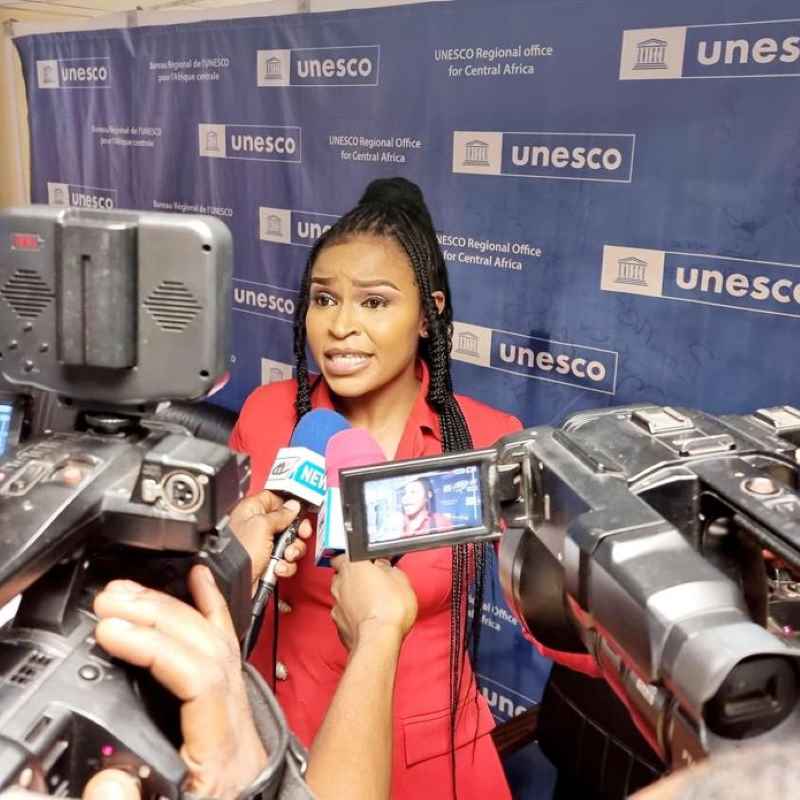
Kulture Wave Beauty by Cardi B believes that all skin colors are beautiful and aims to promote self-love and confidence through its products. The brand’s decision to act against skin bleaching in Africa is part of its larger mission to empower women and promote positive body image. By joining forces with UNESCO alongside Rwanda’s president Paul Kagame. The country has enforced a ban on skin-lightening products with the president stating “these practices are quite unhealthy among other things. Includes use of prohibited chemicals.”
While other administrations such as Ghana followed suit on Rwanda’s efforts the country too has issued its own ban on skin-lightening products. The acting chief executive of the authority, Mimi Darko said “Ghana has banned these types of products, there will be no importing of such harsh and damaging products to this country.”
It is no secret that skin bleaching is a big problem in Africa. According to a recent report by the World Health Organization, an estimated 77% of women in Nigeria use skin-lightening products. This number is even higher in other countries like Togo (88%), South Africa (80%), and Senegal (59%).
“I’m proud to be part of a brand that stands for inclusivity and celebrates diversity. Skin bleaching is a harmful practice that perpetuates unrealistic beauty standards and can have severe health consequences,” said Cardi B, CEO of Kulture Wave Beauty. “We want to help women embrace their natural beauty and feel confident in their own skin.”
Why Kulture Wave Beauty is different.
Cardi B’s skincare brand, Kulture Wave Beauty, is partnering with UNESCO to help mitigate the devastating effects of skin bleaching in tropical regions of Africa. Skin bleaching is a dangerous and harmful practice that can lead to serious health problems, including cancer. Kulture Wave Beauty’s line of natural and safe skincare products will help to combat the harmful effects of skin bleaching and promote healthy skin practices in Africa. This partnership is an important step in raising awareness about the dangers of skin bleaching and promoting healthy skin care habits in Africa.
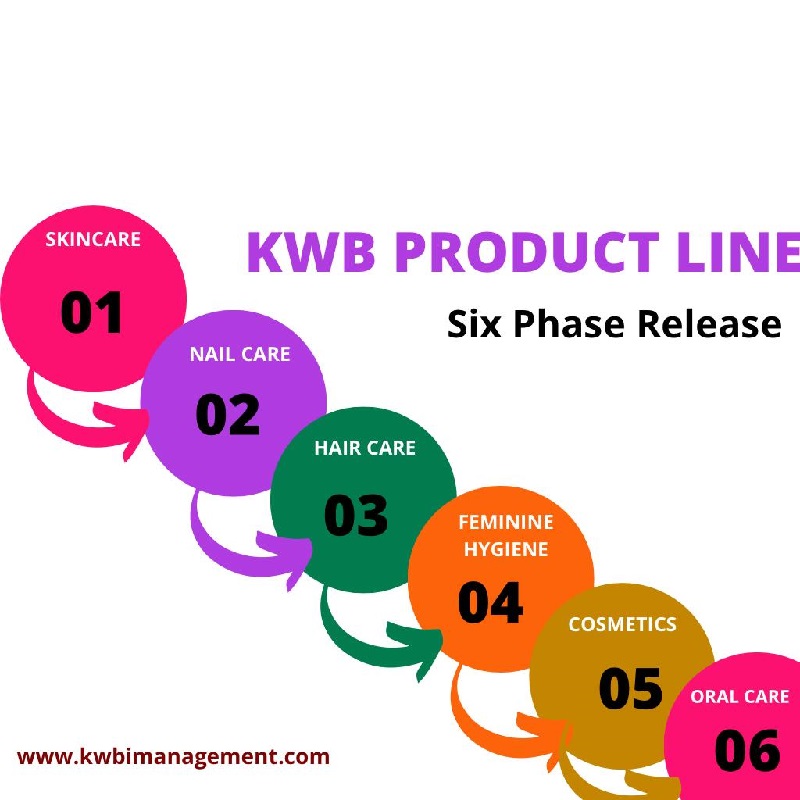
Kulture Wave Beauty is a beauty brand founded in partnership with the Grammy-winning artist Cardi B and KWBI Management, LLC. The brand offers a range of high-quality six-phase skincare product line that is designed to celebrate diversity and promote self-love.
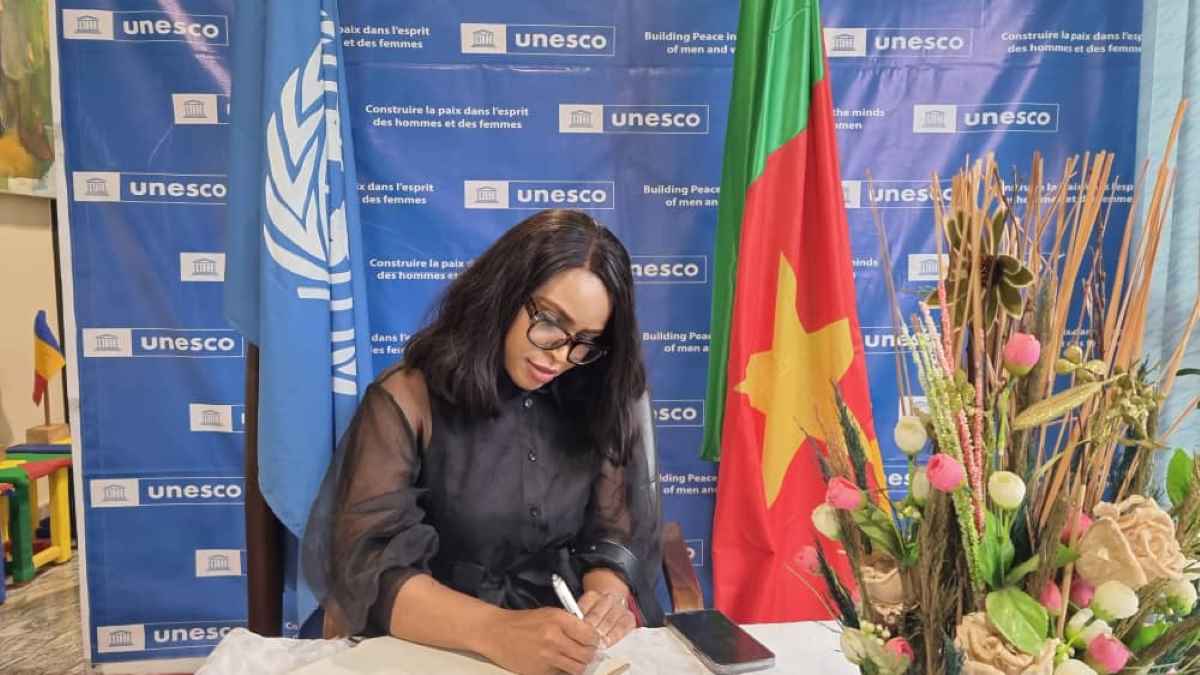
Cardi B has launched her beauty line and is using it to combat the harmful practice of skin bleaching in Africa through a partnership with Delight Cosmeceutical Labs (https://apo-opa.info/3mCVkUB), which formulates the products for the skincare brand. The lab’s leading esthetician, Edith F. Gibson, has a 5-year contract to work with the UNESCO field office in Yaoundé, Cameroon, to combat the practice of skin bleaching.

Kulture Wave Beauty by Cardi B believes that all skin colors are beautiful and aims to promote self-love and confidence through its products
The line, called Kulture Wave Beauty, includes a range of products designed to nourish and protect the skin. The products are made with patented scientific technology and natural ingredients which are free from harmful chemicals.
Cardi B is committed to helping women of all colors feel beautiful in their own skin. She hopes that by offering a quality alternative to skin bleaching products, she can help put an end to the dangerous practice.
Kulture Wave Beauty will be available online, and in-store and will be expanding to stores across Africa in the near future. The line is set to be released in Six separate phases.
UNESCO Partnership Objective:
The problem with skin lightening in Africa is that there are several reasons why women bleach their skin. Many believe that it will make them more attractive to men, while others think it will help them get ahead in life. Some simply want to fit in with society’s standards of beauty. Whatever the reason, the fact remains that skin bleaching is extremely harmful to your health.
Bleaching agents contain toxic chemicals that can damage your skin and lead to several health problems. These include liver damage, kidney failure, cancer, and even death. In addition, bleaching your skin makes you more susceptible to sun damage and can cause premature aging.
“We believe that by working together, we can create a world where all women feel empowered and beautiful, regardless of their skin color,” said Cedric Yengo the Chairman for KWBI Management (www.KWBIManagement.com). “We hope that our commitment to this cause will inspire others to join the fight against skin bleaching in Africa.”
If you’re considering bleaching your skin, we urge you to think twice about it. There are plenty of other ways to achieve the look you desire without risking your health in the process. This partnership is set to achieve the following.
1. To initiate the creation of networking systems to mitigate the devastating effects of trends in skin bleaching in the tropical regions of Africa.
2. To expose scientific technology and a better approach to tropical skincare for stakeholders in the field while reiterating the need for further research and training of more professionals.
3. To raise awareness of the wealth of biodiversity of tropical regions of Africa and its potential to benefit local communities in and around biospheres.
Kulture Wave Beauty by Cardi B is an inspiring initiative and a huge step forward toward fighting skin bleaching in Africa. The fact that such influential public figures like Cardi B are taking a stand against this issue sends out a powerful message of hope to people all over the world. Kulture Wave Beauty also serves as a reminder that we need to respect each other’s differences and embrace our uniqueness, no matter what it may be. It’s important for us to keep talking about this issue so that more people can become aware of its consequences, for only then will the real change begin to happen.
For more information about Kulture Wave Beauty by Cardi B and its commitment to fighting against skin bleaching in Africa, please visit the brand’s website at www.KWBIManagement.com

Distributed by APO Group on behalf of KWBI Management,LLC..

Day 2 technical sessions at African Energy Week 2026 will examine frontier exploration, major gas developments, project economics and the technologies supporting Africa’s expanding oil, gas and LNG sectors
CAPE TOWN, South Africa, September 22, 2026/APO Group/ –African Energy Week (AEW) 2026’s Day 2 Technical Stages will put the technology and technical expertise behind Africa’s next wave of energy projects in focus, with sessions covering subsurface interpretation, deepwater exploration, gas development, project economics, digitalization, offshore operations and infrastructure.
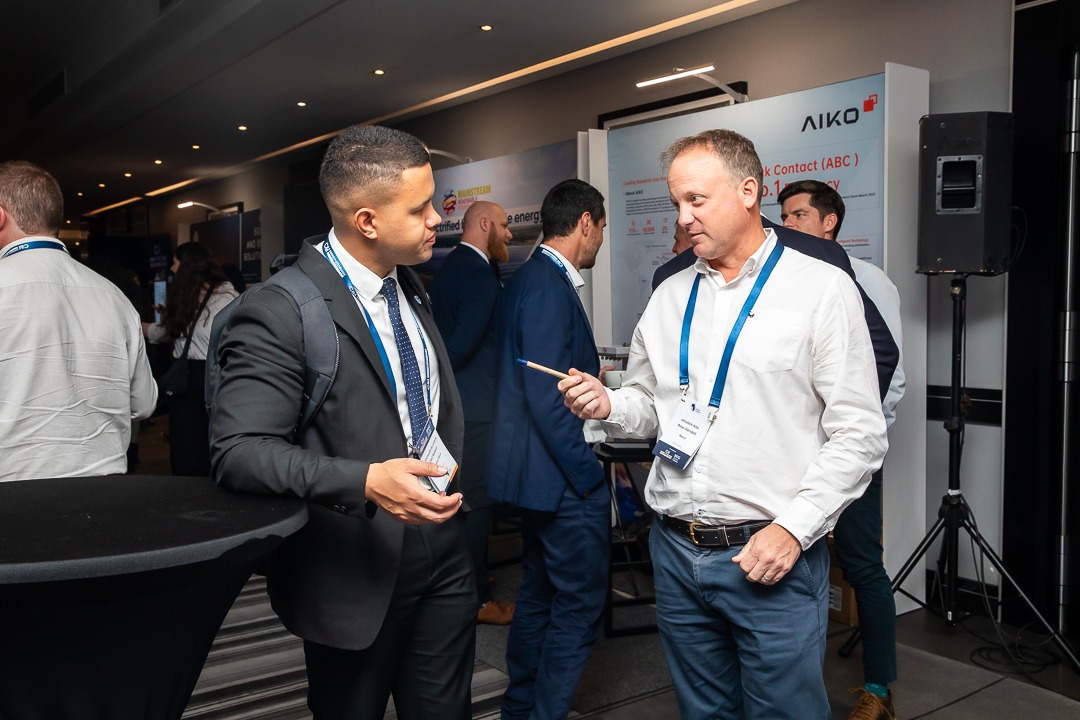
The program will unfold across two exhibition-hall stages, with the Drill Room focusing on practical applications across exploration, gas development, offshore operations and LNG, while the Innovation Hub will examine frontier exploration, energy markets, digital technologies and infrastructure. Together, the sessions connect project-level technologies with the wider investment and development challenges facing Africa’s energy industry.
The day opens with GeoEnergy Petroleum Director Maged Fahim, who will examine how legacy and newly acquired subsurface datasets can be integrated with modern technologies to identify additional upstream opportunities. TGS Principal Exploration Advisor Felicia Winter will then focus on Angola’s deepwater basins, examining how modern seismic acquisition and imaging can be used to reinterpret existing data and evaluate frontier plays.
The discussions come as Angola seeks to build on renewed offshore activity. TotalEnergies announced in September that it plans to invest $10 billion in Angola over the next five years, including in exploration, while advancing its $6 billion Kaminho deepwater development.
Gas development will take center stage through two presentations by TotalEnergies. Alexandre Depiesse, GPI Venus, will address appraisal strategies and commercial viability for Orange Basin discoveries, while Mozambique LNG Operations and Project Director Nicolas Cambefort will examine development and optimisation of the Rovuma Basin gas resources. Mozambique LNG, a 13.1-million-ton-per-year project in Area 1 led by TotalEnergies, resumed activities in January 2026 following the lifting of force majeure, putting development of Mozambique’s major offshore gas resources back into focus.
AEW 2026 reflects the practical challenges facing Africa’s energy industry as projects move from resource potential toward development and production
The Republic of Congo National Showcase will provide another perspective on Africa’s expanding LNG industry. The country’s Congo LNG project reached a new stage in February 2026 with the start of commercial production from its second phase. The addition of the Nguya FLNG unit brought total liquefaction capacity to 3 million tons per year, expanding Congo’s ability to monetize its offshore gas resources.
The program will then broaden from individual projects to the continent-wide investment outlook with the launch of The State of African Energy 2027. AEC Senior Vice President Verner Ayukegba and S&P Global Energy Executive Director Max Pietzsch will present the outlook, covering upstream oil and gas, LNG, downstream markets, power, renewables and critical minerals against changing demand, trade flows and energy security requirements.
Project decision-making will remain under examination as S&P Global Energy Technical Research Analyst Tasnika Goorhoo presents “From Limited Data to Better Decisions: How Benchmarking Strengthens Upstream Project Outcomes.” The session will examine how comparative project data can help operators assess performance, costs and development outcomes.
NOV Vice President Mats Anderson will address offshore optimization through high-speed downhole connectivity and real-time distributed measurements, examining how faster access to downhole information can improve operational visibility and decision-making.
Infrastructure will also feature prominently, with Kenyon International West Africa CEO Victor Ekpenyong examining asset integrity and pipeline infrastructure through the company’s CACTUS and FlexSteel technologies. Honeywell Technologies Africa will close the technology-focused sessions with its end-to-end LNG offering, while SLB, InSwitch, the Petroleum Directorate of Sierra Leone and PETROSEN will bring additional perspectives on technology, digitalization and energy services.
“AEW 2026 reflects the practical challenges facing Africa’s energy industry as projects move from resource potential toward development and production,” said NJ Ayuk, Executive Chairman of the AEC. “From subsurface interpretation and deepwater exploration to LNG development, project benchmarking, digitalization and infrastructure, these technical sessions highlight the expertise and technologies needed to develop Africa’s resources efficiently and create lasting value across the energy value chain.”
AEW 2026 takes place from October 12–16 in Cape Town, bringing together governments, investors, operators and technology providers to discuss investment, project development and the future of Africa’s energy sector.
Distributed by APO Group on behalf of African Energy Chamber.
C&I Energy + Storage Summit Johannesburg to focus on the procurement, cost and investment decisions facing South Africa’s large energy users
JOHANNESBURG, South Africa, September 22, 2026/APO Group/ –The cost of electricity is no longer only an energy issue for South African businesses. It is increasingly a question of competitiveness, investment and long-term operational resilience.
Recent figures show the pressure on large power users. Business Day reported on 7 September that South Africa’s mining and industrial majors paid Eskom R115 billion for electricity in the 2025/26 financial year. According to Eskom’s annual report, industrial electricity demand fell by more than 22% over the same period as high power costs weighed on energy-intensive operations.
At the same time, major businesses are moving to alternative supply. Reuters reported on 26 August that South African mining companies are accelerating investment in renewable energy to cut costs, diversify supply and meet decarbonisation targets.
For commercial and industrial energy users, the question is no longer simply how to secure power. It is how to buy it, what to invest in, and which energy strategy makes the strongest commercial sense.
Energy procurement is becoming more complex
Businesses are now weighing several procurement options at once. Should they sign a long-term PPA? Buy through an electricity trader? Wheel renewable power across the grid? Invest in behind-the-meter generation? Add battery storage? Each option carries different implications for cost, risk, contracting and long-term flexibility.
These decisions will take centre stage at the C&I Energy + Storage Summit Johannesburg, taking place on 28–29 October 2026 at The Maslow Hotel, Sandton. The programme is built around the practical challenges facing energy buyers today, with a focus on real projects, commercial models and implementation rather than technology in isolation.
A programme built around the buyer’s decisions
The summit closes with the C&I Decision Clinic: Ask the Experts, a masterclass where attendees submit real project challenges in advance and receive practical, anonymised responses from experts. Questions on the table include whether to build onsite PV or sign a wheeled PPA, how much battery storage makes commercial sense, what a bankable project preparation pack should contain, and what financiers require before term sheet stage.
It follows The C&I Energy Playbook: Five decisions business leaders need to make now, a closing panel in which the moderators of key summit sessions distil the programme into the priorities C&I businesses should act on.
Other sessions address the questions buyers are asking now:
Energy storage beyond backup power: unlocking commercial value examines peak shaving, demand charge management, energy arbitrage and hybrid PV-plus-storage business models, along with the operational realities of dispatch, degradation and warranties.
Making public-private engagement work for you unpacks how wheeling agreements are structured in practice, where interface risks arise, and how businesses can engage utilities and municipalities early.
Reducing energy costs without building new generation is a case-study-led workshop on energy efficiency, operational optimisation, demand response and digital energy management.
Projects Spotlight gives energy users the floor to share the strategies they have implemented, the lessons learned and the outcomes achieved.
The programme opens with the keynote panel Threats and opportunities in South Africa’s industrial future, bringing together policymakers, industrial leaders, financiers, and energy and water experts.
Bringing energy buyers into the conversation
The summit’s Hosted Buyer Programme is designed for qualified end-user energy buyers across sectors including mining, manufacturing, property, agriculture and other energy-intensive industries. Hosted buyers take part in the full programme and receive curated engagement with solution providers across energy procurement, storage deployment and project development.
Four events, one venue
The summit is co-located with the EIUG Conference, Water Security Africa and the Data Centre Summit, bringing the energy, water and digital infrastructure communities together in Sandton. It is brought to you by Enlit Africa, with ESI Africa as host media, and is accredited by the SAIEE.
Qualified commercial and industrial energy users can apply for the Hosted Buyer Programme at https://apo-opa.co/4yPnXOg, and bring their project questions to the Decision Clinic.
From project ownership and verification to pricing and benefit-sharing, CMAS 2026 will bring African market leaders and global decision-makers together to examine who creates and captures value
KIGALI, Rwanda, September 22, 2026/APO Group/ –A carbon credit may be traded as a single unit, but its value is shaped long before it reaches a buyer. Decisions about project ownership, finance, data, verification and benefit-sharing determine who participates, who carries the risk and who ultimately benefits. As new regulations and international partnerships expand market access, these questions are becoming increasingly important across Africa.
They will be central to the Carbon Markets Africa Summit (CMAS) 2026, taking place from 13 to 15 October at the Kigali Convention Centre in Rwanda. The summit will convene African governments, project developers, investors, buyers and technical experts involved in decisions across the carbon-market value chain.
Countries are approaching these decisions from different regulatory, economic and environmental positions. While recent developments in East Africa demonstrate growing market activity, questions concerning international requirements, technical capacity, investment and benefit-sharing are relevant across Africa.
Ousmane Fall SARR, Coordinator of the West African Alliance on Carbon Markets and Climate Finance, says:
“African countries are developing carbon markets from different starting points. Stronger African expertise and regional cooperation will be important if the continent is to contribute to the standards and market practices that determine how its projects compete, attract investment and create value.”
Against this continental backdrop, East Africa provides a timely example of how the market is developing. In January 2026, Rwanda and Singapore invited applications for carbon-credit projects under their bilateral Implementation Agreement, aligned with Article 6 of the Paris Agreement. Credits from authorised projects may be used by eligible Singapore-based carbon tax-liable companies to offset up to 5% of their taxable emissions, subject to both governments’ requirements.
African countries are developing carbon markets from different starting points
Across the continent, carbon market frameworks are rapidly taking shape. Kenya and Uganda are strengthening regulatory oversight, regional partnerships are helping governments build market capacity and infrastructure, and South Africa is advancing reforms to modernise its carbon-credit ecosystem and attract investment. Together, these developments are bringing greater focus to questions of authorisation, project ownership, verification, pricing and access to international buyers, while also raising expectations that carbon finance should deliver sustainable economic and development value beyond the credit itself.
Emmanuelle Nicholls, Portfolio Director for CMAS, says:
“A carbon credit may be the final product, but behind it are decisions about ownership, data, risk, pricing and who ultimately benefits. The conversations in Kigali will examine what credible participation looks like across the full carbon-market value chain.”
These decisions have consequences beyond individual transactions. Carbon finance is increasingly connected to conservation, agriculture, soil restoration, food security, clean energy and waste management. Its success will therefore also be judged by whether projects produce credible environmental outcomes and lasting benefits for African economies and communities.
A practical example comes from the Chinko Conservation Area in the Central African Republic, where revenue from the Chinko Carbon Project is channelled through a community fund that supports locally selected initiatives, including the expansion of a medical centre in Agoumar. At CMAS 2026, African Parks and Welthungerhilfe, both Bronze Sponsors, will share perspectives on how carbon finance can support conservation, climate resilience, food systems and community development, while highlighting broader questions around project governance, impact and the distribution of value.
From project-level impact to market-wide structures, these questions will underpin discussions at CMAS 2026. The programme will address government authorisation, buyer requirements, pricing and offtake, investment risk, early-stage finance, registries and African measurement, reporting and verification capacity. It will connect the question of who sets the terms with the practical requirements for building credible, investment-ready projects and transactions.
CMAS 2026 is hosted by the Ministry of Environment of Rwanda, with UNDP and the African Development Bank as host organisations, the Development Bank of Southern Africa as host partner and AUDA-NEPAD as strategic institutional partner.
Taking place ahead of COP31, CMAS will focus attention on the decisions behind every carbon credit and what they mean for African governments, projects, investors and communities.
We use cookies on our website to give you the most relevant experience by remembering your preferences and repeat visits. By clicking “Accept”, you consent to the use of ALL the cookies.
This website uses cookies to improve your experience while you navigate through the website. Out of these, the cookies that are categorized as necessary are stored on your browser as they are essential for the working of basic functionalities of the website. We also use third-party cookies that help us analyze and understand how you use this website. These cookies will be stored in your browser only with your consent. You also have the option to opt-out of these cookies. But opting out of some of these cookies may affect your browsing experience.
Necessary cookies are absolutely essential for the website to function properly. These cookies ensure basic functionalities and security features of the website, anonymously.
Cookie
Duration
Description
cookielawinfo-checkbox-analytics
11 months
This cookie is set by GDPR Cookie Consent plugin. The cookie is used to store the user consent for the cookies in the category "Analytics".
cookielawinfo-checkbox-functional
11 months
The cookie is set by GDPR cookie consent to record the user consent for the cookies in the category "Functional".
cookielawinfo-checkbox-necessary
11 months
This cookie is set by GDPR Cookie Consent plugin. The cookies is used to store the user consent for the cookies in the category "Necessary".
cookielawinfo-checkbox-others
11 months
This cookie is set by GDPR Cookie Consent plugin. The cookie is used to store the user consent for the cookies in the category "Other.
cookielawinfo-checkbox-performance
11 months
This cookie is set by GDPR Cookie Consent plugin. The cookie is used to store the user consent for the cookies in the category "Performance".
viewed_cookie_policy
11 months
The cookie is set by the GDPR Cookie Consent plugin and is used to store whether or not user has consented to the use of cookies. It does not store any personal data.
Functional cookies help to perform certain functionalities like sharing the content of the website on social media platforms, collect feedbacks, and other third-party features.
Performance cookies are used to understand and analyze the key performance indexes of the website which helps in delivering a better user experience for the visitors.
Analytical cookies are used to understand how visitors interact with the website. These cookies help provide information on metrics the number of visitors, bounce rate, traffic source, etc.
Advertisement cookies are used to provide visitors with relevant ads and marketing campaigns. These cookies track visitors across websites and collect information to provide customized ads.