



Business
Kulture Wave Beauty by Cardi B Joins Fight Against Skin Bleaching in Africa

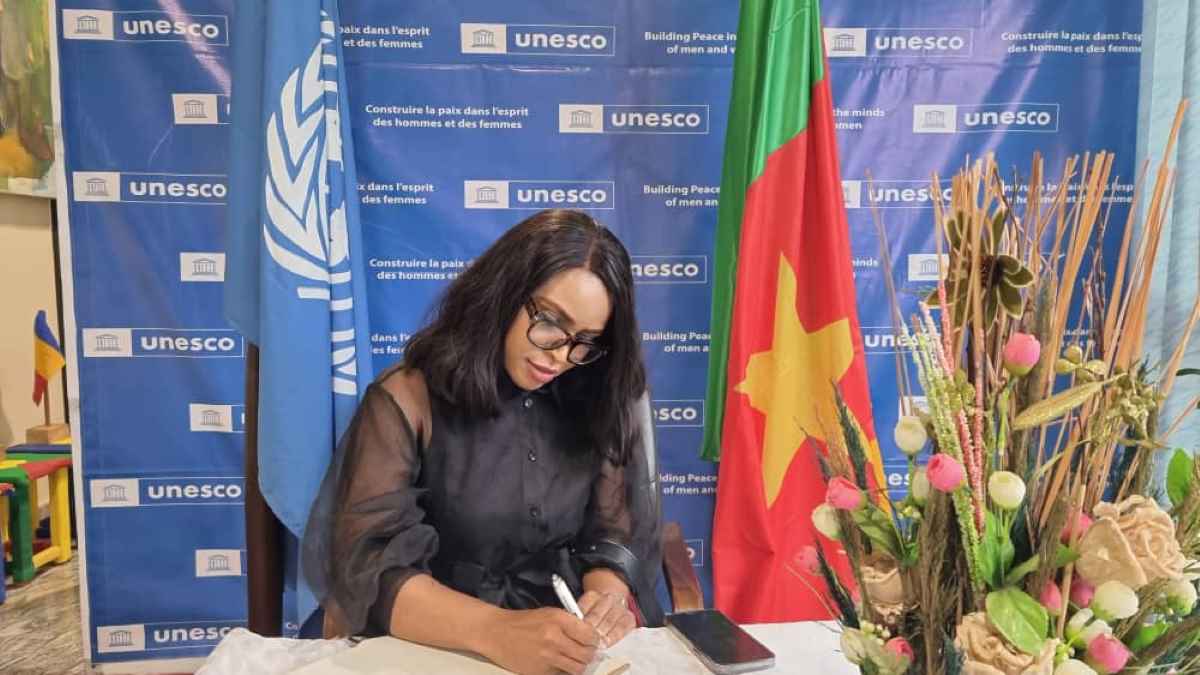
In collaboration with UNESCO, Cardi B’s Skincare brand is set to mitigate the devastating effects of trends in skin bleaching in the tropical regions of Africa
LOS ANGELES, California, March 8, 2023/APO Group/ —
Kulture Wave Beauty by Cardi B, a leading beauty brand, announced today its commitment to fighting against the practice of skin bleaching in Africa. Skin bleaching, also known as skin lightening or whitening, is a dangerous trend that has become prevalent in many African countries, where it is associated with beauty and social status.
Are you tired of seeing harmful skin-bleaching products advertised and promoted to achieve “beauty” in Africa? The popular rapper has recently announced the projected launch of her own line of skincare products that are designed to celebrate melanin-rich skin and discourage people from using dangerous chemicals on their bodies. In this article, we’ll dive deeper into why Cardi B’s brand is such a game-changer for African beauty standards and how it can help steer the conversation away from harmful beauty practices.

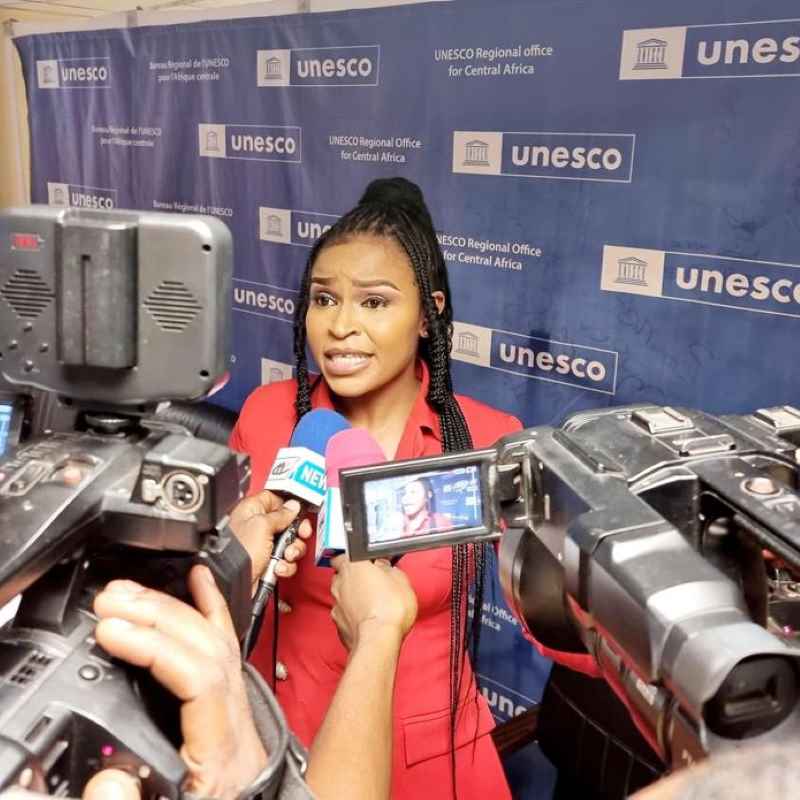
Kulture Wave Beauty by Cardi B believes that all skin colors are beautiful and aims to promote self-love and confidence through its products. The brand’s decision to act against skin bleaching in Africa is part of its larger mission to empower women and promote positive body image. By joining forces with UNESCO alongside Rwanda’s president Paul Kagame. The country has enforced a ban on skin-lightening products with the president stating “these practices are quite unhealthy among other things. Includes use of prohibited chemicals.”
While other administrations such as Ghana followed suit on Rwanda’s efforts the country too has issued its own ban on skin-lightening products. The acting chief executive of the authority, Mimi Darko said “Ghana has banned these types of products, there will be no importing of such harsh and damaging products to this country.”
It is no secret that skin bleaching is a big problem in Africa. According to a recent report by the World Health Organization, an estimated 77% of women in Nigeria use skin-lightening products. This number is even higher in other countries like Togo (88%), South Africa (80%), and Senegal (59%).
“I’m proud to be part of a brand that stands for inclusivity and celebrates diversity. Skin bleaching is a harmful practice that perpetuates unrealistic beauty standards and can have severe health consequences,” said Cardi B, CEO of Kulture Wave Beauty. “We want to help women embrace their natural beauty and feel confident in their own skin.”
Why Kulture Wave Beauty is different.
Cardi B’s skincare brand, Kulture Wave Beauty, is partnering with UNESCO to help mitigate the devastating effects of skin bleaching in tropical regions of Africa. Skin bleaching is a dangerous and harmful practice that can lead to serious health problems, including cancer. Kulture Wave Beauty’s line of natural and safe skincare products will help to combat the harmful effects of skin bleaching and promote healthy skin practices in Africa. This partnership is an important step in raising awareness about the dangers of skin bleaching and promoting healthy skin care habits in Africa.
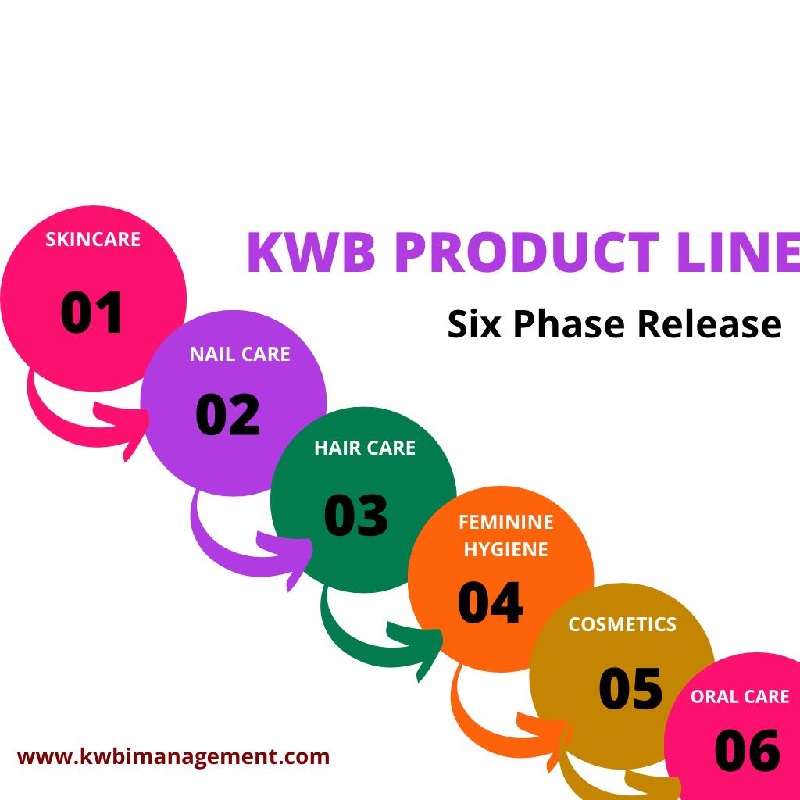
Kulture Wave Beauty is a beauty brand founded in partnership with the Grammy-winning artist Cardi B and KWBI Management, LLC. The brand offers a range of high-quality six-phase skincare product line that is designed to celebrate diversity and promote self-love.
Cardi B has launched her beauty line and is using it to combat the harmful practice of skin bleaching in Africa through a partnership with Delight Cosmeceutical Labs (https://apo-opa.info/3mCVkUB), which formulates the products for the skincare brand. The lab’s leading esthetician, Edith F. Gibson, has a 5-year contract to work with the UNESCO field office in Yaoundé, Cameroon, to combat the practice of skin bleaching.
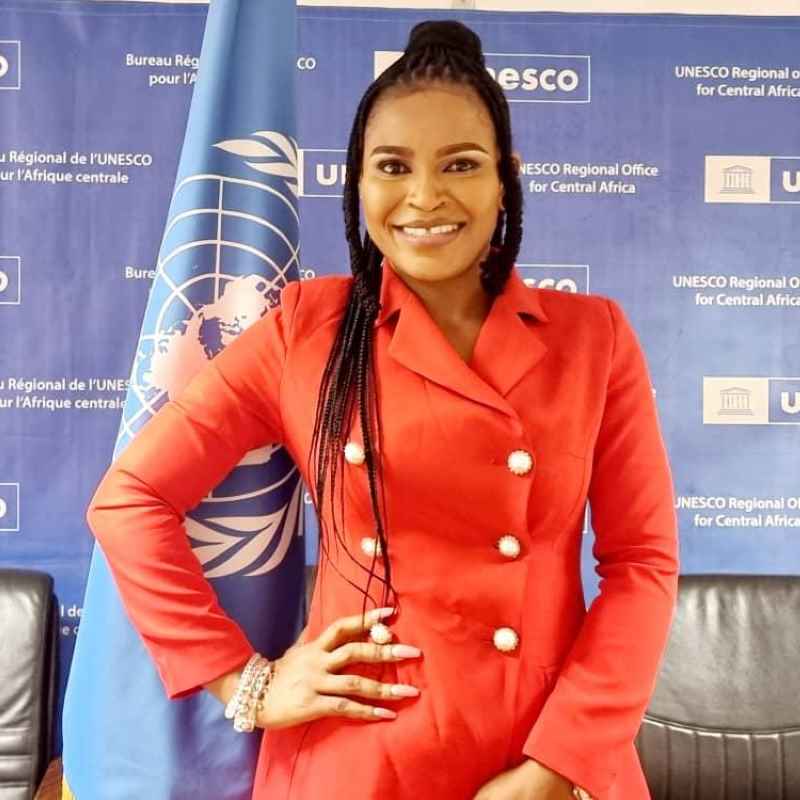
Kulture Wave Beauty by Cardi B believes that all skin colors are beautiful and aims to promote self-love and confidence through its products
The line, called Kulture Wave Beauty, includes a range of products designed to nourish and protect the skin. The products are made with patented scientific technology and natural ingredients which are free from harmful chemicals.
Cardi B is committed to helping women of all colors feel beautiful in their own skin. She hopes that by offering a quality alternative to skin bleaching products, she can help put an end to the dangerous practice.
Kulture Wave Beauty will be available online, and in-store and will be expanding to stores across Africa in the near future. The line is set to be released in Six separate phases.
UNESCO Partnership Objective:
The problem with skin lightening in Africa is that there are several reasons why women bleach their skin. Many believe that it will make them more attractive to men, while others think it will help them get ahead in life. Some simply want to fit in with society’s standards of beauty. Whatever the reason, the fact remains that skin bleaching is extremely harmful to your health.
Bleaching agents contain toxic chemicals that can damage your skin and lead to several health problems. These include liver damage, kidney failure, cancer, and even death. In addition, bleaching your skin makes you more susceptible to sun damage and can cause premature aging.
“We believe that by working together, we can create a world where all women feel empowered and beautiful, regardless of their skin color,” said Cedric Yengo the Chairman for KWBI Management (www.KWBIManagement.com). “We hope that our commitment to this cause will inspire others to join the fight against skin bleaching in Africa.”
If you’re considering bleaching your skin, we urge you to think twice about it. There are plenty of other ways to achieve the look you desire without risking your health in the process. This partnership is set to achieve the following.
1. To initiate the creation of networking systems to mitigate the devastating effects of trends in skin bleaching in the tropical regions of Africa.
2. To expose scientific technology and a better approach to tropical skincare for stakeholders in the field while reiterating the need for further research and training of more professionals.
3. To raise awareness of the wealth of biodiversity of tropical regions of Africa and its potential to benefit local communities in and around biospheres.
Kulture Wave Beauty by Cardi B is an inspiring initiative and a huge step forward toward fighting skin bleaching in Africa. The fact that such influential public figures like Cardi B are taking a stand against this issue sends out a powerful message of hope to people all over the world. Kulture Wave Beauty also serves as a reminder that we need to respect each other’s differences and embrace our uniqueness, no matter what it may be. It’s important for us to keep talking about this issue so that more people can become aware of its consequences, for only then will the real change begin to happen.
For more information about Kulture Wave Beauty by Cardi B and its commitment to fighting against skin bleaching in Africa, please visit the brand’s website at www.KWBIManagement.com

Distributed by APO Group on behalf of KWBI Management,LLC..













Business
Creative Africa Nexus (CANEX) WKND 2026 opens in Lagos, bringing together leading African and diaspora creatives, investors and policymakers

Business
Coca-Cola system invests USD 1.22 million to strengthen water security in Namibia

Business
‘Power, Protect, Purchase’: Africa Made It unveils blueprint to capture USD 34B in GDP and accelerate African industrial sovereignty

Africa Practice research shows that Africa exports up to 98% of its raw cotton overseas and captures only 2% of its total value while incurring a USD 35 billion annual trade deficit
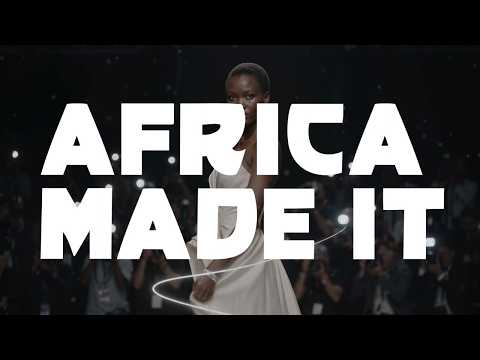

African culture, design, and storytelling influence global fashion, music, and media like never before
Africa Made It is driven by a consortium of leading pan-African organisations, advocacy groups, and media organisations who are positioning Africa as a global investment hub. Its flagship campaign, spotlighting the fibre-to-fashion value chain, presents a clear roadmap for continental industrialisation: securing competitive energy power for local industrial mills, enacting policy measures to protect emerging domestic manufacturers from unfair foreign imports, and rallying African consumers to purchase locally manufactured apparel. Together, these three pillars ensure that value created from African resources remains on African soil.
Africa Practice research shows that Africa exports up to 98% of its raw cotton overseas and captures only 2% of its total value while incurring a USD 35 billion annual trade deficit. Building the continent’s domestic processing capacity in spinning, weaving, and sewing locally produced cotton will sustain nearly two million permanent industrial jobs and inject approximately USD 33 billion directly into domestic household incomes every year, in addition to a recurring contribution of USD 34 billion to the continent’s GDP.
While these figures reveal the immense macro-economic potential of the value chain, the true heart of this transformation lies in its human impact. Industrial wages and local lint purchases leading to increased capital circulation in rural communities can drive community micro-economic vitality and contribute to rural poverty reduction. Additionally, formal employment opportunities can expand drastically for women, as they currently make up between 70-90% of garment factory workers on the continent.
Realising this vision and changing the lives of millions of people requires a deliberate combination of targeted investments, supportive trade policies, and consumer mobilisation. A USD 1.8 billion capital allocation toward critical structural enablers for garment transformation is the foundation for bridging Africa’s missing middle in the fibre-to-fashion value chain.
Marie Wilke, editor-in-chief of the Africa Made It magazine, said, “African culture, design, and storytelling influence global fashion, music, and media like never before. Yet, without domestic manufacturing infrastructure, Africa’s creative authority yields very little economic return. Linking raw cotton harvest directly to local processing ensures that the intellectual property, commercial margins, and industrial jobs remain on the continent. It is time to wear our power.”
To learn more about the potential of Africa’s fibre to fashion value chain, watch the campaign video (https://apo-opa.co/4BKAIvY) or read the Africa Made it (https://apo-opa.co/4zvA5VF)magazine (https://apo-opa.co/4zvA5VF). Access the campaign website and resources in English (https://apo-opa.co/4zvA5VF) and French (https://apo-opa.co/4zrK8e2).
Distributed by APO Group on behalf of Africa Made It.
-
 Business4 days ago
Afreximbank supports Veenocks’ US$145 million project for industrial expansion and regional growth
-
 Business5 days ago
Visa and Senegal join forces to accelerate digital transformation and the development of digital payments
-
Business5 days ago
Afreximbank Country Brief Explores Gabon’s Reform Momentum and Diversification Drive
-
 Business4 days ago
5 Investment Opportunities Putting Congo Energy & Investment Forum (CEIF) 2027 on the Map for Central Africa
-

 Business5 days ago
Oando Production Hits 42,985 boepd as Revenue Grows 9% in 9M 2026
-

 Energy4 days ago
Energy costs, storage value and industrial competitiveness led Day 2 of C&I Energy + Storage Summit
-

 Business4 days ago
Smarter power systems bring new demands for integration, security and infrastructure
-
Business5 days ago
Afreximbank Country Brief Charts Côte d’Ivoire’s Rise as a Regional Growth Leader in West Africa