



Business
With Governmental Ancestral Offerings, Reconnek App Connects Those Affected by Transatlantic Slave Trade Back to Africa

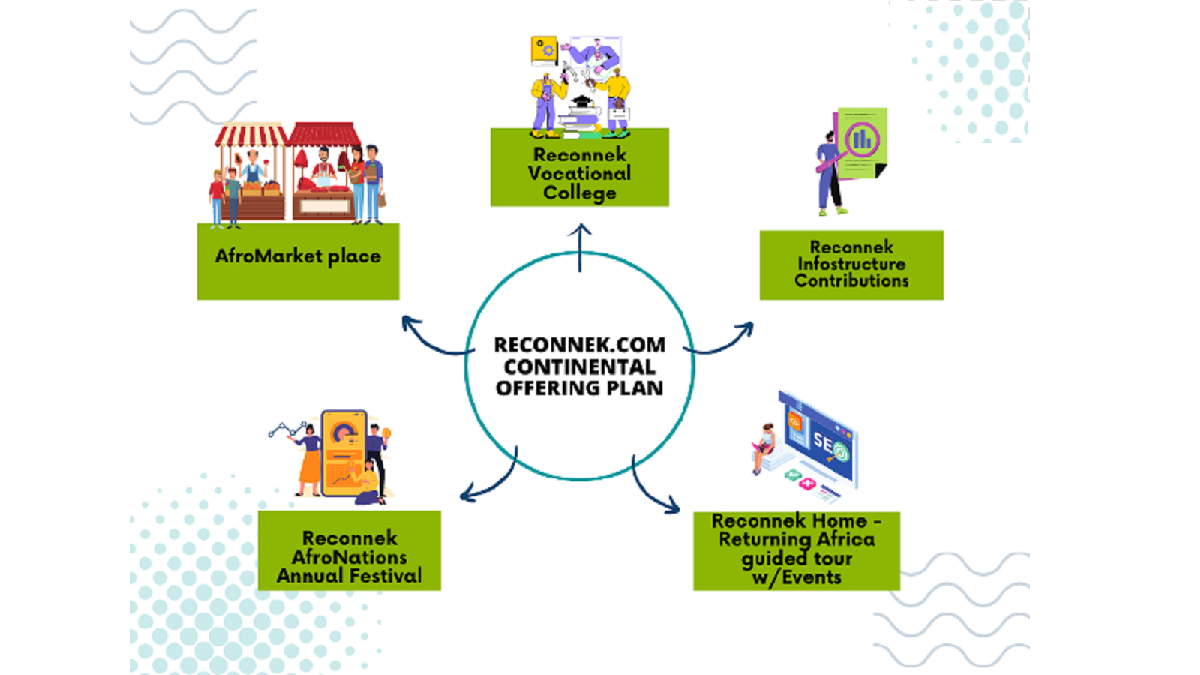
The Reconnek App is connecting those of African descent in the Diaspora back to the Motherland
LAS VEGAS, United States of America, March 8, 2023/APO Group/ —
Reconnek, a new mobile app owned and published by tech giant NW Tech Capital, Inc. (OTC: NWTT) (www.NWTCapital.com) announced today its partnership with various governmental institutions on the continent of Africa to connect those affected by the transatlantic slave trade back to the motherland. Through ancestral offerings, the app provides a unique opportunity for individuals to discover and explore their roots and reconnect with their ancestors. The app is set to launch its DNA testing feature on April 26th, 2023. Genetic ancestral DNA testing will be provided by Roundtable Diagnostics (www.AamaniHealthcare.com), which will supply the app with DNA testing kits for Autosomal analysis, connecting the population group contributing to the ethnic mix of users in the diaspora.
Are you an African descendant living in the Diaspora? Do you feel disconnected from your roots and long for a deeper connection to your heritage? You’re not alone. Millions of people around the world are searching for ways to reconnect with their African culture and history. The Reconnek app (www.Reconnek.com) will explore how it can bridge the gap between Africa and its descendants in the Diaspora, allowing users to rediscover their shared past, present, and future. Join us as we embark on a journey of reconnection that will change lives forever!
The Reconnek app is an application offered in the Google Play store as well as the Apple App store. Reconnek is a place for people born in foreign communities to find each other in their new home city for tips, dates, jobs, and more. While also bridging the ancestral gap for those affected by the Transatlantic Slave trade back to their roots.
Reconnek Home Festival in Nigeria
Reconnek’s partnership with governmental institutions aims to support the repatriation efforts of those affected by the transatlantic slave trade. Through the app, users can access information about their ancestry, including family history, migration routes, and cultural traditions. They can also connect with local communities and participate in cultural events and ceremonies. The objective is to reinforce the actions and measures securing the full enjoyment of economic, social, cultural, civil, and political rights of people of African Descent, and their full and equal participation in society.
The Reconnek App is a new tool that is helping to connect African descendants in the diaspora back to the Motherland. The app was created by two young entrepreneurs, who are of African descent. The app is still in its early stages, but it has already been used by thousands of people to reconnect with their roots.
The Reconnek App is based on the premise that many African descendants in the diaspora do not know where their ancestors came from. This is because the transatlantic slave trade tore families apart and erased much of Africa’s history. The app allows users to input their ancestor’s name and country of origin and then uses data from ships’ manifests and other historical records to try to match them up with an ancestor who was taken from Africa during the slave trade.
So far, the Reconnek App has been successful in connecting hundreds of people with their African ancestors. It is hoped that as more people use the app, it will help to close the gap between the diaspora and Africa and shed light on the hidden history of the transatlantic slave trade.
The efforts of the Nigerian Tourism Development Corporation (NTDC) an agency of the Nigerian state, and specifically the Ministry of Culture, Tourism, and National Orientation, are responsible for the overall development of the country’s tourism. NW Tech Capital, Inc. hopes that with the new incoming administration Presidential elect Tinubu will honor previous working efforts to bring jobs to the youth and connect those in the diaspora.
We are excited to partner with governmental institutions to offer this unique opportunity for people to reconnect with their ancestral roots and discover their identity

“We are excited to partner with governmental institutions to offer this unique opportunity for people to reconnect with their ancestral roots and discover their identity,” said Cedric Yengo Founder of Reconnek. “Our app is designed to be accessible to everyone, regardless of their location, and we are committed to ensuring that everyone has the opportunity to explore their heritage.”
The app’s features include a DNA ancestry test, which provides users with a breakdown of their genetic ethnicity, and a virtual reality experience that allows users to explore historical sites and cultural landmarks. The app also includes a community forum where users can connect with others and share their experiences.
Why the reconnection of one’s roots is important
There are many reasons why African diasporic peoples need to reconnect with their African roots. For one, it helps us to remember our history and where we come from. It also allows us to tap into a rich cultural heritage that can be used to enrich our lives today. Additionally, reconnecting with our African roots can help us to better understand the experiences of our ancestors and how they were able to overcome adversity. Finally, reconnecting with our African roots can help us to create a stronger sense of community and solidarity among people of African descent.
“Our partnership with Reconnek represents an important step in the ongoing efforts to address the legacy of the transatlantic slave trade,” said Folorunsho Coker the Director General of the Nigeria Tourism Development Corporation (https://apo-opa.info/3SV4ubr) “We believe that this initiative will help to foster greater understanding and empathy between different communities and contribute to a more inclusive and equitable future.”
Many challenges come with reconnecting with our African roots. For one, we may not have any connection to our African heritage. We may be the product of generations of diaspora, and our only connection to Africa may be through the histories and cultures that have been passed down to us. This can make it difficult to connect with our African roots on a personal level. Additionally, there may be language barriers that make it difficult to communicate with our African brothers and sisters. And finally, we may not have access to the resources that would help us reconnect with our African roots. But despite all these challenges, reconnecting with our African roots is important to work that must be done to heal the wounds of the past and build a better future for all Africans. There are many ways to reconnect with our African roots. One way is to learn about our history. This can be done by researching our ancestors, reading books about African history, and watching films that portray African culture. Another way to reconnect with our roots is to visit Africa. This can be done by taking a trip to the continent, attending an African cultural event, or meeting people of African descent who live in Africa. Finally, we can reconnect with our roots by celebrating our African heritage. This can include cooking traditional foods, listening to African music, and participating in traditional ceremonies and celebrations.
There are many benefits to reconnecting with our African roots. For one, it can help us to understand our history and where we come from. It can also give us a sense of pride and belonging and help us to connect with our culture. Additionally, it can help us to better understand our place in the world and how we can contribute to making it a better place for all.
“We are proud to partner with Reconnek in providing DNA testing kits for Autosomal analysis to those of African descent in the diaspora. Our mission has always been to provide accurate and reliable genetic testing services, and we are thrilled to contribute to this initiative to help individuals connect with their ancestral roots. We believe that this partnership will pave the way for greater understanding and inclusivity in our global community, and we look forward to the positive impact it will have.” – Kristin Oloso Chairperson of Roundtable Diagnostics.
Reconnek is now available for download on the App Store and Google Play. For more information about Reconnek and its partnership with governmental institutions, please visit the app’s website at (www.Reconnek.com).
Distributed by APO Group on behalf of NW Tech Capital Inc..















Business
Enlit Africa seeks contributions that move the conversation from strategy to execution: ensuring a Future Fit Africa

Business
CEM Africa Awards 2026 set to recognise Africa’s leading Customer Experience (CX) talent and innovation
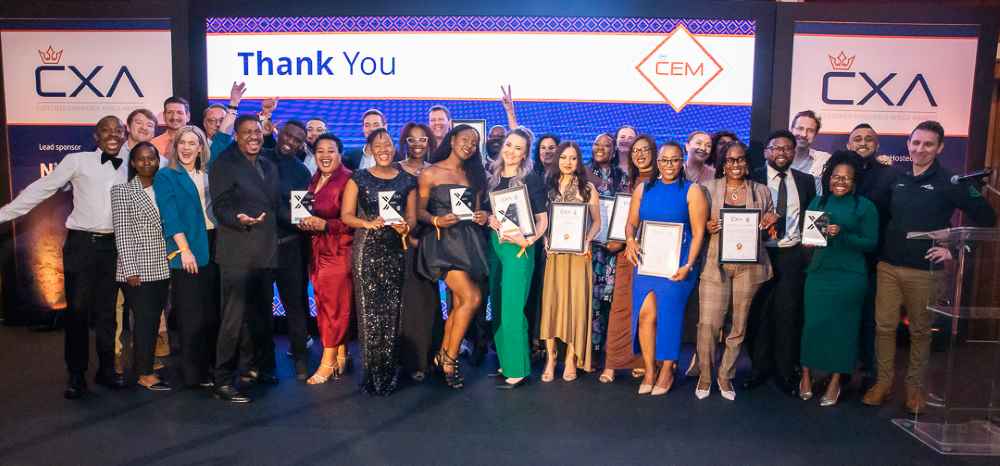
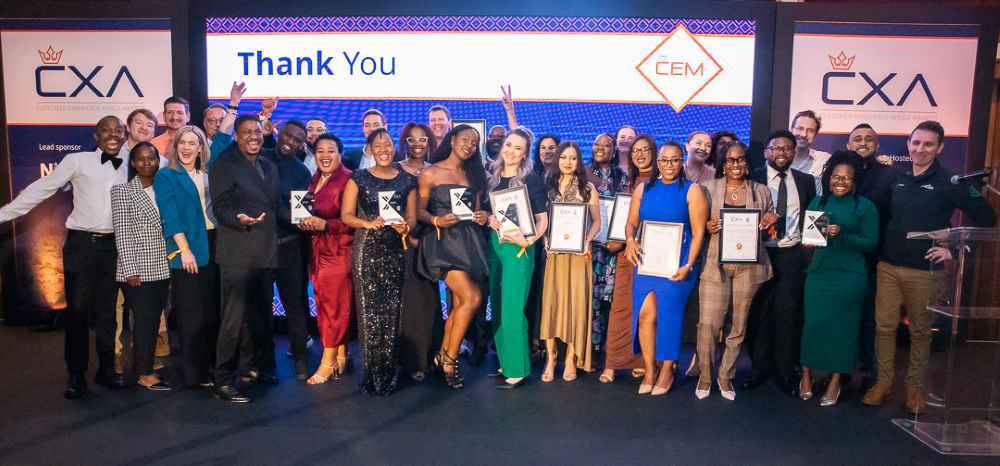
The 2025 awards attracted more than 80 entries and 31 finalists, culminating in eight award winners

The calibre of organisations and individuals recognised through the CEM Africa Awards demonstrates just how much extraordinary CX work is being done across the continent
JOHANNESBURG, South Africa, September 25, 2026/APO Group/ –Customer experience professionals, teams and organisations across Africa have just days remaining to enter the 2026 CEM Africa Awards, with free applications closing on 30 September 2026.
Taking place on 10 November 2026 at the NH Hotel in Sandton, Johannesburg, the Customer Experience Africa Awards form part of the CEM Africa platform and recognise the individuals, teams, technologies and initiatives raising the standard of customer experience across the continent.
For organisations considering whether to enter, the company they could be keeping provides a compelling indication of the calibre of the awards.
A growing roll call of African CX leaders
The 2025 awards attracted more than 80 entries and 31 finalists, culminating in eight award winners. Finalists represented organisations spanning financial services, technology, telecommunications, retail, insurance, public services and social impact.
Among them were Absa, Capitec Bank, Santam, Telesure Investment Holdings, Equity Bank, Takealot.com, NTT DATA, Frogfoot, Telviva, Harambee Youth Employment Accelerator, the University of Pretoria and South Africa’s Department of Social Development.
The 2025 winners included Serisha Iyer of Absa Corporate and Investment Banking, named Rising Star in CX; Alma Angela Olela of Jubilee Health Insurance, named CX Leader of the Year; and Franco Cotumaccio of Shadow Global, winner of Breaking Barriers in CX.
Corporate winners included Telesure Investment Holdings for Best Overall CX Solution, Krisp for Best Use of AI, Telviva for Best Enterprise Contact Centre Platform, Harambee Youth Employment Accelerator for Best Customer Experience Team of the Year and the University of Pretoria for Best Citizen Experience Initiative.
That follows a 2024 edition in which winners included NCBA Bank, MultiChoice, Digital Solutions Group, Absa Bank and Telviva, alongside individual CX leaders from across the continent.
More than a trophy
For entrants, recognition through the CEM Africa Awards puts their work in front of a wider African CX community and an independent judging panel drawn from across the industry.
The 2026 judging panel includes global CX specialist Ian Golding; Andrew (Dré) Enebeli, Head of CX & Engagement at Access Bank; Dr Oliver Museka, President and Founder of IRDM College Eswatini; Jonathan Daniels, Managing Director of CX Centric; Joven Pillay, Partner and Head of Customer Consulting at KPMG; and Qaalfa Dibeehi, Managing Partner at Human2Outcome.
This year’s awards recognise excellence across four broad pillars – People, Innovation, Transformation and Government – covering categories including CX Leader of the Year, Rising Star in CX, Breaking Barriers in CX, Best Overall CX Solution, Best Use of AI, Best Enterprise Contact Centre Platform, Best Customer Experience Team of the Year, Best Digital Transformation in Public Services and Best Citizen Experience Initiative.
“The calibre of organisations and individuals recognised through the CEM Africa Awards demonstrates just how much extraordinary CX work is being done across the continent. These awards give that work a platform. Whether it is a major transformation programme, an innovative use of technology or an individual changing how their organisation thinks about the customer, we want to make sure Africa’s best work is being seen and recognised.”
- Briteny Price, Event Manager and CEM Africa Awards Director
Final opportunity to enter
Applications for the 2026 CEM Africa Awards are free and remain open until 30 September 2026. Finalists will be announced in October, ahead of the awards ceremony on 10 November at the NH Hotel, Sandton.
Organisations, teams and individuals working to improve customer and citizen experience across Africa are encouraged to submit their entries before the deadline.
Apply for the CEM Africa Awards 2026 by 30 September 2026
Submit your application (https://apo-opa.co/4hdcimx)
Explore the CEM Africa Awards
Visit the CEM Africa Awards website (https://apo-opa.co/4iNXzzM)
Distributed by APO Group on behalf of VUKA Group.
Business
Emirates to bring the A350 to Nairobi, introducing next-generation cabin experiences


-

 Business4 days ago
Afreximbank, Ghana Infrastructure Investment Fund (GIIF) and Ghana’s 24-Hour Economy Authority launch project preparation partnership to accelerate 24H+ projects
-

 Events4 days ago
Huawei Cloud Rolls Out Enterprise AI Products Across the Board, Building an Open Agentic Cloud
-

 Energy4 days ago
Deals, Drilling and New Entrants Define Angola Oil & Gas 2026
-
 Business4 days ago
Hong Kong sets out strategies to enhance the appeal and add value to the city’s tourism industry
-

 Business4 days ago
Former DAMAC Senior Vice President Paulo J. Cruz Appointed Founding CEO of African Collaboration Group (ACG) to Spearhead Sports and Entertainment District Development Across Africa
-

 Business3 days ago
Frasers Hospitality unveils Fraser Suites Reserve, a new luxury serviced living brand
-

 Energy3 days ago
Building a Knowledge Hub for China-ASEAN Energy Cooperation
-

 Business4 days ago
Hong Kong sets out initiatives to secure long-term development of pillar industries