



Business
NJ Ayuk Releases ‘A Just Transition: Making Energy Poverty History with an Energy Mix’

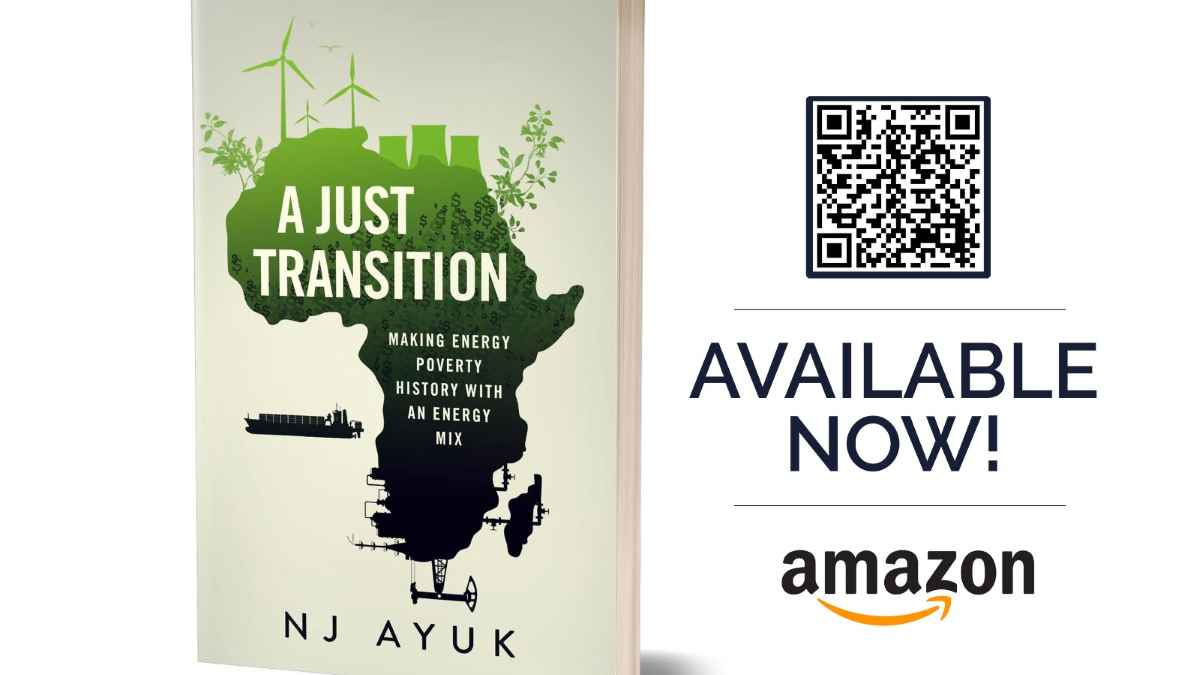
Representing the third publication released by the best-selling author, the book sheds light on the sobering reality that is unfolding in Africa’s energy sector
JOHANNESBURG, South Africa, March 8, 2023/APO Group/ —
Entrepreneur, attorney and best-selling author NJ Ayuk has officially released his most recent book, titled ‘A Just Transition: Making Energy Poverty History with an Energy Mix.’ The book is now available to purchase on Amazon!
Following years of diligent research and in-depth analysis, the book sheds light on the sobering reality that is unfolding as the International Energy Agency’s (IEA) ambitious green energy policies continue to stifle and cripple energy economies across Africa.
While the rest of the world is faced with one, momentous crisis: climate change, Africa is faced with two: climate change and energy poverty. In pursuit of addressing the impacts caused by the climate crisis, world leaders have put in place the Paris Agreement, designed to keep global temperatures from rising in the long-term through the immediate transition to renewable energies. As the continent which faces the harshest impacts of the climate crisis, the immediate transition will result in Africa lacking the chance to develop, providing the over 600 million people currently without access to electricity with reliable energy, while at the same time standing to bear a disproportionate share of the consequences of climate change. Simply put, this immediate transition called for with the Paris Agreement will have devastating impacts on Africa.

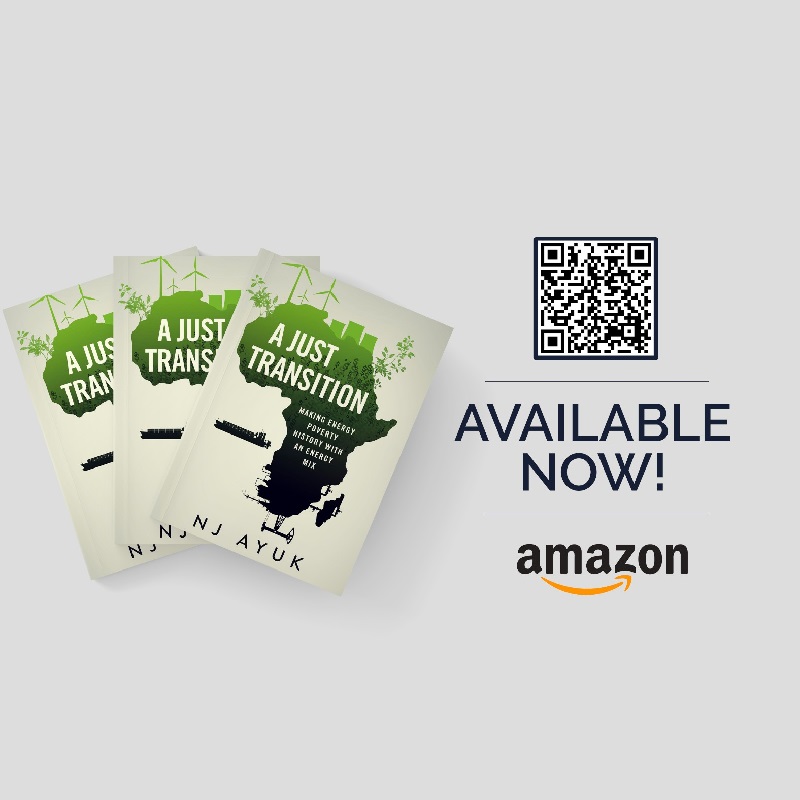
The book investigates the best way forward for transitioning to a cleaner energy future while prioritizing Africa’s socioeconomic prosperity
Against this backdrop, the book’s overall objective is to answer a series of important questions. Firstly, Africa bears a disproportionate share of not only the anticipated future problems of climate change, but the present-day, here-and-now problem of energy poverty. So, what should we do? Should we prioritize the goal of preventing climate change over the goal of addressing energy poverty? Or should we focus on ways to deliver power to the hundreds of millions of Africans who currently lack access to electricity? Obviously, we should try to achieve both objectives. Both are important. But how do we do this? And which should come first?
The book investigates the best way forward for transitioning to a cleaner energy future while prioritizing Africa’s socioeconomic prosperity. The answer put forward by the IEA being that renewables are the solution to Africa’s energy poverty. However, as the book details, this is simply not true. Renewable technologies cost more than most African countries can bear to pay, and while the global community has offered to help the continent make the transition, international pledges have consistently fallen short, with Africa and other developing regions still waiting to receive the assistance they were promised.
Ayuk posits Africa can approach the energy transition in its own way. In his pursuit for an answer to the aforementioned questions, Ayuk considers the role natural gas will play in achieving dual objectives of energy transition and economic prosperity in Africa. By looking at the quantities of gas in Africa, Ayuk makes a strong case for utilization of this fuel, with details given into its role in other economies, opportunities for development in Africa and why Ayuk recommends gas over other resources.
What separates the book from other energy-focused publications is that it is rooted in what Africa needs. Ayuk emphasizes that Africa needs to chart its own destiny; make its own choices; and decide whether to use its own resources. Simply put, Africa’s journey to economic prosperity starts with gas.
‘A Just Transition: Making Energy Poverty History with an Energy Mix’ is available for purchase on Amazon at https://apo-opa.info/3ynv5Ev. Get your copy now!
Distributed by APO Group on behalf of African Energy Chamber.















Business
Enlit Africa seeks contributions that move the conversation from strategy to execution: ensuring a Future Fit Africa

Business
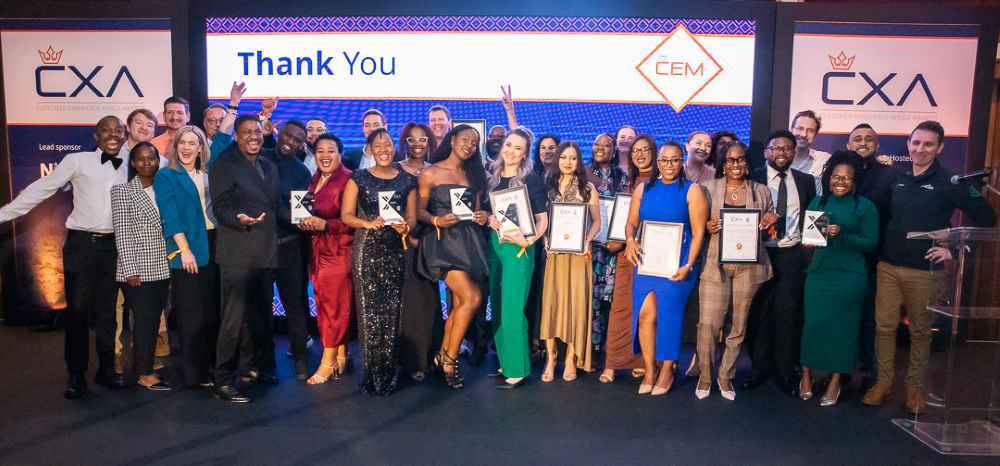
CEM Africa Awards 2026 set to recognise Africa’s leading Customer Experience (CX) talent and innovation
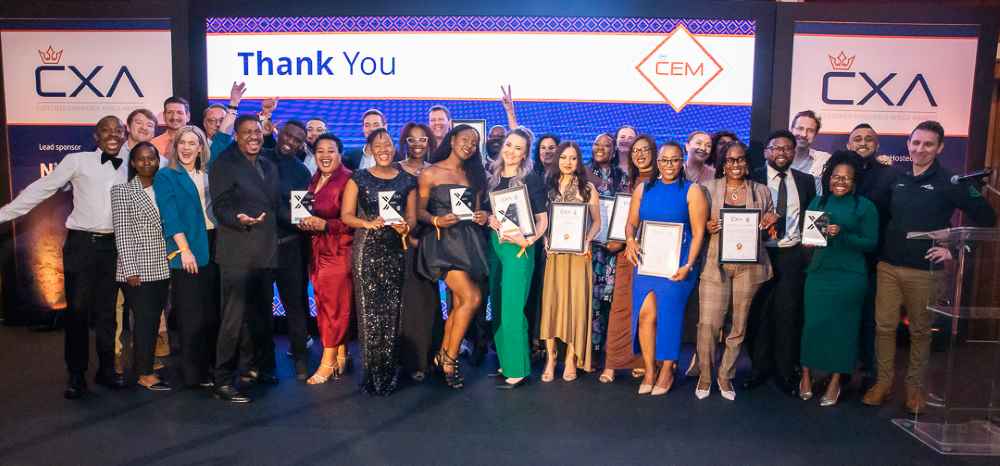
The 2025 awards attracted more than 80 entries and 31 finalists, culminating in eight award winners
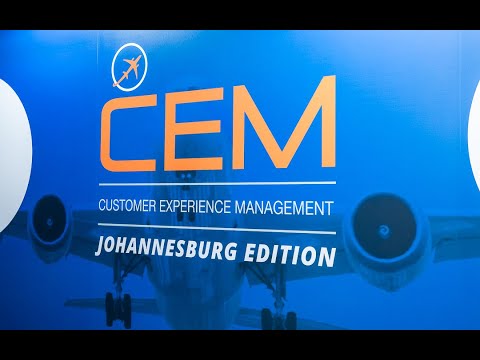

The calibre of organisations and individuals recognised through the CEM Africa Awards demonstrates just how much extraordinary CX work is being done across the continent
JOHANNESBURG, South Africa, September 25, 2026/APO Group/ –Customer experience professionals, teams and organisations across Africa have just days remaining to enter the 2026 CEM Africa Awards, with free applications closing on 30 September 2026.
Taking place on 10 November 2026 at the NH Hotel in Sandton, Johannesburg, the Customer Experience Africa Awards form part of the CEM Africa platform and recognise the individuals, teams, technologies and initiatives raising the standard of customer experience across the continent.
For organisations considering whether to enter, the company they could be keeping provides a compelling indication of the calibre of the awards.
A growing roll call of African CX leaders
The 2025 awards attracted more than 80 entries and 31 finalists, culminating in eight award winners. Finalists represented organisations spanning financial services, technology, telecommunications, retail, insurance, public services and social impact.
Among them were Absa, Capitec Bank, Santam, Telesure Investment Holdings, Equity Bank, Takealot.com, NTT DATA, Frogfoot, Telviva, Harambee Youth Employment Accelerator, the University of Pretoria and South Africa’s Department of Social Development.
The 2025 winners included Serisha Iyer of Absa Corporate and Investment Banking, named Rising Star in CX; Alma Angela Olela of Jubilee Health Insurance, named CX Leader of the Year; and Franco Cotumaccio of Shadow Global, winner of Breaking Barriers in CX.
Corporate winners included Telesure Investment Holdings for Best Overall CX Solution, Krisp for Best Use of AI, Telviva for Best Enterprise Contact Centre Platform, Harambee Youth Employment Accelerator for Best Customer Experience Team of the Year and the University of Pretoria for Best Citizen Experience Initiative.
That follows a 2024 edition in which winners included NCBA Bank, MultiChoice, Digital Solutions Group, Absa Bank and Telviva, alongside individual CX leaders from across the continent.
More than a trophy
For entrants, recognition through the CEM Africa Awards puts their work in front of a wider African CX community and an independent judging panel drawn from across the industry.
The 2026 judging panel includes global CX specialist Ian Golding; Andrew (Dré) Enebeli, Head of CX & Engagement at Access Bank; Dr Oliver Museka, President and Founder of IRDM College Eswatini; Jonathan Daniels, Managing Director of CX Centric; Joven Pillay, Partner and Head of Customer Consulting at KPMG; and Qaalfa Dibeehi, Managing Partner at Human2Outcome.
This year’s awards recognise excellence across four broad pillars – People, Innovation, Transformation and Government – covering categories including CX Leader of the Year, Rising Star in CX, Breaking Barriers in CX, Best Overall CX Solution, Best Use of AI, Best Enterprise Contact Centre Platform, Best Customer Experience Team of the Year, Best Digital Transformation in Public Services and Best Citizen Experience Initiative.
“The calibre of organisations and individuals recognised through the CEM Africa Awards demonstrates just how much extraordinary CX work is being done across the continent. These awards give that work a platform. Whether it is a major transformation programme, an innovative use of technology or an individual changing how their organisation thinks about the customer, we want to make sure Africa’s best work is being seen and recognised.”
- Briteny Price, Event Manager and CEM Africa Awards Director
Final opportunity to enter
Applications for the 2026 CEM Africa Awards are free and remain open until 30 September 2026. Finalists will be announced in October, ahead of the awards ceremony on 10 November at the NH Hotel, Sandton.
Organisations, teams and individuals working to improve customer and citizen experience across Africa are encouraged to submit their entries before the deadline.
Apply for the CEM Africa Awards 2026 by 30 September 2026
Submit your application (https://apo-opa.co/4hdcimx)
Explore the CEM Africa Awards
Visit the CEM Africa Awards website (https://apo-opa.co/4iNXzzM)
Distributed by APO Group on behalf of VUKA Group.
Business
Emirates to bring the A350 to Nairobi, introducing next-generation cabin experiences


-

 Business4 days ago
Afreximbank, Ghana Infrastructure Investment Fund (GIIF) and Ghana’s 24-Hour Economy Authority launch project preparation partnership to accelerate 24H+ projects
-

 Events4 days ago
Huawei Cloud Rolls Out Enterprise AI Products Across the Board, Building an Open Agentic Cloud
-

 Energy4 days ago
Deals, Drilling and New Entrants Define Angola Oil & Gas 2026
-
 Business4 days ago
Hong Kong sets out strategies to enhance the appeal and add value to the city’s tourism industry
-

 Business4 days ago
Former DAMAC Senior Vice President Paulo J. Cruz Appointed Founding CEO of African Collaboration Group (ACG) to Spearhead Sports and Entertainment District Development Across Africa
-

 Business3 days ago
Frasers Hospitality unveils Fraser Suites Reserve, a new luxury serviced living brand
-

 Energy3 days ago
Building a Knowledge Hub for China-ASEAN Energy Cooperation
-
 Business4 days ago
Hong Kong sets out initiatives to secure long-term development of pillar industries