Connect with us
Anglostratits

Business

GOIL to Commission Additional 12,000 Metric Tons of Liquefied Petroleum Gas (LPG) Storage Capacity in Ghana

Published

on

LPG

Limited LPG infrastructure is a barrier for distribution to end-users across the continent

CAPE TOWN, South Africa, October 7, 2025/APO Group/ –GOIL PLC, Ghana’s leading oil and gas marketing company, is planning to commission an additional 12,000 metric tons of liquefied petroleum gas (LPG) storage capacity in the next year, anchored by a $50 million investment.

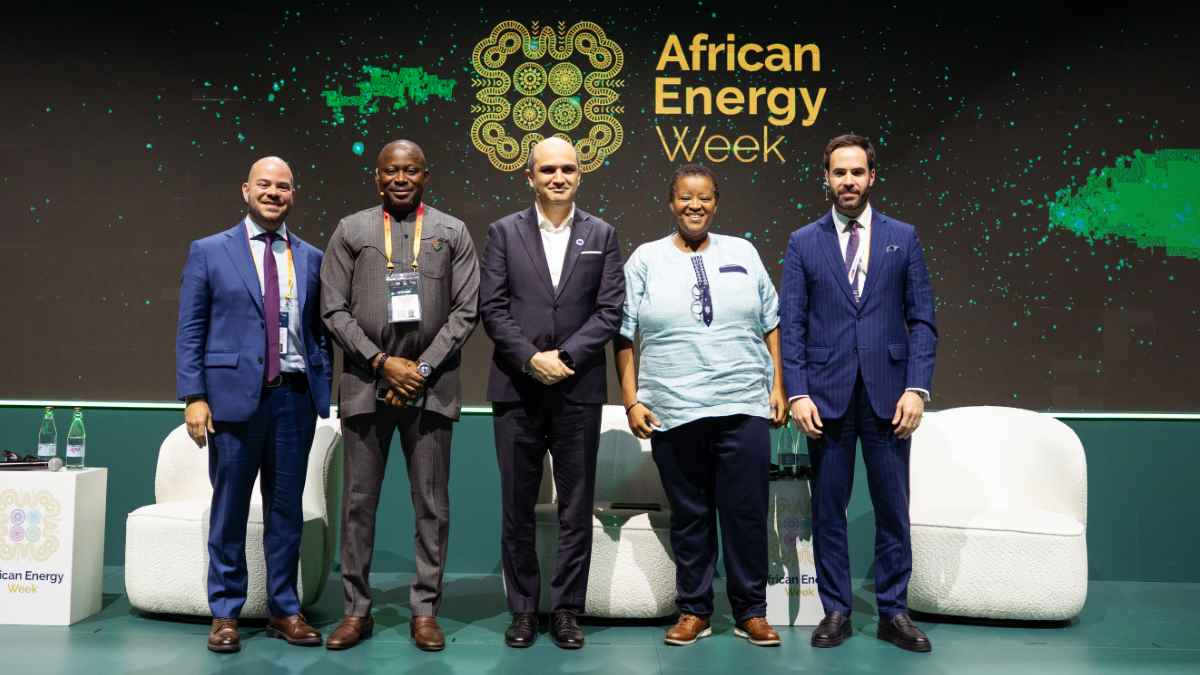
Speaking during a panel at Africa Energy Week (AEW): Invest in African Energies 2025, Edward Abambire Bawa, Group CEO and Managing Director of GOIL PLC, said the company was spearheading a transformative expansion in LPG storage capacity to address growing domestic demand and to strengthen the country’s energy security.

Guided by the 2024 baseline consumption of 340 million kilograms of LPG sold nationally, this strategic expansion aims to bridge critical supply gaps where current storage capacities only cover two to three weeks of national demand. “This storage limitation is a challenge and a prime investment opportunity. Expanding infrastructure is fundamental to unlocking the full monetisation potential of LPG, benefiting producers, distributors, and end consumers alike,” Bawa added.

GOIL’s recent initiatives demonstrate a broad commitment to infrastructure development. This includes the launch of multiple Autogas stations across five regions nationwide, including Accra and Kumasi. Additionally, the inauguration of a polymer-modified bitumen terminal in Tema aims to support related energy needs. The company’s distribution network spans across Ghana, servicing diverse consumer segments while maintaining sustainable growth and investment partnerships.

We currently see about 350,000 metric tons of LPG consumed annually, with peak demand reaching 550,000 metric tons in winter and summer months

The company recognizes the challenges presented by limited LPG infrastructure, especially in rural areas. It is committed to expanding access through well-designed policies, greater investment, and innovative business models, including digital payment solutions that cater to household cash flows.

“Our research at GECF highlights that LPG is a critical component within the broader narrative of gas’s role in sustainable development. Monetising gas is not simply about producing greater volumes but about creating value along the entire supply chain. This encompasses production through storage, transportation, distribution, and finally reaching the household consumer. In Africa particularly, market creation and capacity development are two sides of the same coin,” said Mohammed Amin Naderian, Head of Energy Economics & Forecasting Department from the Gas Exporting Countries Forum (GECF).

“We caution against mistaking policy as the solution itself. Policy acts as a catalyst to break poverty and energy poverty traps, accelerating monetisation through industrialisation and job creation for Africa’s youth. However, if policies are poorly designed or inconsistent, they risk market distortions or abrupt collapses. Stable, well-designed, and transparent regulations are essential to reduce investment risks and create predictable futures for investors and consumers alike,” he added.

Sebastian Wagner, Managing Partner at DMWA Resources, citing successful experiences in countries like Rwanda, stressed the importance of stable regulations, transparent investor incentives, and innovative business models like digital payments to match household cash flows. He further highlighted the ongoing efforts to integrate LPG into Africa’s broader energy transition. “LPG often flies under the radar compared to LNG, but it is gaining momentum through well-structured investments and government partnerships aimed at reducing gas flaring and capturing value.”

Speaking from a South African perspective, Sesakho Magadla, CEO, PetroSA, noted, “LPG demand in South Africa is largely driven by population growth and energy demand increases, yet infrastructure development continues to lag behind. We currently see about 350,000 metric tons of LPG consumed annually, with peak demand reaching 550,000 metric tons in winter and summer months.

“New investments in reverse flow pipelines and terminals in Durban is therefore aimed at unlocking the capacity needed to meet national demand. But it is only through public and private sectors collaborating closely, with projects like SANPC and Avedia Energy, that we will improve LPG importation and distribution capacity for improved market stability and access.”

Distributed by APO Group on behalf of African Energy Chamber.

Home  Facebook

Business

Aggreko Strengthens Commitment to Nigeria with Appointment of New General Manager

Published

on

Aggreko

Greatorex assumed leadership of Aggreko’s Nigeria operations in early June, bringing more than three decades of international experience across the energy, utilities, oil and gas, petrochemical and industrial sectors

LAGOS, Nigeria, July 22, 2026/APO Group/ –Aggreko (https://www.Aggreko.com/en-za), a global leader in energy solutions, has reaffirmed its commitment to Nigeria with the appointment of Nigel Greatorex as General Manager for Nigeria, marking an important milestone in the company’s renewed focus on one of Africa’s most strategically significant energy markets.


Greatorex assumed leadership of Aggreko’s Nigeria operations in early June, bringing more than three decades of international experience across the energy, utilities, oil and gas, petrochemical and industrial sectors. His appointment comes as Aggreko accelerates its growth ambitions in Nigeria, strengthening its local presence and expanding its ability to support customers with reliable, flexible and sustainable energy solutions.

Nigeria remains one of Africa’s largest and most dynamic economies, with growing demand for dependable power across industries ranging from oil and gas and manufacturing to mining, infrastructure and commercial operations. As businesses increasingly seek resilient energy solutions that can support both operational continuity and sustainability objectives, Aggreko is positioning itself to play an even greater role in enabling economic growth and industrial development across the country.

Extensive global and African energy experience

Greatorex joins Aggreko from ABB, where he most recently served as Global Industry Business Manager for Carbon Capture and Storage. In that role, he led global strategy and growth initiatives focused on energy transition technologies and decarbonisation. He also brings extensive experience operating across Africa, including Nigeria, giving him a strong understanding of the unique opportunities and challenges facing businesses in the region.

Nigel’s appointment reflects our commitment to investing in leadership and strengthening our presence in the country

Throughout his career, Greatorex has held numerous senior leadership positions, successfully leading business transformations, driving operational excellence and expanding market presence in complex and highly competitive environments.

Investing in local leadership

Commenting on the appointment, Edith Kikonyogo, Managing Director of Aggreko Africa said: “Nigeria is a key part of our growth strategy across Africa. Nigel’s appointment reflects our commitment to investing in leadership and strengthening our presence in the country. His extensive industry experience, proven leadership capabilities and deep understanding of the African energy landscape make him ideally positioned to lead the next phase of our growth in Nigeria.”

Greatorex said he was excited to join Aggreko at a pivotal moment for both the company and the Nigerian market. “Nigeria presents tremendous opportunities for innovation, growth and partnership. I am delighted to be joining Aggreko as the company strengthens its commitment to the country and its customers. Aggreko has a strong reputation for delivering critical energy solutions that help businesses overcome challenges and unlock new opportunities. I look forward to working with our customers, partners and team to build on that legacy and support Nigeria’s continued development.”

A long-term commitment to Nigeria

The appointment underscores Aggreko’s confidence in Nigeria’s long-term economic potential and its commitment to helping organisations navigate evolving energy requirements through flexible, efficient and sustainable power solutions.

As the company continues to expand its footprint in the country, Aggreko remains focused on delivering the expertise, technology and local support needed to help businesses thrive in an increasingly complex energy environment.

Distributed by APO Group on behalf of Aggreko plc.


Continue Reading

Business

SPIRO publishes its first Sustainability Report and confirms strong economic, social and climate impact

Published

on

SPIRO

The publication provides a comprehensive overview of the environmental, social and economic impact of its operations

DUBAI, United Arab Emirates, July 21, 2026/APO Group/ —

  • Spiro’s inaugural Sustainability Report provides the first comprehensive overview of the environmental, social and economic impact of Spiro’s operations.
  • The company also unveils ambitious objectives and targets net-zero Scope 1 and 2 emissions by 2040 and up to 0.7 million tonnes of CO₂ emissions avoided from product use annually by 2030.

SPIRO (www.Spironet.com), Africa’s leading electric mobility company, today published its inaugural Sustainability Report. The publication provides a comprehensive overview of the environmental, social and economic impact of its operations and aims at establishing a baseline, to track future progress on its path to scale clean transport infrastructure and affordable mobility solutions.

Download Report: https://apo-opa.co/4wPw7VP


Having grown up in India, I have witnessed firsthand the impact of vehicle emissions on public health and urban environments. At SPIRO, our responsibility as founders is not only to scale innovation, but to ensure that the systems we build endure economically, socially, and environmentally for generations to come”, said Gagan Gupta, Founder of SPIRO and Chairman of Equitane.


“This report reflects how far SPIRO has come—not only in terms of growth, but in our ability to measure and improve our impact. As we expand across Africa, sustainability will remain a core business driver, shaping how we invest, manufacture, innovate and partner for the long term”, highlighted Anant Badjatya, Group Chief Executive Officer, SPIRO.


This report reflects how far SPIRO has come—not only in terms of growth, but in our ability to measure and improve our impact

“By establishing our first comprehensive ESG baseline, including Scope 1, 2 and 3 emissions, we are creating the foundations needed to track progress, set measurable targets and strengthen transparency as SPIRO continues to scale across Africa. Sustainability is not a standalone initiative—it is integrated into how we operate, innovate and create long-term value”, said Imtinen Hamlaoui, Head of ESG and Sustainability.


Among key highlights :


  • As part of its sustainability roadmap, SPIRO completed its first end-to-end greenhouse gas inventory, covering Scope 1, Scope 2 and Scope 3 emissions across its operations and value chain.


  • Among others, operational efficiency measures taken last year delivered an estimated 15–25% reduction in energy use at assembly facilities, reinforcing SPIRO’s commitment to continuously improving energy efficiency and reducing the environmental footprint of its operations.


  • The report outlines SPIRO’s long-term sustainability roadmap, including its ambition to achieve net-zero Scope 1 and Scope 2 emissions by 2040. As the company expands, its electric mobility ecosystem is projected to help avoid approximately 700,000 tonnes of CO₂ emissions annually by 2030. To further strengthen energy resilience and reduce grid dependency, SPIRO is evaluating the deployment of 80–125 KVA on-site solar solutions across selected battery-swapping stations, while smart energy management initiatives implemented at its assembly facilities have already delivered an estimated 15–25% reduction in energy consumption.


  • The report highlights SPIRO’s growing investment in people and local capabilities. Through the Spiro Academy, the company trained more than 4,000 individuals across Africa in 2025 in areas including EV maintenance, battery management and technical operations. Initiatives such as Africa’s first women electric motorcycle assembly line further reinforce SPIRO’s commitment to skills development, workforce inclusion and local industrial growth.


  • Beyond environmental performance, the report underlines the growing economic benefits of electric mobility. Commercial riders using SPIRO motorcycles reduce operating costs by 70–80% compared with petrol-powered alternatives, while benefiting from lower maintenance costs and reduced exposure to fuel price volatility.


Download (https://apo-opa.co/4ptV32MSPIRO First Sustainability Report

Distributed by APO Group on behalf of Spiro.


Continue Reading

Business

eWAKA Co-Founder and Chief Executive Officer (CEO) Selected as a 2026 Cartier Women’s Initiative Fellow

Published

on

eWAKA

eWAKA Joins the Cartier Women’s Initiative to Accelerate Africa’s Transition to Clean Mobility

NAIROBI, Kenya, July 21, 2026/APO Group/ –eWAKA (www.eWAKA.tech) today announced the company’s Co-founder and CEO, Céleste Tchetgen Vogel, has been selected as a 2026 Cartier Women’s Initiative Fellow. Vogel was recognized for her work to electrify Africa’s last mile, giving riders clean vehicles they can own and a better way to earn. Chosen from applicants around the world, Vogel represents the Anglophone and Lusophone Africa category of the 2026 Cartier Women’s Initiative Awards, which celebrate women entrepreneurs using business as a force for positive change.


eWAKA is an early-stage company with a clear ambition: to make Africa’s last mile clean, affordable, and within reach of the people who move it. Today it provides electric motorcycles and cargo bikes, financing that lets riders own their vehicles affordably, and charging and battery-swap to keep them moving. It coordinates deliveries and fleet operations through its own software. It aims to grow this into a managed electric delivery network, where businesses get reliable, lower-cost delivery and riders earn a steady living. Operating in Kenya and Rwanda, eWAKA is actively expanding into Burundi and the Democratic Republic of Congo, demonstrating its confidence in regional growth and impact.


eWAKA at a Glance


  • Nearly 1,500 active riders in Kenya and Rwanda
  • More than one million deliveries completed, up by over 80,000 on the prior year
  • More than 550 vendors onboarded onto the company’s merchant ordering platform
  • Approximately Ksh 25 million (about US$190,000 or CHF 150,000) earned by riders, up more than Ksh 6 million on the prior year
  • More than 1,500 jobs were created, with over 85% of riders aged 18 to 30
  • More than 3000 metric tons of CO₂ emissions avoided through clean mobility operations
  • Woman-founded and woman-led, with women working as riders, vendors, and agents across the network


We are delighted to welcome Céleste Tchetgen Vogel to the Cartier Women’s Initiative community

By bringing electric vehicles, financing, and software together in a single operation, eWAKA is building a model it can carry from one city to the next, so that each new market means more riders earning, more businesses served, and cleaner air to breathe. The company’s early backers include the Swiss State Secretariat for Economic Affairs (SECO), through its Start-up Fund, alongside impact investors and development finance partners.


eWAKA Co-founder and CEO Céleste Tchetgen Vogel said, “Mobility should open doors, not close them. When a rider can own a clean vehicle and earn a living with it, a whole family moves forward, and the city breathes a little easier. That is the future eWAKA is building, one electric mile at a time. To be welcomed into the Cartier Women’s Initiative, in its twentieth year, tells us the path is real, and gives us the resolve to walk it much further.”


eWAKA is building Africa’s next-generation electric mobility platform, operating in Kenya and Rwanda and expanding into Burundi and the Democratic Republic of Congo. Originally from Cameroon, Vogel is an African entrepreneur who co-founded eWAKA in 2021 after a career in senior legal and executive roles at Credit Suisse, ABB, and Swiss Re. She holds a degree in economics and international relations from Ohio Wesleyan University and a law degree from Northwestern University’s Pritzker School of Law, both in the United States. She was named among the Most Influential Women in Mobility in 2024 and to the Meaningful Business 100 in 2025. eWAKA works with ETH Zurich as a technical partner on battery and fleet data.


Cartier Women’s Initiative Director Kiyo Taga-Witkin commented, “We are delighted to welcome Céleste Tchetgen Vogel to the Cartier Women’s Initiative community. Through eWAKA, she exemplifies how entrepreneurship can drive meaningful, positive change. We look forward to supporting her journey and celebrating the impact she is creating.”


The Cartier Women’s Initiative is an international entrepreneurship program established in 2006 to support women impact entrepreneurs who are building a more inclusive society for generations to come. Since its inception, the program has been dedicated to identifying and accompanying women whose businesses address the world’s most pressing social and environmental challenges. Through a comprehensive approach combining financial support, access to a global network, and tailored leadership development, the Cartier Women’s Initiative enables fellows to scale their businesses while strengthening their capacity to lead and create lasting impact.


Over the years, the initiative has grown into a vibrant international community of more than 520 community members, united by a shared ambition to drive meaningful change within their respective ecosystems. At its core, the Cartier Women’s Initiative is guided by a set of enduring convictions: the belief that women are powerful agents of transformation, that talent is universal, while opportunities are not, that continuous learning is essential to progress, and that sustainable impact is rooted in a deep commitment to the communities it serves.

Distributed by APO Group on behalf of eWAKA.


Continue Reading

Trending