Africa’s Downstream Opportunities Take the Forefront as African Refiners and Distributors Association (ARDA) Executive Secretary Joins African Energy Week (AEW) 2024
AEW: Invest in African Energy will streamline investment towards Africa’s downstream industry as countries move to make energy poverty history by 2030
CAPE TOWN, South Africa, April 19, 2024/APO Group/ —
The Executive Secretary of the African Refiners and Distributors Association (ARDA), Anibor Kragha, will speak at the African Energy Week (AEW): Invest in African Energy conference – taking place from November 4–8 in Cape Town. Kragha’s return to the conference will not only improve the understanding of the state of play of Africa’s downstream industry but draw insight into strategies for addressing challenges to the sector’s development.
Africa is advancing its downstream infrastructure under efforts to scale-up energy security continent-wide. As the sole pan-African organization representing the African downstream sector, ARDA is at the forefront of this expansion, advocating for increased investment in infrastructure development and modernization and promoting greater participation by local companies. With African petroleum demand set to increase from current estimates of 4.1 million barrels per day (bpd) to over 5.3 million bpd by 2040, strengthening refining capacity and distribution is critical. During AEW: Invest in African Energy, Kragha will outline investment opportunities in this area.
AEW: Invest in African Energy is the platform of choice for project operators, financiers, technology providers and government, and has emerged as the official place to sign deals in African energy. Visitwww.AECWeek.comfor more information about this exciting event.
ARDA is spearheading both the rollout of new facilities as well as the modernization of existing downstream infrastructure to meet the continent’s needs
Across the continent, efforts to bolster refining capacity to meet rising demand for petroleum are leading to new developments taking off across the downstream sector. In Nigeria, the Dangote Refinery – Africa’s largest refining facility – started producing diesel and aviation fuel in January 2024. The 650,000-bpd facility will cater to Nigeria’s domestic energy requirements while positioning the country as a key exporter upon full operational capacity – likely expected in mid-2025. The Nigerian National Petroleum Corporation, an ARDA member, is also advancing the upgrading of the Port Harcourt refinery, with operations slated to commence in 2024 following the receipt of crude oil shipments from Shell in February.

Meanwhile, the first phase of Sentuo Oil Refinery Limited’s 120,000-bpd refinery in Ghana started operations in January 2024. The facility will process two million tons per annum of crude oil in the first phase and five million tons in the second phase, supporting the country’s industrialization efforts. While in Gabon, plans are underway to expand the processing capacity of the Port Gentil refinery to meet the rising demand for diesel and butane.
In Angola, national oil company (NOC) Sonangol – an ARDA member – awarded a project management contract for the 200,000 bpd Lobito Refinery to engineering firm KBR in April 2024. The contract advances the construction of the $6 billion facility. Once operational, the facility will be Angola’s largest refinery, increasing the country’s oil processing capacity by 200%. Angola is also developing several other refinery projects, including the 60,000 bpd Cabinda and 100,000 bpd Soyo facilities – all of which aim to bolster regional energy security by leveraging Angolan oil and gas resources. Progress is underway to modernize the existing Luanda Refinery which is responsible for 20% of the country’s demand.
In addition to refining, African countries are investing heavily in oil and gas storage capacity. Notably, Botswana Oil Limited, a member of ARDA and the country’s NOC, is seeking proposals for the Tshele Hills Oil Storage Development project, furthering Botswana’s fuel storage infrastructure for enhanced energy security. A tender was issued in November 2023, offering a strategic opportunity for downstream investors. The Kenya Pipeline Company is also committed to increasing storage capacity in the country, acquiring the now-defunct Kenya Petroleum Refineries Ltd’s assets in 2023. With the acquisition, the company has assumed management of 45 storage tanks with a capacity of 484 million liters, as well as the new Kipevu Oil Terminal 2 – which will double the country’s handling capacity from 35,000 tons.
“Meeting the growing demand for petroleum across Africa requires significant investments across the downstream sector. ARDA is spearheading both the rollout of new facilities as well as the modernization of existing downstream infrastructure to meet the continent’s needs. The association will continue to be instrumental in ensuring Africa meets its goal of making energy poverty history by 2030,” stated NJ Ayuk, the Executive Chairman of the African Energy Chamber.
Boasting a membership of 74 African oil refiners, importers, terminal operators, energy marketers, distributors and regulators, ARDA facilitates the exchange of technical and commercial best practices, advancing the growth of Africa’s downstream industry. At AEW: Invest in African Energy 2024, Kragha will engage in high-level panel discussions, spotlighting Africa’s downstream project pipeline and attractive investment opportunities.
Distributed by APO Group on behalf of African Energy Chamber.

First WATT Renewable Limited and MTN Nigeria Launch Renewable Energy Infrastructure Programme for Critical Operations and Electric Vehicle (EV) Charging Sites
The programme is expected to support the avoidance of an estimated 25,000 tonnes of carbon dioxide equivalent emissions (tCO ₂e) over five years, subject to operational performance and final emissions calculations
LAGOS, Nigeria, June 15, 2026/APO Group/ –First WATT Renewable Limited (www.WATTRenewables.com) and MTN Nigeria have announced a strategic renewable energy infrastructure partnership designed to reduce diesel dependence, improve operational resilience at MTN’s critical facilities and supply renewable energy systems to power electric vehicle charging infrastructure across selected MTN locations in Nigeria.
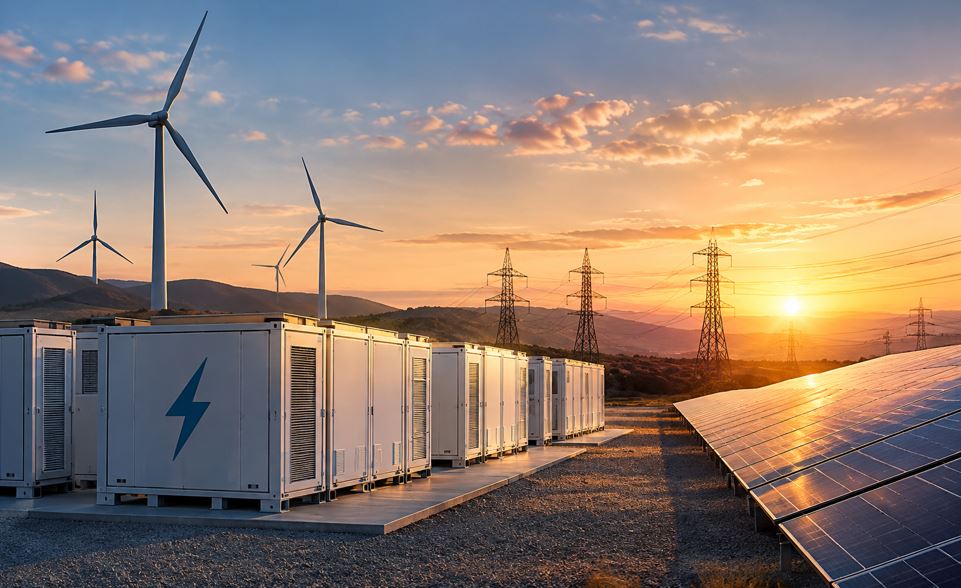
The programme comprises two major project components. The first is an Energy- as- a- Service deployment that will provide approximately 34 MWp of solar photovoltaic as a generation capacity and 40 MWh of battery energy storage across selected MTN facilities nationwide. These sites include data centres, switch facilities, cable landing stations, customer service centres and other network critical locations.
The second is the supply of renewable energy infrastructure to power 60 kW EV charging stations across eight MTN facilities located at Ikoyi, Matori, Ojota, Abuja, Port Harcourt, Asaba, Kano and Ibadan
Together, both components are designed to reduce dependence on diesel-based systems, lower operating emissions, support operational uptime, strengthen business continuity, and increase the contribution of renewable energy across MTN’s operational sites, including selected EV charging locations.
As digital demand continues to grow, reliable energy infrastructure remains critical to the performance of telecommunications networks and the wider digital economy. This partnership will support MTN Nigeria’s efforts to strengthen the resilience of critical operations while increasing the use of renewable energy across selected facilities.
This programme helps address one of the key requirements for wider EV adoption: reliable and cleaner energy supply
Based on current project assumptions, the programme is expected to support the avoidance of an estimated 25,000 tonnes of carbon dioxide equivalent emissions (tCO ₂e) over five years, subject to operational performance and final emissions calculations.
Commenting on the partnership, Oluwole Eweje, Chief Executive Officer of WATT Renewable Corporation, said:
“This partnership is a defining milestone for First WATT and an important step in strengthening the energy infrastructure that supports Nigeria’s digital economy. By deploying solar photovoltaic generation and battery energy storage across selected MTN facilities, we are helping to improve energy reliability at critical locations where uptime is essential.
“The EV charging component also demonstrates how renewable energy infrastructure can support Nigeria’s transition to lower-carbon mobility. By providing renewable power systems for EV charging sites, this programme helps address one of the key requirements for wider EV adoption: reliable and cleaner energy supply.”
Speaking on the initiative, Tobechukwu Okigbo, Chief Corporate Services and Sustainability Officer at MTN Nigeria, said:
“As Nigeria’s energy and mobility landscape evolves, renewable energy will play an important role in building cleaner and more reliable infrastructure. This partnership supports our efforts to reduce diesel dependence, improve operational efficiency, and strengthen the resilience of the systems that power connectivity.
“It is also aligned with Project Zero, under our Doing for Planet sustainability pillar, through which we are focused on reducing greenhouse gas emissions, improving energy efficiency, and increasing the use of renewable energy across our operations.”
Distributed by APO Group on behalf of WATT Renewable Corporation.
The change reflects the significant expansion of the organisation’s capabilities and the breadth of industries it now serves
LAGOS, Nigeria, June 12, 2026/APO Group/ –Arridex (www.Arridex.com), formerly RusselSmith, recently announced its formal change of name, registered with the Corporate Affairs Commission of Nigeria. The change reflects the significant expansion of the organisation’s capabilities and the breadth of industries it now serves, which extend well beyond the oil and gas services with which it began operations in the early 2000s.
Founded as an asset integrity company serving Nigeria’s oil and gas sector, the organisation has grown into a multi-sector industrial technology group operating across oil and gas, maritime, aerospace, defence, construction, and manufacturing. Its subsidiaries cover engineering and construction delivery, autonomous systems development, and advanced technology products, in addition to its industrial additive manufacturing and asset integrity operations.
Arridex is the name of the company built over two decades and raised intentionally to enable industrial resilience in Africa
The organisation holds Pioneer Status in additive manufacturing, granted by the Nigerian Investment Promotion Commission (NIPC), and is the first company qualified by the Nigerian Upstream Petroleum Regulatory Commission (NUPRC) for additive manufacturing deployment in the oil and gas sector. Both represent formal recognition of Arridex’s capabilities and its role in building indigenous industrial capacity at scale. With more than twenty years of continuous delivery, Arridex holds certification to ISO 9001:2015 and ISO 45001:2018, underpinning an integrated management system that governs its operations across all sectors, and has recorded zero lost time incidents across over seven million man hours of operations.
The name change coincides with a significant operational milestone. The Arridex Omnifactory, West Africa’s first multi-technology industrial additive manufacturing facility, has been commissioned in Lagos. The Omnifactory integrates multiple additive manufacturing technologies including Laser Powder Bed Fusion (L-PBF), Cold Spray, Fused Filament Fabrication (FFF), and Selective Laser Sintering (SLS) under one roof, enabling on-demand production of industrial components, spares, and improved part designs for critical industries. The Omnifactory’s large-format additive manufacturing capabilities also enable the production of large-scale structures, including full-size marine components. Its commissioning is the clearest measure of the distance that Arridex has travelled from its origins.
Africa’s critical industries have for decades depended on components and specialist expertise imported from outside the continent, with supply chains that routinely extend across multiple jurisdictions and lead times that affect operational continuity for asset owners when dealing with legacy parts. The Omnifactory manufactures industrial components and parts on demand in Lagos, helping to build operational resilience in critical industries.
Kayode Adeleke, Group Chief Executive Officer of Arridex, said: “The name RusselSmith defined what we were at the start. Arridex defines what we have built. The dependency of African industry on fragile supply chains is a structural problem that this continent has accepted for too long. The Omnifactory is a concrete answer to the challenge of manufacturing sovereignty. Arridex is the name of the company built over two decades and raised intentionally to enable industrial resilience in Africa.”
Arridex is a Designated Strategic Partner of the Commonwealth Enterprise and Investment Council (CWEIC) and serves clients across Nigeria and the wider African region. The organisation has a joint venture partnership with the Defence Industries Corporation of Nigeria (DICON) for military-grade additive manufacturing, is a member of the Manufacturers Association of Nigeria (MAN) and is also a member of the Defence Industries Association of Nigeria (DIAN). With the Omnifactory commissioning in June 2026, Arridex enters its next phase of operations under a name that reflects the full scope of what it has built.
If there are only three days to understand China’s economic development, Beijing CBD is a good place to start.
BEIJING, CHINA – Media OutReach Newswire – 12 June 2026 – In mid-June this year, 2026 Beijing CBD Forum Annual Conference will be held as scheduled. Nearly ten thousand participants from five continents will gather here, with international speakers accounting for more than 50% of the lineup. Yet the Forum is but a window; the true landscape worth the world’s attention lies just outside – the central business district itself.
“International Density” on Seven Square Kilometers
In the core area of Beijing CBD – a mere seven square kilometers – nearly 16,000 foreign-funded institutions and 125 regional headquarters of multinational corporations (MNCs) are located. This represents half of all MNC headquarters resources in Beijing.
This is no coincidence. The district is one of China’s most internationally oriented, service-rich, and mature international business zones. From law firms and consultancies to financial institutions, the world’s top professional services firms have formed a complete ecosystem here.
What makes the area even more valuable for overseas companies and organizations is that policies here are not just written on paper – they are embedded in actual processes.
From pilot schemes on cross-border data flows, to facilitated access for foreign financial institutions, to one‑stop service desks for international talent – Beijing CBD has long served as a pilot zone for institutional opening‑up. Foreign enterprises find that issues they encounter here tend to be addressed and resolved more quickly.
During this year’s Beijing CBD Forum annual conference, the Ambassadors’ Roundtable Dialogue will establish a regular communication mechanism, and the “International Delegations’ China Tour” will allow overseas business representatives and zone managers to conduct in‑depth site visits and exchange experiences. What is even more noteworthy, however, is that such exchanges are not confined to the Forum – they continue year-round here.
Beijing CBD: A Sincere and Pragmatic Invitation
Artificial intelligence, the digital economy, green technologies – these areas, known as “new quality productive forces,” are not empty buzzwords here. The Forum includes dedicated sessions on technological innovation, financial opening‑up, law-business integration, cultural industries, and international consumption. Yet what truly deserves the attention of potential international partners is the industrial foundation behind these topics.
Beijing CBD is home to the densest concentration of foreign financial institutions and cross‑border capital in China. A large number of tech companies are engaged in cross‑sector collaboration with traditional industries here. High‑end professional services – international law, arbitration, compliance – are highly concentrated, providing support for both inbound and outbound business activities. Moreover, as the starting area of the city’s international demonstration zone for law-business integration, the district continues to focus on strengthening the rule of law in commercial affairs, improving its legal services framework, enhancing the resolution of international commercial disputes, and fostering a stable, transparent, predictable, and internationally competitive business environment. In the future, Beijing CBD will build a one‑stop legal and commercial service platform that integrates legal, auditing, intellectual property and other professional resources to precisely serve companies going global and managing cross‑border operations.
Here, you will find that its vitality derives mainly from genuine business judgments about market opportunities. For enterprises, the cooperation logic here is predictable, commercial, and sustainable.
Beijing CBD is not merely a striking poster – it is a real‑world district where hundreds of thousands of business people move every day, thousands of foreign‑funded institutions operate, and countless cross‑border transactions take place.
If you are looking for a stable gateway to the Chinese market, or a high-level hub to connect global resources with local applications, it deserves your consideration.
The Forum’s 2026 annual conference lasts only three days. But Beijing CBD is open all year round.
We use cookies on our website to give you the most relevant experience by remembering your preferences and repeat visits. By clicking “Accept”, you consent to the use of ALL the cookies.
This website uses cookies to improve your experience while you navigate through the website. Out of these, the cookies that are categorized as necessary are stored on your browser as they are essential for the working of basic functionalities of the website. We also use third-party cookies that help us analyze and understand how you use this website. These cookies will be stored in your browser only with your consent. You also have the option to opt-out of these cookies. But opting out of some of these cookies may affect your browsing experience.
Necessary cookies are absolutely essential for the website to function properly. These cookies ensure basic functionalities and security features of the website, anonymously.
Cookie
Duration
Description
cookielawinfo-checkbox-analytics
11 months
This cookie is set by GDPR Cookie Consent plugin. The cookie is used to store the user consent for the cookies in the category "Analytics".
cookielawinfo-checkbox-functional
11 months
The cookie is set by GDPR cookie consent to record the user consent for the cookies in the category "Functional".
cookielawinfo-checkbox-necessary
11 months
This cookie is set by GDPR Cookie Consent plugin. The cookies is used to store the user consent for the cookies in the category "Necessary".
cookielawinfo-checkbox-others
11 months
This cookie is set by GDPR Cookie Consent plugin. The cookie is used to store the user consent for the cookies in the category "Other.
cookielawinfo-checkbox-performance
11 months
This cookie is set by GDPR Cookie Consent plugin. The cookie is used to store the user consent for the cookies in the category "Performance".
viewed_cookie_policy
11 months
The cookie is set by the GDPR Cookie Consent plugin and is used to store whether or not user has consented to the use of cookies. It does not store any personal data.
Functional cookies help to perform certain functionalities like sharing the content of the website on social media platforms, collect feedbacks, and other third-party features.
Performance cookies are used to understand and analyze the key performance indexes of the website which helps in delivering a better user experience for the visitors.
Analytical cookies are used to understand how visitors interact with the website. These cookies help provide information on metrics the number of visitors, bounce rate, traffic source, etc.
Advertisement cookies are used to provide visitors with relevant ads and marketing campaigns. These cookies track visitors across websites and collect information to provide customized ads.