Connect with us
Anglostratits

Business

United Arab Emirates (UAE) Makes Play for African Renewables

Published

on

African Energy

Following a string of recent investments from UAE firms, the Invest in African Energy 2024 forum invites GCC investors and project developers to unlock Africa’s renewable energy potential

PARIS, France, December 19, 2023/APO Group/ — 

Home to 39% of global renewable energy potential, Africa’s green energy sector offers lucrative opportunities for foreign companies and developers looking to diversify their portfolios, in line with COP28 commitments. For the Middle East, the African continent offers Gulf countries the ability to establish themselves as renewable energy market leaders, while exercising technical expertise and generating returns on investment. 

Africa is only beginning to understand the full potential of its renewable energy resources. The African Development Bank estimates the continent’s solar capacity potential to be as high as 10 TW, hydroelectric potential to be 350 GW, and geothermal potential to be 15 GW. Yet as of 2022, total installed renewable capacity on the continent was just shy of 59 GW. At the upcoming Invest in African Energy (IAE) forum taking place in Paris on May 14–15, 2024, this untapped potential will be explored, with a view to connecting MENA, Europe and Africa’s energy players to advance energy security and climate diplomacy goals.

UAE Leads Investments

Last September, the UAE’s AMEA Power (https://apo-opa.co/3veNfd5) announced plans to construct a 1 GW green hydrogen project in Mombasa, Kenya, utilizing electricity generated from existing geothermal plants. The renewable energy company has also agreed to develop a 200 MW geothermal project in Uganda; a 300 MW wind farm in Ethiopia; and a solar and battery initiative in Djibouti. To advance a 1 GW green hydrogen initiative in Mauritania, AMEA Power signed two Memoranda of Understanding during COP28, targeting the development of a 100 MW solar photovoltaic (PV) plant and 100 MW wind farm.

Emirati state-owned renewable energy firm, Masdar, recently inked agreements to develop renewable projects in Uganda with a total capacity of approximately 1 GW

Emirati state-owned renewable energy firm, Masdar, recently inked agreements to develop renewable projects in Uganda with a total capacity of approximately 1 GW. In Angola, Masdar has signed agreements (https://apo-opa.co/3v43PMS) to develop 150 MW of solar projects in Quipungo, as part of its broader commitment to develop 2 GW of renewable capacity in the country.

Earlier this year, Infinity Power – a joint venture between Masdar and Egypt’s Infinity – acquired a 60% stake in independent power producer Lekela Power, which boasts over 1,300 MW of wind power assets across the African continent, including the 143 MW Khobab, 143 MW Kangnas and 143 MW Loeriesfontein wind farms in South Africa. The acquisition aligns with the company’s strategic interest in expanding its renewable footprint in Africa. Masdar is also pursuing a partnership with Africa50 to undertake floating solar PV projects in Mozambique, as well as developing 500 MW of renewable capacity in the Republic of the Congo.

Meanwhile, the UAE launched its Etihad 7 program at the start of this year, pledging to deliver clean energy to millions of Africans by 2035. Sultan Ahmed al-Jaber, COP 28 President-Designate and CEO of Abu Dhabi National Oil Company and Masdar, pledged $4.5 billion to aid African economies in accelerating their green transition, and urged developed nations to fulfill the $100 billion in annual green finance previously committed for developing countries. While the UAE has been leading renewable energy investment in Africa to date, Saudi Arabia, Qatar and other Gulf nations have stated their interests in accelerating project developments and participating in sustainable economic growth across the continent.

The IAE 2024 forum serves as a pivotal platform for connecting Gulf energy companies and developers with African resources. Taking place in Paris, the event serves as a strategic alignment of European and Middle Eastern energy interests (https://apo-opa.co/48qsYQ6), aimed at fostering mutually beneficial partnerships and unlocking new green energy finance. In alignment with global transition goals, investors can engage with opportunities for clean energy technologies and infrastructure and take advantage of the continent’s vast renewable resources.

Distributed by APO Group on behalf of Energy Capital & Power.

Business

Cassava Technologies and Mauritius Telecom sign Memorandum of Understanding (MoU) on Artificial Intelligence (AI) services and education in Africa

Published

on

Africa

The partnership combines this computing scale, Cassava’s AI platforms and regional reach with MT’s own AI products, local language capabilities and operating experience

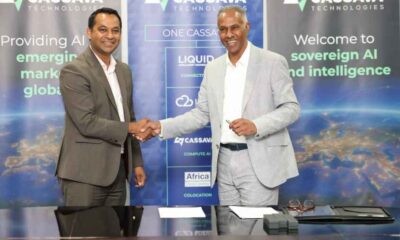
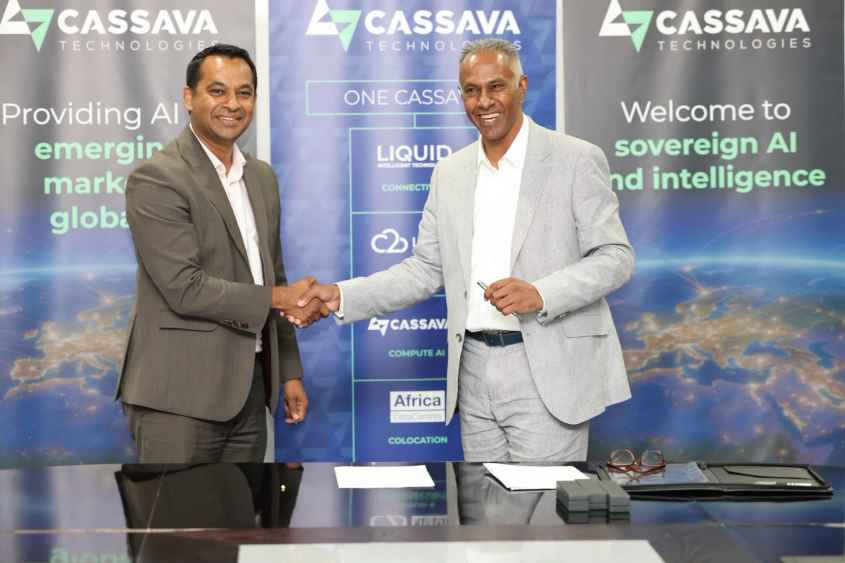
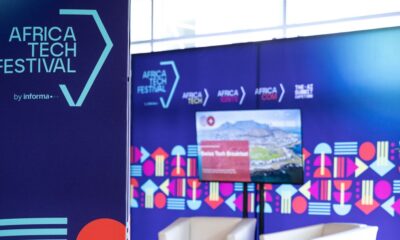
CAPE TOWN, South Africa, November 18, 2026/APO Group/ –Cassava Technologies (https://www.CassavaTechnologies.com/), a global technology company of African heritage, and Mauritius Telecom (MT) have signed a memorandum of understanding (MoU) at Africa Tech Festival to develop a strategic partnership focused on strengthening compute and model access for MT’s AI services and exploring opportunities for myt Learn, MT’s AI-powered education platform, in South Africa and other African markets.


Cassava’s NVIDIA-powered AI Factory in Cape Town is Africa’s most powerful supercomputer. The partnership combines this computing scale, Cassava’s AI platforms and regional reach with MT’s own AI products, local language capabilities and operating experience.

This partnership brings together products we have developed and Cassava’s infrastructure and reach to take that work further

“Realising AI’s promise in Africa requires more than potential; it takes infrastructure, technology, and proven expertise. By pairing Mauritius Telecom’s AI products and operating experience with Cassava’s AI infrastructure and reach, we aim to bring locally relevant AI services and education solutions to more African markets,” said Ziaad Suleman, SVP Cassava Technologies for South Africa and Botswana.

“We are building AI capability in Mauritius that can also serve other African markets. With myt Learn, we are already putting that capability to work in our schools, supporting both students and teachers. This partnership brings together products we have developed and Cassava’s infrastructure and reach to take that work further. Our ambition is to make trusted AI useful and accessible, while ensuring that those responsible for its use retain meaningful control,” said Veemal Gungadin, CEO of Mauritius Telecom.

The companies will explore access to Cassava’s AI Factory as an additional source of on-demand computing capacity for MT’s AI offerings, alongside access to AI models through CAIMEx, Cassava’s AI platform. Cassava capacity and model access would be used only for workloads where customers permit it. These options would complement MT’s existing myt AI Cloud platform and infrastructure in Mauritius, and could support its expansion into other African markets.

In education, the partners will jointly assess opportunities for myt Learn, starting with South Africa’s public and private education sectors, with potential expansion into other Cassava markets. Created by MT and rolling out in Mauritian schools for selected grades, myt Learn provides curriculum-aligned guided lessons, a multilingual AI tutor and personalised revision. Teachers have access to performance insights and AI tools for marking, test creation and lesson preparation. The platform can be adapted to local curricula and teaching needs.

Together, the companies aim to show how telecommunications operators can bring locally relevant AI services to customers and take African-developed products into new markets.

Distributed by APO Group on behalf of Cassava Technologies.


Continue Reading

Business

Afreximbank puts trade finance and compliance at the heart of Africa’s industrial transformation

Published

on

afreximbank

The forums will also explore how digitalisation, artificial intelligence and innovative financial instruments can improve trade efficiency, reduce costs and strengthen risk management

GABORONE, Botswana, November 17, 2026/APO Group/ –Afreximbank (www.Afreximbank.com) has called for increased financing of intra-African trade, stronger regulatory compliance frameworks and greater investment in value-added production to accelerate the continent’s economic integration and industrial transformation.


Speaking at the opening ceremony of the inaugural jointly held Afreximbank Trade Finance Seminar and Compliance Forum in Gaborone, Mr Lesego Moseki, Governor of the Bank of Botswana, emphasised that compliance should be recognised as a strategic asset that strengthens resilience, builds trust and enhances competitiveness. He called for greater collaboration among regulators, financial institutions and development finance institutions to foster a more harmonised and efficient trading environment across Africa.

In his opening remarks at the 2026 Afreximbank Trade Finance Seminar (ATFS) and Afreximbank Compliance Forum (ACF), Mr Haytham El Maayergi, Executive Vice President, Global Trade Bank, Afreximbank, highlighted the need for trade finance and compliance frameworks to work hand in hand to unlock the full potential of the African Continental Free Trade Area (AfCFTA) and accelerate intra-African trade.

“To build an integrated African market we to finace  connects us, and we cannot expand that trade sustainably without the trust, transparency and compliance systems that underpin it.”

El Maayergi said the changing global landscape made this imperative even more urgent, with geopolitical tensions and disrupted supply chains exposing the risks of overreliance on distant markets.

“As global markets look to diversify production beyond China, Africa must position itself as a natural partner of choice. The continent has the resources, vast land and, most importantly, its people. By 2050, one in four people globally will be African. Whether this demographic advantage becomes an asset or a liability will depend on the decisions we make today.

“To seize this opportunity, Africa must trade more with itself, and that trade must be adequately financed and underpinned by trust.”

He noted that although intra-African trade grew by 5.5 per cent in 2025, it still represents only around 14 per cent of Africa’s total trade. With 50 countries having ratified the AfCFTA but only 12 actively trading under its framework, he stressed that the priority must now be translating the agreement into tangible economic opportunities.

“We have opened the market. Our task now is to make that market work.

“It is about moving from exporting raw materials to processing, manufacturing, and creating greater value here in Africa. In other words, how can we get African resources to feed African industries and African businesses to serve African markets, while creating jobs for our people and retaining value that will support the growth and prosperity of African economies?”

As global markets look to diversify production beyond China, Africa must position itself as a natural partner of choice

Botswana’s industrial transformation presents opportunities for African trade

Highlighting Botswana’s role in advancing continental integration, Mr El Maayergi cited the country’s success in developing greater domestic participation in the diamond value chain, including the relocation of De Beers Group’s global rough-diamond sales activities from London to Gaborone.

He also highlighted the Botswana Stock Exchange’s collaboration with the Nigerian Exchange Group and other African exchanges to broaden cross-border investor access to the Dangote Petroleum Refinery IPO share offer.

Acting CEO of the Botswana Investment and Trade Centre (BITC), Mr Anthony Sefako, said Botswana’s economic transformation agenda presents significant opportunities for trade finance, investment and regional value-chain development.

“Botswana is currently pursuing a bold productive transformation, shifting from reliance on diamond mining towards a digitally enabled, export-led and diversified high-income economy.

“Botswana is targeting an increase in manufacturing exports to reach 23 per cent by 2036. From battery metal refining, pharmaceutical biomanufacturing and industrial steel to renewable energy hubs and agricultural value chains.

“The country is actively commercialising bankable industrial projects that require the very trade finance and supply chain liquidity tools being discussed during this gathering.”

Financing, innovation and compliance to unlock Africa’s potential

El Maayergi outlined four priorities to advance Africa’s trade and industrialisation agenda: integration, value creation, conviction in African enterprise, and trust.

He further highlighted Afreximbank’s role for regional integration through the Pan-African Payment and Settlement System (PAPSS), which enables cross-border payments in local currencies across more than 30 African countries. He also pointed to the Bank’s financing for mineral processing, its Strategic Minerals Development Programme and support for major African enterprises, including the Dangote Group.

He also mentioned XTRA, Afreximbank’s trading platform for African trade confirmations, which has facilitated more than US$1.5 billion in transactions and help develop a more liquid market for African risk.

On compliance, he emphasised the importance of effective regulatory and due diligence frameworks that facilitate rather than constrain trade. Such frameworks are essential to enabling African banks to maintain correspondent banking relationships, attract capital and participate confidently in global financial markets.

The forums will also explore how digitalisation, artificial intelligence and innovative financial instruments can improve trade efficiency, reduce costs and strengthen risk management. Afreximbank’s Africa Trade Gateway, which brings together TRADAR for trade information, MANSA for due diligence and verification, ATEX for market access and PAPSS for payments, was highlighted as an important part of this effort.

Distributed by APO Group on behalf of Afreximbank.


Continue Reading

Business

Tüyap highlights Middle East and North Africa (MENA) sourcing opportunities at the carpet expo in Istanbul

Published

on

Tüyap

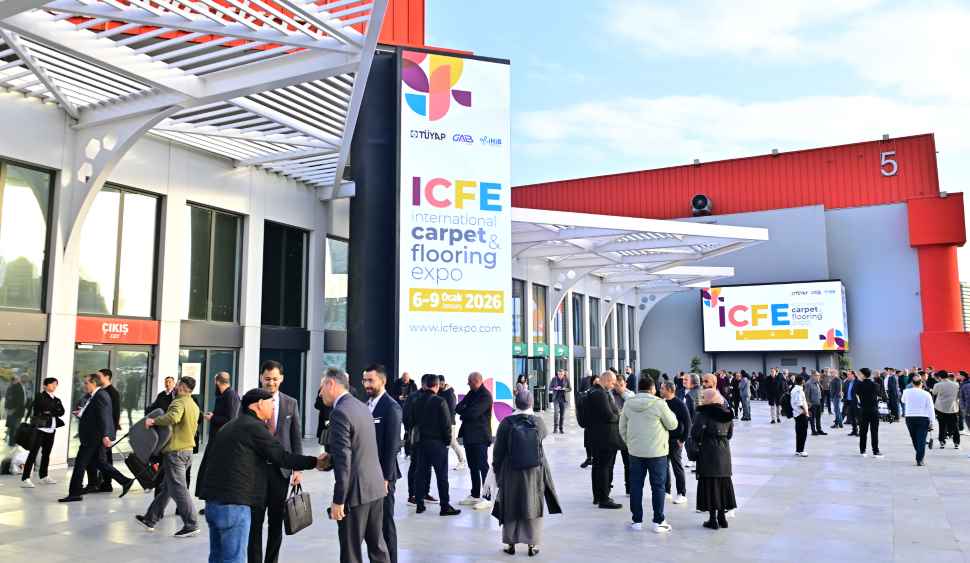
Organised by Tüyap in Istanbul, ICFE 2027 expects more than 500 exhibitors and 35,000 industry professionals, offering Middle East and North Africa buyers opportunities to meet international carpet and flooring suppliers

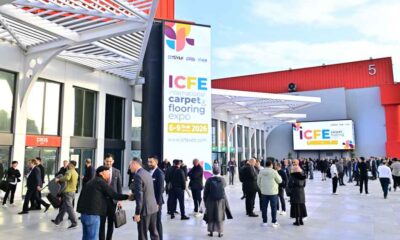
ISTANBUL, Türkiye, November 17, 2026/APO Group/ –Türkiye, a major global carpet manufacturing and exporting centre, will host the fourth International Carpet and Flooring Expo (ICFE 2027) (https://www.ICFExpo.com/en) in Istanbul from 6 to 9 January 2027. Organised by Tüyap (www.Tuyap.com.tr) Fairs and Exhibitions Organization Inc. in cooperation with the Southeastern Anatolia Carpet Exporters’ Association (GAHİB) and the Istanbul Carpet Exporters’ Association (İHİB), the event will bring international manufacturers and buyers together at the Istanbul Expo Center. Organisers expect more than 500 exhibitors and approximately 35,000 industry professionals from over 150 countries, including professional buyers from the Middle East and North Africa.


“Businesses across the Middle East and North Africa are looking for opportunities to compare products, meet manufacturers and develop supplier relationships across international markets,” said İlhan Ersözlü, General Manager at Tüyap Fairs Production Inc. “Bringing these connections together in Istanbul gives buyers and exhibitors a practical setting to explore new partnerships and understand where future trade opportunities may emerge.”

International participation expected to expand in 2027

ICFE enters its fourth edition following an event that attracted 445 exhibitors and 31,410 visitors from 127 countries in 2026. The 2027 targets point to a wider international gathering.

Manufacturers and exporters will showcase products to importers, distributors, wholesalers, retailers, architects and interior designers. The exhibition will cover handmade and machine-made carpets, rugs, textile materials, laminate and wood flooring, artificial grass and other floor coverings.

For international buyers, the event provides an opportunity to examine products from different suppliers, compare manufacturing capabilities and discuss potential commercial relationships in person.

Buyers from MENA among target markets

Professional buyers from the United Arab Emirates, Saudi Arabia and Morocco are among the international audiences expected at ICFE 2027, alongside visitors from Europe, Asia and the Americas.

For carpet and flooring businesses operating in these markets, the exhibition offers access to manufacturers and suppliers across multiple product categories. Importers and distributors can explore potential sourcing arrangements, while retailers, architects and interior designers can assess new collections, materials and design developments.

Businesses across the Middle East and North Africa are looking for opportunities to compare products

Istanbul’s location between Europe and Asia also supports the exhibition’s international business focus. Its extensive direct flight connections provide access for professionals travelling from the Gulf, North Africa and other major trading regions.

Organisers are conducting promotional activities in more than 80 countries across 6 continents. Targeted international campaigns, digital marketing and B2B matchmaking initiatives are intended to attract professional buyers and facilitate meetings with exhibitors.

Exhibition-specific customs arrangement aims to support foreign exhibitors

An exhibition-specific customs measure is also expected to support international participation at ICFE 2027.

Türkiye’s Ministry of Trade, Directorate General of Customs, has reduced the rate applied to the FOB (Free on Board) value of products brought to the exhibition by foreign exhibitors from 100% to 10% under the relevant temporary customs arrangement.

The measure applies specifically to ICFE 2027 and is intended to reduce the financial burden associated with bringing exhibition products into Türkiye.

For overseas exhibitors considering the event, the arrangement represents an additional factor in assessing the costs of participation and presenting products to potential international buyers.

Design and Industry Events Complementing Business Meetings

Alongside its commercial programme, ICFE 2027 will host industry discussions and design-focused activities.

Carpet Talks will bring industry professionals together to discuss developments in design, production, branding and the evolving carpet industry. Carpet Workshop will bring designers from different countries together to collaborate on creative projects.

These activities will complement the exhibition’s business meetings, providing manufacturers, designers and buyers with an opportunity to explore emerging approaches to carpet production and product development.

The four-day exhibition will take place at the Istanbul Expo Center in Yeşilköy from 6 to 9 January 2027. Further information is available at https://www.ICFExpo.com/en.

Distributed by APO Group on behalf of TÜYAP.


Continue Reading

Trending