Connect with us

Business

United Arab Emirates (UAE) Makes Play for African Renewables

Published

on

African Energy

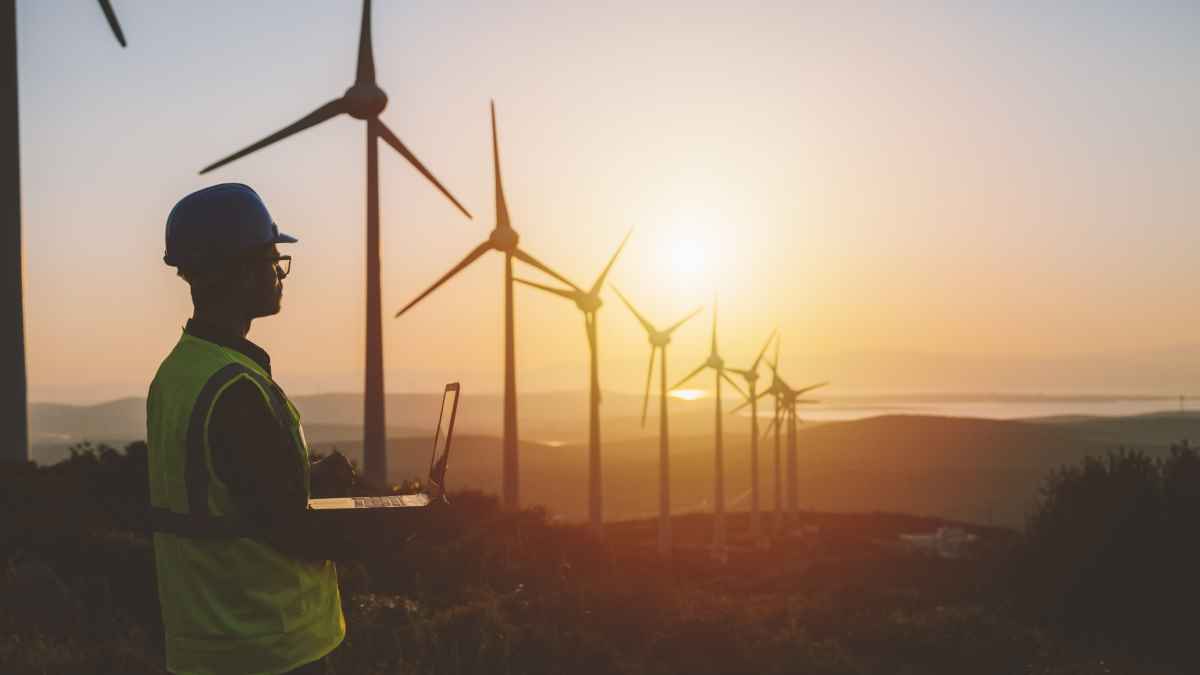
Following a string of recent investments from UAE firms, the Invest in African Energy 2024 forum invites GCC investors and project developers to unlock Africa’s renewable energy potential

PARIS, France, December 19, 2023/APO Group/ — 

Home to 39% of global renewable energy potential, Africa’s green energy sector offers lucrative opportunities for foreign companies and developers looking to diversify their portfolios, in line with COP28 commitments. For the Middle East, the African continent offers Gulf countries the ability to establish themselves as renewable energy market leaders, while exercising technical expertise and generating returns on investment. 

Africa is only beginning to understand the full potential of its renewable energy resources. The African Development Bank estimates the continent’s solar capacity potential to be as high as 10 TW, hydroelectric potential to be 350 GW, and geothermal potential to be 15 GW. Yet as of 2022, total installed renewable capacity on the continent was just shy of 59 GW. At the upcoming Invest in African Energy (IAE) forum taking place in Paris on May 14–15, 2024, this untapped potential will be explored, with a view to connecting MENA, Europe and Africa’s energy players to advance energy security and climate diplomacy goals.

UAE Leads Investments

Last September, the UAE’s AMEA Power (https://apo-opa.co/3veNfd5) announced plans to construct a 1 GW green hydrogen project in Mombasa, Kenya, utilizing electricity generated from existing geothermal plants. The renewable energy company has also agreed to develop a 200 MW geothermal project in Uganda; a 300 MW wind farm in Ethiopia; and a solar and battery initiative in Djibouti. To advance a 1 GW green hydrogen initiative in Mauritania, AMEA Power signed two Memoranda of Understanding during COP28, targeting the development of a 100 MW solar photovoltaic (PV) plant and 100 MW wind farm.

Emirati state-owned renewable energy firm, Masdar, recently inked agreements to develop renewable projects in Uganda with a total capacity of approximately 1 GW

Emirati state-owned renewable energy firm, Masdar, recently inked agreements to develop renewable projects in Uganda with a total capacity of approximately 1 GW. In Angola, Masdar has signed agreements (https://apo-opa.co/3v43PMS) to develop 150 MW of solar projects in Quipungo, as part of its broader commitment to develop 2 GW of renewable capacity in the country.

Earlier this year, Infinity Power – a joint venture between Masdar and Egypt’s Infinity – acquired a 60% stake in independent power producer Lekela Power, which boasts over 1,300 MW of wind power assets across the African continent, including the 143 MW Khobab, 143 MW Kangnas and 143 MW Loeriesfontein wind farms in South Africa. The acquisition aligns with the company’s strategic interest in expanding its renewable footprint in Africa. Masdar is also pursuing a partnership with Africa50 to undertake floating solar PV projects in Mozambique, as well as developing 500 MW of renewable capacity in the Republic of the Congo.

Meanwhile, the UAE launched its Etihad 7 program at the start of this year, pledging to deliver clean energy to millions of Africans by 2035. Sultan Ahmed al-Jaber, COP 28 President-Designate and CEO of Abu Dhabi National Oil Company and Masdar, pledged $4.5 billion to aid African economies in accelerating their green transition, and urged developed nations to fulfill the $100 billion in annual green finance previously committed for developing countries. While the UAE has been leading renewable energy investment in Africa to date, Saudi Arabia, Qatar and other Gulf nations have stated their interests in accelerating project developments and participating in sustainable economic growth across the continent.

The IAE 2024 forum serves as a pivotal platform for connecting Gulf energy companies and developers with African resources. Taking place in Paris, the event serves as a strategic alignment of European and Middle Eastern energy interests (https://apo-opa.co/48qsYQ6), aimed at fostering mutually beneficial partnerships and unlocking new green energy finance. In alignment with global transition goals, investors can engage with opportunities for clean energy technologies and infrastructure and take advantage of the continent’s vast renewable resources.

Distributed by APO Group on behalf of Energy Capital & Power.

Business

Africa Launches the First Pan-African Pact for Insurance Inclusion

Published

on

400 decision-makers gathered in Cotonou to accelerate access to insurance and contribute to doubling insurance penetration by 2040

DAKAR, Senegal, June 23, 2026/APO Group/ –Faced with a major paradox representing nearly 19% of the world’s population while accounting for less than 1% of global insurance premiums African insurance stakeholders are mobilizing.


From July 6 to 8, 2026, the Federation of African National Insurance Companies (FANAF) will organize the General Assembly on Insurance for All at the Sofitel Hotel in Cotonou, Benin, a major pan-African gathering dedicated to inclusive insurance.

The event will bring together nearly 400 African decision-makers from governments, regulatory and supervisory authorities, insurance and reinsurance companies, financial institutions, development banks, technical and financial partners, as well as professional organizations from across the continent.

The ambition is clear: to foster a shared vision and concrete commitments aimed at accelerating access to insurance for African populations while strengthening the sector’s contribution to the continent’s economic and social development priorities.

The discussions will culminate in the adoption of the Pan-African Pact for Insurance Inclusion and a 2026–2030 Strategic Action Plan, designed to structure collective action around an ambitious objective: contributing to the doubling of insurance penetration across the FANAF region by 2040.

An Economic, Social and Development Imperative

Within the CIMA zone, insurance penetration remains below 1% of GDP, compared to more than 6% globally.

As a result, millions of households, farmers, entrepreneurs, SMEs and informal sector actors remain deprived of essential protection mechanisms against health, climate, economic and social risks.

For FANAF, this reality now constitutes a major development challenge.

Africa cannot build sustainable growth without strengthening protection mechanisms for its populations, businesses and investments

“Africa cannot build sustainable growth without strengthening protection mechanisms for its populations, businesses and investments. The Cotonou General Assembly must mark the starting point of a new continental ambition for African insurance and its role in the continent’s economic transformation,” said Mamadou Koné, President of FANAF.

Beyond Insurance: A Driver of Continental Transformation

For FANAF, insurance is no longer merely a risk coverage mechanism. It is also a strategic lever for economic resilience, savings mobilization, investment security, SME financing, support for climate transitions and the strengthening of financial inclusion.

Through this General Assembly, FANAF seeks to reposition insurance as a key stakeholder in Africa’s economic, social and financial transformation.

A Pact to Accelerate Action

The conclusions of the General Assembly will lead to the adoption of the Pan-African Pact for Insurance Inclusion, a reference framework intended to mobilize governments, regulators, market players, financial institutions and development partners around shared objectives.

The Pact will be accompanied by a 2026–2030 Strategic Action Plan defining priority intervention areas, coordination mechanisms and monitoring arrangements for the commitments undertaken.

A broad mobilization of public, private and financial partners will support its implementation in order to translate commitments into tangible results for African populations and economies.

Cotonou 2026: Building a Shared Vision

Beyond the insurance sector, the General Assembly aims to create an unprecedented platform for dialogue between governments, regulators, investors, financial institutions, technical partners and market actors in order to identify the levers needed to accelerate insurance inclusion across the continent.

Holding this event in Benin reflects the country’s broader economic and financial transformation momentum and illustrates the collective determination of African stakeholders to develop solutions tailored to the continent’s realities.

Through this initiative, FANAF intends to make Cotonou 2026 a defining moment for the future of African insurance and the starting point of a lasting continental mobilization in favor of insurance inclusion.

Distributed by APO Group on behalf of Fédération des Sociétés d’Assurances de Droit National Africaines (FANAF).


Continue Reading

Business

Flat6Labs and International Finance Corporation (IFC) Launch StartAlgeria, a Capacity-Building Program Designed to Empower the Organizations Progressing Algeria’s Startup Ecosystem

Published

on

StartAlgeria comes at a key moment for Algeria’s entrepreneurship landscape, shifting the focus toward improving how the ESOs operate by providing them with international best practices

ALGIERS, Algeria, June 23, 2026/APO Group/ –Flat6Labs (www.Flat6Labs.com) and IFC in collaboration with the Ministry of Knowledge Economy, Startups and Micro-Enterprises are launching StartAlgeria, a capacity-building program that puts Entrepreneur Support Organizations (ESOs) at the forefront of Algeria’s ecosystem future. The program is designed to equip Algerian ESOs reinforcing pre-seed and seed-stage startups with the expertise, frameworks, and networks needed to contribute to a stronger, more competitive entrepreneurship ecosystem in Algeria and expand into global markets.


StartAlgeria comes at a key moment for Algeria’s entrepreneurship landscape, shifting the focus toward improving how the ESOs operate by providing them with international best practices adapted to each organization’s needs, a community-driven approach that focuses on peer learning, and facilitating connections with investors, policymakers, and key stakeholders.

Algeria’s entrepreneurial community is among the most dynamic and vibrant in the region, and the potential is not just real, it is ready to scale

StartAlgeria will pilot a first cohort focusing on incubators in the capital, Algiers. Following a call for application, the selected ESOs will go through a structured program comprising workshops and masterclasses covering key areas such as startup selection, program design and delivery, and investment readiness. In addition to the core program, participating ESOs will benefit from 6months of post-program mentorship, focusing on areas such as fundraising strategy, partnership development, financial sustainability, and program improvement. This sustained engagement’s goal is to provide a lasting impact in how Algerian ESOs operate and what they’re able to offer the startups they champion.

Yehia Houry, CEO of Flat6Labs, shares “Algeria’s startup ecosystem is demonstrating remarkable potential and a rapidly growing level of maturity, driven by an ambitious new generation of founders, increasing institutional support, and a strong national commitment to innovation and entrepreneurship. The opportunity today lies in further empowering entrepreneurship support organizations to match this momentum by strengthening their ability to identify and nurture high-potential startups, deliver impactful and results-driven programs, and create stronger connections between entrepreneurs and sources of capital. With the right support structures in place, Algeria is well positioned to become one of the leading innovation hubs in the region.”

“Algeria’s entrepreneurial community is among the most dynamic and vibrant in the region, and the potential is not just real, it is ready to scale. Through StartAlgeria, we are committed to ensuring that the organizations standing behind founders are equipped with the tools, frameworks, and expertise to take them from early ideas to investment-ready ventures. This program is a direct expression of IFC’s long-term confidence in Algeria’s private sector and in the ecosystem’s capacity to produce the next generation of high-impact companies.” underscored Cemile Hacibeyoglu Ceren, WBG Resident Representative in Algeria.

“The launch of StartAlgeria marks an important step in reinforcing Algeria’s startup support ecosystem. By strengthening the capabilities of Entrepreneur Support Organizations, we are investing in the long-term growth, resilience, and international competitiveness of Algerian startups. This initiative reflects our shared ambition to build a dynamic innovation-driven economy and create new opportunities for entrepreneurs across the country,” said H.E Mr. Noureddine Ouadah, Minister of Knowledge Economy, Startups and Micro-Enterprises.

This IFC program is implemented in partnership with the Government of the Netherlands.

Distributed by APO Group on behalf of Flat6Labs.

Continue Reading

Business

Hong Kong unlocks new opportunities with Central Asia

Published

on

HONG KONG SAR – Media OutReach Newswire – 23 June 2026 – Led by Chief Executive of the Hong Kong Special Administrative Region (HKSAR), John Lee, a high-level delegation visit to Kazakhstan and Uzbekistan (May 31 – June 5) is already paying dividends, forging fresh opportunities to deepen ties between Central Asia, Hong Kong and the Chinese Mainland.

The business delegation comprised over 70 representatives from Hong Kong and Mainland enterprises of various sectors.

During the visit, 96 bilateral memoranda of understanding and agreements were reached, including a total of 15 co-operation documents at the government level between Kazakhstan and Uzbekistan respectively.

“The examples of agreements and co-operation are just so abundant that they range from the service sector to heavy industries such as mining and infrastructure development,” Mr Lee said. “I think the sky is the limit.”

The multiple outcomes achieved during the trip demonstrate Hong Kong’s role as a functional platform for the Belt and Road (B&R) Initiative, as the city actively plays its roles as a “super connector” and “super value-adder” to promote broader and deeper co-operation between the two places and establish a hub-to-hub co-operation model.

“Kazakhstan is an important commercial and logistics hub connecting China and Europe. It is also the place where the Belt and Road Initiative was first proposed, and is Hong Kong’s largest trading partner in Central Asia. There are broad prospects for further co-operation,” Mr Lee said, adding that a lot of B&R projects are also being pursued in Uzbekistan.

“For example, Uzbekistan sits in the heart of the corridor of Asia and Europe, so logistical development, railway development, and also how we can complement and supplement each other in cargo handling will be an area for a very wide range of co-operation.”

The Chief Executive also encouraged companies in Central Asia to leverage Hong Kong’s advantages under the “one country, two systems” principle.

“Under this unique principle, Hong Kong has its own economic, social, legal, legislative and judicial systems. We are the only common law jurisdiction in China. We have our own currency, with no capital or foreign exchange controls. We are, as well, a separate customs territory,” Mr Lee said.

Building on the positive outcomes from the delegation’s mission to Central Asia, Mr Lee welcomed the Deputy Prime Minister of Kazakhstan, Kanat Bozumbayev, to Hong Kong (June 10) and they both attended the Alatau City Investment Round Table (June 11).

Speaking at the event, Mr Lee said Hong Kong could contribute to the future success of Kazakhstan’s innovative, high-tech Alatau City in three concrete ways: as a gateway to global capital; a gateway to the Chinese Mainland and the Greater Bay Area; and as a partner in talent and technology.

“We share a development vision with Alatau City and Kazakhstan,” Mr Lee said, “Today, right here, right now, is a golden opportunity to bring our two economies closer together.”

He looked forward to Hong Kong and Kazakhstan achieving complementary advantages and co-ordinated development across different sectors and welcomed enterprises in Kazakhstan to make good use of Hong Kong’s premier financial and innovation and technology platforms, as well as its world-leading professional services, to explore more business opportunities.


Continue Reading

Trending

Exit mobile version