Connect with us
Anglostratits

Business

The OPEC Fund for International Development (OPEC Fund) approves close to US$1 billion in new development financing

Published

on

OPEC

These projects will benefit countries across the globe and aim to bolster infrastructure, food security, renewable energy, economic resilience and governance in partner countries

VIENNA, Austria, December 10, 2024/APO Group/ — 

The OPEC Fund for International Development (OPEC Fund) (www.OPECFund.org) has approved close to US$1 billion in new development financing over the last quarter of 2024, including during its 190th Governing Board meeting in Vienna today. These projects will benefit countries across the globe and aim to bolster infrastructure, food security, renewable energy, economic resilience and governance in partner countries.

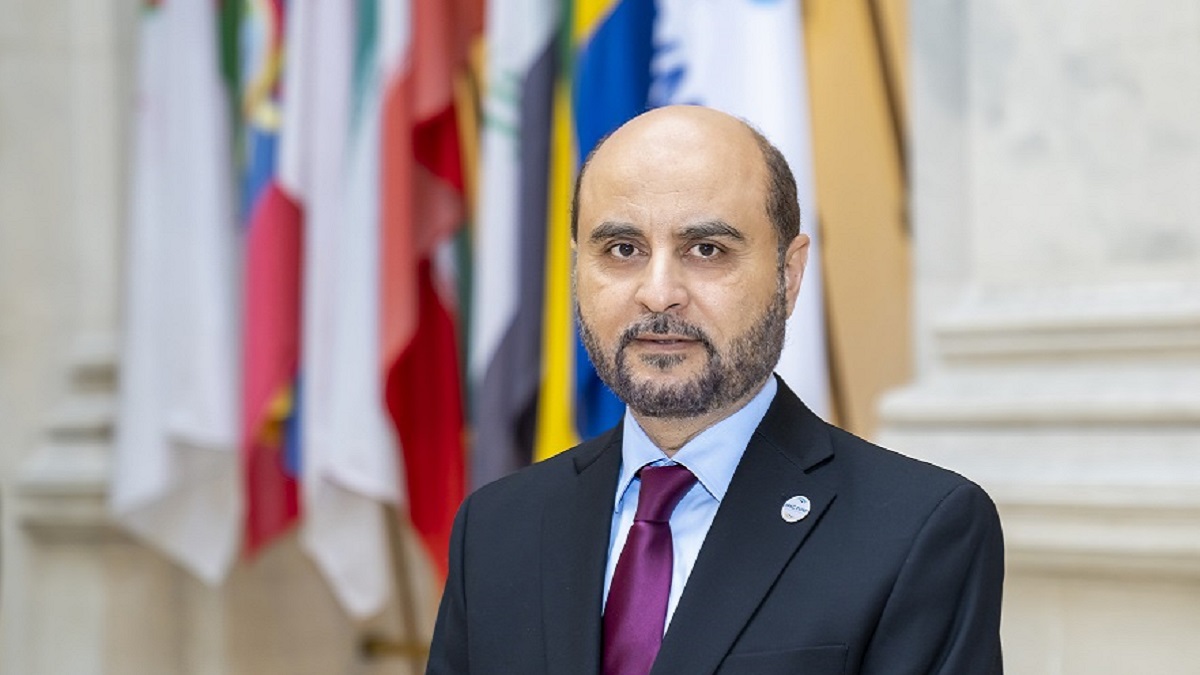
OPEC Fund President Abdulhamid Alkhalifa said: “2024 has been a landmark year for the OPEC Fund, marked by a significant increase in project approvals and commitments across key sectors, helping to build resilience, develop sustainable infrastructure and address climate change. Our latest round of financing reflects the OPEC Fund’s ongoing dedication to delivering impactful solutions that drive meaningful change for millions of people. We remain focused on working with partners worldwide to tackle today’s challenges and build a better tomorrow.”

The OPEC Fund most recently approved projects since September 2024 (in alphabetical order):

Public Sector Operations:

Bangladesh: A €96.1 million loan will co-finance the Strengthening Economic Management and Governance Program with the Asian Development Bank (ADB). This initiative supports the government’s reform agenda to strengthen private sector development, trade logistics and governance. It aims to improve domestic resource mobilization, enhance public sector transparency and promote the diversification of exports.

Burkina Faso: A US$30 million loan will support the Human Capital Protection Project, which aims to provide 17 million free healthcare consultations, immunize one million children under age five and improve education for 91,000 teachers and 748,000 students. The initiative is co-financed with the World Bank.

Chad: A US$16 million loan will promote the Rice Farming Development Project in Chari-Logone, co-financed with BADEA. The project will benefit 2,000 households, with half the beneficiaries being women and youth, by enhancing agricultural productivity, rural infrastructure and agribusiness practices in selected provinces.

Comoros: A US$17.5 million loan will support the First Fiscal Management and Resilient Growth Development Policy. This program aims to improve debt management, enhance disaster resilience and strengthen the country’s economic stability and governance frameworks.

El Salvador: A US$30 million loan will co-finance the Rural Adelante 2.0 Program in partnership with the International Fund for Agricultural Development (IFAD). The program will support 74,000 smallholder farmers and rural families by improving agricultural practices, market access and climate resilience, ultimately boosting incomes and food security.

The Gambia: A US$20 million loan will fund the Rural Infrastructure Development Project (Phase 2), which will improve access to agricultural markets through enhanced rural infrastructure. The project will benefit local farmers and communities with interventions in agriculture value chains and improved connectivity to markets.

Honduras: A US$50 million loan will support the Women’s Empowerment and Social Inclusion Program promoting gender equality and empowering marginalized groups, including indigenous and Afro-descendant populations.

Kenya: A €60 million loan will co-finance the Economic Inclusion and Green Recovery Support Program with the African Development Bank. This initiative aims to create more inclusive and competitive markets, improve governance frameworks and promote green economic recovery.

Malawi: A US$20 million loan will co-finance the Mangochi–Mwanjati–Makanjira Road Project (Phase I). This project will benefit some 300,000 people by enhancing regional connectivity, reducing travel times and supporting economic development.

Mauritania: A US$40 million loan will help fund the Mauritania-Mali Power Interconnection and Related Solar Power Plants Development Project, alongside multiple development partners. The project will connect 80,000 households to electricity, promote renewable energy and reduce greenhouse gas emissions.

Our latest round of financing reflects the OPEC Fund’s ongoing dedication to delivering impactful solutions that drive meaningful change for millions of people

Montenegro: A €50 million loan, the OPEC Fund’s first engagement in the South-East European country, will support the Resilient Fiscal and Sustainable Development Program. The project focuses on improving fiscal sustainability, energy efficiency and waste management, while reducing greenhouse gas emissions.

Senegal: A US$60 million loan will fund the Senegal Food Sovereignty Strategy Support Project to enhance agricultural productivity, climate resilience and market access for 220,000 households with a focus on women and youth.

Sierra Leone: A US$30 million loan and a $2 million grant will support the Livestock and Livelihoods Development Program. This initiative will enhance livestock productivity, establish small and medium-sized enterprises and improve nutrition and income for rural communities. It is expected to create some 20,000 new jobs along the agricultural value chain and contribute to sustainable agricultural development.

Sri Lanka: A US$50 million loan will co-finance the Second Resilience, Stability, and Economic Turnaround Development Policy Operation to restore macroeconomic stability, improve fiscal governance and protect vulnerable populations.

Türkiye: A €50 million loan to the Climate Finance Facility Project will support investments in renewable energy, energy efficiency and climate adaptation. The project will be implemented by the Turkish Industrial and Development Bank (TSKB) and aligns with Türkiye’s net-zero target for 2053.

Uzbekistan: A €70 million loan will support the Second Inclusive and Resilient Market Economy Development Program. This initiative focuses on improving fiscal risk management, enhancing social inclusion and fostering private financing for climate action.

Private Sector Operations:

Côte d’Ivoire: A €35 million loan to a local bank will support on-lending to small and medium-sized enterprises (SMEs), addressing a financing gap for local companies. The loan will improve SMEs’ access to finance, fostering economic growth and job creation. Small enterprises represent nearly all businesses in Côte d’Ivoire.

Côte d’Ivoire: A €50 million participation in a trade finance facility will support the procurement and export of traceable cocoa, benefiting one million producers and five million people reliant on the cocoa sector.

Dominican Republic: A US$10 million loan to a local bank will support on-lending to micro, small, and medium enterprises (MSMEs) and women-led businesses, fostering economic growth and financial inclusion.

Egypt: A US$40 million loan will support the construction of two wind farms with a total capacity of 1.1 GW in the Gulf of Suez. This renewable energy project will provide clean energy to over 1.3 million households and contribute to Egypt’s goal of sourcing over 40 percent of electricity from renewables by 2035.

Ghana: A US$20 million participation in a secured trade finance facility will support the purchase, storage, and processing of cocoa beans. The facility will help expand access to premium cocoa in global markets.

Paraguay: A US$40 million syndicated loan to a local bank will support the growth of the bank’s SME loan portfolio and financing for agricultural projects, including women-led SMEs and green energy initiatives.

Uzbekistan: A US$30 million loan to Joint Stock Innovation Commercial Bank “Ipak Yuli” will expand lending to MSMEs, including women-owned businesses, fostering economic growth and job creation.

Technical Assistance Grant:

Regional (Asia and the Pacific): A US$1.5 million technical assistance grant will support the implementation of the Nature Solutions Finance Hub in partnership with the Asian Development Bank (ADB). The initiative aims to scale up investments in nature-based solutions to address biodiversity loss and climate change, targeting US$5 billion in financing flows by 2030.

Distributed by APO Group on behalf of OPEC Fund.

Energy

Building a Knowledge Hub for China-ASEAN Energy Cooperation

Published

on

ASEAN

NANNING, CHINA – Media OutReach Newswire – 21 September 2026 – During the 23rd China-ASEAN Expo and the China-ASEAN Business and Investment Summit, China Southern Power Grid showcased a range of innovations designed to support energy cooperation between China and ASEAN. These included the DaWatt – Lao Language Large Language Model (LLM) for the Energy and Power Sector V2.0 and the Flexible Grayscale Intelligent Monitoring & Analysis Platform for power system cybersecurity, highlighting expanding opportunities for cooperation in digitalization, intelligent technologies and green energy.

The Lao-language LLM has been deployed at Electricité du Laos Transmission Company Limited (EDL-T), where it can automatically analyze thousands of inspection images within a short period of time. After its algorithms were optimized for Laos’ mountainous and rainforest terrain, the model completed intelligent inspection analysis for four transmission lines, processing 26,000 drone inspection images and identifying more than 3,600 equipment defects.


Liu Ying, general manager of the Digitalization Department at Guangxi Power Grid Co., Ltd., said the company has been building multilingual professional corpora for the power sector, covering ASEAN countries including Laos, Vietnam and Malaysia. Drawing on the capabilities of the DaWatt foundation model, the company is developing energy and power models tailored to ASEAN languages and real-world power industry applications.

Talent development is another focus of the cooperation. The China-ASEAN Institute of Energy, jointly established by Guangxi Power Grid Co., Ltd. and Guangxi University, is exploring an industry-university training model with a strong emphasis on practical experience. So far, two cohorts totaling 53 students from ASEAN countries have enrolled.

Cooperation is also evolving from one-way training toward joint innovation. Guangxi Power Grid Co., Ltd. and the Royal Academy of Cambodia have jointly established a laboratory for artificial intelligence and safety equipment, while the company has also launched peer-to-peer exchanges with Electricité du Laos on improving power supply reliability.

To address language barriers in cross-border technical exchanges, Guangxi Power Grid Co., Ltd. has developed an AI-powered translation platform backed by a specialized database containing terminology for more than 1,800 types of power equipment. The platform supports accurate translation between Chinese and English, Chinese and Lao, and Chinese and Vietnamese.

At a recent training program for Chinese and overseas engineers, the system supported one-click generation of bilingual course materials and real-time speech translation, helping participants navigate highly specialized power-sector terminology.

To support regular international exchanges, Guangxi Power Grid Co., Ltd. has also established an international talent pool covering management, technical and skilled personnel. It has developed 24 hours of courses on international affairs as well as 20 short-form video courses.

“This year, we will also explore joint postgraduate programs with universities in ASEAN countries,” said Sun Xiaohua, deputy director of the Human Resources Department at Guangxi Power Grid Co., Ltd.

Looking ahead, Guangxi Power Grid Co., Ltd. plans to further advance a development model featuring “R&D in Beijing, Shanghai and Guangdong, integration in Guangxi, and application in ASEAN.” The company will continue expanding its multilingual power-sector corpora and explore a “Token Goes Global” model for power-sector AI, with computing resources and models based in Guangxi while knowledge services are delivered overseas. The effort is aimed at creating new forms of China-ASEAN energy cooperation and supporting the green development of the China-ASEAN Free Trade Area 3.0.


Continue Reading

Events

24th Sichuan Guangwu Mountain International Red Leaf Festival to Showcase Asia’s Spectacular Autumn Colors

Published

on

Red Leaf Festival

BAZHONG, CHINA – Media OutReach Newswire – 21 September 2026 – The 24th Sichuan Guangwu Mountain International Red Leaf Festival will run from October 1 to November 18 at the Guangwu Mountain Tourism Area in Bazhong, Sichuan Province, China.

Located in southwest China, Guangwu Mountain boasts a forest coverage rate of 97%, earning its reputation as a “natural oxygen bar.” Each autumn, 680 square kilometers of mountain forests burst into a dazzling palette. Over 40 tree species, including Fagus pashanica, maples and lindens, weave the mountains into a stunning autumn landscape.

Known as “Asia’s longest natural red carpet,” the Mountain has become a top autumn destination for backpackers, photographers and travelers seeking immersive cultural and nature experiences, and is widely recognized as one of western China’s signature autumn attractions.


The tourism area caters to international visitors who prefer slower-paced, in-depth, off-the-beaten-path travel. The new Yanziling Loop Boardwalk, launched in May 2026, winds along mountain cliffs, with a sea of clouds rolling beneath visitors’ feet and brilliant foliage unfolding alongside the trail, creating the feeling of “stepping into a painting.”

Guangwu Mountain offers a wealth of outdoor attractions. Highlights include the 1,888-meter Red Leaf Coaster and a glass water slide certified by Guinness World Record, combining thrilling experiences with stunning natural scenery.

The large-scale immersive production “New Dream of Guangwu Mountain” integrates cutting-edge light and visual technology with Bashan folklore and traditions, transforming the forest into an atmospheric nighttime experience. Visitors can also enjoy welcome performances and interactive robot activities, which offer more ways to discover the mountain’s late-autumn charm.

A major highlight of this year’s festival is the newly completed Micang Avenue. Stretching 85 kilometers, the route connects seven core scenic spots, including Guangwu Mountain, Micang Mountain, and Nuoshui River, reducing a four-hour drive to just one hour. Lined with continuous stretches of colorful forest and layered peaks, the avenue brings brand-new travel experiences for autumn foliage enthusiasts.

The festival will also feature cultural, sports and international exchange activities, including the third season of the “Sending You a Red Leaf” campaign, the China Micang Avenue International Road Cycling Race, and the “World Red Leaf Landmark” global collection campaign.

In addition, 31 scenic attractions and 18 museums and cultural venues across Bazhong will provide special ticket offers and visitor benefits during the festival.

Across mountains and seas, Guangwu Mountain invites visitors from around the world to witness one of China’s most vibrant red-and-gold autumn displays.
The issuer is solely responsible for the content of this announcement.


Continue Reading

Business

DHL Invests in Greater Middle East-Africa Connectivity with New Aviation Lane

Published

on

DHL Express

The investment also reflects shifting global supply chains, as companies diversify sourcing, manufacturing and customer markets beyond traditional corridors

JOHANNESBURG, South Africa, September 21, 2026/APO Group/ —

  • New weekly B767/F Bahrain-Johannesburg service strengthens Sub-Saharan Africa connectivity and supports growing trade flows between Africa, the Gulf and global markets

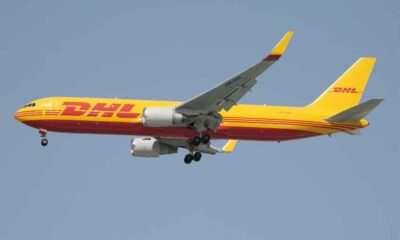
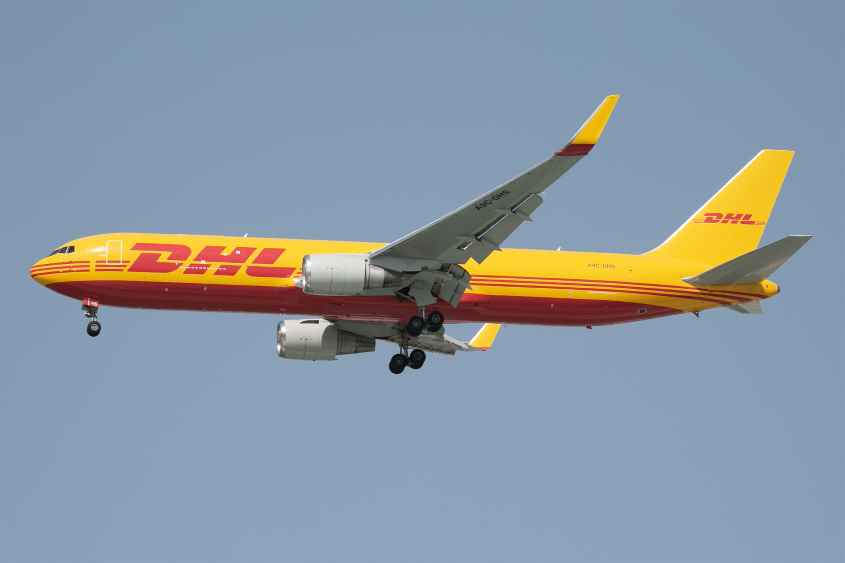
DHL Express (www.DHL.com) has marked an important milestone in its regional aviation network with the successful operation of the first direct DHL flight between Bahrain and South Africa.

The inaugural flight arrived at OR Tambo International Airport in Johannesburg, opening a new weekly aviation lane operated by a DHL Express B767/F freighter. The route reinforces DHL’s continued investment in strengthening Sub-Saharan Africa network connectivity, expanding heavier-weight capability, improving flexibility and supporting growing trade flows between the Middle East and Africa.


As trade between Africa and the Middle East develops, businesses need resilient, well-connected logistics networks. The new service provides greater inbound and outbound capacity for South Africa and neighbouring countries through the DHL Johannesburg Hub, one of the company’s key gateways on the continent.


The investment also reflects shifting global supply chains, as companies diversify sourcing, manufacturing and customer markets beyond traditional corridors. Bahrain’s position as a gateway between Africa, the Gulf and Asia make it an important link for businesses seeking faster access to international markets.


Every new connection we introduce is designed with our customers in mind

“Every new connection we introduce is designed with our customers in mind. As global trade routes diversify and economic ties between Africa and the Middle East continue to strengthen, we are seeing powerful geographical tailwinds creating new opportunities for businesses. Demand is growing across sectors such as healthcare, technology, manufacturing and cross-border e-commerce, all of which rely on fast, reliable international logistics,” said Anthony Beckley, Vice President of Operations and Aviation for DHL Express Sub-Saharan Africa.


“While this first direct DHL flight between Bahrain and South Africa is a significant network milestone, its real value lies in the opportunities it creates for customers.”


South Africa is one of DHL’s Geographic Tailwinds markets, reflecting its growing role in global trade flows and its potential to drive future trade growth. And Johannesburg remains a critical gateway in DHL’s SSA network, linking South Africa and neighbouring markets to global opportunities through Bahrain and the wider DHL aviation network. Through continued investment in routes, aircraft capacity and hub connectivity, DHL is supporting customers across this dynamic lane.


“DHL Express is the only logistics provider operating a dedicated intra-regional air fleet across the Middle East, connecting customers through Bahrain with major global gateways including Hong Kong, Leipzig and Cincinnati,” said Richard Gale, Vice President of Aviation, DHL Express MENA.


“Bahrain’s position at the crossroads of Africa and the Middle East makes it an ideal hub for customers seeking faster, more reliable access across these growing trade corridors. We are pleased to add this direct Johannesburg connection as economic ties between Africa and the Gulf deepen.”


DHL remains committed to helping customers seize opportunities created by changing trade patterns and expanding economic relationships.

Distributed by APO Group on behalf of DHL Express.


Continue Reading

Trending