NOUAKCHOTT, Mauritania, April 10, 2026/APO Group/ –Sheraton Hotels & Resorts, part of Marriott Bonvoy’s (
www.Marriott.com) portfolio of more than 30 hotel brands, recently celebrated the opening of Sheraton Nouakchott Hotel (
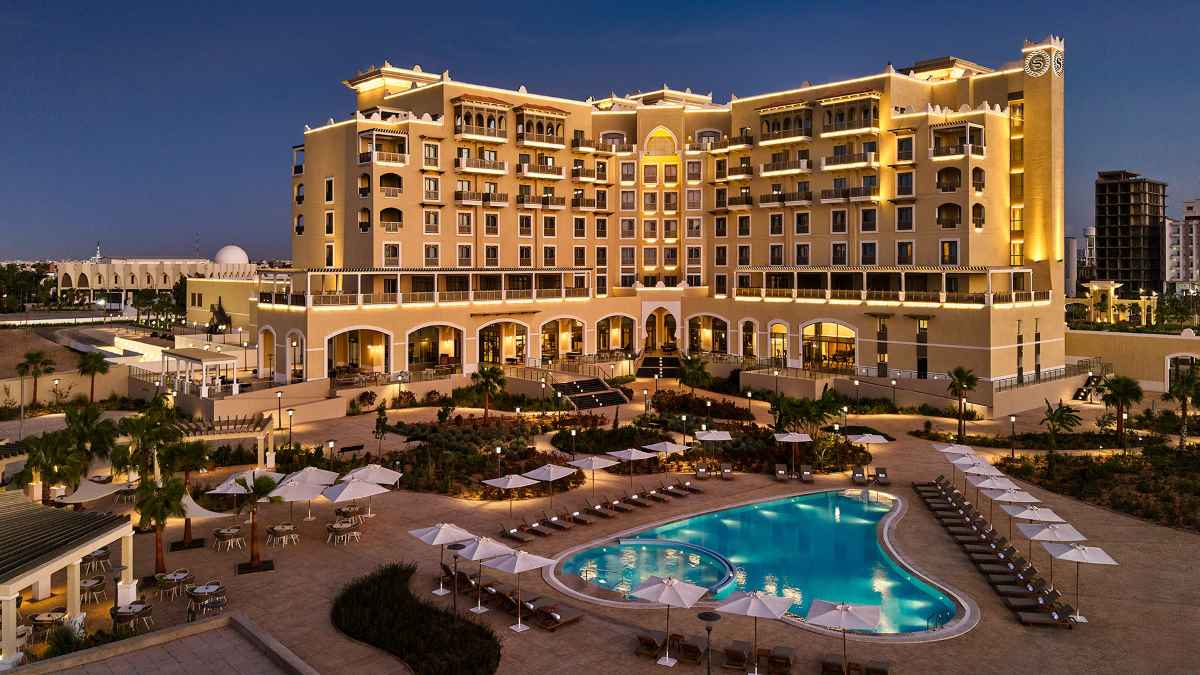
https://apo-opa.co/4t3YGO4), marking the entry of Marriott International into a new territory, Mauritania. Since opening its doors, Sheraton Nouakchott has, positioned itself as a new hub for business, events and leisure in the Mauritanian capital.
Nouakchott, the capital of Mauritania, is a coastal city where tradition and modernity meet. Nestled between the vast Sahara and the Atlantic Ocean, it serves as a gateway to the country’s breathtaking natural landscapes, from golden dunes and tranquil oases to rugged coastlines and untouched desert plains. As Mauritania’s cultural and economic heart, Nouakchott offers visitors a glimpse into the serene beauty and rich heritage that define this remarkable Northwest African nation.
Ideally located near iconic landmarks such as the Marché Capitale and the National Museum of Mauritania, as well as Nouakchott’s beaches and fishing port — and just a short distance from the desert — Sheraton Nouakchott offers an ideal base from which to discover the destination.
“We are proud to have brought Marriott International to Mauritania with the opening of Sheraton Nouakchott, the first internationally operated and branded hotel in the country. Since welcoming our first guests, the hotel has quickly established itself as a destination for both travellers and the local community. This milestone underscores our commitment to delivering exceptional hospitality experiences in emerging markets, while celebrating the culture and character of each destination,” said Sandra Schulze‑Potgieter, Vice President, Premium, Select & Midscale Brands, Europe, Middle East & Africa, Marriott International.
Local design inspiration
Traditional crafts, from wood carving to metalwork, are woven throughout the hotel’s materials and furnishings, creating spaces that feel both rooted and refined. Every detail tells a story of local artistry, heritage and place, offering guests an immersive experience inspired by Mauritania’s cultural and natural beauty.
Inspired by the legendary landmarks along the Trans‑Saharan trade route, the hotel’s design blends regional heritage with contemporary elegance. The circular ceiling of Feast restaurant draws inspiration from the Richat Structure, also known as the Eye of Africa. Earthy tones and organic materials reference the dramatic landscapes of the Adrar Mountains, while patterns inspired by Chinguetti and Oualata are reinterpreted throughout guest rooms, public spaces and Bene restaurant.
Meeting spaces echo the stone architecture of Tichitt, one of West Africa’s oldest towns and a historic caravan hub.
Guest rooms and suites with local charm
Sheraton Nouakchott features 200 spacious guest rooms and suites, including two Presidential Suites, combining contemporary comfort with subtle local touches. All rooms are equipped with the latest technology and Sheraton signature amenities, including the iconic Sheraton Sleep Experience.
The Sheraton Club offers Marriott Bonvoy Elite members and Club guests an elevated, all‑day experience, with curated food and beverage offerings, premium amenities, enhanced connectivity and a private environment designed for both productivity and relaxation.
Local flavours meet international influence
The hotel features two restaurants, a Lobby Bar and a Pool Bar. Feast, the all‑day dining restaurant, serves locally inspired and international dishes made with seasonal ingredients. Bene offers an immersive Italian dining experience in a warm, inviting setting. The Lobby Bar provides a relaxed meeting point from morning coffee to evening gatherings, while the Pool Bar offers refreshing drinks and light bites by the outdoor pool.
Facilities offering a resort feel in the heart of the city
Despite its central urban location, Sheraton Nouakchott delivers a resort‑like atmosphere, centred around an expansive outdoor pool. Guests can maintain their fitness routines in the fully equipped fitness centre — featuring separate floors for women and men, hammam and sauna — or enjoy the outdoor tennis court. The Sheraton Spa features three treatment rooms, offering a peaceful retreat after a day of exploration or meetings.
Meetings & events curated to perfection
Sheraton Nouakchott offers more than 2,600 square metres of flexible Meetings & Events space, including a Grand Ballroom, a Ballroom and four additional meeting rooms. A signature Sheraton Community Table sits at the heart of the hotel, providing a welcoming space for informal meetings, remote work and collaboration. A dedicated events team ensures seamless delivery from concept to execution.
Gatherings by Sheraton
In line with Sheraton’s global community‑centred approach, Sheraton Nouakchott hosts Gatherings by Sheraton, curated weekly experiences designed around enrichment, renewal and local stories. Guests and locals can take part in Mauritanian mixology sessions using local mint tea and fruits, or storytelling evenings inspired by Saharan traditions.







 Business5 days ago
 Business5 days ago
 Business5 days ago
 Business4 days ago
 Events4 days ago
 Business4 days ago
 Business4 days ago