Connect with us

Energy

Invest.EastAfrica! – Business and Investment Forum concluded with five new business partnerships to boost economic ties between Germany and East Africa

Published

on

Investment

Participants explored concrete cooperation opportunities in joint investment priority areas, such as agri-business, pharmaceuticals, AI, carbon credits as well as tourism

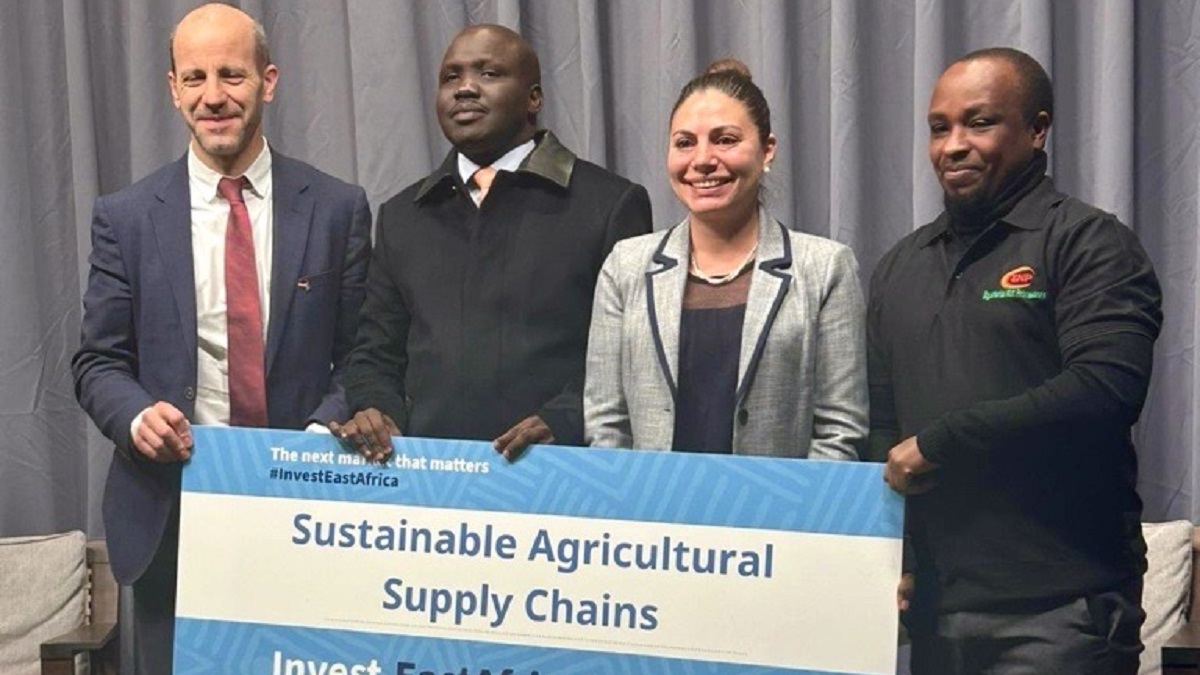
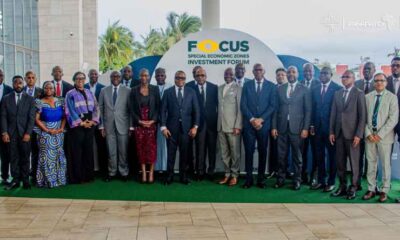
BERLIN, Germany, January 30, 2026/APO Group/ –The “Invest.EastAfrica! – Business and Investment Forum” concluded at the GIZ (www.GIZ.de/de) Representation in Berlin, launching five new business partnerships by leading European companies such as Bayer, Melitta and ofi with their East African partners. The partnerships are designed to accelerate sustainable trade, stronger value chains and inclusive growth — from digital business models and artificial intelligence to coffee and cashew processing, entrepreneurship, and venture building.

Parliamentary State Secretary to the Federal Minister for Economic Cooperation and Development, Bärbel Kofler: “The five partnerships between German and East African private sector actors and the BMZ presented today send a clear message: Germany and the EAC are driving a form of private sector cooperation that delivers economic growth while creating tangible benefits for people. The BMZ will continue its close collaboration with the East African Community to strengthen regional integration and improve reliable investment framework conditions.”

Over three days, companies moved from initial interest to structured project pipelines—agreeing next steps and timelines on a foundation of trust

Over the course of the forum, more than 350 representatives of German companies met a delegation of 60 East African businesses across a three-day programme in Frankfurt am Main and Berlin. Participants explored concrete cooperation opportunities in joint investment priority areas, such as agri-business, pharmaceuticals, AI, carbon credits as well as tourism.

East Africa is fast consolidating its positions as Africa’s economic powerhouse with inter-regional trade expanding by more than 12 percent. At the same time, the East African Community is reviving their efforts to finalise the EAC-EU Economic Partnership Agreement—a timely step, given that the EU currently ranks only as the region’s fourth-largest trading partner. Against this backdrop, the forum—hosted in the State of Hesse, one of Germany’s economic powerhouses—aimed to deepen German-East African economic ties and diversify both regions trade and investment portfolios in an era of mounting geopolitical challenges.

“At a time when the world is once again turning to isolation, we are sending a clear signal for open trade and the diversification of our economic relations. East Africa, with its more than 320 million inhabitants, is an important future market for Hessian companies—dynamic, innovation-strong and strategically relevant,” says Manfred Pentz, Hessian State Minister for International Affairs.

In the same spirit—moving from political intent to practical delivery—Christoph Kannengießer, CEO of the German-African Business Association Afrika-Verein, emphasizes: “Invest.EastAfrica! shows how purposeful dialogue can translate into concrete cooperation. Over three days, companies moved from initial interest to structured project pipelines—agreeing next steps and timelines on a foundation of trust. Diversifying markets is a shared strategic objective, and this forum helps turn it into practical, investable collaboration.”

Building on the momentum of the first edition, the event partners — including Afrika-Verein, the State of Hesse, German Development Cooperation (GIZ), IHK Frankfurt & Friedberg and Berlin, BVWM, as well as the East African Community and the East African Business Council (EABC) — will support the development of ten additional business cooperations to be launched at next year’s forum. These projects are expected to target an estimated 500 million EUR in investment volume and involve German companies such as Deutsche Bank, Commerzbank, ODDO Bank, Lufthansa, Fresenius alongside their East African partners such as Cassava, Bedi Investment, Hormuud and Equatorial Nuts. “As business community of East African we are welcoming the rich results of the business forum and are ready to implement these agreed cooperation projects and more to boost economic ties with Germany.”, concluded Jaswinder Bedi, Vice-President of the East African Business Council.

Distributed by APO Group on behalf of GIZ.


Business

Gas Exporting Countries Forum (GECF) Leadership Roundtable Brings Gas Producer Coordination to Paris

Published

on

As African gas producers navigate rising domestic demand, global LNG competition and a renewed push for investment, the GECF Leadership Roundtable at the Invest in African Energy 2027 Forum will examine how greater coordination can support project development, market access and long-term gas monetization

PARIS, France, November 3, 2026/APO Group/ –Africa’s gas industry is entering a period in which cooperation between producing countries could become increasingly important. Demand is rising, LNG markets are being reshaped by geopolitical disruptions and new supply, while major gas developments across the continent continue to compete for capital.


Against this backdrop, the GECF Leadership Roundtable at the Invest in African Energy (IAE) Forum 2027 in Paris will bring the perspectives of gas-producing countries into a discussion focused on the commercial and strategic priorities shaping the sector.

The session comes as Africa continues to expand its role in global LNG markets. The GECF forecasts LNG exports from the continent to reach about 110 billion cubic meters (bcm), or 80 million tons per annum (mtpa), by 2030, rising to 215 bcm, or 160 mtpa, by 2050. The outlook spans producers including Algeria, Angola, Egypt, Equatorial Guinea, Mozambique, Mauritania, Senegal and Nigeria, while GECF projections point to growing LNG trade with Asia and within African markets.

Recent developments have reinforced the strategic value of that supply base. Tanzania’s long-delayed $42 billion LNG project has gained renewed attention as disruptions to Middle Eastern gas supplies have increased the value of diversified LNG sources, while ExxonMobil is advancing preparations for Mozambique’s Rovuma LNG project after years of delay.

For African producers, however, expanding exports is only one part of the equation. Domestic gas demand is rising at the same time that governments are seeking to use gas to improve electricity supply, support industrial development and create new revenue streams. That creates a need to balance export projects with domestic offtake, pipeline infrastructure, gas processing and gas-to-power development.

Coordination between producing countries can help address some of these challenges. Sharing experience on fiscal frameworks, project development, infrastructure and market access can help governments compete for investment while strengthening the case for regional gas infrastructure and cross-border trade.

The global market is also becoming more competitive. Reuters reported this month that gas and LNG infrastructure investment is expanding across multiple regions, with Asia accounting for the largest share of planned LNG import capacity. At the same time, disruptions to Middle Eastern supply have reinforced concerns around security of supply and increased the strategic importance of alternative producers. That creates an opening for African gas producers, but converting that opportunity into projects will require capital, infrastructure and credible long-term markets.

The GECF Leadership Roundtable at IAE 2027, taking place in Paris from May 11-13, will provide a senior-level setting to examine those issues alongside the investors and project developers needed to advance them. The wider forum is designed to connect African energy markets with global capital, with a focus on projects spanning gas, LNG, infrastructure and power.

For African gas producers, the question is how effectively its resources can be developed, connected to markets and converted into reliable energy and industrial growth. The Paris roundtable will put producer coordination at the center of that investment conversation.

Distributed by APO Group on behalf of Energy Capital & Power.


Continue Reading

Business

Joint Statement: Afreximbank and African Petroleum Producers’ Organisation (APPO) formally establish Africa Energy Bank

Published

on

The creation of the Africa Energy Bank reaffirms African governments’ determination to secure their own energy future

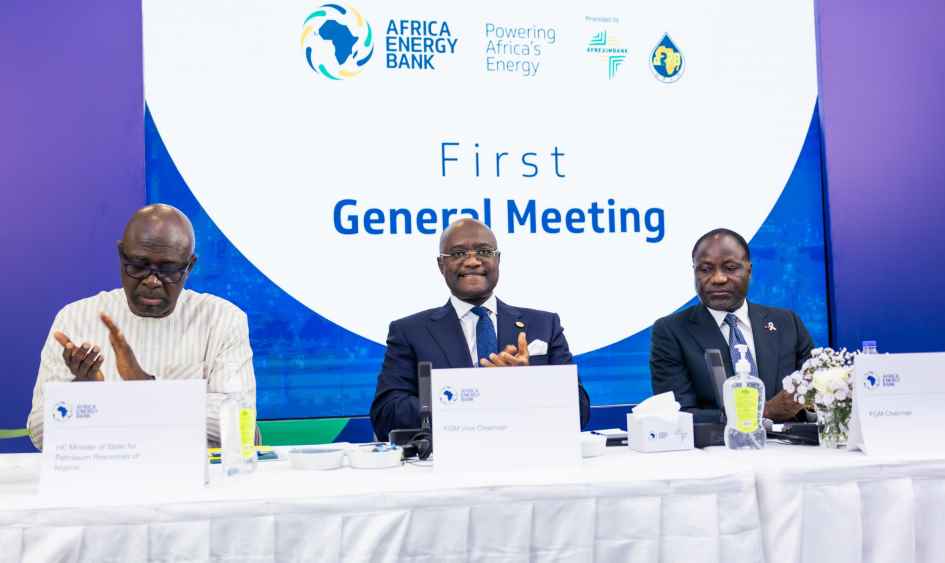
ABUJA, Nigeria, October 31, 2026/APO Group/ –African Export-Import Bank (Afreximbank) (www.Afreximbank.com) and the African Petroleum Producers’ Organisation (APPO) have formally announced the establishment of the Africa Energy Bank (AEB). The announcement was made during the AEB’s inaugural general meeting held in Abuja, Nigeria, on 31 October 2026.


The creation of the Africa Energy Bank reaffirms African governments’ determination to secure their own energy future. This move is in recognition that significant investments in energy generation and transmission was required to accelerating industrial growth and to leveraging the tremendous opportunities from the emerging technologies, particularly artificial intelligence (AI).

The Bank is being established at a time when the continent’s energy investment needs are estimated at US$200 billion. Traditional providers of short- and long-term financing to Africa’s energy sector are withdrawing funding from fossil fuels, even as oil and gas remain vital to the continent’s energy systems. The Africa Energy Bank aims to bridge this financing gap while supporting a just energy transition for African countries.

With an authorised capital of US$5 billion, the AEB will support projects across the energy value chain, including exploration and production, transportation, processing, refining, and distribution. These investments are intended to strengthen productive capacity, reduce reliance on imported petroleum products, and promote intra-African trade in energy goods. The Bank’s mandate also includes promoting robust African participation in the continent’s energy sector to ensure that Africa’s energy future is shaped by Africans.

The AEB will operate as an independent, supranational pan-African financial institution. It will seek to attract investments from governments, national oil companies, financial institutions, and private investors to support energy development across the continent.

Resolutions passed at the first general assembly included the appointment of the Bank’s inaugural President, Mr Helmy Ghazi, and the formation of its first Board of Directors, comprising members from the public and private sectors as well as leading policy institutions from across the continent.

Distributed by APO Group on behalf of Afreximbank.


Continue Reading

Business

5 Investment Opportunities Putting Congo Energy & Investment Forum (CEIF) 2027 on the Map for Central Africa

Published

on

CEIF 2027 connects investors with Congo’s energy projects and local partners, while providing entry points for commercial opportunities across Central Africa

BRAZZAVILLE, Republic of the Congo, November 2, 2026/APO Group/ –The Republic of Congo’s expanding oil and gas developments are creating new opportunities for investment, engineering contracts and commercial partnerships across the energy value chain. With offshore discoveries, mature-field redevelopment and three million tons per year of LNG capacity, the country is entering a new phase of energy development that requires capital, technology and international partnerships.


The Congo Energy & Investment Forum (CEIF) 2027, taking place June 1-3 in Brazzaville, will serve as the official platform connecting Central African energy decision-makers, operators, investors and service companies. Organized by Energy Capital & Power in collaboration with the Ministry of Hydrocarbons, the forum will bring together public- and private-sector stakeholders to advance investment discussions, facilitate partnerships and connect companies with emerging opportunities across the region.

Connect With Central Africa’s Energy Decision-Makers

CEIF 2027 will provide a platform to engage directly with Congolese authorities, regulators, national energy companies and policymakers shaping the region’s energy investment landscape. Taking place in partnership with the Ministry of Hydrocarbons, the event offers a bridge between the country’s policymakers and public- and private-sector companies. Conversations with decision-makers can help investors understand national development priorities, gain insight into the regulatory environment and identify opportunities for market entry or expansion.

Capitalize on Congo’s Upstream Investment and Production Ambitions

As Congo targets production growth toward 500,000 barrels per day, operators are pursuing new exploration and mature-field redevelopment to increase output. TotalEnergies’ 2026 Moho G discovery could unlock an estimated 100 million barrels of recoverable resources alongside the existing Moho F development, illustrating the potential to connect new discoveries to established offshore infrastructure. Meanwhile, Perenco and Trident Energy are pursuing development and redevelopment opportunities across mature assets, including well reactivation and infrastructure upgrades.

These activities could create opportunities for drilling contractors, engineering firms and production technology providers. CEIF 2027 offers a platform to explore project requirements and investment opportunities across Congo’s upstream sector.

Unlock Opportunities Across LNG, Gas and Power Infrastructure

With LNG exports established and liquefaction capacity reaching three million tons per year in 2026, Congo is looking towards its next phase of gas development. This will depend on sustaining feedgas supplies, connecting additional resources and expanding infrastructure.

Beyond LNG, Congo’s plans to expand electricity generation and improve transmission and distribution infrastructure present opportunities for power developers, equipment suppliers and investors. These priorities create potential opportunities for upstream operators, engineering companies, technology providers and investors interested in gas processing, power generation and distribution. CEIF provides a platform to advance these priorities.

Showcase Solutions and Build Commercial Partnerships at the Exhibition

The CEIF 2027 exhibition will provide a platform for companies to showcase their technologies, equipment and services directly to energy operators, policymakers, investors and potential clients across Central Africa.

Exhibitors will have opportunities to demonstrate solutions, engage with local service providers and identify potential partnerships across drilling, engineering, infrastructure and energy technology. For companies seeking to enter or expand in the region, the exhibition offers a direct route to building commercial relationships, exploring procurement opportunities and positioning their services for upcoming projects.

Access New Projects and Financing Opportunities

Turning project opportunities into investments requires clarity on development priorities, infrastructure requirements and financing structures. CEIF’s discussions will give participants an opportunity to assess the projects shaping Congo’s energy sector and engage with potential commercial and institutional counterparts.

Investors, lenders and project developers can use these exchanges to identify areas where financing, technical expertise or new investment structures may help advance projects across oil and gas, power generation and downstream industries.

Organized by Energy Capital & Power in collaboration with the Ministry of Hydrocarbons, CEIF 2027 will enable candid dialogue, facilitating new investments and deals in the country’s energy sector. For more information, visit www.congoenergyinvestment.com.


Distributed by APO Group on behalf of Energy Capital & Power.


Continue Reading

Trending

Exit mobile version