Connect with us
Anglostratits

Sports

FIFA World Cup 2026 is predicted to drive $10.5 billion surge in ad spend but ad impact diminishes amid a shifting media landscape

Published

on

FIFA
  • The World Cup still drives huge audiences, but weaker linear reach
  • Attention is shifting to the conversation around games
  • Late night matches provide category opportunities

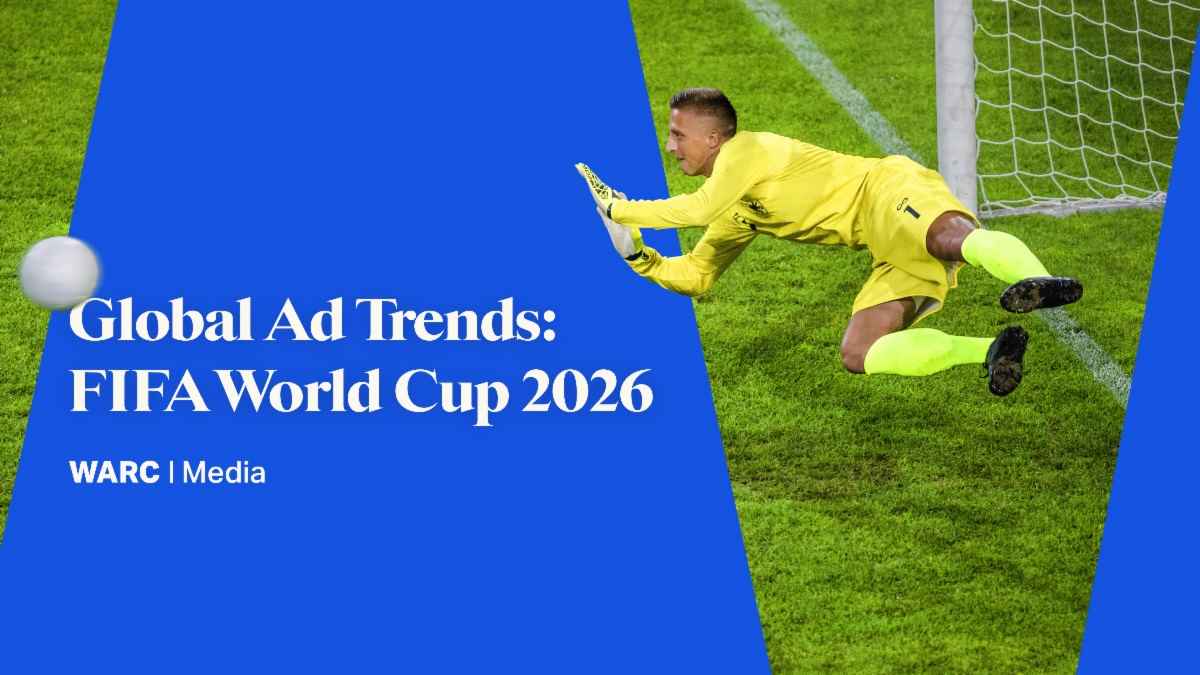
WARC Global Advertising Trends: FIFA World Cup 2026

19 March 2026 – The 2026 FIFA men’s World Cup will be the biggest in the tournament’s history, hosted across Canada, Mexico, and the United States with more matches than ever before.

Yet, despite large audiences, rising rights fees, and expanding sponsorship packages, the World Cup’s measurable contribution to ad growth appears to be weakening, finds WARC Media in its latest global advertising trends study.

While the event is expected to inject $10.5bn into the ad market, advertisers are no longer competing within a single commercial surface but are having to engage with fans across diverse touchpoints beyond traditional broadcast rights.

Alex Brownsell, Head of Content, WARC Media, said: “This World Cup is no longer just about live matches—brands will engage with fans across touchpoints before, during and after matches have concluded. Media plans will include platforms that benefit from the conversation about the World Cup without the burden of bidding for rights – from creator content to podcasts, turning conversations around the games into powerful opportunities for connection and impact.”

WARC Media’s Global Ad Trends: FIFA World Cup 2026 report examines how the World Cup has become a high-visibility event whose commercial impact is increasingly fragmented.

Diminished advertising impact

The 2026 FIFA World Cup promises record-breaking global audiences and a $40.9 billion boost to global GDP, yet its direct impact on ad spend growth is diminishing. WARC Media forecasts show a modest $10.5 billion uplift into the global ad market during the quarter the event takes place, marking a 1.1% incremental gain versus the Qatar World Cup in 2022. In contrast, the 2018 World Cup in Russia drove a $12.6bn (+2.8%) ad market boost.

Annual advertising spend growth during World Cup years is inconsistent, driven more by broader economic cycles than tournament cycles. Even for host markets, the tournament does not guarantee market-level acceleration or outperformance.

In the US – where soccer competes with popular domestic sports – the World Cup’s effect on ad investment is modest and inconsistent. In most positive years, the impact has been between 0.4-1% of total ad spend.

Annual ad spend for Mexico, and a similar pattern is visible in Canada, shows no consistent pattern of acceleration in World Cup years. WARC Media’s forecast of approximately +4% for Mexico, is positive, but not exceptional for a host market.

Shifting audience consumption

Linear TV audiences are increasingly in decline as multiplatform consumption rises with expanded digital viewing. Qatar 2022 reached 2.87 billion people for at least one minute, yet linear reach fell 11.9% versus 2018. Multiplatform consumption rose as digital viewing expanded, particularly in China and India.

Audience fragmentation will be further highlighted during this upcoming tournament as attention shifts beyond the games to the conversations around games. TikTok has become a FIFA partner, and will show behind-the-scenes footage; YouTube, also a preferred platform, will stream live matches from media partners; while platforms such as Netflix are looking to monetise the conversation around the games through video podcasts.

While tournaments drive TV and OOH revenue, premium pricing often displaces regular advertisers, with gains reflecting spend redistribution rather than market expansion.

Football remains the world’s most popular sport, with 51% of global respondents identifying as fans. During Qatar 2022 viewing levels were highest in Africa, Latin America, and MENA, with engagement far above global averages, while Europe’s largest audiences are concentrated in the UK and Germany.

In the US, 37% of Americans expect their interest in football to increase over the next 18 months, supporting positive momentum ahead of the 2026 World Cup.

Category opportunities beckon from late-night kick-off times

With many FIFA World Cup 2026 matches airing outside peak viewing hours in Europe, the Middle East, and Asia, live broadcast advertising opportunities may be limited. In WesternEurope, less than half (42.3%) of games will take place during daytime hours, dropping to just over a third (34.6%) in China.

However, this late-night schedule may yield new opportunities for non-rights holders to capitalise on curated World Cup content with highlights and commentary like podcasts, social media, and publishing.

It also presents unique opportunities for brands in restricted categories such as quick-service food delivery in the UK, where high fat sugar and salt ads are now subject to restrictions on pre-9pm airing.

WARC Media subscribers can read the report in full. A WARC podcast on the findings outlined in the report will be available from 31 March.

Global Ad Trends, part of WARC Media, is a quarterly report which draws on WARC’s dataset of advertising and media intelligence to take a holistic view on current industry developments.


Sports

Beijing Marathon to Kick Off on October 18: Road Running Charm Blooms in the Golden Autumn Capital
Published

on

BEIJING, CHINA – Media OutReach Newswire – 29 September 2026 – On September 28, the 2026 Bank of China Beijing Marathon & National Marathon Championships held a press conference in Beijing, officially disclosing the event’s preparation details and competition arrangements. The race is scheduled to start on October 18, 2026, with a total field of 32,000 runners.

Founded in 1981, the Beijing Marathon is the oldest city marathon in China and a World Athletics Gold Label road race. Over more than four decades, it has evolved from a simple marathon event into a unique urban experience that traverses Beijing.


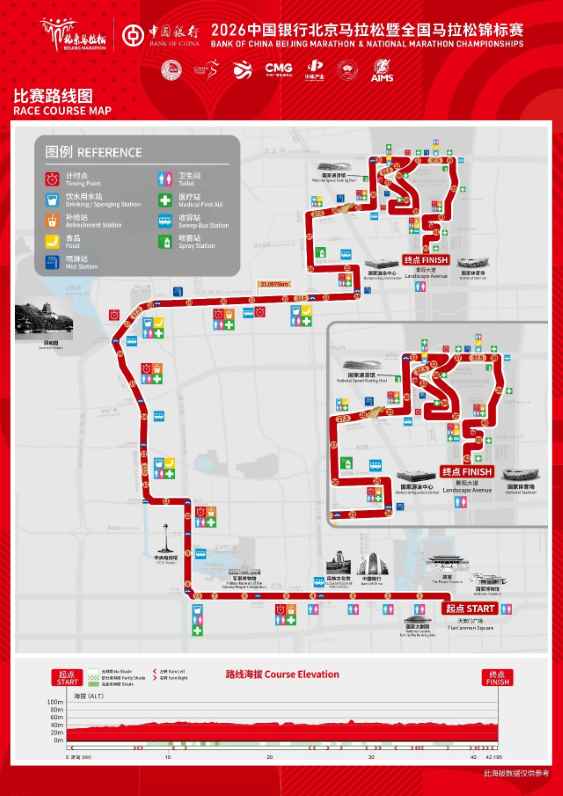
The Beijing Marathon boasts a highly distinctive course. The start line is set at Tiananmen Square. After setting off, runners follow Chang’an Avenue, passing through Fuxingmen and Fuxing Road, before heading north into the Xueyuan Road area in Haidian District, and finally arriving at the Olympic Park, where they sprint to the finish along the landscaped avenue between the Bird’s Nest and the Water Cube.

One of the most notable features of this year’s Beijing Marathon is the integration of the race with the National Marathon Championships. China’s top professional athletes will compete for championship placings on the same course, while mass runners set off alongside them, bringing professional competition and national fitness together on a single course. The event not only provides a high-level competitive platform for professional runners but also preserves broad participation channels for everyday runners, striving to strike a balance between competitive leadership, public participation, and organisational effectiveness.
In terms of event support and civilised race organisation, the organising committee has simultaneously released a number of upgraded measures to comprehensively optimise the participant experience and safeguard race order, building a refined system of medical support, course supplies, and smart guidance, while continuing mature international event service standards. The event also emphasises green organisation, introducing reusable eco-friendly cups, multi-tap self-service water stations, backpack-style water supply equipment, and recyclable waste collection pools, among other environmental measures.

In golden autumn October, Beijing’s mild temperatures make it the perfect season for running. This year’s Beijing Marathon continues to be rooted in Beijing, the “Dual Olympic City,” showcasing the vitality of China’s road running and the urban charm of Beijing to runners and audiences around the world through professional race standards, international event-organising concepts, and profound urban heritage.


Continue Reading

Sports

World Football Summit (WFS) Co-Founder and Managing Director Jan Alessie Joins African Collaborations Group (ACG) Advisory Board to Advance Sport and Entertainment Districts Across Africa
Published

on

Now in its tenth year, WFS has grown into the leading global convening platform for the football industry

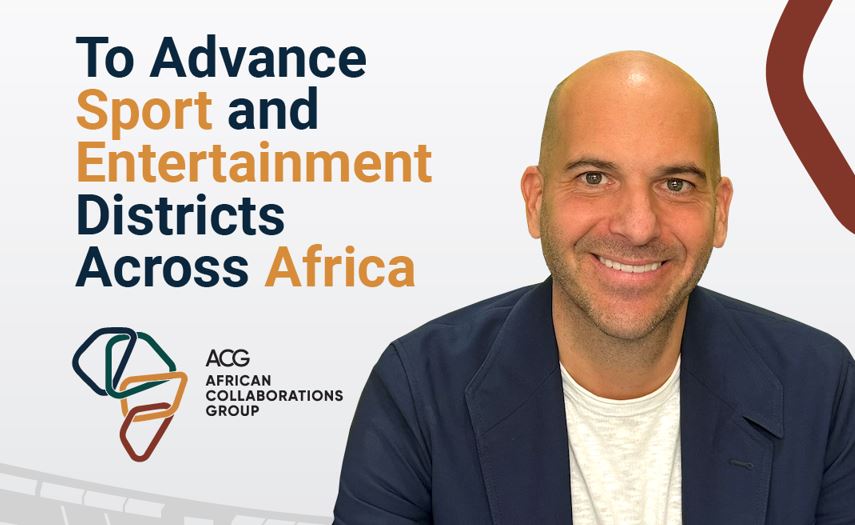
LONDON, United Kingdom, September 24, 2026/APO Group/ –African Collaborations Group (ACG) (www.ACGafrica.com), the leading strategic project origination and collaboration platform focused on the industrialisation of sport in Africa through the origination of bankable sport and entertainment district ecosystems, today announced the appointment of Jan Alessie to its Advisory Board.


Mr Alessie is Co-Founder and Managing Director of the World Football Summit (WFS), which he founded in Madrid in 2016 alongside Marian Otamendi. Now in its tenth year, WFS has grown into the leading global convening platform for the football industry, connecting club executives, federations, leagues, sponsors, media, technology providers, investors and public authorities across the ecosystem.

Under Mr Alessie’s leadership, WFS has hosted more than 30 events in 11 countries, built a network of over 150,000 industry members, and expanded its footprint across Europe, the Americas, Asia, the Middle East and Africa. Its 2026 global series includes WFS Mexico City (June 2026, gathering more than 1,700 professionals from 43 countries ahead of the FIFA World Cup), the 10th Anniversary Edition of WFS Madrid (September 2026), and WFS Riyadh, reflecting the platform’s positioning at the intersection of regional football markets and the global industry.

At WFS, Mr Alessie works directly with major brands and sports organisations to bring them into the platform’s events, manages relationships with local partners and public administrations in each region where WFS operates, and leads the international expansion of the platform — analysing markets, evaluating opportunities, and deciding where and how to grow. His work sits at the intersection of commercial partnership development, institutional relationship management, and geographic and strategic expansion.

His presence on our Advisory Board significantly strengthens the depth of expertise we are assembling around ACG

Prior to co-founding WFS, Mr Alessie spent 18 years as a consultant and strategic advisor, bringing to his current role a rare depth of analytical, commercial and strategic experience that shaped his approach to building WFS as a global platform.

His appointment to the ACG Advisory Board brings to the platform an unmatched combination of expertise in convening the global sport industry, structuring international expansion strategies, and managing the interface between commercial stakeholders, sport bodies and public institutions across multiple regions and continents — capabilities directly relevant to originating and structuring large-scale sport and entertainment district projects across the African continent.

“Jan Alessie has built one of the most respected global platforms in world sport. Over a decade, he has demonstrated exactly what it takes to originate, structure and scale a convening platform that connects commercial actors, sport institutions and public authorities across markets and continents. That is precisely the analytical, commercial and diplomatic capability ACG requires as we originate sport and entertainment district projects across Africa. His presence on our Advisory Board significantly strengthens the depth of expertise we are assembling around ACG,” said Nicolas Pompigne-Mognard (www.Pompigne-Mognard.com), Founder and Executive Chairman of ACG.

The ACG Advisory Board provides strategic guidance as ACG originates and structures large-scale sport and entertainment district projects across the continent, aligning governments, development finance institutions (DFIs), investors, sport bodies and infrastructure partners to support the development of financially sustainable, mixed-use district ecosystems.

Africa’s sport economy is projected to reach $20 billion by 2035, yet the continent continues to lack the integrated district ecosystems required to support large-scale development. ACG addresses this gap by originating bankable sport and entertainment district projects, moving beyond single-venue development models towards mixed-use, revenue-generating and financially sustainable district ecosystems.

Through its collaborative model, ACG convenes governments, PPP authorities and regulators, development finance institutions, private investors, developers, designers and engineers, legal and transaction advisors, operators, sport federations and leagues, event promoters, media and broadcast partners, academic institutions and host communities, creating structured pathways from concept to feasibility, bankability and delivery.

Distributed by APO Group on behalf of African Collaborations Group (ACG).


Continue Reading

Sports

Former NBA Africa and Basketball Africa League Executive Aïcha Diop Joins African Collaborations Group (ACG) Advisory Board to Advance Sport and Entertainment Districts Across Africa

Published

on

Ms Diop was part of the team that launched the BAL — the first professional sports league operated by the NBA outside of North America

LONDON, United Kingdom, September 14, 2026/APO Group/ –African Collaborations Group (ACG) (www.ACGafrica.com), the leading strategic project origination and collaboration platform focused on the industrialisation of sport in Africa through the origination of bankable sport and entertainment district ecosystems, today announced the appointment of Aïcha Diop to its Advisory Board.


Ms Diop is a seasoned international executive with more than 18 years of experience across Africa, Europe, the Middle East and North America, combining strategic leadership, operational execution and high-level expertise in marketing, brand development and audience growth. She is currently a consultant in brand marketing for sports organisations and athletes, with extensive experience in operations and event management.

She held senior positions at NBA Africa and the Basketball Africa League (BAL), where she was part of the team that launched the BAL — the first professional sports league operated by the NBA outside of North America. In her roles, she led multi-market initiatives, coordinated cross-functional teams across the continent, and contributed to the growth and visibility of the league through the design and execution of major brand campaigns and audience-development programmes.

Earlier in her career, Ms Diop held senior positions at IBM, where she managed regional initiatives across multiple African markets, aligning strategy with execution and supporting business growth. She also worked at Flash Entertainment, specialising in concerts, cultural and sport venues and events, where she was involved in the delivery of major international sport and entertainment events, including Formula 1, UFC, athletics, tennis, football competitions, and major concerts, giving her direct experience of the operational realities of high-profile events staged in African and international markets.

Her presence on our Advisory Board is a genuine strategic asset

Ms Diop holds a Master’s degree in Sport & Lifestyle Management from Rome Business School and a Bachelor’s degree in Business Administration.

Her appointment to the ACG Advisory Board brings to the platform a rare depth of expertise in brand marketing, audience development and the commercial activation of continental sport properties, together with hands-on experience of launching and scaling major sport organisations in Africa — capabilities directly relevant to originating and structuring large-scale sport and entertainment district projects across the African continent, where the commercial and brand dimension of district ecosystems is decisive for their financial sustainability.

“Aïcha Diop brings to our Advisory Board a genuinely distinctive combination of continental sport marketing expertise and hands-on experience of building major sport organisations from the ground up in Africa. Her role in the launch of the Basketball Africa League — the first professional NBA-operated league outside North America — is precisely the type of institution-building experience ACG needs as we originate bankable sport and entertainment district ecosystems across the African continent. Her presence on our Advisory Board is a genuine strategic asset,” said Nicolas Pompigne-Mognard (www.Pompigne-Mognard.com), Founder and Executive Chairman of ACG.

The ACG Advisory Board provides strategic guidance as ACG originates and structures large-scale sport and entertainment district projects across the continent, aligning governments, development finance institutions (DFIs), investors, sport bodies and infrastructure partners to support the development of financially sustainable, mixed-use district ecosystems.

Africa’s sport economy is projected to reach $20 billion by 2035, yet the continent continues to lack the integrated district ecosystems required to support large-scale development. ACG addresses this gap by originating bankable sport and entertainment district projects, moving beyond single-venue development models towards mixed-use, revenue-generating and financially sustainable district ecosystems.

Through its collaborative model, ACG convenes governments, PPP authorities and regulators, development finance institutions, private investors, developers, designers and engineers, legal and transaction advisors, operators, sport federations and leagues, event promoters, media and broadcast partners, academic institutions and host communities, creating structured pathways from concept to feasibility, bankability and delivery.

Distributed by APO Group on behalf of African Collaborations Group (ACG).


Continue Reading

Trending