Connect with us
Anglostratits

Business

Radisson Hotel Group Introduces Africa’s First Verified Net Zero Hotel in Hoedspruit

Published

on

Radisson Hotel

Radisson Safari Hoedspruit, a Verified Net Zero Hotel combines renewable electricity, electrified operations and lower-carbon guest experiences, supporting the Group’s ambition to reach 100 Verified Net Zero hotels by 2030

Bringing our Verified Net Zero program to Africa is an important step in making lower-carbon hospitality a practical choice across more destinations

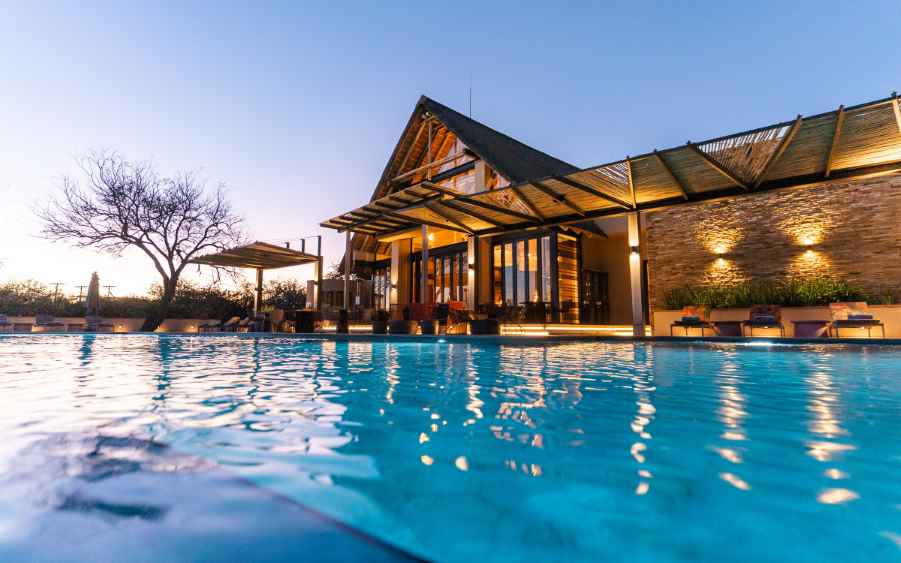
HOEDSPRUIT, South Africa, October 27, 2026/APO Group/ –Radisson Hotel Group (www.RadissonHotels.com) announces that Radisson Safari Hotel Hoedspruit (https://apo-opa.co/4yF9TGF) has become Africa’s first Verified Net Zero hotel, marking a significant milestone in the transition towards more sustainable hospitality on the continent. The achievement demonstrates how an existing safari hotel can significantly reduce its environmental impact through changes across energy, dining, waste management, water conservation and responsible procurement, while maintaining the comfort and service guests expect.


Radisson Hotel Group’s Verified Net Zero (VNZ) Hotels program addresses carbon emissions across all three scopes, virtually eliminating Scope 1 (direct emissions) and Scope 2 (purchased energy) emissions, significantly reducing Scope 3 (value chain) emissions, and addressing residual emissions through carbon removal credits. Verified Net Zero hotels operate on 100% renewable energy and incorporate low-carbon dining and waste minimization practices, with independent third-party verification by TÜV Rheinland.

Located in South Africa’s Limpopo province, close to Kruger National Park and Blyde River Canyon, the 138-room hotel brings the program to a destination where the natural environment is central to the travel experience. Its transformation reflects Radisson Hotel Group’s approach to embedding sustainability into everyday hotel operations, from renewable-energy-powered guest rooms to the food served in its restaurants and M&E.

Tim Cordon, Chief Operating Officer, Middle East, Africa and South East Asia Pacific at Radisson Hotel Group, said: “Bringing our Verified Net Zero program to Africa is an important step in making lower-carbon hospitality a practical choice across more destinations. At Hoedspruit, the natural surroundings are a defining part of why guests visit, making this a particularly meaningful place to introduce the program. The hotel demonstrates how investment in renewable electricity, electrification and everyday operational changes can reduce environmental impact while maintaining a compelling guest experience. It also gives our owners and teams across Africa a practical example of how existing hotels can contribute to the transition toward net zero.”

Renewable electricity and electrified operations

The hotel combines on-site solar generation with renewable electricity procured through renewable guarantees of origin and, as of 2027, a solar wheeling agreement. Under this arrangement, a renewable energy supplier feeds solar-generated electricity into the national grid, with an equivalent contracted volume allocated to the hotel’s electricity consumption.

Electrification extends across key areas of the property. The kitchen makes extensive use of electric equipment. Heat pumps provide hot water for guest rooms, while electric golf carts and three-wheel utility vehicles support daily operations, helping eliminate fossil fuels.

Reducing waste and conserving water

The hotel recycles 100% of its wastewater through its own treatment plant, integrating water recovery into its daily operations. Waste separation and specialist recycling partnerships support its ambition to divert all waste from landfill. Shodulla Recycling handles materials including plastic, glass and paper, while Egg Brothers processes food waste through composting and worm-farming initiatives.

To minimize waste, bulk bathroom amenities reduce plastic consumption with containers returned to the supplier through a closed-loop recycling system that ensures 100% recycling and zero waste to landfill. Glass water bottles further reduce packaging waste, while additional amenities are provided on request to avoid unnecessary consumption.

Guests are also encouraged to support these efforts through towel reuse and flexible housekeeping options, helping conserve water and energy while reducing the use of cleaning products. The STAY e-concierge app will bring hotel information and guest requests into one digital platform, reducing printed materials in bedrooms and supporting more direct communication with the hotel team.

Lower-carbon dining and responsible sourcing

Working with food sustainability platform Klimato, the hotel is introducing carbon-labeled menus that help guests understand the emissions associated with their dining choices. Carbon-footprint data also supports the culinary team in reviewing ingredients and recipes, developing lower-carbon options and managing the impact of its food offering. Low-carbon options are given priority on menus and buffets.

The approach extends to supplier partnerships. Through Zanetti Collection, used Hausbrandt coffee bags are upcycled into reusable shopping bags by a local community sewing project, supporting employment and social programs. Compostable coffee capsules and Ronnefeldt tea products with recyclable packaging and compostable tea bags further support waste reduction.

Staff training, energy monitoring and preventative maintenance underpin these initiatives, making resource efficiency part of everyday decisions across housekeeping, engineering, food and beverage, and front office.

Inge Huijbrechts, Chief Sustainability & Security Officer at Radisson Hotel Group, said: “Verified Net Zero requires us to look beyond a hotel’s energy supply and address the wider footprint of its operations. Independent verification by TÜV Rheinland provides a consistent framework and gives guests, owners and corporate customers greater confidence in the hotel’s credentials. Bringing the program to Africa is an exciting proof that Verified Net Zero can work everywhere and strengthens our understanding of how to apply this approach across different destinations as we work toward 100 Verified Net Zero hotels by 2030.”

The Verified Net Zero program

Staying at Radisson Safari Hoedspruit, a Verified Net Zero Hotel, allows guests to experience how comfort, innovation and sustainability can come together in a safari destination. The comprehensive program addresses the carbon footprint of the hotel’s energy use, covering Scopes 1 and 2 as defined by the Greenhouse Gas Protocol, alongside its operational and supply chain footprint under Scope 3.

The program follows a reduction-first approach. Scope 1 and 2 emissions are near-eliminated through electrification and renewable energy. Operational Scope 3 emissions are reduced through targeted changes across food and beverage, waste, laundry, amenities, procurement and hotel operations. At Hoedspruit, these measures include renewable electricity, electrified equipment, lower-carbon menus, recycling and composting, reduced packaging and more efficient use of resources.

Residual emissions that cannot yet be eliminated are addressed as a final step through carbon credits procured via Greentrade from the South Africa-based GRASS project. Independent verification by TÜV Rheinland assesses the hotel’s compliance with the Net Zero Methodology for Hotels, providing transparency and credibility.

With views of the Drakensberg Mountains, 138 rooms and suites including options with private pools, dining venues, spa facilities and meeting spaces, Radisson Safari Hoedspruit, a Verified Net Zero hotel brings the program to both leisure stays and business gatherings. Guests can explore the region’s wildlife and landscapes while staying at a hotel that embeds emissions reduction and resource efficiency into its operations.

The launch supports Radisson Hotel Group’s ambition to reach 100 Verified Net Zero hotels by 2030, extending a program already operating across the UK and Nordic markets to its first African destination.

For bookings and hotel details, visit Radisson Safari Hoedspruit on www.RadissonHotels.com (https://apo-opa.co/4yOcJcC)

Download high-resolution images of Radisson Safari Hoedspruit (https://apo-opa.co/4iHYkcX).

FACT BOX

Field Details
Hotel name Radisson Safari Hoedspruit, a Verified Net Zero Hotel
Brand Radisson, part of Radisson Hotel Group
Opening date February 1, 2024; Verified Net Zero launch: October 2026
Address Radisson Entrance Circle, R527, Hoedspruit, 1380, Limpopo, South Africa
Location Two kilometers outside Hoedspruit; close to Kruger National Park and Blyde River Canyon
Nearest airport(s) Hoedspruit Eastgate Airport: approximately 20 minutes by car
Category Safari hotel
Rooms 138 rooms and suites, including suites with private pools
Dining & Bars Local and international dining; Pegasus and Mirage Restaurants
Wellness & Leisure Spa, fitness center and two swimming pools
Meetings Meeting spaces; 5 different meetings venues including comfortable boardrooms, medium-sized meeting rooms, and a main banquet hall that can accommodate up to 200 guests.
Best for Leisure, wellness, meetings and incentive travel
Key features Drakensberg Mountain views; safari experiences; private-pool suites
Sustainability Verified Net Zero hotel. Renewable electricity; electrified kitchen and utility vehicles; wastewater recycling; low-carbon and carbon-labeled menus, minimal waste operations.
Booking URL For bookings and hotel details, visit Radisson Safari Hoedspruit on www.RadissonHotels.com (https://apo-opa.co/4yOcJcC)
Media assets Download high-resolution images of Radisson Safari Hoedspruit (https://apo-opa.co/4iHYkcX).

Distributed by APO Group on behalf of Radisson Hotel Group.


Business

Congo’s Oil Revenue Reforms Could Strengthen Investment Outlook Ahead of Congo Energy & Investment Forum (CEIF) 2027

Published

on

Etu Energias

The African Development Bank has proposed measures to capture oil windfalls and reduce debt exposure, as Congo seeks to strengthen public finances and mobilize capital for economic development

BRAZZAVILLE, Republic of the Congo, October 27, 2026/APO Group/ –The African Development Bank (AfDB) has recommended that the Republic of Congo introduce an automatic mechanism to capture additional oil revenues when crude prices exceed budget assumptions, strengthening fiscal stability as the country pursues new energy investment and economic diversification. The proposal, outlined in the bank’s 2026 Country Report, would direct additional hydrocarbon revenues toward debt reduction while reducing the government’s exposure to oil-price volatility.


The recommendations come ahead of the Congo Energy & Investment Forum (CEIF) 2027, taking place June 1-3 in Brazzaville, where financing and investment opportunities across Congo’s energy sector will be central to discussions. With the country seeking capital for upstream development, gas infrastructure and broader industrial growth, stronger public finances could improve the environment for long-term investment and support the government’s development ambitions.

Congo’s Oil Windfalls Face a Debt Test

Under the proposed mechanism, additional revenues generated when oil prices exceed the benchmark used in the national budget would be captured through a rules-based framework aligned with Extractive Industries Transparency Initiative principles. The AfDB also recommends suspending new oil-backed borrowing and prioritizing debt reduction to prevent temporary revenue gains from increasing long-term financial exposure.

The proposal responds to Congo’s continued dependence on hydrocarbons, which account for the majority of export earnings and a substantial share of government revenue. Changes in international crude prices therefore have a direct impact on public finances and the government’s capacity to fund infrastructure and development projects.

The scale of that exposure was evident in 2025. Oil revenues reached approximately CFAF 1,031.6 billion, below the budget forecast of CFAF 1,230.1 billion and the CFAF 1,190 billion collected in 2024. Lower oil prices contributed to weaker fiscal performance, reinforcing the case for more predictable revenue management.

Congo’s debt burden adds urgency to the proposed reforms. According to the AfDB, public debt stood at approximately 97% of GDP in 2025, while debt-service obligations continue to constrain government liquidity and fiscal flexibility. The bank projects that debt could decline to approximately 85% of GDP by 2027, although the outlook remains sensitive to hydrocarbon revenues and broader economic conditions.

Strengthening the Investment Environment

The AfDB’s recommendations extend beyond capturing oil windfalls. The country currently imports 70% of its food products, while domestic refinery output has historically covered only part of local demand, leaving the economy exposed to higher food, energy and transport costs. The World Bank has called for faster economic diversification, stronger non-oil revenue mobilization and tighter control of public spending.

That agenda is now being translated into specific investment opportunities. A recent International Finance Corporation diagnostic identified four priority industries – wood processing, port logistics, corn milling and aquaculture – with the potential to attract up to $1.4 billion in private investment and create 22,200 jobs by 2030, provided key regulatory and infrastructure constraints are addressed.

For Congo, the challenge is to maintain investment in its hydrocarbon industry while strengthening the fiscal and infrastructure foundations needed for broader economic growth. More predictable management of oil revenues could support public investment planning, while improvements in debt sustainability and the business environment may help attract additional private capital.

These priorities will provide an important backdrop to CEIF 2027, where government and industry stakeholders will examine opportunities across energy development and infrastructure investment. As Congo prepares its 2027 fiscal framework, progress on revenue management and debt reduction will be important indicators of its capacity to support the next phase of investment.

Organized by Energy Capital & Power in collaboration with the Ministry of Hydrocarbons, CEIF 2027 will enable candid dialogue, facilitating new investments and deals in the country’s energy sector. For more information, visit https://CongoEnergyInvestment.com/. ​

Distributed by APO Group on behalf of Energy Capital & Power.


Continue Reading

Business

Edition Expands Its Global Footprint With a Landmark Debut in Cape Town

Published

on

V&A Waterfront

Set on the V&A Waterfront, The Cape Town EDITION introduces the brand’s contemporary design, intuitive service, destination dining and a vibrant day-to-night social scene to the city

CAPE TOWN, South Africa, October 27, 2026/APO Group/ –Framed by Table Mountain and the Atlantic Ocean, Cape Town is defined by the interplay of nature and urban life, heritage and artistic spirit, and local identity and global influence. EDITION marks its African debut with The Cape Town EDITION (https://apo-opa.co/4zfxIWO) – a gathering place poised to become a social nexus and a gateway to discover the city.


Cape Town joins EDITION’s global portfolio of hotels in some of the world’s most sought-after destinations ranging from Lake Como and Tokyo to London, New York, Riviera Maya and beyond, where thoughtful design, carefully curated culinary experiences and a strong sense of cultural relevance come together in a way that is distinctly EDITION.

“Cape Town has a distinctive energy shaped by extraordinary landscapes, diverse influences and an exceptional culinary scene,” said George Fleck, Senior Vice President and Global Brand Leader, EDITION. “As one of the world’s most compelling cultural capitals, it is a natural home for EDITION. This opening marks an important milestone for the brand as we continue to grow in destinations that sit at the intersection of culture, creativity and global influence.”

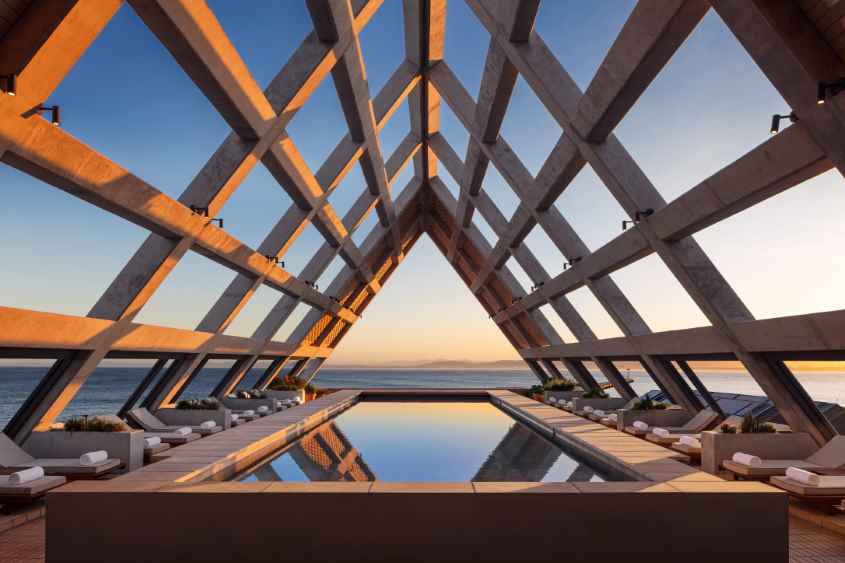
Opening at Quay 7 on the V&A Waterfront, The Cape Town EDITION occupies a coveted position within Cape Town’s historic working harbour, a gateway that has connected cultures for centuries. Overlooking the V&A Waterfront’s new superyacht marina and facing Table Mountain, the hotel sits at the intersection of the city’s maritime heritage and vibrant cultural scene, surrounded by leading museums, art galleries, acclaimed restaurants, elevated retail and the dynamic atmosphere of the Waterfront neighbourhood.

“The opening of The Cape Town EDITION is an important milestone in the V&A Waterfront’s continued evolution and a strong expression of confidence in Cape Town as a globally competitive tourism and investment destination,” said Graham Wood, Chief Executive Officer of the V&A Waterfront. “At Quay 7, the EDITION brings an exceptional international hospitality brand into a working harbour and connects it to the wider Waterfront neighbourhood through new dining, cultural and public-facing experiences. It also signals the next chapter for Granger Bay: a well-connected waterfront district that creates long-term value for Cape Town, our visitors and the communities we serve.”

Where Minimalistic Design Meets Maritime Heritage

Designed by Neri&Hu in collaboration with Cape Town-based architects and professional firms, The Cape Town EDITION draws on the industrial maritime character of Quay 7. The architecture references the warehouse structures that previously occupied the site through a long, low-slung form, pitched rooflines and a material language inspired by the working harbour. More than six million bricks were laid by hand in shifting patterns that bring texture to the façade, transforming a humble material through meticulous craftsmanship and creating a distinctive architectural identity rooted in place.

At the centre of the hotel is The Drum, a soaring cylindrical space open to the elements above. Here, Cape Town’s shifting light and sea air are welcomed in. A spiralling staircase ascends to an outdoor viewing platform, gradually revealing the city: the harbour, Table Mountain, the Atlantic and the rhythm of the Waterfront below. Part arrival experience, part public lookout, The Drum invites guests, visitors and locals alike to discover Cape Town from a new vantage point.

We want The Cape Town EDITION to feel as relevant to a Capetonian as it does to someone visiting the city for the first time

The hotel’s 142 guestrooms and suites balance refined comfort with a distinctly residential sensibility. Bespoke furniture, natural finishes and cleverly integrated joinery inspired by 19th-century travel trunks create warm, layered interiors designed to feel both intuitive and deeply comfortable, while large windows frame sweeping views. Custom furnishings and rugs woven by KwaZulu-Natal-based Shuttleworth Weaving layer local craft into the experience. The 240-square-metre Penthouse and 112-square-metre Harbour Suite crown the hotel, with generous living spaces and panoramic outlooks.

Throughout the hotel, art and design serve as a reflection of Africa’s creative landscape, connecting guests to the people, stories and traditions that shape the destination. Design Network Africa sourced progressive pieces from makers across the continent, including Zulu ukhamba vessels and mouth-blown recycled glass from Eswatini, a landlocked country in Southern Africa. Cape Town’s Southern Guild curated an art collection of established and emerging African voices including Zanele Muholi’s black-and-white photographic portraits in Punch Room, EDITION’s contemporary take on the traditional punch house; Usha Seejarim’s Fading Dish Cloth, assembled from hundreds of wooden clothes pegs, appears in the spa; and Chuma Maweni’s smoke-fired ceramics lend a sculptural presence to the lobby and dining spaces.

The Cape Gathered Around the Table

With experience spanning Berners Tavern at The London EDITION and some of the Cape’s leading restaurants, Executive Chef Phil Carmichael and award-winning South African beverage partner George Hunter lead the hotel’s food and beverage programme across a collection of distinct restaurants and bars, shaping experiences that move seamlessly from morning through late night.

The hotel’s signature restaurant, Shale, brings the Cape to the table through a seasonal menu, drawing on farmers, coastal fisheries, winemakers and independent producers. Meat is dry-aged in-house, while a predominantly South African wine list carries the regional story into the glass. Dishes are recognisable yet quietly unexpected, such as Saldanha Bay mussels in a curry velouté with seaweed salad and braised black rice. On the rooftop, EAVE offers a relaxed, yet refined, setting with broad views. Set beside the heated pool, the indoor-outdoor restaurant and bar moves from leisurely afternoons to sundowners, dinner and curated music programming after dark. The menu pairs refreshing cocktails and a thoughtful wine list with small plates that showcase the flavours of the Winelands and the surrounding coastline. The adjoining Pool Terrace follows the sun, from breakfast and easy midday bites to sunset cocktails and light dinners.

On the ground floor, EDITION’s signature Lobby Bar takes on the warmth and ease of a Cape Town living room, where hotel life and local rhythm meet. Anchored by a striking bar and pool table, the space seamlessly transitions from morning coffee meetings to light bites and evening drinks. Punch Room revives a centuries-old drinking ritual once carried along the trade routes that passed through the Cape. Wood panelling, velvet banquettes and low lighting create an intimate, opulent retreat, where punches are served in generous bowls for sharing. Local character finds expression in Brandewijn, a punch combining brandy, Pinotage, rooibos, pineapple, lemon and winter spice, offering a modern interpretation of the region’s rich cultural and culinary heritage.

Moments of Renewal

The spa sits below sea level, cocooned from the energy of the waterfront above. Alongside five treatment rooms and a couples’ suite, the spa features a sauna and steam room, while infrared beds and Therabody recovery boots offer targeted support for rest and recovery. The treatment menu combines skincare, massage, fascia work and aromatherapy with Omorovicza’s mineral-rich formulations. The focus on wellbeing continues with a 24-hour gym and a daily programme of yoga, breathwork, sound baths and movement sessions beside the heated rooftop pool and sun deck.

The hotel offers a collection of light-filled areas for meetings, gatherings and celebrations. At its heart is the flexible ballroom with a capacity of up to 200 people, complemented by a boardroom, two meeting studios and a private event terrace. Wellness programming, destination dining and social venues offer a more flexible approach to events, from harbourside receptions and rooftop cocktails at EAVE to exclusive gatherings at Vantage, the hotel’s rooftop event space, and dinners at Shale.

“We want The Cape Town EDITION to feel as relevant to a Capetonian as it does to someone visiting the city for the first time,” said Leonie Andereya, General Manager at The Cape Town EDITION. “Inspired by the warmth and authenticity of South African hospitality, we have created a place where locals and travellers come together through food, culture, creativity and conversation. Sophisticated but never formal, it offers a distinct lens on Cape Town and the feeling that you have discovered a side of the city, and a community within it, that you genuinely want to be part of.”

For more information, please visit: https://apo-opa.co/4zbWkj9

Distributed by APO Group on behalf of Marriott International, Inc.. 


Continue Reading

Business

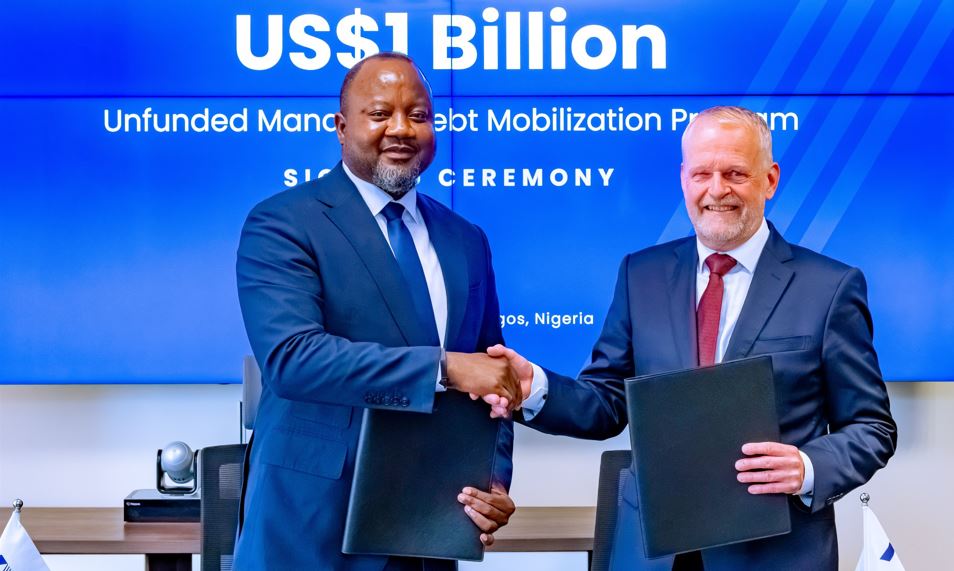
Africa Finance Corporation (AFC) and Munich Re Sign US$1 Billion Managed Debt Mobilization Programme to Unlock Trade Finance for African Banks

Published

on

The first phase covers commercial letters of credit, trade loans and trade guarantees; the instruments African banks rely on to finance their clients’ imports and exports

LAGOS, Nigeria, October 27, 2026/APO Group/ —

  • US$1 billion of committed risk-sharing support  from Munich Re for African financial institutions
  • 38 financial institutions across 11 African countries in the first phase
  • Trade finance transactions of up to 12 months, allowing capacity to be reused to finance new trade as transactions are repaid


Africa Finance Corporation (AFC) (www.AfricaFC.org), the continent’s leading infrastructure solutions provider, today announced a US$1 billion Unfunded Managed Debt Mobilisation Program (UMDMP) with Munich Re, one of the world’s leading reinsurers. The programme provides US$1 billion of committed risk-sharing support for AFC’s trade finance lending to African financial institutions, at a time when African banks need significant liquidity to finance intra-African and international trade flows that boost their domestic economies.

For African banks, the programme means more trade finance, delivered faster. Munich Re and AFC have agreed risk parameters and limits up front, so that Munich Re takes a share of eligible AFC transactions automatically. AFC retains a part of the risk on every transaction, keeping both institutions’ interests aligned. As the transactions under the programme mature, the programme’s capacity is freed up and reused to finance new investments.

The first phase covers commercial letters of credit, trade loans and trade guarantees; the instruments African banks rely on to finance their clients’ imports and exports. It starts with 38 financial institutions across 11 African countries, and both parties have agreed to review the programme’s scope, including additional instruments and sectors over time.

Munich Re benefits from the strong pan-African footprint of AFC while AFC benefits from the strong capacity of Munich Re

Commenting on the programme, Banji Fehintola, Executive Board Member and Head of Financial Services at Africa Finance Corporation, said: “Across the development finance landscape, there is a growing recognition that the scale of Africa’s financing needs cannot be met through traditional balance sheet lending alone. Multilateral development banks like AFC are increasingly embracing an originate-to-distribute model, with private capital mobilisation becoming central to how we deliver greater development impact. Managed debt mobilisation sits at the heart of this transition, enabling institutions like AFC to leverage our origination capabilities, structuring expertise and risk management frameworks to attract institutional capital at scale. This programme with Munich Re demonstrates how we can translate that ambition into practical, scalable solutions that expand financing capacity while optimising the deployment of our own capital. As the African Continental Free Trade Area deepens trade between African economies, the programme helps to solve committed capacity constraints for banks that finance that trade and strengthens AFC’s ability to be more instrumental in financing Africa’s development.”

Wola Asase, Deputy Director & Head of Syndications and AFC Captive Insurance Company Ltd,  commented: “Munich Re has shared risk on AFC loans since 2018, one transaction at a time. This programme replaces that with pre-agreed risk parameters, so eligible trade finance transactions are covered automatically and banks get faster decisions. Because the transactions are short-dated, the capacity is recycled as they mature, and the wider Managed Debt Mobilisation Program it anchors gives us a framework to bring in further institutional investors, whether as funders or risk partners.”

Herbert Müller, Head of Global Credit Solutions  at Munich Re, said: “Munich Re benefits from the strong pan-African footprint of AFC while AFC benefits from the strong capacity of Munich Re.  The trust built between our two organizations through our cooperation since 2018 has allowed us to move from a transactional to a programmatic approach which allows us to support African financial institutions efficiently at scale. We see African trade as a long-term opportunity, and this programme gives us an efficient way to grow our business and improve our diversification at the same time alongside a trusted partner.”

Insurance and reinsurance are among the financial tools that play a vital role in turning available capital into financing for African businesses and projects. By sharing the risk of losses, they enable lenders to support transactions that would otherwise exceed their risk limits, unlocking more funding for trade, industrialisation and job creation.

The programme builds on a partnership that began in 2018, through which Munich Re has shared risk on AFC loans one transaction at a time. The two institutions have completed a series of transactions since then, including two in 2026. The UMDMP turns that deal-by-deal relationship into a standing programme.

It also anchors AFC’s broader Managed Debt Mobilisation Program (MDMP), a platform through which other investors can participate alongside AFC, either by providing funding or by sharing risk. AFC is in discussions with other African and global institutional investors about providing funding through the platform.

The programme follows AFC’s establishment in August 2026 of AFC Captive Insurance Company, a wholly owned Bermuda-based subsidiary backed by up to US$30 million in equity capital. Together, the two initiatives reflect AFC’s growing use of insurance and risk-sharing to utilise its capital more efficiently and extend its financing capacity.  AFC Captive allows the Corporation to retain and manage more risk in-house, while the UMDMP shares risk with one of the world’s leading reinsurers.

Distributed by APO Group on behalf of Africa Finance Corporation (AFC).


Continue Reading

Trending