Connect with us
Anglostratits

Energy

Energy Poverty – Not Emissions – is Africa’s Defining Climate Challenge

Published

on

African Energy Chamber

As Africa moves to assert its energy priorities in a landmark legal case, the continent’s development trajectory hinges on closing its vast energy access gap through pragmatic, resource-driven solutions

JOHANNESBURG, South Africa, April 20, 2026/APO Group/ –While the world debates a path towards reducing carbon emissions and addressing the climate crisis, Africa continues to face one of its most consequential challenges yet: energy poverty. Across the continent, more than 600 million people lack access to electricity, while over 900 million live without clean cooking solutions. This is not a marginal issue – it is a systemic constraint on industrialization, healthcare delivery, education and economic growth. Compounding this challenge is a massive financing gap: Africa requires approximately $190 billion annually to meet its energy and climate goals, yet current investment flows fall far short.


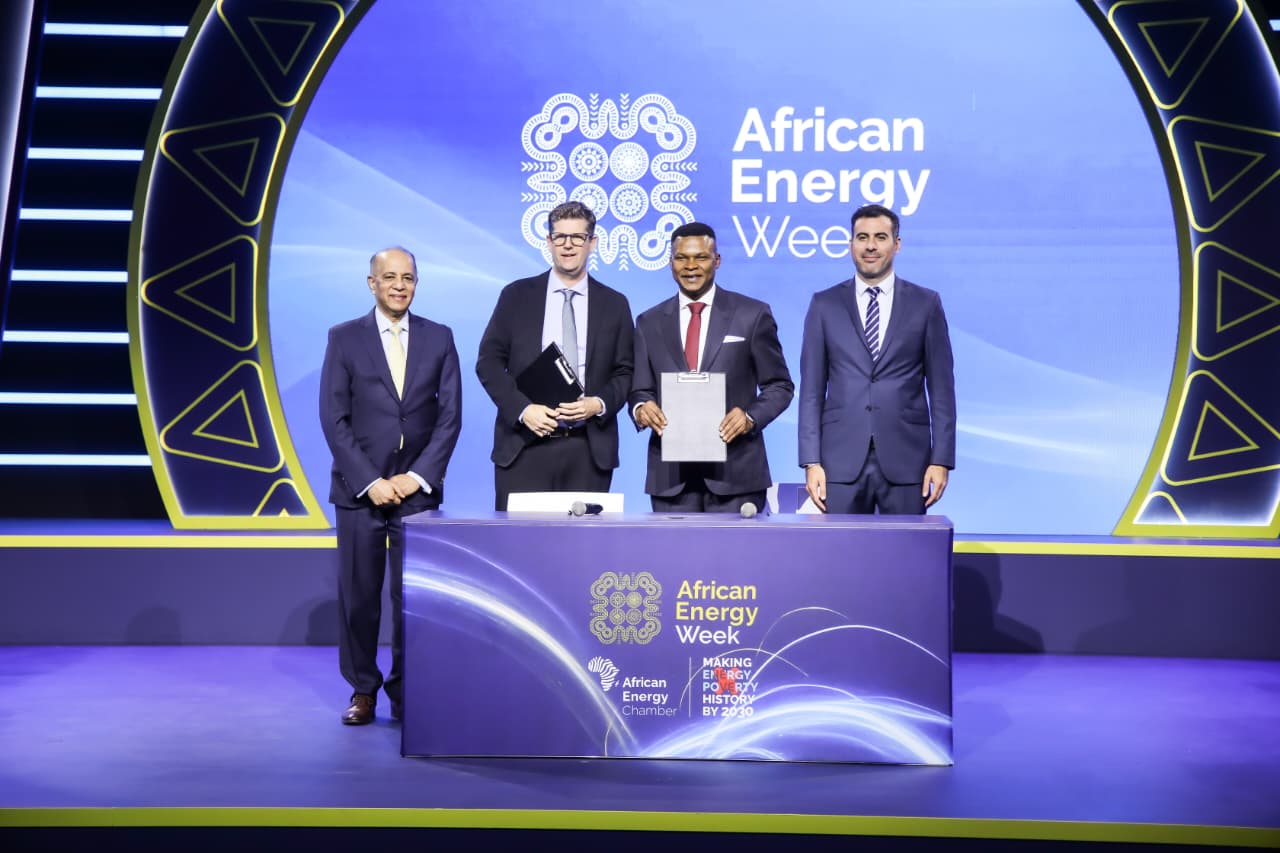
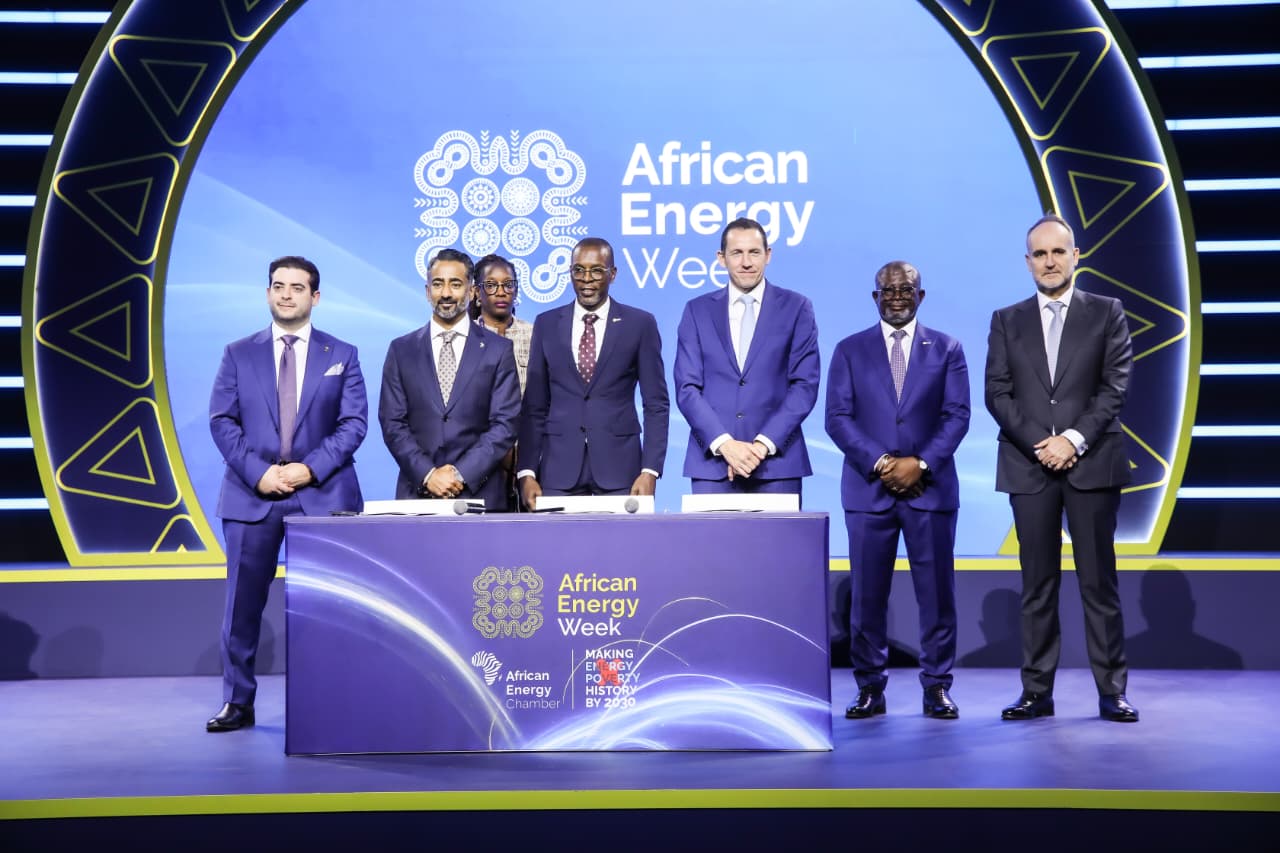
This very issue becomes even more clear as the African Energy Chamber (AEC) formally submits its application to be admitted as amicus curiae in a landmark advisory proceeding before the African Court on Human and Peoples’ Rights. At stake is not only climate jurisprudence, but the fundamental question of how Africa balances decarbonization with development in a region where energy poverty remains the most pressing challenge.

The Structural Challenge: Energy Poverty and Financing Gaps

Africa’s energy crisis is defined not by emissions but by access. Despite being resource-rich, investment and infrastructure gaps have impacted Africa’s quest for universal access. A reliance on imports has left fuel subject to global volatility while uneven electricity access – particularly in rural and per-urban areas where grid expansion has lagged population growth – continues to impact livelihoods.

At the same time, global climate finance commitments have failed to translate into meaningful capital deployment. While developed economies have pledged hundreds of billions in climate funding, Africa receives only around $30 billion annually of the estimated $300 billion required. Even when funding is announced, disbursement timelines are slow, bureaucratic and often misaligned with the continent’s immediate development needs. This disconnect has left African countries navigating a dual challenge: addressing energy poverty while adhering to increasingly stringent global climate expectations.

Oil and Gas: A Catalyst for Growth

Energy poverty is the greatest injustice facing our continent today

With over 125 billion barrels of proven crude reserves and 620 trillion cubic feet of proven gas, Africa’s hydrocarbons could make energy poverty a challenge of the past. Countries across the continent are already advancing this agenda. Nigeria targets 2 million bpd in oil production, Angola is bringing large-scale projects online, while Libya eyes 1.6 million bpd by 2027 and 2 million bpd by 2030.

Senegal is ramping up Sangomar and Greater Tortue Ahmeyim output to full capacity while Namibia eyes first oil production by 2030. Mozambique continues to advance its LNG ambitions with three major projects underway, while major hubs such as Equatorial Guinea are accelerating field development, showcasing the continued upside of Africa’s upstream sector.

“Africa cannot industrialize in the dark. Energy poverty is the greatest injustice facing our continent today, and the responsible development of our oil and gas resources is not a contradiction to climate goals – it is the pathway to achieving them,” states NJ Ayuk, Executive Chairman, AEC.

Why a Unified Voice Matters

The case before the African Court on Human and Peoples’ Rights represents a pivotal moment. Initiated by the Pan African Lawyers Union, the case seeks to clarify the legal obligations of African states in addressing climate change under regional human rights frameworks. Key clarifications include state obligations to addressing climate impacts and accountability in energy policy. While the case will not directly result in a ban on oil and gas development, it raises concerns around investment implications, potentially impacting spending decisions at a time when Africa needs its oil and gas resources most.

Further, its outcome could shape how international climate obligations are interpreted in the African context. By investigating climate obligations from a western standpoint, the case excludes the realities faced by African countries. Responsible for less than 3% of global greenhouse gas emissions, Africa could face the same consequences as nations that, in theory, should be held responsible.

By seeking amicus curiae status, the AEC is positioning itself to advocate for a development-first approach – one that recognizes Africa’s right to utilize its natural resources to eradicate energy poverty. The intervention reflects growing momentum among African stakeholders to assert a unified voice in global energy and climate discussions. But this is just the first step. To ensure Africa’s position is at the forefront of this case, stakeholders, governments and countries are urged to step forward and submit their own applications.

The message is clear. Africa’s climate challenge is not defined by emissions, but by access. Addressing this requires coordinated policy, accelerated investment and a unified continental strategy that places energy poverty at the center of the agenda.

Distributed by APO Group on behalf of African Energy Chamber.

Energy

African Mining Week (AMW) to Unlock Zimbabwe’s $12B Mining Vision Through Direct Investor Partnerships

Published

on

Etu Energias

A dedicated country spotlight at African Mining Week 2026 will showcase regulatory reforms and project developments across Zimbabwe’s mining value chain

CAPE TOWN, South Africa, June 25, 2026/APO Group/ –African Mining Week 2026 – The Most Influential Mining Conference in Africa – will connect Zimbabwean regulators and mining stakeholders with global investors to advance partnerships, as the country accelerates efforts to build a $12 billion mining industry by 2030.

Taking place from October 14 – 16 in Cape Town, AMW 2026 will feature a dedicated Zimbabwe Country Spotlight, showcasing lucrative opportunities across the country’s mining value chain. The country spotlight will feature high-level panel discussions, exclusive networking sessions and project showcases, connecting global investors and service providers with senior decision-makers from the Ministry of Mines and Mining Development of Zimbabwe, the Chamber of Mines of Zimbabwe and leading mining companies operating across the country.

The spotlight comes at a pivotal moment for Zimbabwe, as the country seeks fresh capital to unlock value from more than 60 known mineral occurrences spanning gold, lithium, platinum group metals, chrome, coal and rare earths.

https://apo-opa.co/43Z71HR

In a major move to improve investment competitiveness, Zimbabwe reduced mining-related license and permit fees in May 2026, lowering operational costs for investors while streamlining market participation. Registration fees for dealing in precious stones have been reduced from $15,000 to $10,000, while export permit fees have been cut from $1,875 to $500. New licensing categories – including permits for gold jewellery manufacturing and lithium processing plants – have also been introduced as part of a broader strategy to promote investments across in-country value addition projects. The reduction in fees for beneficiation projects follows the April 2026 introduction of export quotas for lithium concentrates ahead of a planned 2027 ban on concentrate exports. The shift is already reshaping the country’s lithium industry, with Zhejiang Huayou Cobalt achieving Zimbabwe’s first export shipment of lithium sulphate salts in April 2026.

https://apo-opa.co/4w3X7R3

https://apo-opa.co/4uTlYpG


https://apo-opa.co/44ziVZ3


Coming into this picture, AMW 2026’s Zimbabwe Country Spotlight will provide investors with direct insights into these evolving regulatory frameworks, highlighting emerging investment and partnership prospects in lithium processing and across the mining value chain.

Zimbabwe’s gold sector is also positioned for renewed growth amid sustained high global gold prices (averaging $5,000 per ounce). In line with this momentum, Zimbabwe’s sovereign wealth fund, Mutapa Investment Fund, is seeking $250 million to expand gold mining operations. Against this backdrop, AMW 2026 offers a timely platform for investors to engage with one of Africa’s most prospective brownfield gold markets and explore opportunities across exploration, mine expansion and processing infrastructure.

https://apo-opa.co/4eCDMiU


AMW 2026’s strong emphasis on artisanal and small-scale mining (ASM) formalization also aligns closely with Zimbabwe’s national mining development strategy. In May 2026, Zimbabwe certified 300 small-scale miners following completion of training programs safety, compliance and productivity. Supported by funding from Mutapa Gold Resources – a subsidiary of Mutapa Investment Fund – the initiative aims to train and formalize 1,500 ASM players.


https://apo-opa.co/44rhsUH

As the official platform where Africa’s mining opportunities are discussed and maximized, AMW 2026 will provide stakeholders with market intelligence on Zimbabwe’s evolving mining landscape and investment outlook.

Distributed by APO Group on behalf of Energy Capital & Power.

Continue Reading

Energy

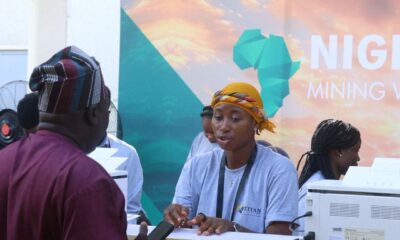
Nigeria Accelerates $750B Mining Vision Ahead of African Mining Week (AMW) 2026

Published

on

Etu Energias

African Mining Week will showcase opportunities within Nigeria’s mining value chain as the country seeks capital to unlock its $750 billion worth of untapped mineral deposits

CAPE TOWN, South Africa, June 24, 2026/APO Group/ –Nigeria’s mining sector is entering a new phase of growth as regulatory reforms, downstream investments and international partnerships strengthen investor confidence in one of Africa’s largest untapped mineral markets. The country’s solid minerals sector has secured approximately $3 billion in investments over the past three years, reflecting growing investor confidence as the West African nation seeks to bridge the financing gap hindering large-scale mining development.


The investment milestone comes as Nigeria deepens engagement with investors to unlock its estimated $750 billion in untapped mineral resources. The country is targeting an increase in mining’s contribution to GDP to 10%, creating lucrative investment opportunities for global mining industry players.

These developments come as African Mining Week (AMW) 2026 – Africa’s Most Influential Mining Conference, taking place in Cape Town from October 14-16 – prepares to showcase Nigeria’s expanding project pipeline and investment opportunities. Through dedicated country sessions, project showcases and executive networking, the event will connect international investors with Nigerian policymakers, mining companies and service providers driving the country’s mining transformation.

Nigeria’s expanding investment pipeline is a testament to its drive to strengthen partnerships. In June 2026, indigenous company Romulus Mining announced plans to increase investments across its gold and lithium portfolio from approximately $50 million to $150 million over the next three years, underscoring growing private sector confidence in the country’s mining outlook.

A partnership deal signed with Turkey in May 2026 is expected to support cooperation in geological exploration, mining technologies, digitalization and capacity building, while creating new opportunities for Turkish investment and technical expertise across Nigeria’s mining value chain.

Meanwhile, the advancement of several downstream projects – including a $600 million lithium processing facility in Nasarawa State and a $200 million lithium processing plant in Abuja – underscores Nigeria’s commitment to boosting mineral production and supporting industrialization.

Amid these developments, AMW 2026 provides a timely platform for investors seeking to capitalize on one of Africa’s most promising mining markets. The event will facilitate strategic partnerships that support exploration, mineral processing and long-term industry growth, reinforcing Nigeria’s ambition to develop a $1 billion economy by 2030 on the back of its mining industry.

Distributed by APO Group on behalf of Energy Capital & Power.

Continue Reading

Energy

Uganda’s $500B Growth Ambition Puts Mining Reform and Critical Minerals in Focus at African Mining Week (AMW) 2026

Published

on

Etu Energias

African Mining Week will connect Ugandan stakeholders with global investors, fostering discussions on the future of mining in the East African country

CAPE TOWN, South Africa, June 24, 2026/APO Group/ –As Uganda accelerates its Ten-Fold Growth Strategy aimed at expanding its economy from $59.3 billion to $500 billion by 2040, the African Mining Week (AMW) 2026 conference will serve as a key platform to connect the country’s mining sector with global capital and technical partners.


AMW 2026 – scheduled for October 14-16 in Cape Town – will feature a dedicated Uganda Country Spotlight, showcasing emerging investment opportunities across the mining value chain as well as ongoing regulatory reforms designed to improve the country’s investment climate.

AMW comes as a critical time for Uganda as the country advances its Mining and Minerals (Amendment) Bill 2026 to improve investor protections, licensing efficiency, local content participation and the mining sector’s contribution to GDP. The country spotlight offers a platform for Ugandan authorities to pitch global investors on streamlined licensing, new incentives and emerging investment prospects.

Uganda is also finalizing preparations for its 2026/2027 oil and mineral exploration licensing round, designed to unlock new greenfield opportunities across the critical mineral sector. AMW will highlight emerging investment opportunities in cobalt, copper, iron ore, graphite, and rare earths as Uganda prioritizes critical minerals to achieve 8% annual economic growth through 2030.

In the gold sector, Uganda is advancing formalization and industrialization initiatives, integrating artisanal and small-scale miners (ASGM) – who account for 90% of gold production – into the formal economy. The launch of three-year Domestic Gold Purchase Program and the commissioning of the Wagagai Gold Project and refinery reinforces Uganda’s strategy to boost local value addition and strengthen its gold industry ecosystem.

The Uganda Country Spotlight at AMW 2026 will convene regulators, project developers, mining companies, financiers and global service providers to shape the future trajectory of Uganda’s mining sector.

Distributed by APO Group on behalf of Energy Capital & Power.

Continue Reading

Trending