Connect with us
Anglostratits

Energy

Africa’s hydrogen ambitions bring water, infrastructure and investment into focus

Published

on

green hydrogen

Energy supply, water availability, infrastructure, storage, project economics and access to capital all influence where hydrogen projects can be developed and how successfully they can operate

CAPE TOWN, South Africa, September 29, 2026/APO Group/ –ESI Africa’s Hydrogen Industry Insights Volume examines the systems, resources, skills and investment needed to move the green hydrogen opportunity forward


The attraction of hydrogen is its potential role in Africa’s energy transition, industrial development and decarbonisation. Turning that potential into viable projects, however, requires deeper research and understanding of the limitations and potential solutions.

Energy supply, water availability, infrastructure, storage, project economics and access to capital all influence where hydrogen projects can be developed and how successfully they can operate.

These interconnected challenges feature in the Hydrogen Industry Insights Volume, published by ESI Africa, part of VUKA Group, bringing together analysis and industry perspectives on the emerging hydrogen value chain.

Explore Hydrogen Industry Insights Volume (https://apo-opa.co/4hlrxda)
Hydrogen and water cannot be separated

Water is fundamental to green hydrogen production, making the relationship between future hydrogen development and water security immensely important.

ESI Africa’s webinar, titled the hydrogen-water connection, examines this intersection and the considerations stakeholders need to understand as hydrogen projects develop alongside competing demands for water resources. Watch on-demand (https://apo-opa.co/4hT2Jta)

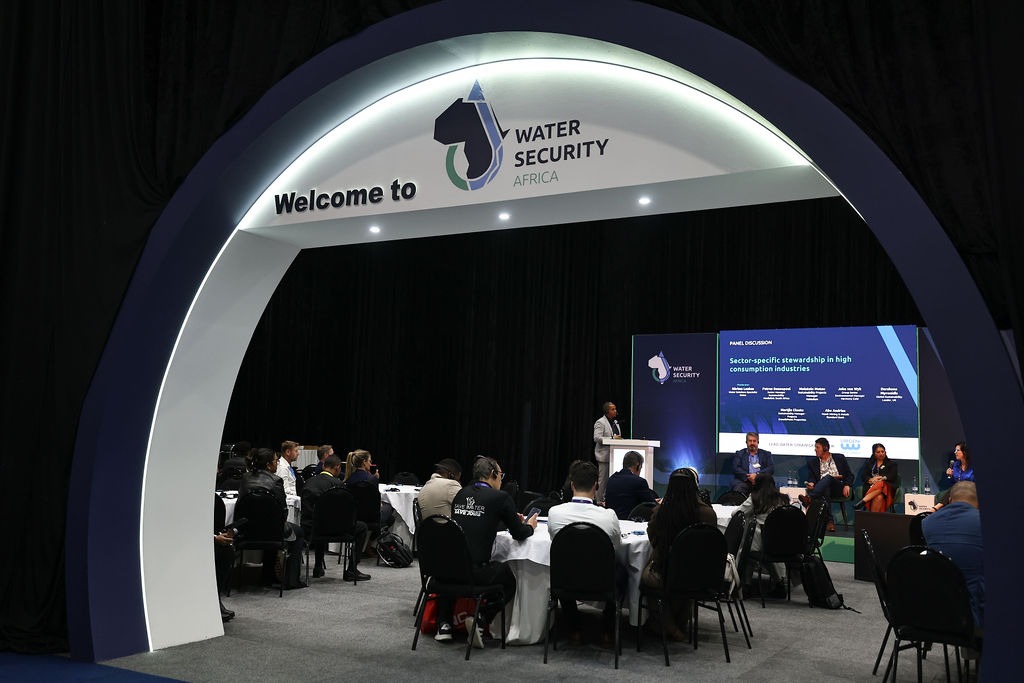
The issue will remain firmly on the industry agenda at Enlit Africa and Water Security Africa, taking place at the CTICC in Cape Town from 11 to 13 May 2027. Together, the co-located platforms bring energy and water stakeholders into a shared environment focused on infrastructure, resilience, technology and investment.

Explore Enlit Africa 2027 (https://apo-opa.co/3V8fMOK)

From hydrogen opportunity to investable infrastructure

For Africa’s hydrogen ambitions to translate into projects, the technology and resource potential must be matched with viable business models, project preparation and capital.

The Project & Investment Network, in partnership with the African Infrastructure Elites: Projects and People annual magazine, connects African energy and water projects with investors, financiers, developers and offtakers, creating a route for projects to move from opportunity towards investment and implementation.

Explore the Project & Investment Network (https://apo-opa.co/4heKMFi)

Recognising infrastructure leadership across Africa

Projects already demonstrating innovation and leadership across energy, water, transport and wider infrastructure also have an opportunity to gain industry recognition through the African Infrastructure Elites: Projects and People annual magazine.

Hosted by ESI Africa, the African Infrastructure Elites recognises projects, partnerships and individuals contributing to infrastructure development across the continent.

Nominations are open, giving organisations an opportunity to put forward projects and leaders helping turn Africa’s infrastructure ambitions into tangible outcomes.

Explore the African Infrastructure Elites and submit a nomination (https://apo-opa.co/4xODCwo)

Storage remains part of the next energy conversation

Hydrogen forms part of a broader discussion around how energy can be produced, stored and deployed more effectively as power systems evolve.

ESI Africa’s forthcoming Energy & Storage Industry Insights Volume 2026 explores the projects, technologies, investment considerations and market developments shaping energy and storage across the sector.

Join the Energy & Storage Industry Insights Volume 2026 waiting list (https://apo-opa.co/3VkwJ8D)

Distributed by APO Group on behalf of VUKA Group.


Energy

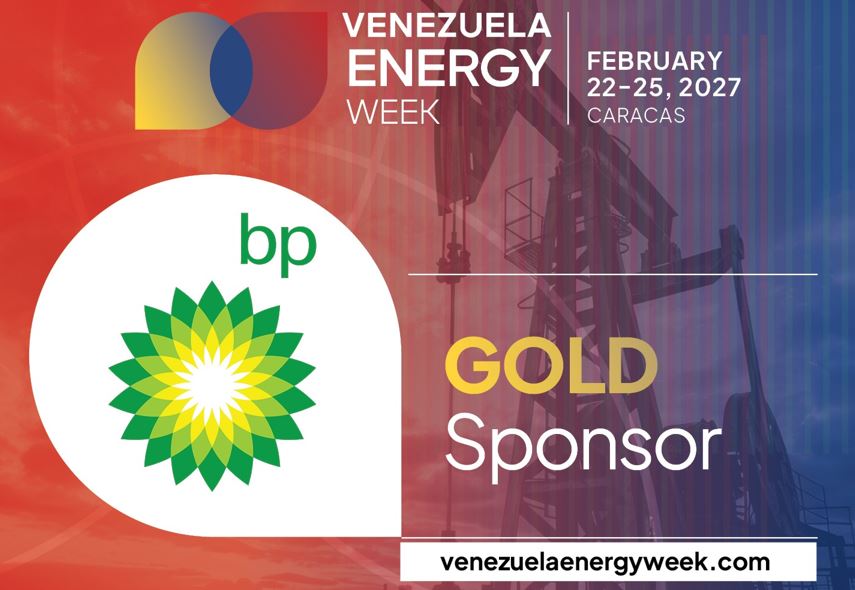
bp to Advance Venezuela Gas Opportunities at Venezuela Energy Week 2027

Published

on

bp joins Venezuela Energy Week 2027 as a Gold Sponsor, bringing its expanding role in the country’s offshore gas sector and regional gas commercialization opportunities to Caracas

CARACAS, Venezuela, September 29, 2026/APO Group/ –bp will join Venezuela Energy Week (VEW) 2027 as a Gold Sponsor, highlighting the company’s renewed engagement in Venezuela as the country advances a series of international partnerships across its oil and gas sector.

Taking place in Caracas from 22–25 February 2027, VEW comes at a significant point for bp’s activities in the country. In April 2026, the company signed a memorandum of understanding with the Venezuelan Government covering the development of the Cocuina-Manakin gas field, which straddles the maritime border between Venezuela and Trinidad and Tobago, while also opening discussions around opportunities in the offshore Loran gas field and other exploration areas.


The agreement marked bp’s renewed entry into Venezuela and builds on the company’s long-standing presence in neighboring Trinidad and Tobago. bp operates the Manakin portion of the cross-border field, while the Venezuelan Cocuina section forms part of the country’s undeveloped Deltana Platform. The company has said it is pursuing development of the field with the potential to bring more than 1 trillion cubic feet (tcf) of natural gas into Trinidad for LNG production.

Momentum around the project continued through 2026. In August, Trinidad and Tobago’s National Gas Company (NGC) agreed to acquire a 20% participating interest in the Manakin portion of the field from bp, strengthening the cross-border commercial structure around the development. bp and NGC have also agreed to market 70% of the project’s gas to Atlantic LNG, where bp holds a 45% stake alongside Shell, with the remaining gas intended for petrochemical use. A final investment decision is expected by the end of 2026.

The developments place bp at the intersection of Venezuela’s emerging offshore gas opportunity and Trinidad and Tobago’s efforts to strengthen gas supply for its LNG and petrochemical industries. They also demonstrate how Venezuela’s offshore resources could increasingly connect into established regional energy infrastructure and markets.

bp’s interest extends beyond Cocuina-Manakin. Its April 2026 agreement also covered exploration opportunities in the Loran gas field, estimated at around 7 tcf, alongside potential collaboration on gas commercialization. In June, Venezuela signed agreements with Shell to advance Phase I of Loran, while bp was identified as a prospective participant in both Loran and the neighboring Cocuina-Manakin project.

For Venezuela, the activity comes amid a broader reopening of the sector to international energy companies and renewed efforts to develop offshore gas resources, attract capital and technical expertise, and establish new routes to market. VEW 2027 will bring together government representatives, PDVSA, international operators, investors, service companies and technology providers to examine these opportunities across the value chain.

As a Gold Sponsor, bp will have a platform at the event to engage with stakeholders shaping Venezuela’s next phase of energy development and share its perspective on offshore gas, cross-border projects, gas commercialization and regional energy security.

With Cocuina-Manakin progressing and Loran emerging as another major offshore opportunity, bp’s participation will bring its experience in developing cross-border gas resources and connecting them to regional markets into discussions at VEW 2027.

VEW is Organized by Energy Capital & Power and taking place under the patronage of Acting President Delcy Rodriguez, PDVSA and the Ministry of Hydrocarbons.

Distributed by APO Group on behalf of Energy Capital & Power.


Continue Reading

Business

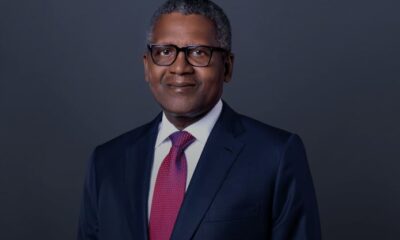
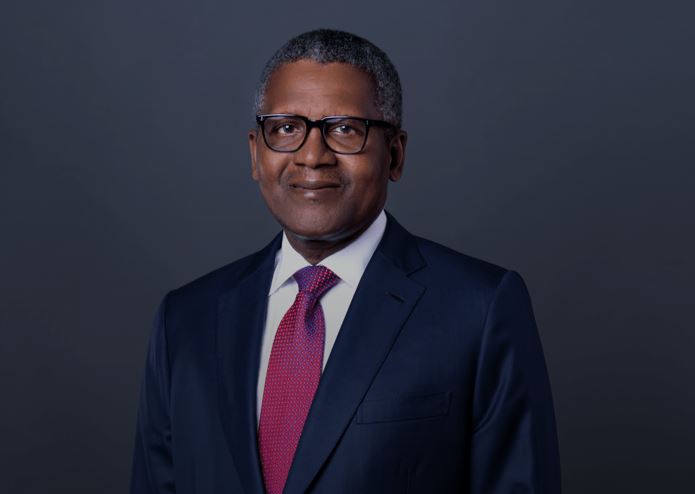
Aliko Dangote: African Energy Person of the Year 2026

Published

on

Aliko Dangote is a visionary who has invested his time, resources, and unwavering belief in Africa’s potential to build industries, strengthen energy security, and create lasting economic opportunity across the continent

JOHANNESBURG, South Africa, September 29, 2026/APO Group/ –Each year, the African Energy Industry’s “African Energy Person of the Year” award celebrates individuals who have positively influenced Africa’s energy sector by facilitating projects that strengthen energy security, African development, energy additions, free markets, limited government, economic resilience, the prosperity of families, local content and improve African energy infrastructure. The African Energy Chamber (EnergyChamber.org) is pleased to present the 2026 award to Aliko Dangote.


This is a fitting honor for the Nigerian businessman and industrialist who has invested billions in Africa to strengthen energy security, build infrastructure, create jobs, reduce import dependence, support regional development, and promote African-led solutions to energy poverty.

A Career Devoted to African Growth

After his studies in business at Al-Azhar University in Cairo, Dangote ventured into a wide variety of industries, with enterprises in cement, sugar, salt, flour, and fertilizer. From a small trading business, he has built one of Africa’s largest conglomerates: Dangote Group, a multinational industrial powerhouse that develops African technical expertise, enhances domestic supply chains, and boosts industrial capacity — all resulting in greater opportunities for economic diversification.

Dangote has long recognized one of Africa’s biggest economic challenges: the need among African countries to export raw materials and import finished products. He adopted a long-term mission to help solve this dilemma by building manufacturing capacity, logistics systems, energy infrastructure, raw material processing, and transportation networks that will move more production and value creation inside Africa.

Under the direction of this transformative business leader, the Dangote Group is one of the most ambitious industrial conglomerates ever built in Africa. What makes the organization unique is not just its size, but its strategy: Instead of focusing on trading or resource extraction, Dangote has invested heavily in the physical infrastructure needed for industrialization across Africa.

But it’s when he turned his sights to hydrocarbons that Aliko Dangote’s story really comes alive.

Breaking the Import Dependence Cycle

In recent years, Dangote has gained global attention for the Dangote Petroleum Refinery in Lekki near Lagos, Nigeria. The world’s largest single-train refinery, the facility has increased its processing capacity from its original 650,000 barrels per day (bpd) to approximately 700,000 bpd. Integrated with petrochemical, storage, marine and logistics infrastructure, the refinery produces gasoline, diesel, aviation fuel and other petroleum products for Nigerian and international markets.

This is not simply a refinery. It is a macroeconomic game-changer for Nigeria and a transformative project for African energy security.

For years, Nigeria’s dependence on imported refined products exposed the country to fuel shortages, subsidy costs and foreign exchange pressures. The Dangote Refinery has fundamentally altered that trajectory by enabling domestic refining at unprecedented scale and establishing Nigeria as an increasingly important exporter of refined petroleum products. Nigeria’s seaborne petroleum product imports fell from nearly 400,000 bpd in 2023 to less than 130,000 bpd in the second quarter of 2026, while exports to Europe reached approximately 130,000 bpd during the quarter.

The refinery also represents something even bigger for Africa: proof that the continent can build and operate world-scale industrial infrastructure.

At a time when geopolitical instability involving Iran and uncertainty around the Strait of Hormuz have disrupted global fuel supply chains, the Dangote Refinery has emerged as an increasingly important alternative source of refined products. Its fuels now reach markets across Africa and beyond, strengthening Nigeria’s position in international petroleum trade and demonstrating the strategic value of African refining capacity during periods of global supply disruption.

Many critics doubted that the refinery would ever be completed.

Dangote faced financing challenges, infrastructure bottlenecks, technical complexity, political uncertainty and currency volatility. Despite these hurdles, his determination to develop the project ultimately brought one of Africa’s largest-ever industrial investments into operation.

Today, the refinery stands as a symbol of African industrial ambition and confidence. And its next chapter could be even more consequential.

In September 2026, Dangote Petroleum Refinery launched an initial public offering (IPO) that is set to become the largest in African history. The offer comprises 4.1 billion ordinary shares at ₦525 each and aims to raise approximately ₦2.15 trillion – around $1.6 billion – while opening ownership of the refinery to public investors. The offer opened on September 14 and is scheduled to close on October 13, with shares expected to begin trading on the Nigerian Exchange later in the year.

The IPO forms part of an even larger ambition. Dangote is advancing a $14.3 billion expansion program that would double the refinery’s processing capacity from 700,000 bpd to 1.4 million bpd by 2029. Basic engineering for the expansion has been completed, almost all detailed engineering work is finished, most equipment has been ordered and major construction contracts are being awarded.

At 1.4 million bpd, the expanded complex would rank among the largest refining facilities globally, reinforcing Nigeria’s emergence as a major refining and petrochemical hub. Dangote has also indicated that, following the expansion, the company intends to pursue an international secondary listing, potentially in the United States.

At the same time, Dangote’s ambitions are extending beyond Nigeria. The group is pursuing new refining and logistics investments elsewhere on the continent, including plans for a major refinery in East Africa. Together, these investments point toward a wider ambition: building African refining capacity at a scale capable of reducing import dependence, strengthening regional supply chains and positioning the continent as a more significant participant in global refined-product markets.

Sharing the Wealth

Dangote’s positive influence on African industry and economic development cannot be overstated. But he is more than a businessman or industrialist. He is also dedicated to helping his country and uplifting his fellow Nigerians. Among his philanthropic efforts, he leads the Aliko Dangote Foundation (ADF), which supports health initiatives, education, disaster relief, poverty reduction, and nutrition programs across Africa.

Established with the mission of reducing poverty and improving quality of life through strategic philanthropy and sustainable development initiatives, ADF is one of the largest private charitable foundations in Africa. Dangote himself has publicly committed a large portion of his wealth to philanthropy, including signing the Giving Pledge that encourages billionaires to donate most of their fortunes.

ADF became internationally known for supporting Nigeria’s campaign to eradicate polio. It partnered with the Bill & Melinda Gates Foundation, UNICEF, the World Health Organization, and various Nigerian government agencies in this work. It’s no coincidence that Nigeria was declared free of wild polio in 2020, after years of vaccination campaigns.

The foundation also supports nutrition initiatives targeting children, pregnant women, and vulnerable communities. Agricultural programs to strengthen poverty reduction and employment have included farmer support, fertilizer access, agricultural training, and rural development efforts.

ADF regularly donates large sums and relief materials to affected communities across Nigeria to provide emergency assistance during crises such as flooding, food shortages, displacement, and disease outbreaks. For instance, the foundation helped coordinate private-sector responses through the Coalition Against COVID-19 (CACOVID), contributing emergency funding for medical supplies, isolation centers, and food assistance.

The foundation, under Dangote’s leadership, also promotes programs designed to create sustainable livelihoods, including small business support, agricultural initiatives, women’s empowerment projects, and entrepreneurship development. Programs focus on helping communities move from aid dependency toward long-term economic participation. By collaborating with universities and educational institutions to strengthen research and learning capacity, Dangote is improving educational access and workforce readiness, especially for young Nigerians, through scholarships, school infrastructure, university programs, and vocational training.

ADF often works with African governments, international NGOs, UN agencies, community organizations, and global philanthropic institutions. Its partnership model is crucial because many African development challenges require coordination between public and private sectors. Its influence extends beyond charity into public health, economic policy, and development strategy across the region.

Aliko Dangote is a visionary who has invested his time, resources, and unwavering belief in Africa’s potential to build industries, strengthen energy security, and create lasting economic opportunity across the continent. The African Energy Chamber looks forward to seeing the impact of his efforts continue to unfold in the years ahead.

Distributed by APO Group on behalf of African Energy Chamber.


Continue Reading

Business

International Oil Companies (IOCs) Build the Case for Mauritania, Senegal, Gambia, Bissau, and Conakry (MSGBC) as Global Gas Hotspot

Published

on

Etu Energias

The CEO Regional Leadership Panel at MSGBC Oil, Gas & Power 2026 will examine what is driving investment into the basin’s gas sector and how countries can compete for a larger share of global capital

DAKAR, Senegal, September 28, 2026/APO Group/ –The MSGBC basin is moving from frontier exploration toward commercial gas production, and the investment conversation is shifting with it. The CEO Regional Leadership Panel at MSGBC Oil, Gas & Power 2026 – “Is MSGBC the Next Global Gas Hotspot?” – will bring together senior executives from international oil companies and energy investors to examine the forces driving capital into the region’s gas sector. The panel will also explore how MSGBC countries can compete for a larger share of global investment by monetizing the basin’s emerging gas resources.


The basin now has a producing track record to support its monetization ambitions. The Greater Tortue Ahmeyim (GTA) LNG project, located on the maritime border between Mauritania and Senegal, reached commercial operations in mid-2025, with production ramping up to approximately 2.4 million tons per annum. The milestone marked Senegal’s entry into the global LNG market and established the basin as an emerging source of LNG for international markets.

Mauritania’s gas trajectory shows how the country is pursuing multiple routes to monetization. In July 2026, Saudi developer ACWA Power signed agreements for the 230 MW N’Diago combined-cycle gas turbine plant, the country’s first large-scale gas-fired independent power project, which is expected to use domestic gas from GTA to supply the national grid. Meanwhile, the BirAllah field, estimated to contain around 50 trillion cubic feet of gas resources, remains one of Mauritania’s major undeveloped gas opportunities as the country seeks to advance its development. Together, these projects illustrate Mauritania’s strategy of pursuing both export revenues and domestic industrialization – a dual approach that will be examined by investors at MSGBC 2026.

The basin’s southern frontier will also feature prominently in the discussion. Chevron has entered Guinea-Bissau with exploration interests in offshore Blocks 5B and 6B, while Eni signed an exploration license for The Gambia’s offshore Block A1 and secured reconnaissance permits covering 15 blocks offshore Guinea. Apus Energy, meanwhile, is advancing the Sinapa and Esperança licenses in Guinea-Bissau. The entry and expansion of international and independent operators across the southern MSGBC reinforce the investment case for early positioning across the wider basin.

Anchoring the panel’s discussion will be the development of regional gas infrastructure, including the African Atlantic Gas Pipeline, which is advancing toward an intergovernmental agreement between Nigeria and Morocco targeted for Q4 2026. The approximately 6,900-km pipeline, with planned capacity of up to 30 billion cubic meters per year, would pass through the five MSGBC countries and provide producers with a pipeline-based complement to LNG exports and domestic gas-to-power strategies.

For investors attending MSGBC Oil, Gas & Power 2026, the panel will offer an opportunity to assess how these converging developments are translating into bankable opportunities across the basin – and where the next wave of gas investment could emerge.

Explore opportunities, foster partnerships and stay at the forefront of the MSGBC region’s oil, gas and power sectors. Visit www.MSGBCOilGasAndPower.com to secure your participation at the MSGBC Oil, Gas & Power 2026 conference, December 1-3, Dakar. To sponsor or participate as a delegate, please contact sales@energycapitalpower.com.

Distributed by APO Group on behalf of Energy Capital & Power.


Continue Reading

Trending