Connect with us
Anglostratits

Business

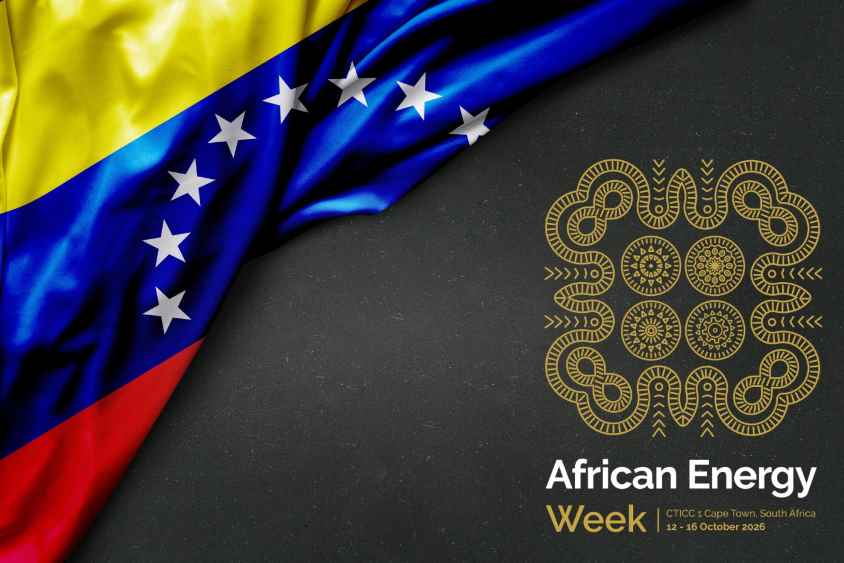
African Energy Week (AEW) 2026 to Spotlight Venezuela’s New Investment Framework as Global Capital Returns

Published

on

Energy

The Venezuela Global Investment Forum at African Energy Week 2026 will examine how regulatory reform, new production participation structures and international partnerships are reshaping the country’s investment landscape

CAPE TOWN, South Africa, September 28, 2026/APO Group/ –Venezuela’s energy sector is entering a period of significant commercial change, with a reworked hydrocarbons framework beginning to translate into new agreements with international energy companies. At African Energy Week (AEW) 2026, the Venezuela Global Investment Forum: Shaping the Renaissance of a Hydrocarbon Giant will bring Venezuelan policymakers, national oil company executives and international investors together to examine the opportunities emerging from that transition.


The forum comes as Venezuela moves from regulatory reform toward implementation. In January 2026, the country enacted a reform of its Organic Hydrocarbons Law, introducing new contractual mechanisms for primary hydrocarbon activities and establishing a framework intended to give private operators greater responsibility for project development. The reform also incorporated Production Participation Contracts (PPCs), creating a structure under which private companies can assume operational and financial responsibility for projects.

Recent transactions show how quickly that framework is being put into practice. In September, Eni signed a 25-year Hydrocarbon PPC with PDVSA for the development of the giant Junín 5 field in the Orinoco Belt, becoming the project’s exclusive operator with responsibility for its technical, financial and commercial management.

Venezuela is demonstrating that regulatory reform has to be matched by real investment, real projects and opportunities for companies to participate across the energy value chain

GeoPark has likewise entered Venezuela through a 25-year PPC covering the Bare Block. The agreement, announced in September, is valued at approximately $1.2 billion and involves an asset with more than 15.7 billion barrels of oil originally in place and more than 1,100 existing wells.

Chevron has also expanded its position. On September 2, the company announced updated terms for its Venezuelan joint ventures, including additional acreage in the Orinoco Belt and plans to invest more than $7 billion over five years. Chevron said the investment program is expected to more than double production from its Venezuelan operations to approximately 600,000 barrels per day compared with 2026 levels.

These developments give the Venezuela Global Investment Forum a timely commercial focus. Delegates will examine the details of the reformed hydrocarbons law, PPC structures, fiscal incentives, mechanisms for international arbitration and other provisions designed to improve the conditions for international capital. The broader investment opportunity is substantial: Venezuela holds more than 300 billion barrels of proven oil reserves and more than 195 trillion cubic feet of natural gas, while the rehabilitation of its energy sector is expected to require substantial investment in production, infrastructure and refining.

The forum will also highlight the South-South dimension of Venezuela’s reopening. For African energy producers, the country’s experience offers areas of potential cooperation around mature-field rehabilitation, infrastructure development, technology transfer, workforce development and investment frameworks for resource monetization. The African Energy Chamber (AEC) has already engaged with Venezuelan institutions on investment promotion, technical knowledge transfer and cooperation across the energy value chain.

“Venezuela is demonstrating that regulatory reform has to be matched by real investment, real projects and opportunities for companies to participate across the energy value chain,” said NJ Ayuk, AEC Executive Chairman. “The Venezuela Global Investment Forum gives investors an opportunity to understand the new framework directly from Venezuelan leaders and to look at where capital, technology and expertise can support the country’s energy recovery while creating stronger South-South partnerships.”

As Venezuela seeks to restore production and rehabilitate infrastructure, the forum will provide a platform for investors to assess the commercial structures underpinning that effort and engage directly with the institutions and companies shaping the next stage of the country’s energy industry.

Distributed by APO Group on behalf of African Energy Chamber.


Business

Automechanika Dubai hosts AfriConnections to link African aftermarket buyers with global suppliers

Published

on

With Dubai’s non-oil trade with Africa exceeding US$145.9 billion in 2025, the half-day programme on 12 November will examine trade, sourcing and distribution opportunities as AfCFTA reshapes the market

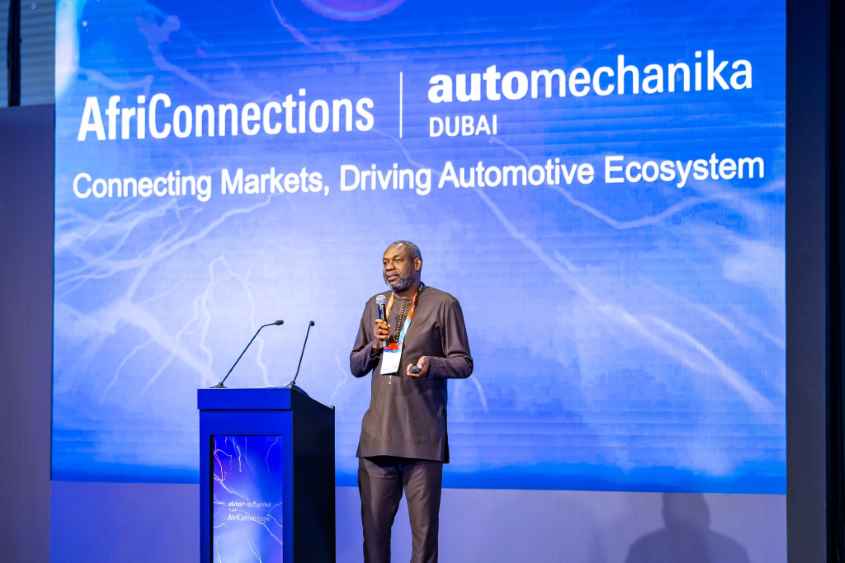
DUBAI, United Arab Emirates, November 9, 2026/APO Group/ –Automechanika Dubai (https://apo-opa.co/3WxG5hU) will host AfriConnections on 12 November, a half-day programme bringing African and international aftermarket businesses together as new trade rules reshape the continent’s automotive sector. Under the African Continental Free Trade Area (AfCFTA), vehicles and components must now contain at least 40% African-originating content to qualify for preferential treatment, changing how businesses source, manufacture and distribute across Africa. The programme takes place during the 23rd edition of Automechanika Dubai, running from 10 to 12 November 2026 at Dubai Exhibition Centre, Expo City Dubai.


The opportunity varies across the continent. South Africa and Morocco account for the majority of Africa’s vehicle production, according to the International Organization of Motor Vehicle Manufacturers (OICA), while many other markets rely heavily on imported vehicles and components. African Union heads of state approved the automotive rules of origin in February 2026, according to the African Association of Automotive Manufacturers (AAAM). Together with wider efforts to strengthen local manufacturing and regional trade, the rules are creating opportunities both to source components and materials from African producers and to develop distribution and production networks across the continent.

Claire Dawai, PhD, Chief Executive Officer of the Sub-Sahara Chamber of Trade, said: “Africa’s automotive aftermarket is moving towards a more structured and integrated ecosystem, creating a need for clearer regulatory frameworks and stronger links between regional markets and global centres of innovation. Aligning market requirements with international standards will be important in supporting investment, strengthening local value chains and building a more competitive industry.”

Automechanika Dubai connects African buyers with international suppliers across parts, workshop equipment and emerging automotive technologies

As the rules change, businesses are looking for reliable routes to trade across these markets and to reach international suppliers. Dubai provides an established link: Dubai Chambers reported that the emirate’s non-oil trade with Africa exceeded US$145.9 billion in 2025. According to the Kenya Motor Repairers Association (KEMRA), Africa’s market for replacement parts, repair services, diagnostics and tools is valued at over US$30 billion, with more than 50 million vehicles on the continent.

Mercy Mwaura, Chief Executive Officer of KEMRA, said: “Fragmented supply chains, high logistics costs and skills gaps continue to constrain the sector’s full potential. Closing those gaps will take international partnerships with global suppliers, technology and expertise, and AfriConnections is a practical place to start building them.”

AfriConnections is designed to address these challenges. The programme will explore Africa’s automotive growth outlook, AfCFTA and intra-African trade, UAE–Africa commercial corridors, sourcing and supply-chain strategies, and electrification and alternative-energy infrastructure.

It takes place alongside a trade show that gives those conversations scale. More than 1,200 exhibitors from over 50 countries are expected this year, giving African buyers and distributors access in one place to international suppliers of parts, workshop equipment and automotive technologies.

Chris Lee, Portfolio Director, Mobility & Logistics, Messe Frankfurt Middle East, said: “Automechanika Dubai connects African buyers with international suppliers across parts, workshop equipment and emerging automotive technologies. Dubai’s position as a global trade and logistics hub makes it a natural meeting point for these businesses, while AfriConnections gives them a focused opportunity to explore new markets, build partnerships and turn commercial interest into business.”

For more information, click here (https://apo-opa.co/3WzZf6M).

Distributed by APO Group on behalf of Automechanika Dubai.


Continue Reading

Business

South Sudan Targets New Energy Investment as African Financing Options Expand

Published

on

Etu Energias

The launch of the Africa Energy Bank, regional banking partnerships and upstream exploration activity bring new financing opportunities into focus at SSOP 2026

JUBA, South Sudan, November 9, 2026/APO Group/ –South Sudan is seeking new investment to expand oil production, develop exploration acreage and strengthen petroleum infrastructure as African financial institutions increase their focus on energy project financing. With 14 exploration blocks available and plans to raise crude output from approximately 174,000 barrels per day (bpd) to 230,000 bpd in the near term, the country is targeting capital for both new developments and existing producing assets.


The upcoming South Sudan Oil & Power (SSOP) conference – scheduled for November 24-25, 2026, in Juba – will serve as the premier venue for investors, development finance institutions (DFIs) and project developers to structure funding, forge partnerships and allocate capital across the nation’s evolving energy value chain.

South Sudan Advances Upstream, Infrastructure Opportunities  

South Sudan’s investment pipeline spans exploration, enhanced oil recovery, refining, crude transportation and power infrastructure. With an estimated 3.5 billion barrels of proven oil reserves, the country is seeking to attract new operators and technical partners to develop available acreage while improving production efficiency across mature fields.

Regional national oil companies are already advancing exploration activities. The South African National Petroleum Company (SANPC), through its subsidiary Strategic Fuel Fund, holds a 90% interest in Block B2 alongside national oil company Nile Petroleum Corporation (Nilepet). SANPC is preparing further exploration work, including a planned 2D seismic campaign, creating opportunities for geophysical contractors, equipment suppliers and technical service providers.

Nilepet is also pursuing investment in downstream infrastructure, including a proposed 350-kilometre crude pipeline connecting the Tharjiath oilfields in Block 5A with the Paloch oilfields in Blocks 3 and 7. The company is seeking strategic investment partnerships for refinery development and the pipeline project, alongside plans to expand fuel storage, distribution and LPG infrastructure.

Development Finance Expands Investment Options 

The formal establishment of the Africa Energy Bank on October 31, 2026, marks a significant development in regional energy financing. Created by the African Petroleum Producers’ Organisation and Afreximbank, the institution has $5 billion in authorized capital and is expected to begin financing projects in 2027.

The bank aims to address funding gaps across Africa’s oil and gas sector, with an initial focus on regional infrastructure, including pipelines, refining and domestic energy development. Its establishment could create additional financing options for South Sudan’s petroleum projects, although no funding commitments to the country have been announced.

Beyond the AEB, development finance institutions are already supporting South Sudan’s wider energy infrastructure. The World Bank is financing the $53 million South Sudan Energy Sector Access and Institutional Strengthening Project, which includes grid expansion in Juba and support for decentralized electrification. Meanwhile, the African Development Bank Group has approved $153.66 million in financing for the Uganda–South Sudan electricity interconnection project, supporting regional power trade and improved electricity access.

Afreximbank also maintains a trade finance partnership with South Sudan’s Kush Bank, which was appointed as an intermediary in 2023. The arrangement provides a framework for trade finance instruments, including letters of credit and bank guarantees, that can support equipment imports and commercial activity. Access to these instruments could benefit domestic suppliers and service companies participating in the energy sector.

SSOP 2026 Connects Energy Projects with Global Capital 

As South Sudan seeks to accelerate production growth and expand its energy infrastructure, SSOP 2026 will provide a platform to connect priority projects with regional and international financiers.

Returning as the country’s official energy investment platform, the conference will bring together government representatives, national and international oil companies, development finance institutions, commercial banks, private investors and technology providers to explore financing structures, investment partnerships and project development opportunities.

Held under the theme Resource Renaissance – Energy-Fueled Growth for a New Generation, SSOP 2026 will focus on mobilizing capital across exploration, production optimization, refining, petroleum transportation and power infrastructure, supporting South Sudan’s efforts to translate its energy resources into commercial development.

For more information, visit https://SouthSudanOilPower.com/.

Distributed by APO Group on behalf of Energy Capital & Power.


Continue Reading

Business

Zambia–Lobito Railway Moves Towards Financial Close as President Hichilema Meets Africa Finance Corporation (AFC) Leadership

Published

on

Zambia

Project advances towards financing with preferred EPC bidders selected and letters of intent covering approximately 2 million tonnes a year signed

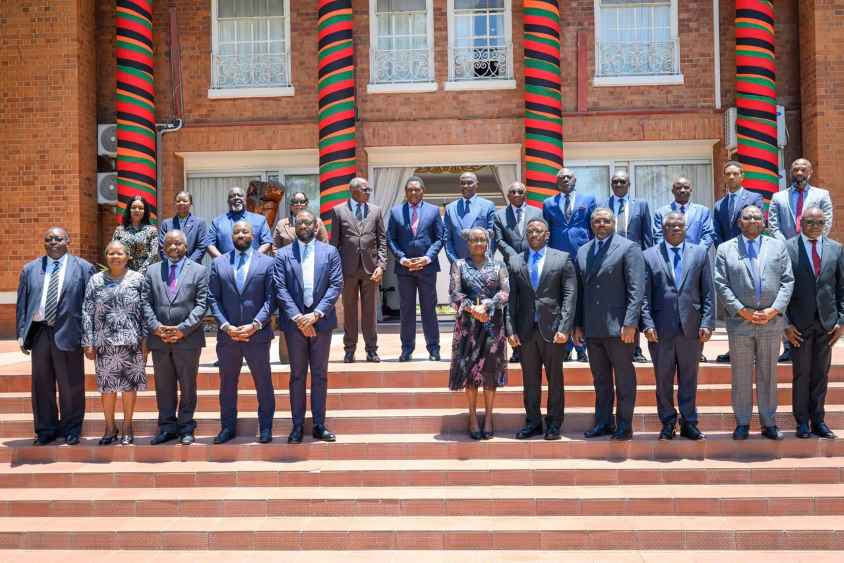
LUSAKA, Zambia, November 6, 2026/APO Group/ –His Excellency Hakainde Hichilema, President of the Republic of Zambia, has received a delegation from Africa Finance Corporation (AFC) (www.AfricaFC.org), led by its President and Chief Executive Officer, Samaila Zubairu, to review progress on the Zambia–Lobito Railway Project. AFC, the continent’s leading infrastructure solutions provider, is the lead sponsor and developer of the project.

The approximately 830-kilometre railway will connect Chingola in Zambia’s Copperbelt to Luacano in Angola, where it will link with the existing Benguela Railway and provide direct access to the Atlantic Ocean through the Port of Lobito.


A strategic component of the broader Lobito Corridor initiative, the project has reached several important development milestones. AFC last month announced preferred bidders for the engineering, procurement and construction (EPC) contracts for the Angolan and Zambian sections, following an international competitive tender. The project has also signed memoranda of understanding and letters of intent with prospective railway users covering approximately 2 million tonnes of freight a year.

Every tonne that leaves Zambia unprocessed takes jobs away with it

In addition to providing a direct Atlantic export route for Zambia’s copper and critical minerals, the project is being developed as an integrated economic corridor supporting agricultural exports, petroleum logistics, manufacturing and regional trade. Transit from the Copperbelt to the Port of Lobito is expected to take approximately seven days.

The project’s commercial strategy targets approximately 5 million tonnes of annual freight at steady state, comprising petroleum products, agricultural commodities, copper, cobalt, zinc and other industrial cargo. AFC is targeting financial close in 2027.

Discussions focused on continued collaboration between AFC and the Government of Zambia on the project’s next steps, including the railway’s right of way and land for associated agricultural, petroleum and freight-handling facilities. The meeting also considered rail sector policy measures to support the corridor’s long-term competitiveness, including integration with the Zambia Railways network and the Chingola–Ndola line.

President Hichilema reaffirmed the railway’s importance to Zambia’s economic development and regional integration. He said: “The Zambia–Lobito Railway is central to our vision of transforming Zambia into a competitive regional hub for trade, manufacturing, agriculture and mineral value addition. By connecting our productive sectors to international markets more efficiently, we can reduce logistics costs, attract investment and create jobs. We welcome AFC’s progress and will continue working closely together to advance this strategic project.”

Samaila Zubairu, President and Chief Executive Officer of AFC, said: “Every tonne that leaves Zambia unprocessed takes jobs away with it. This railway changes that. Starting in Chingola, it gives Zambia a seven-day route to the Atlantic and every reason to process, manufacture and add value at home. With preferred EPC bidders selected and strong interest from freight users, we are now working with the Governments of Zambia and Angola, the African Development Bank, the Government of Italy and our other partners to reach financial close. We are building a railway. Zambia will build an economy on it.”

AFC continues to work with the Governments of Angola and Zambia, the European Union, the United States Government, the Government of Italy and the African Development Bank, alongside Italian development finance institution CDP and Italian export credit agency SACE, to bring the Zambia–Lobito Railway into construction.

Distributed by APO Group on behalf of Africa Finance Corporation (AFC).


Continue Reading

Trending