Connect with us
Anglostratits

Business

Committed Partnerships Are the Best Way to Ensure all Africans Have Access to Life-Saving Surgical Procedures
Published

on

Mercy Ships

The challenge of equity and the integration of surgical and anesthesia care into national health systems are prerequisites for achieving Universal Health Coverage in Africa

DAKAR, Senegal, September 28, 2022/APO Group/ — 

As Mercy Ships (www.MercyShips.Africa) marks 30 years of service on the continent, providing free surgical care, training, and support from its hospital ships to local development projects in Africa, its Africa Bureau Director Dr. Pierre M’Pele calls for continued vigilance and tireless pursuit in the efforts to improve the level of health of African populations.

Life expectancy across Africa has increased by 10 years since 2000 — a result of interventions such as the implementation of the 2000-2015 Millennium and successful commitments made by national governments in the framework of the Sustainable Development Goals (SDGs) 2015-2030. Working to serve the greatest number of people in a sustainable way, having a people-centered vision, and planning for greater investment in health as part of national development programs, in conjunction with good democratic governance, stability and economic growth have also positively influenced health indicators across the continent.

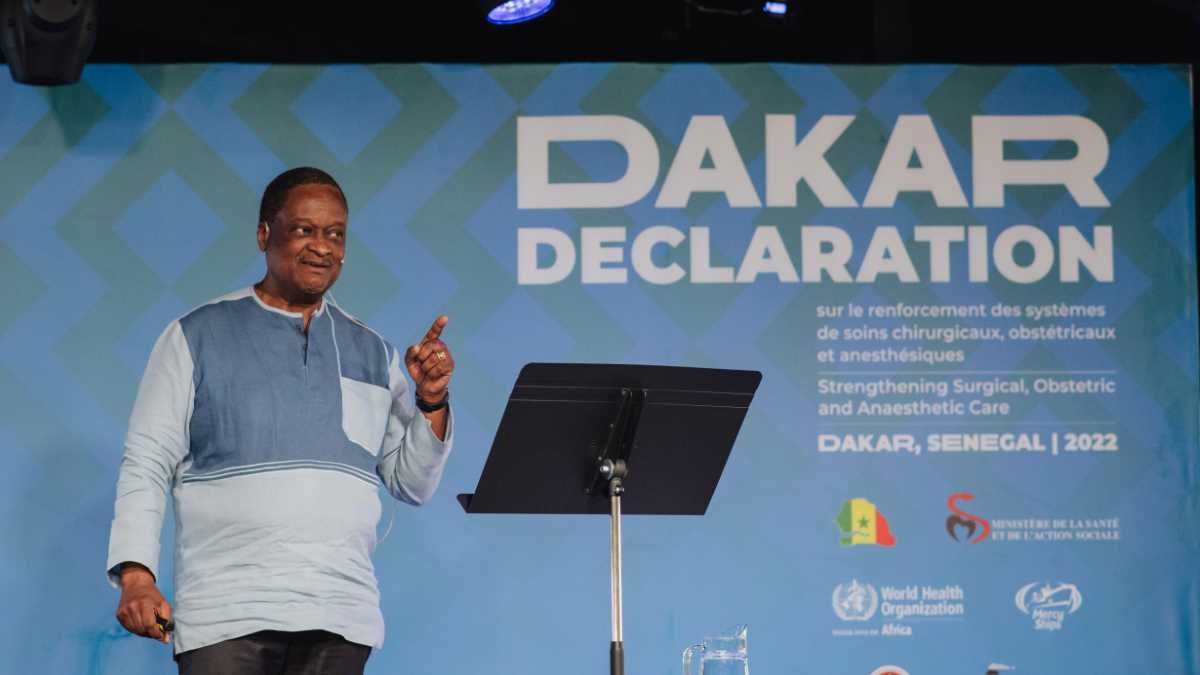
Dr. Pierre M’Pele, MEDx talk on “The Need and the Action: Baseline Assessment & Dakar Declaration”.

“We must absolutely celebrate these positive results, however, we must be cautious and avoid complacency, because this positive news is a tree that hides the forest,” says Dr M’Pele. “One-third of clinical conditions in Africa require surgical, obstetric, and anesthetic care, and yet there is less than 1 surgical specialist per 100,000 inhabitants, so surgery is a particularly neglected component of health systems in Africa. It is a critical area where much improvement needs to be made. While much of the world is looking to the latest technologies to improve their clinical care, we are saying that in Africa, there is still a lot of work to do to increase the number of qualified, specialized, and dedicated doctors and nurses too.”

Access to quality, safe, and affordable surgical, obstetric, and anesthesia care is a luxury in most African countries, and especially for the poorest populations. The challenge of equity and the integration of surgical and anesthesia care into national health systems are prerequisites for achieving Universal Health Coverage in Africa.

One-third of clinical conditions in Africa require surgical, obstetric, and anesthetic care, and yet there is less than 1 surgical specialist per 100,000 inhabitants

Pierre M’Pele, Mercy Ships Africa Bureau Chief, is seen during the second day of the International Symposium hosted at the King Fahd Palace Hotel in Dakar, Sen, on Thursday, May 5, 2022.

Preliminary results of research conducted by Mercy Ships in 602 district hospitals in 32 sub-Saharan African countries as part of the organization’s engagement with African governments, national and international partners, and health experts revealed an alarming situation that requires action in all countries.

“The aim of this research, and the political commitment it is encouraging, is to increase investment in upgrading surgical, obstetric, and anaesthesia care systems by 2030 to achieve Universal Health Coverage. When you understand that one in four district hospitals, for example, has no water or electricity, and only one in twenty-five has an Internet connection in this century of computerization, it helps you to identify the areas where the most improvement needs to be made,” says Dr M’Pele.

This is why initiatives like the baseline assessment are so important. The survey is helping national leadership to identify gaps in areas such infrastructure, human resources, service delivery, information management, finance, impact of Covid-19 on surgery, governance, and leadership, as well as pediatric surgery. The survey’s findings confirm the need for investment in infrastructure, continued education and surgical support in Africa, and highlights the value and urgent need for the work of Mercy Ships in collaboration with African nations.

Pierre M’Pele, Mercy Ships Africa Bureau Chief, left, speaks with Benin Country Delegates Thierry Mavoha, and Eugene Zoumenou with Dr. David Ugai, Mercy Ships Country Director for Guinea and International Scientific Committee member, during the International Symposium hosted at the King Fahd Palace Hotel in Dakar, Sen, on Wednesday, May 4, 2022.

It is a topic that Dr M’Pele addressed in his recent opinion editorial entitled “Health in Africa: the tree that hides the forest” (https://bit.ly/3dNLY4r), and one he discussed with The African Union Commissioner for Education, Science, Technology and Innovation, H.E. Prof. Mohamed Belhocine, who granted him an audience on 07 September 2022 in Addis-Ababa, Ethiopia He also shared his thoughts with key stakeholders during his recent visit to Europe.

As a decisive step towards advancing policy dialogue on ways to strengthen health systems within AU Member countries, the results of the survey will be handed over to the African Union Commission at the end of the year.  

It is hoped that it will spur other member countries to join the six African states (Cameroon, Comoros, Congo, Gambia, Guinea Bissau, and Senegal) which have adopted the Dakar Declaration.

The Declaration may be ambitious, but it brings hope for filling the healthcare gap for most Africa’s populations. Mercy Ship’s wish is that all African leaders, governments, and partners, will commit to the financial investment necessary to develop concrete actions for better health for the continent’s populations, especially the poorest.

Pierre M’Pele, Mercy Ships Africa Bureau Chief, on the third day of the International Symposium hosted at the King Fahd Palace Hotel in Dakar, Sen, on Friday, May 6, 2022.

Distributed by APO Group on behalf of Mercy Ships.

Business

South Sudan Targets New Energy Investment as African Financing Options Expand

Published

on

Etu Energias

The launch of the Africa Energy Bank, regional banking partnerships and upstream exploration activity bring new financing opportunities into focus at SSOP 2026

JUBA, South Sudan, November 9, 2026/APO Group/ –South Sudan is seeking new investment to expand oil production, develop exploration acreage and strengthen petroleum infrastructure as African financial institutions increase their focus on energy project financing. With 14 exploration blocks available and plans to raise crude output from approximately 174,000 barrels per day (bpd) to 230,000 bpd in the near term, the country is targeting capital for both new developments and existing producing assets.


The upcoming South Sudan Oil & Power (SSOP) conference – scheduled for November 24-25, 2026, in Juba – will serve as the premier venue for investors, development finance institutions (DFIs) and project developers to structure funding, forge partnerships and allocate capital across the nation’s evolving energy value chain.

South Sudan Advances Upstream, Infrastructure Opportunities  

South Sudan’s investment pipeline spans exploration, enhanced oil recovery, refining, crude transportation and power infrastructure. With an estimated 3.5 billion barrels of proven oil reserves, the country is seeking to attract new operators and technical partners to develop available acreage while improving production efficiency across mature fields.

Regional national oil companies are already advancing exploration activities. The South African National Petroleum Company (SANPC), through its subsidiary Strategic Fuel Fund, holds a 90% interest in Block B2 alongside national oil company Nile Petroleum Corporation (Nilepet). SANPC is preparing further exploration work, including a planned 2D seismic campaign, creating opportunities for geophysical contractors, equipment suppliers and technical service providers.

Nilepet is also pursuing investment in downstream infrastructure, including a proposed 350-kilometre crude pipeline connecting the Tharjiath oilfields in Block 5A with the Paloch oilfields in Blocks 3 and 7. The company is seeking strategic investment partnerships for refinery development and the pipeline project, alongside plans to expand fuel storage, distribution and LPG infrastructure.

Development Finance Expands Investment Options 

The formal establishment of the Africa Energy Bank on October 31, 2026, marks a significant development in regional energy financing. Created by the African Petroleum Producers’ Organisation and Afreximbank, the institution has $5 billion in authorized capital and is expected to begin financing projects in 2027.

The bank aims to address funding gaps across Africa’s oil and gas sector, with an initial focus on regional infrastructure, including pipelines, refining and domestic energy development. Its establishment could create additional financing options for South Sudan’s petroleum projects, although no funding commitments to the country have been announced.

Beyond the AEB, development finance institutions are already supporting South Sudan’s wider energy infrastructure. The World Bank is financing the $53 million South Sudan Energy Sector Access and Institutional Strengthening Project, which includes grid expansion in Juba and support for decentralized electrification. Meanwhile, the African Development Bank Group has approved $153.66 million in financing for the Uganda–South Sudan electricity interconnection project, supporting regional power trade and improved electricity access.

Afreximbank also maintains a trade finance partnership with South Sudan’s Kush Bank, which was appointed as an intermediary in 2023. The arrangement provides a framework for trade finance instruments, including letters of credit and bank guarantees, that can support equipment imports and commercial activity. Access to these instruments could benefit domestic suppliers and service companies participating in the energy sector.

SSOP 2026 Connects Energy Projects with Global Capital 

As South Sudan seeks to accelerate production growth and expand its energy infrastructure, SSOP 2026 will provide a platform to connect priority projects with regional and international financiers.

Returning as the country’s official energy investment platform, the conference will bring together government representatives, national and international oil companies, development finance institutions, commercial banks, private investors and technology providers to explore financing structures, investment partnerships and project development opportunities.

Held under the theme Resource Renaissance – Energy-Fueled Growth for a New Generation, SSOP 2026 will focus on mobilizing capital across exploration, production optimization, refining, petroleum transportation and power infrastructure, supporting South Sudan’s efforts to translate its energy resources into commercial development.

For more information, visit https://SouthSudanOilPower.com/.

Distributed by APO Group on behalf of Energy Capital & Power.


Continue Reading

Business

Zambia–Lobito Railway Moves Towards Financial Close as President Hichilema Meets Africa Finance Corporation (AFC) Leadership
Published

on

Zambia

Project advances towards financing with preferred EPC bidders selected and letters of intent covering approximately 2 million tonnes a year signed

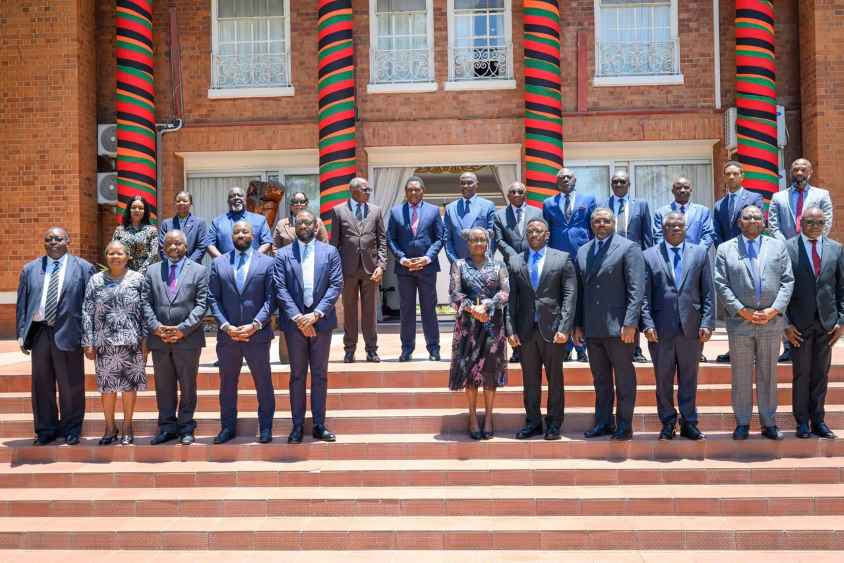
LUSAKA, Zambia, November 6, 2026/APO Group/ –His Excellency Hakainde Hichilema, President of the Republic of Zambia, has received a delegation from Africa Finance Corporation (AFC) (www.AfricaFC.org), led by its President and Chief Executive Officer, Samaila Zubairu, to review progress on the Zambia–Lobito Railway Project. AFC, the continent’s leading infrastructure solutions provider, is the lead sponsor and developer of the project.

The approximately 830-kilometre railway will connect Chingola in Zambia’s Copperbelt to Luacano in Angola, where it will link with the existing Benguela Railway and provide direct access to the Atlantic Ocean through the Port of Lobito.


A strategic component of the broader Lobito Corridor initiative, the project has reached several important development milestones. AFC last month announced preferred bidders for the engineering, procurement and construction (EPC) contracts for the Angolan and Zambian sections, following an international competitive tender. The project has also signed memoranda of understanding and letters of intent with prospective railway users covering approximately 2 million tonnes of freight a year.

Every tonne that leaves Zambia unprocessed takes jobs away with it

In addition to providing a direct Atlantic export route for Zambia’s copper and critical minerals, the project is being developed as an integrated economic corridor supporting agricultural exports, petroleum logistics, manufacturing and regional trade. Transit from the Copperbelt to the Port of Lobito is expected to take approximately seven days.

The project’s commercial strategy targets approximately 5 million tonnes of annual freight at steady state, comprising petroleum products, agricultural commodities, copper, cobalt, zinc and other industrial cargo. AFC is targeting financial close in 2027.

Discussions focused on continued collaboration between AFC and the Government of Zambia on the project’s next steps, including the railway’s right of way and land for associated agricultural, petroleum and freight-handling facilities. The meeting also considered rail sector policy measures to support the corridor’s long-term competitiveness, including integration with the Zambia Railways network and the Chingola–Ndola line.

President Hichilema reaffirmed the railway’s importance to Zambia’s economic development and regional integration. He said: “The Zambia–Lobito Railway is central to our vision of transforming Zambia into a competitive regional hub for trade, manufacturing, agriculture and mineral value addition. By connecting our productive sectors to international markets more efficiently, we can reduce logistics costs, attract investment and create jobs. We welcome AFC’s progress and will continue working closely together to advance this strategic project.”

Samaila Zubairu, President and Chief Executive Officer of AFC, said: “Every tonne that leaves Zambia unprocessed takes jobs away with it. This railway changes that. Starting in Chingola, it gives Zambia a seven-day route to the Atlantic and every reason to process, manufacture and add value at home. With preferred EPC bidders selected and strong interest from freight users, we are now working with the Governments of Zambia and Angola, the African Development Bank, the Government of Italy and our other partners to reach financial close. We are building a railway. Zambia will build an economy on it.”

AFC continues to work with the Governments of Angola and Zambia, the European Union, the United States Government, the Government of Italy and the African Development Bank, alongside Italian development finance institution CDP and Italian export credit agency SACE, to bring the Zambia–Lobito Railway into construction.

Distributed by APO Group on behalf of Africa Finance Corporation (AFC).


Continue Reading

Business

Mukuru Partners with Flash to Add 170,000 Cash Pay-in Points Across South Africa

Published

on

Mukuru

New partnership brings remittance payments into township, peri-urban and rural spaza shops nationwide

JOHANNESBURG, South Africa, November 6, 2026/APO Group/ –Mukuru (www.Mukuru.com), a leading financial services provider, has partnered with Flash, a payments technology company with an extensive network of spaza shops across South Africa, adding 170,000 cash pay-in points where customers can now pay for their Mukuru remittance orders. The network includes Flash’s broader merchant footprint, giving Mukuru access to locations through Flash and its partner networks. These new locations are now operational, reducing the time and distance many customers currently travel to make a payment.

Previously, customers often had to travel to banks or dedicated payment outlets to pay for their Mukuru orders. Now, they can simply visit a spaza shop close to home, work or where they usually shop.

For people in townships, peri-urban and rural areas who rely on cash and have traditionally had limited access to formal pay-in points, particularly South Africa’s migrant communities, this change removes a real barrier and makes it easier to send money home. With these pay-in points inside spaza shops, Mukuru’s services become part of places people already go, meaning fewer extra trips and more timely payments.

Every additional pay-in point represents one less barrier for a customer trying to send money home

“Every additional pay-in point represents one less barrier for a customer trying to send money home,” said Erone Kyte, Commercial Manager: Cross-Border Remittances at Mukuru. “Our partnership with Flash gives us the scale to bring Mukuru’s services into the everyday spaces our customers already know and trust. It’s a meaningful step in making remittances simpler, more accessible and genuinely closer to the communities we serve.”

For Mukuru, working with Flash means reaching even more customers in underserved urban, township, and rural areas. By leveraging Flash’s established network, Mukuru can now offer cash pay-in options where they didn’t exist before. The expanded network is expected to help more people access Mukuru’s services, support growth in its South African customer base, and make cross-border payments more convenient.

Rens Rezelman, General Manager for Flash’s Merchant Division, commented, “Flash works to bridge the digital product and payments gap between businesses and consumers across the country. Launching Mukuru across our network presents another opportunity to bring a familiar brand closer to the people who need it most.”

The sector is now recognised as a R750 billion  industry. According to data tracked by Trade Intelligence, total turnover recently reached R197 billion, growing at roughly 15% annually. Research confirms that traditional trade and spaza shops are growing faster than large supermarket chains, with almost 80% of South African households shopping at these traditional trade outlets regularly. (https://apo-opa.co/4iDwZr8) Bringing Mukuru payments to these stores is a natural fit and helps shop owners draw in more customers and offer more services to their communities. Mukuru and Flash will build awareness of the new pay-in option through store, digital, and community promotions in the coming months.

This partnership is part of Mukuru’s ongoing drive to make cash pay-ins easier and improve access to remittance services for people living and working in areas with limited formal financial services. Over the past two years, the company has made similar moves to make its payment network bigger and more accessible across the region.

Mukuru customers looking to pay closer to home can easily find their nearest participating Flash pay-in point using the Mukuru app or website.

Distributed by APO Group on behalf of Mukuru.


Continue Reading

Trending