Connect with us
Anglostratits

Business

Mauritius tourism and hospitality industry to showcase growth and investment opportunities at the API Mauritius & Indian Ocean Property Investment Forum

Published

on

Mauritius

Mauritius is increasingly recognised as a leader in sustainable tourism, driven by government initiatives, industry commitment to eco-friendly practices, and real estate developments

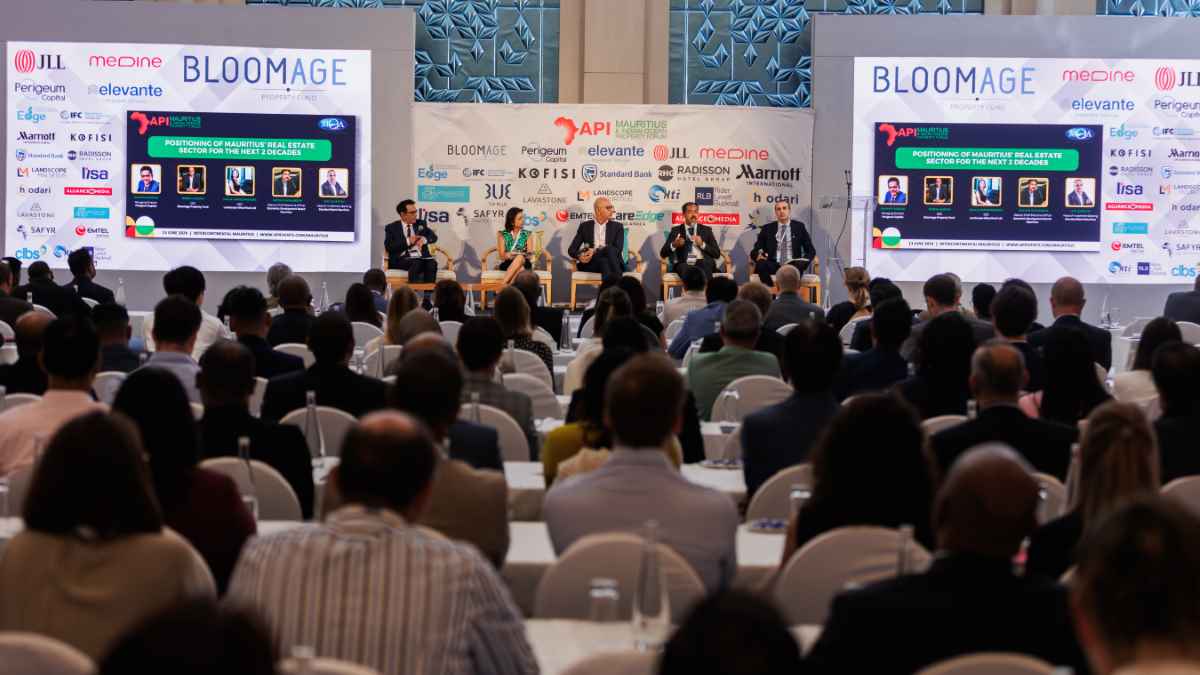
PORT LOUIS, Mauritius, June 13, 2025/APO Group/ –As Mauritius prepares to host the 3rd Annual API Mauritius & Indian Ocean Property Investment Forum on 26 June, industry leaders highlight the island’s pioneering role in sustainable tourism and hospitality development across the Indian Ocean region.

The forum will serve as a key platform to discuss growth prospects, investment challenges, and innovative partnerships shaping the future of hospitality in Mauritius and beyond.

Mauritius is increasingly recognised as a leader in sustainable tourism, driven by government initiatives, industry commitment to eco-friendly practices, and real estate developments.

The government aims to make Mauritius a “Green Destination” by 2030, focusing on reducing the negative effects of tourism like pollution and resource overuse, while increasing positive benefits such as protecting nature, supporting local communities, and preserving culture.

At the same time, real estate developments also follow green building principles, using energy-efficient designs and renewable energy to reduce carbon footprints. This combined effort from government, industry, and real estate creates a tourism sector that attracts visitors, cares for the environment, and benefits local people.

Neil George, Partner and Executive Director of Aleph Hospitality, notes that the region faces a significant opportunity to expand eco-certified hotels and circular economic practices in tourism that target waste reduction and promote local sourcing.

“Over the next five years, I believe that we will see substantial growth in eco-certified hotels as sustainability becomes a key differentiator. I expect that foreign investment in green hospitality projects will increase as Mauritius strengthens its sustainability credentials,” says George of Aleph Hospitality, which is the largest independent hotel management company in the Middle East and Africa.

However, he acknowledges that overcoming the perception of “Africa risk” and the somewhat illiquid nature of markets across the African continent remains a barrier to attracting institutional funding.

In other words, Africa is still widely viewed as lacking transparency, and it can be difficult to quickly buy or sell assets without impacting their prices. As a result, large investors such as banks and financial institutions find it challenging to commit funding. They prefer markets where information is readily available and where they can quickly recover their investments if necessary.

Investment challenges and innovative solutions

Institutional funding — traditional debt and equity funding — for hospitality developments in the Indian Ocean is often hindered by perceived market risks and limited liquidity.

Both Neil George and Govind Mundra, the Head of Development for Middle East & Africa at Wyndham Hotels & Resorts, emphasize these challenges remain perverse but also highlight innovative models to mitigate them.

Mundra points to branded residences and rental pool resorts as effective strategies that allow developers to pre-sell units and reduce upfront capital burdens while benefiting from global brand management and distribution networks. Wyndham assists developers and investors on this front.

“Branded residences and rental pools allow developers to pre-sell units—whether villas or condo-style apartments—while retaining them under a hotel management structure, easing both equity requirements and long-term debt burden.

There’s a clear opportunity to lead with eco-certified hotels, community-integrated experiences, and smart resort design – and we’re eager to be part but also to lead that journey

“It also gives investors the chance to monetize their assets while benefiting from a global brand, unified reservation system, and professional management. For interested investors, we’re always happy to explore these models further after the session. They’ve proven to be a powerful tool, especially when paired with our operational scale and strong visibility in key source markets,” says Mundra.

Wyndham’s “Wyndham Green” programme also provides a practical roadmap for hotels to achieve sustainability goals, graded across five levels covering energy use, waste reduction, sourcing, and community engagement. This approach aligns with the growing traveller demand for eco-conscious stays, particularly among younger generations, and supports Mauritius’s ambition to become a global benchmark in sustainable hospitality.

Predictions and growth outlook for the next five years

Industry leaders foresee a transformative shift in Mauritius’s hospitality sector over the next five years. Sustainable practices will evolve from optional enhancements to mandatory standards for new developments. Eco-certification, digital enablement, and environmental resilience will become prerequisites for new resorts, with guests expecting authentic cultural connections alongside eco-efficiency.

Aleph Hospitality’s expertise in tailored management solutions offers local entrepreneurs and investors opportunities to optimize operations, improve service quality, and attract international brands and investors through strategic partnerships. This collaborative approach can enhance return on investment from project inception through to exit phases.

Marriott International, one of the world’s largest hotel companies, has also reaffirmed its commitment to Mauritius, highlighting the island’s rich natural landscapes, cultural heritage, and world-class hospitality.

Says Jugal Khushalani, the Senior Director of Development for Sub-Saharan Africa at Marriott International: “The destination offers a resilient, high-value tourism offering that has evolved in terms of experience, accessibility, and infrastructure.  It also caters to the rising demand for experiential travel with enhanced luxury offerings, wellness experiences and environmentally conscious initiatives.”

Marriott International sees strong potential to expand its hotel portfolio in support of Mauritius’s resilient, high-value tourism economy.

Equally bullish about Mauritius is Radisson Hotel Group, which has reaffirmed its commitment to expanding in the Indian Ocean, building on its strong presence in Mauritius.

“Mauritius is setting the tone for sustainable hospitality in the region,” says Ramsay Rankoussi, Vice President of Development, Radisson Hotel Group, a major international hospitality company.

“There’s a clear opportunity to lead with eco-certified hotels, community-integrated experiences, and smart resort design – and we’re eager to be part but also to lead that journey. There’s growing demand from conscious travellers for resorts that integrate environmental stewardship with authentic local experiences which we have made our priority in all the hotels we operate on the island and globally,” says Rankoussi.

The Radisson Hotel Group is committed to net-zero operations by 2050. The group is also seeking to consolidate its existing presence across Mauritius, Madagascar, Reunion and Maldives but also to eventually enter Seychelles – aiming to bring its diverse portfolio of lifestyle, upper upscale, and eco-conscious brands to more of the region.

Government and industry collaboration for sustainable tourism

Mauritius’s government programme for 2025-2029 places eco-tourism at its core, reinforcing the island’s strategic focus on sustainable development. The Tourism Authority’s ongoing initiatives include banning single-use plastics, promoting renewable energy, encouraging local sourcing, and supporting eco-label certifications for hotels, such as Green Globe, held by prominent resorts. These efforts not only reduce the environmental footprint but also enhance the island’s appeal as a responsible travel destination.

Distributed by APO Group on behalf of API Events

Home  Facebook

Business

Afreximbank Backs DOTT Services Limited, Uganda with a US$28 Million Facility for Regional Engineering, Procurement and Construction (EPC) Projects

Published

on

The financing will enhance DOTT’s capacity to execute strategic projects across the continent, facilitate intra-African trade in goods and services and strengthen regional value chains

CAIRO, Egypt, November 4, 2026/APO Group/ –African Export-Import Bank (Afreximbank) (www.Afreximbank.com) has activated and approved a US$28 million dual-tranche facility for DOTT Services Limited, the leading Uganda-based engineering, procurement and construction (EPC) contractor, and has begun disbursing funds to support the execution of its EPC projects pipeline, valued at more than US$550 million.


Provided under Afreximbank’s EPC Contract Promotion Initiative, the facility is designed to strengthen the capacity of African EPC champions to secure and execute large-scale infrastructure projects across the continent. Specifically, the financing will support DOTT Services Limited in executing contracts and pursuing near-term opportunities valued at approximately US$550 million across Uganda, Tanzania, Kenya and the Democratic Republic of Congo.

Commenting on the transaction, Mr. Humphrey Nwugo, Director of Regional Operations at Afreximbank’s Eastern Africa office, said:

Through the initiative, the Bank provides support, including financing, twinning and matchmaking

“This facility reflects Afreximbank’s commitment to building strong African EPC champions capable of delivering the infrastructure that underpins Africa’s industrialisation, trade and economic integration. By supporting DOTT Services Ltd, a well-established regional contractor with operations across five African countries, we are addressing a critical financing gap that has historically constrained the ability of African firms to participate meaningfully in large-scale, cross-border infrastructure projects.

The financing will enhance DOTT’s capacity to execute strategic projects across the continent, facilitate intra-African trade in goods and services and strengthen regional value chains. It also advances Afreximbank’s EPC Contract Promotion Initiative, which seeks to increase African participation in the development and delivery of Africa’s infrastructure.

Through partnerships such as this, we are ensuring that greater value, expertise, employment opportunities and economic benefits are retained within Africa while fostering the emergence of globally competitive African contractors.”

Mr. Nwugo further noted that most local commercial banks lacked the capacity to support intra-African and regional projects because they were poorly placed to absorb the associated cross-border risks, while international banks tended to prioritise non-African contractors. As a result, African entities were often left without adequate financial support.

He said: “Afreximbank’s EPC Initiative was therefore designed to address this challenge by supporting African EPC contractors in securing and executing a greater share of infrastructure contracts across the continent. Through the initiative, the Bank provides support, including financing, twinning and matchmaking, as well as issuing letters of support, among others”, he explained.

DOTT Services Limited presence in Africa spans 28-years, with operations in Uganda, Tanzania, South Sudan, Zambia, and the Democratic Republic of Congo (DR Congo). It also has European offices in Italy and the UK, and a workforce of over 6,000 people. The company procures from, and distributes to, African countries goods such as bitumen, asphalt, steel and spare parts, as well as yellow goods equipment and services, making it a significant player in intra-African trade. Its track record of promoting trade-supporting infrastructure across the continent makes it a natural partner for Afreximbank’s EPC Contract Promotion Initiative, which seeks to build African EPC champions capable of delivering the infrastructure that underpins intra-African trade.

Distributed by APO Group on behalf of Afreximbank.


Continue Reading

Business

Coca-Cola Beverages Africa (CCBA) invests in Africa’s leadership potential through EDGE

Published

on

Coca-Cola

Developed in partnership with Henley Business School Africa, the programme equips high-potential leaders with the skills, experiences and perspectives needed to drive growth, create value and deliver impact across the business

JOHANNESBURG, South Africa, November 4, 2026/APO Group/ –Thirty-one leaders from across 12 African countries have graduated from Coca-Cola Beverages Africa’s (CCBA) (https://www.CCBAgroup.com) EDGE Senior Leadership Acceleration Programme, marking the completion of the programme’s second generation and the first pan-African EDGE cohort.


Created by CCBA, EDGE is the company’s flagship senior leadership development programme. Building on previous participation from The Coca-Cola Company, the programme was further expanded in 2026 to include leaders from Equatorial Coca-Cola Bottling Company and Coca-Cola Hellenic Bottling Company, creating a broader pan-African learning experience across the Coca-Cola system.

Developed in partnership with Henley Business School Africa, the programme equips high-potential leaders with the skills, experiences and perspectives needed to drive growth, create value and deliver impact across the business.

The 2026 cohort marks an important milestone for EDGE as the programme brought together leaders from across the Coca-Cola system

The graduating cohort represented leaders from multiple countries and business functions. Through classroom learning, business projects, mentoring and coaching, participants gained practical experience in addressing real business opportunities and challenges.

With CCBA serving more than 840,000 customers across Africa, the company requires leaders who can navigate complexity and create value in diverse markets. EDGE helps build these capabilities through practical, business-focused learning.

“People are at the heart of everything we do, and programmes like EDGE demonstrate our commitment to investing in their growth and future success,” said Natasa Prodanovic, Chief People and Culture Officer at CCBA.

“The 2026 cohort marks an important milestone for EDGE as the programme brought together leaders from across the Coca-Cola system. By learning alongside colleagues from The Coca-Cola Company, Equatorial Coca-Cola Bottling Company and Coca-Cola Hellenic Bottling Company, participants were able to build meaningful connections, share diverse perspectives and strengthen collaboration across our markets.”

The curriculum focused on strategy, value creation, transformation, commercial decision-making, leading self and leading teams. Participants also presented business projects aligned to organisational priorities as part of the programme’s graduation requirements.

EDGE forms part of CCBA’s broader commitment to developing future leaders and building the capabilities needed to drive sustainable growth and impact across Africa.

Distributed by APO Group on behalf of Coca-Cola Beverages Africa.


Continue Reading

Business

Africa and Caribbean trade potential could reach $1.65 billion annually by 2030: International Trade Centre (ITC)-Afreximbank report

Published

on

Afreximbank

The report finds that around 80% of Africa’s annual goods export potential to the Caribbean remains untapped

ST. JOHN’S, Antigua and Barbuda, November 3, 2026/APO Group/ –Annual trade in goods and services between Africa and the Caribbean could reach up to $1.65 billion by 2030, excluding mineral fuels, according to a new report launched today by the International Trade Centre (ITC) and African Export-Import Bank (Afreximbank) (www.Afreximbank.com) on the sidelines of the Commonwealth Heads of Government Meeting in Antigua and Barbuda.


The report, Reshaping Africa-Caribbean Trade: Opportunities for Economic Transformation, (https://apo-opa.co/4eiz62u) finds that while Africa and the Caribbean share deep historical and cultural links, trade between the two regions continues to represent only a small share of each region’s overall trade, despite complementarities across sectors ranging from agribusiness and manufacturing to services and the creative economy.

A look at the numbers

The report finds that around 80% of Africa’s annual goods export potential to the Caribbean remains untapped, with are significant opportunities for export growth if trade and investment is actively promoted and facilitated.

Africa and the Caribbean must transform a shared history into shared prosperity

Caribbean export potential lies in the services sector, reaching $481 million. The report identifies business opportunities across several priority sectors, including processed food and animal feed, chemicals, minerals and metals, apparel and textiles, leather and footwear, tourism, transport services and creative industries.

These findings – and more – are based on trade and export potential analysis, detailed sector assessments and a survey of 1,175 businesses and business support organizations across Africa and the Caribbean.

Tapping into priority sectors

ITC Executive Director Pamela Coke-Hamilton (https://apo-opa.co/3WHHZMU), in launching the report, said: ‘At a time of major shifts in global trade, countries need to strengthen regional ties and invest in value addition, to build resilience. We know the major trade opportunities between Africa and the Caribbean – and now we can focus on helping businesses take advantage of those opportunities through better market intelligence, improved logistics and greater access to finance.’

Commenting on the report, Denys Denya, Senior Executive Vice President at Afreximbank, said: ‘Africa and the Caribbean must transform a shared history into shared prosperity. With our CARICOM office in Barbados, about $1 billion in approved transactions and a $5 billion regional financing commitment, Afreximbank is advancing this vision through financing, deposit mobilization under CENDEP, business links through the annual Afri-Caribbean Trade and Investment Forum, local-currency payments through CAPSS and creative-industry collaboration through CANEX. This report offers a practical roadmap to turn untapped potential into bankable opportunities across agribusiness, manufacturing, tourism and the creative economy. Through targeted financing, stronger transport and logistics links and strategic partnerships, we can build a Global Africa connected by heritage, trade, investment and shared opportunity.’

The report finds that businesses continue to face significant challenges, including high transport costs, limited direct shipping links, regulatory barriers, limited access to finance and difficulties in identifying trusted commercial partners. It highlights that future economic cooperation should extend beyond traditional trade in goods, including through joint investment ventures, digital services, creative industries and tourism. It also calls for targeted action to improve market intelligence and business matchmaking; expand access to trade finance and payment solutions; strengthen transport and logistics connectivity; support sector-specific value chain development; improve regulatory cooperation and market access; and foster stronger partnerships among business support organizations.

Read the full report HERE (https://apo-opa.co/4exHBH9)

Distributed by APO Group on behalf of Afreximbank.


Continue Reading

Trending