Connect with us
Anglostratits

Business

Uncertainties in Base and Precious Metals Supply: Is Africa ready?

Published

on

natural gas

Some African companies may need to pivot or scale down to withstand the current strains and maintain their operations

JOHANNESBURG, South Africa, February 8, 2023/APO Group/ — 

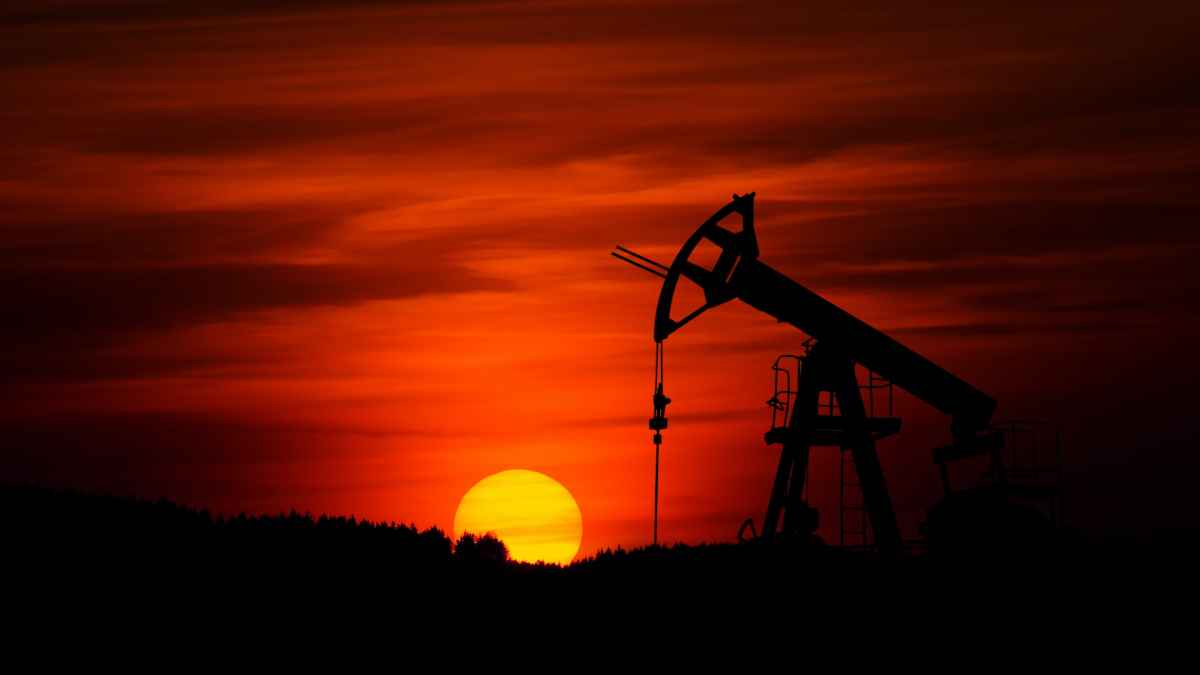
The ongoing Ukraine war and ensuing sanctions imposed on Russia (the most extensive in world history) have resulted in spasms in the oil and natural gas markets, driving well-documented disruptions to energy supplies, as well as agricultural resources.

Download document (1): https://bit.ly/3liEqdA

However, the shortages in supplies of crucial basic and precious metals, which are just as concerning to Africa’s business leaders as those in energy, and agriculture – have garnered far less coverage and attention.

“The sanctions against Russia – one of the world’s biggest exporters of raw materials – is causing knock-on effects that are rippling throughout many spheres of business, from the sustainability of Africa’s mining operations to the stable functioning of the manufacturing base,” explains Igor Hulak, a Partner at Kearney, a leading global management consulting firm.

The suspension of foreign shipping operations has triggered a worldwide shipping container shortage. With existing infrastructure insufficient for handling the redirection to and through Asia of raw materials in their full volumes, industries are looking for solutions.

In addition, alternatives that make use of ageing infrastructure are unsuitable as they pose massive environmental risks, as evinced by the catastrophic 2020 diesel spill at Norilsk Nickel, Russia’s worst-ever Arctic environmental disaster. China may have been able to fill the supply gaps, but ongoing COVID-related shutdowns and supply chain interruptions have made that difficult.

These sanctions and shutdowns will continue to affect Africa’s consumers as well, having manifested in increased prices for food and fuel [1].

Since early 2022, the five base metals that Russia produces on a vast scale – nickel, aluminium, copper, iron, and zinc – have experienced sharp price increases, and continued supply disruptions are likely to see prices rise further still.

“Nickel, which is a critical ingredient in lithium-ion batteries and essential for the global energy transition, is in short supply. Russian companies such as Norilsk Nickel, the world’s largest nickel producer, had historically supplied global markets. However, the sanctions have made Russia, which accounts for roughly 10% of the global share of nickel, unable to meet this global demand,” Hulak notes.

“This deficit in global supply presents an opportunity for African nickel producers, such as Zimbabwe and Botswana, to step in and fill the gap. However, overcoming existing inadequate export infrastructure will be a major challenge, requiring government buy-in and a collaborative multi-sector approach. Though the challenges are formidable, Africa must find a way to seize this opportunity and emerge as a key player in the new global metals market,” Hulak asserts.

Hulak says that prices of other base metals for which the world is less reliant such as iron and zinc (of which Russia produces 4% and 2% of the global share, respectively), are likely to stabilize.

Precious metal prices have, by contrast, shown less volatility. However, as these too are crucial to the electric economy, experts warn that price increases are still on the cards.

The most significant increases are expected in the platinum group. Russia accounts for almost 40% of the world’s supply of palladium and 11% of platinum, which is essential for hydrogen-based energy technologies (as well as alloys, circuitry, and ceramic capacitors).

According to Hulak, market and pricing drivers are currently indicating long-term price increases for the platinum group metals. This presents a golden opportunity for South Africa, still the world’s largest producer of these metals, to step in and fill the supply gaps. Moreover, this is a unique opportunity for South Africa to leverage its already strong position and expand its operations in the sector to meet the escalating global demand.

Hulak goes on to add that platinum group metals are typically associated with rare earth metals such as rhodium, iridium, and palladium. With Russia unable to supply such metals, and with potential higher demand for these metals from increased military activity, it creates a market gap that African countries can fill.

“Traditionally a reliable safe-haven investment, gold (of which Russia is a major producer [2]) is likely to see moderate price increases. This could work in favor of Africa’s gold production powerhouses like Ghana and South Africa[3].

Traditionally a reliable safe-haven investment, gold (of which Russia is a major producer) is likely to see moderate price increases

The silver price is, however, expected to stabilize, mainly because of the lack of direct sanctions and Russia’s minor share of global production (6%).

At this pivotal moment, with the energy transition enjoying popular public backing, the major concern now is whether the market can find enough of the critical raw materials needed to support it. Apart from exacerbating the disruptions driven by the COVID pandemic, these supply shocks are compounding the price pressures associated with this global shift and the resources this requires.

Offshore wind plants, for example, need more than seven times the amount of copper compared to equivalent gas-fired plants; and EVs use more than six times more minerals than internal combustion-powered vehicles [4].

Supply disruptions will likely continue to affect global markets. As a result, some African companies may need to pivot or scale down to withstand the current strains and maintain their operations.

However, Africa’s wealth of natural resources, including many of the basic and precious metals currently in short supply, could allow her to leverage the opportunities presented by the shift towards an electric economy. By leveraging these resources effectively, Africa has the potential to drive additional economic growth, develop industries along the value chain, and create jobs.

Overall, however, the balance in global supply will not change significantly. As a result, prices for many base metals are expected to revert to the global consensus-forecast levels. Still, for some commodities, like nickel and precious metals, price increases look like they’re here to stay.


[1] http://bit.ly/3YyM2qt

[2] http://bit.ly/3HCB5gE

[3] http://bit.ly/3jNQcvT

[4] http://bit.ly/3X9ynoV

Distributed by APO Group on behalf of Kearney.

Business

Canada–Africa Financing Forum to Convene Investors and Decision-Makers in Cape Town – May 14, 2026

Published

on

Ateau Zola

This timely Forum comes on the heels of commitments announced by Canadian Prime Minister Mark Carney, deepening Canada–Africa commercial ties and expanding investment partnerships

TORONTO, Canada, April 29, 2026/APO Group/ –The Canada–Africa Chamber of Business (https://CanadaAfrica.ca) will convene investors, financiers, policymakers, and industry leaders in Cape Town on May 14, 2026 for the Canada–Africa Financing Forum—a high-level platform focused on unlocking capital and accelerating deal flow across African markets.

Registration is open (http://apo-opa.co/4vZN6oV)

This timely Forum comes on the heels of commitments announced by Canadian Prime Minister Mark Carney, deepening Canada–Africa commercial ties and expanding investment partnerships. The program connects leaders from venture capital, private equity, and institutional investors to examine where capital is moving—and where the next opportunities lie—supported by Canadian project partners with proven capacity to deliver on-the-ground.

Delegates will engage directly with finance and investment decision-makers, following the program opening, featuring messages from President Cyril Ramaphosa and Prime Minister Mark Carney, in addition to high-level Ministerial representation.

This Forum is about capital deployment, not just conversation

“This Forum is about capital deployment, not just conversation,” said Garreth Bloor, President of the Canada–Africa Chamber of Business. “We are convening investors, institutions, and project leaders who are actively shaping transactions across Africa—and connecting them directly with Canadian partners who are ready to work together.”

The Canada–Africa Financing Forum reflects the Chamber’s role as a privately financed, market-led platform advancing Canada-Africa trade and investment through world-class networking and information-sharing events.

Why Attend

  • Direct access to active dealmakers and capital allocators
  • Insights into where capital is being deployed and key players delivering major projects
  • Opportunities to build partnerships across Canada and African markets
  • Participation in a curated, high-level environment focused on execution

Secure Your Place

Space is limited and demand is strong.

Apply to secure your place (http://apo-opa.co/4vXb9oz)

Read More and View the Program (http://apo-opa.co/4vZN6oV)

Distributed by APO Group on behalf of The Canada-Africa Chamber of Business.

Continue Reading

Business

ORUN and 1xBET Partner to Support a Dynamic Creative Africa

Published

on

MIR Holding

During the MASA 2026 edition, held from April 11 to 18, 2026, ORUN and 1xBET implemented the We Champion Talent program, an initiative aimed at promoting African talent and advancing the development of Cultural and Creative Industries (CCIs)

ABIDJAN, Ivory Coast, April 28, 2026/APO Group/ –As part of the Innovation Village co-organized with MASA at the Palais de la Culture in Abidjan from April 14 to 18, ORUN (https://ORUN.Africa) announces the rollout of its partnership with 1xBET to support a creative Africa that is structuring itself, professionalizing, and scaling across the continent.

We aim to demonstrate that it is possible to support African talent, narratives, and creative ecosystems over the long term, with ambition and consistency

Designed as a space of convergence between heritage, innovation, and knowledge transmission, the Innovation Village features scenography crafted by Ivorian artisans, a program of panels and masterclasses on creative industries, an immersive experience produced by Orun Studios, and a major institutional highlight on April 17. Its narrative platform is built around three pillars: memory, structure, and transmission. The initiative aims to position cultural and creative industries as an economic driver for the continent.

“The Innovation Village was conceived as an act of construction. By partnering with organizations such as 1xBET, we aim to demonstrate that it is possible to support African talent, narratives, and creative ecosystems over the long term, with ambition and consistency,” said Habyba Thiero, CEO of Africa Currency Network and President of ORUN.

This vision aligns with ORUN’s broader ambition to produce, structure, and internationalize African creative industries through events, content, and strategic partnerships.

Distributed by APO Group on behalf of ORUN, part of African Currency Network (ACN).


Continue Reading

Business

MIR Holding Reaffirms Its Commitment to African Creative Industries Alongside ORUN at Marché des Arts du Spectacle Africain d’Abidjan (MASA) 2026

Published

on

MIR Holding

More than event support, this partnership reflects a commitment to backing platforms capable of structuring value chains, increasing the visibility of talent, and fostering the emergence of strong African creative infrastructures

ABIDJAN, Ivory Coast, April 28, 2026/APO Group/ –On the occasion of MASA 2026, held from April 11 to 18 in Abidjan, MIR Holding (https://MIRHolding.odoo.com) reaffirmed its commitment to supporting the growth of African creative industries by partnering with ORUN as part of the Innovation Village, hosted at the Palais de la Culture in Abidjan. This presence reflects a clear intention to support the scaling of cultural and creative industries so they can fully contribute to job creation and value generation across the continent.


Co-organized by ORUN and MASA, the Innovation Village brought together over several days scenography designed by Ivorian artisans, a program of panels and masterclasses dedicated to creative industries, an immersive experience produced by Orun Studios, and a key institutional highlight on April 17.

At MIR Holding, we believe that Africa’s future will also be shaped by its ability to structure its narratives, its talent, and its creative value chains

Built around three pillars — memory, structure, and transmission — the initiative carried a renewed ambition for culture: positioning it as a concrete lever for economic structuring and African projection.

By supporting this initiative, MIR Holding aligns with a broader dynamic aimed at strengthening connections between creation, entrepreneurship, content, youth, and growth ecosystems. More than event support, this partnership reflects a commitment to backing platforms capable of structuring value chains, increasing the visibility of talent, and fostering the emergence of strong African creative infrastructures. MIR Holding stands among the main partners of the Village, alongside Africa Currency Network and other stakeholders engaged in this vision.

“With ORUN, we are not only seeking to make culture visible. We aim to help provide it with a framework, a reach, and a trajectory. What is at stake here is the continent’s ability to better transform its creative energy into sustainable value, real opportunities, and influence,” said Habyba Thiero, CEO of Africa Currency Network and President of ORUN.

Mouhamed Dieng, President of MIR Holding, added: “Supporting Africa’s creative industries is not about backing a secondary sector. It is about investing in one of the continent’s most powerful spaces for storytelling, youth, innovation, and competitiveness. At MIR Holding, we believe that Africa’s future will also be shaped by its ability to structure its narratives, its talent, and its creative value chains.”

Distributed by APO Group on behalf of MIR Holding.


Continue Reading

Trending