

Business
The Arab Africa Trade Bridges (AATB) Program Partners with Tunisia Africa Business Meeting to Drive Economic Growth and Food Security
Strategic Discussions to Enhance Trade and Economic Cooperation Between Arab and African Nations
TUNIS, Tunisia, June 21, 2024/APO Group/ —
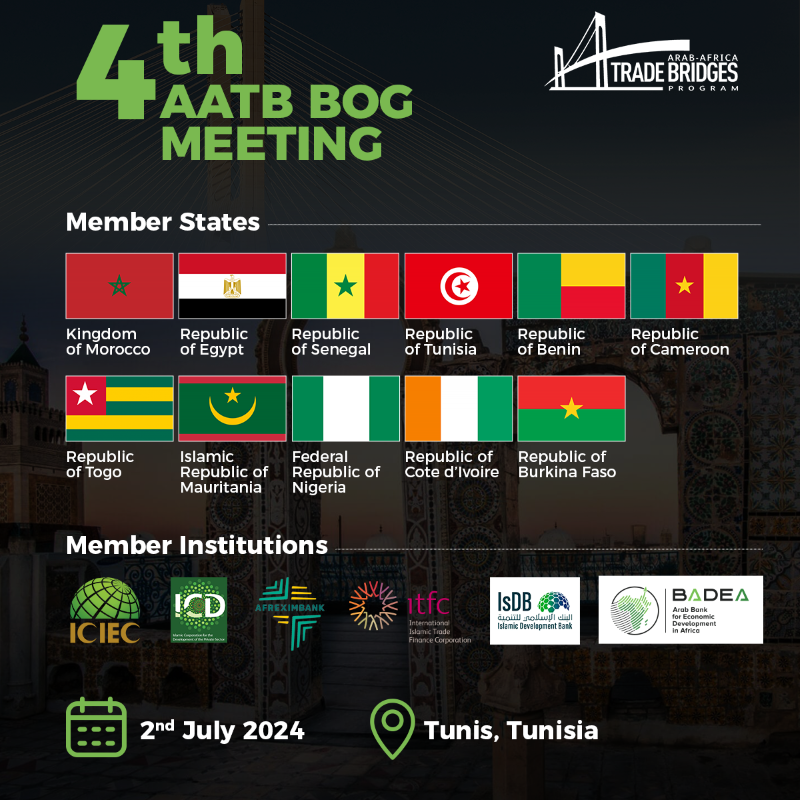
The 4th Meeting of the Arab-Africa Trade Bridges (AATB) Board of Governors (BoG) alongside the 11th Meeting of the AATB Executive Committee (EC) will take place on July 1-2, 2024, in Tunis, Republic of Tunisia. In addition, AATB will be a strategic partner and sponsor the Tunisia Africa Business Meetings (TABM) 2024. This significant event, held in collaboration with the Government of Tunisia, aims to strengthen economic cooperation and enhance trade relationships between Arab and African nations.
The AATB Program, launched in February 2017, has successfully organized three Board of Governors meetings, and this fourth assembly marks a pivotal step in advancing its mission. The meetings will focus on several key objectives, including raising awareness about the AATB Program among participating delegations, providing strategic guidance for the institutionalization of the program, and fostering stronger relationships among member countries.
The events will feature the participation of over 400 attendees in the plenary session, with more than 20 delegations expected at the 4th BoG meeting and 6 delegations at the 11th EC meeting. Key outcomes anticipated the achievements of the AATB Program and the implementation of the Operational Plan, the enhanced coordination of AATB activities with partner objectives, and increased engagement and commitment from member countries and organizations.
A main highlight of the event will be a roundtable discussion on “Bridging the gap on Food Security”. In 2023, AATB launched an initiative designed to address the pressing challenges of food security in the region. This program aims to enhance agricultural productivity, ensure sustainable food systems, and improve the livelihoods of communities across Arab and African countries.
The upcoming meeting will witness the participation of key AATB partners, including the African Export-Import Bank (Afreximbank), the Arab Bank for Economic Development in Africa (BADEA), the Islamic Development Bank (IsDB), the International Islamic Trade Finance Corporation (ITFC), the Islamic Corporation for the Insurance of Investment and Export Credit (ICIEC), and the Islamic Corporation for the Development of the Private Sector (ICD).
These organizations have been instrumental in advancing the AATB’s objectives through strategic initiatives and financing programs.
This 4th AATB Board of Governors meeting is an important step for AATB, as it comes at a critical juncture in our efforts to institutionalize the program and deepen our impact
Agenda Highlights:
- Review of the AATB Program’s Progress: An assessment of the initiatives launched under the program, including Food Security program, Institutionalization project and Arab Africa Guarantee Fund.
- Focus on Strategic Partnerships: Discussions on enhancing existing collaborations to facilitate cross-border trade and investment.
- The AATB Operational Plan: Partnerships with member countries and organizations: Country programs, Regional projects, Capacity-building initiatives, and AATB events.
Eng. Hani Salem Sonbol, Secretary General of AATB, emphasized the importance of this collaboration, stating, “This 4th AATB Board of Governors meeting is an important step for AATB, as it comes at a critical juncture in our efforts to institutionalize the program and deepen our impact. Our partnership with the Tunisia Africa Business Meeting underscores our commitment to driving sustainable economic growth and addressing key challenges like food security. We are excited about the opportunities this event presents for deepening our cooperation and creating lasting impact.”. “
The Tunisia Africa Business Meeting organized by CEPEX, the Tunisia Export Agency, in which AATB is the premium partner will convene a diverse group of participants, including private Sector Companies in Tunisia and Africa, ministers, CEOs, and high-ranking officials from Arab and African countries. Attendees will engage in meaningful discussions, sign agreements and memoranda of understanding, and explore innovative solutions to enhance the trade relations between the two regions.
In addition to the formal sessions, the event will facilitate B2B professional meetings, offering a dynamic platform for businesses to network, forge partnerships, and explore new trade and investment opportunities.
The Government of Tunisia’s support and the strategic location of Tunis enhance the significance of this gathering, highlighting Tunisia’s pivotal role in fostering trade and economic cooperation within the region.
Distributed by APO Group on behalf of The Arab Africa Trade Bridges Program (AATB).











Business
CIT VERICASH Recognized as Best Digital Financial Services Platform of 2026 by Global Business Outlook

Business
Comsol enters wholesale 5G home broadband market with backing from new shareholders
Business
Electra Mining Africa: Showcasing the Technologies Shaping the Future of Industry
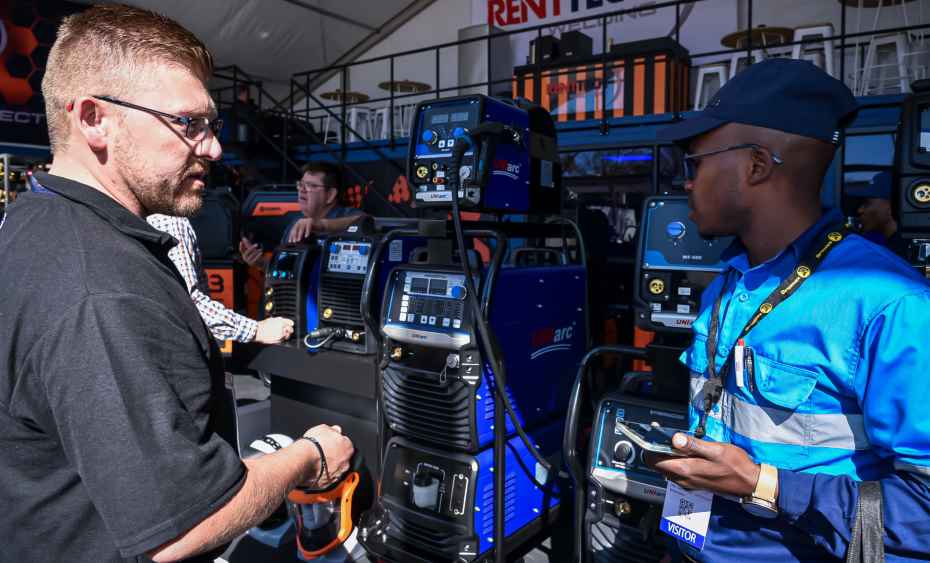
More than 1,000 exhibitors, technical seminars, industry forums and networking opportunities will bring together the people, products and ideas shaping industrial progress across Africa
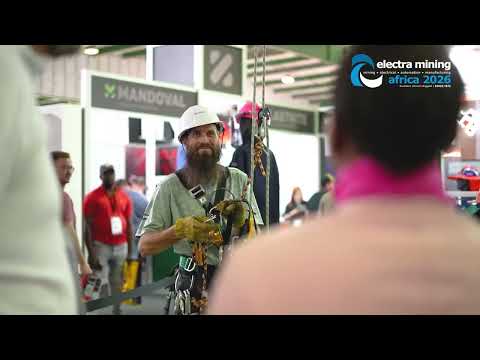
Taking place from 7-11 September at the Johannesburg Expo Centre in Nasrec, Johannesburg, Electra Mining Africa will once again provide a meeting place for industry. Recognised as one of Africa’s leading industrial exhibitions, the event will bring together more than 1,000 predominantly local exhibitors, together with international companies, country pavilions, industry organisations, technical specialists, business leaders and decision-makers from across mining, manufacturing and related industries.
By bringing together six complementary sectors—mining, manufacturing, automation, electrical and power, transport and related engineering sectors—under one roof, Electra Mining Africa enables visitors to explore how integrated technologies and solutions can improve productivity, safety and operational performance. The exhibition provides a unique opportunity to compare products, engage directly with technical experts and discover how innovations from different sectors are increasingly working together to support smarter industrial operations.
Reflecting continued industry confidence, Electra Mining Africa has expanded its footprint for the 2026 edition, growing by 4,000m² to a record 44,000m² of net exhibition space across six indoor exhibition halls and expanded outdoor display areas.
Visitors will have the opportunity to explore solutions ranging from large-scale mining equipment and industrial machinery to automation systems, artificial intelligence (AI), robotics, digital manufacturing, predictive maintenance technologies, power solutions and advanced engineering services. The exhibition also features pumps, valves, welding and fabrication equipment, safety solutions, personal protective equipment (PPE), tools, components and specialist industrial services.
Electra Mining Africa has become an important business platform for companies serving markets across Africa. At the previous edition, industry professionals from 58 countries were represented, reflecting the exhibition’s growing international reach and its role in connecting manufacturers, technology suppliers, distributors, buyers and decision-makers from across the continent and beyond. For many exhibitors, the exhibition provides opportunities to strengthen customer relationships, meet prospective buyers, appoint distribution partners and explore new business opportunities. For visitors, it offers access to both internationally recognised brands and locally developed technologies designed to address the operational requirements of African industry.
Electra Mining Africa brings together the technologies, expertise and industry relationships that help organisations make informed decisions
Beyond the exhibition floor
Electra Mining Africa offers an extensive programme of technical knowledge sharing, professional development and industry collaboration. Free-to-attend seminars hosted by the Southern African Institute of Mining and Metallurgy (SAIMM) will explore practical operational challenges and emerging technologies, while the Society for Automation Instrumentation Mechatronics and Computer Engineering (SAIMC) will present specialist workshops on advances in automation and mechatronics. WiMSA’s Women in Mining workshop will provide a forum for discussion around leadership, opportunity and professional development, and the Lifting Equipment Engineering Association of South Africa (LEEASA) will host its two-day National Conference, bringing together industry professionals to share knowledge and discuss developments affecting the sector.
New for 2026, the SA Institution of Mechanical Engineering (SAIMechE) Skills and Career Hub will strengthen collaboration between industry and the education and training sector, encouraging conversations around future workforce requirements, skills development and innovation. Visitors will also be able to experience the Geological Society of South Africa (GSSA) Explorers Pitch, where finalist student teams present their mineral exploration projects to an expert industry judging panel before the winning team is announced.
Also taking place during Electra Mining Africa are the New Products and Innovation Awards, which recognise outstanding achievements by both local and international exhibitors. Adjudicated by the South African Capital Equipment Export Council (SACEEC), entries are evaluated against a comprehensive set of criteria, including innovation, engineering excellence, research and development, product quality, technical expertise and the practical value each solution delivers to industry. The winners are announced during the exhibition, recognising companies whose products and innovations are advancing technology, performance and industrial application.
“Industrial businesses are facing increasingly complex challenges that cannot be solved in isolation. Electra Mining Africa brings together the technologies, expertise and industry relationships that help organisations make informed decisions, identify practical solutions and build partnerships that support long-term growth. That’s what makes the exhibition such an important meeting place for industry, not only in South Africa but for businesses operating across the African continent,” says Charlene Hefer, Portfolio Director at Montgomery Group, organisers of Electra Mining Africa..
Industry professionals wishing to attend Electra Mining Africa can register (https://apo-opa.co/4xthQPH) as a Standard Visitor free of charge. There is also an option to upgrade to a Diamond Select Visitor.
Distributed by APO Group on behalf of Montgomery Group Africa.