CEO Carlos Tavares outlined nine key strategic differentiators the Company is leveraging to unlock value and address the disruption and reinvention of the auto industry worldwide
AUBURN HILLS, United States of America, June 19, 2024/APO Group/ —
Stellantis (www.Stellantis.com) is a highly differentiated OEM lending it specific advantages against a dynamic and disruptive industry backdrop; Standout, multi-energy technology and manufacturing flexibility enable it to leverage its competitive advantages across a wide variety of electrification adoption scenarios; Stellantis is addressing 2024 headwinds thoughtfully and will continue to deliver industry-leading profitability, affirming its 2024 financial guidance; Company is committed to powerful capital returns, thanks to its strong balance sheet and profitable business model.
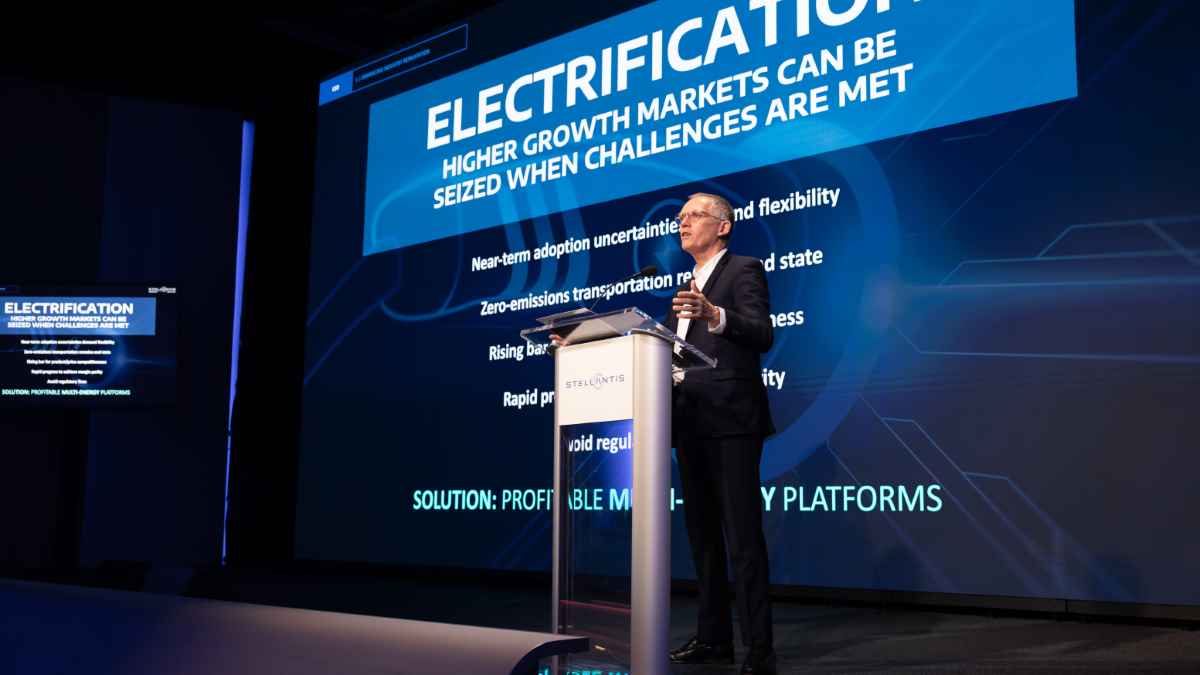
Just over three years since its formation, Stellantis has successfully established itself as a leading global automaker and, even more importantly, one that through the execution of its Dare Forward 2030 (https://apo-opa.co/3RxuNEW) long-term strategic plan is even better positioned to face the challenges ahead. Today, at Stellantis’ first Investor Day, CEO Carlos Tavares outlined nine key strategic differentiators the Company is leveraging to unlock value and address the disruption and reinvention of the auto industry worldwide.
Stellantis Key Strategic DifferentiatorsFortified by Dare Forward 2030
Best Positioned Core
Clear Profitability Advantages
Critical Speed & Agility
Portfolio of 14 iconic and innovative brands covering all price points and multiple regional markets
Fully scaled Pro One commercial vehicle business, with mid-to-high teens profitability, and positioned to achieve global leadership
Re-set and re-launch of asset-light China strategy with Leapmotor, a top 3 Chinese EV startup brand in 2023
Global market presence combining scaled North America and Enlarged Europe regions with rapidly expanding 3rd Engine [1]
Ability to deliver double-digit margins across the cycle, with a < 50% break-even point
Leveraging global reach to maximize Best-Cost Country opportunities
Unique multi-energy approach, spanning products, platforms, manufacturing and supply chain
Sustainable R&D/CAPEX efficiency, a key component of a powerful capital plan
Rapid development of next-gen portfolio and accretive affiliate businesses
[1] The “3rd Engine” refers to an aggregation of the South America, Middle East & Africa, China and India & Asia Pacific segments.
“Today we are a unique company by nature and a powerful carmaker by performance, well-equipped to deliver through tough times and win the long game. Our global presence, powerful technology and brand portfolio span across diverse products – ranging from quadricycles to luxury cars – giving us an enviable customer reach,” Stellantis CEO Carlos Tavares told attendees.
“What consumers around the world are looking for is clean, safe and affordable mobility. This is the reason we exist. We are driving a generational shift in technology and a product wave built on multi-energy platforms and flexible operations with above-group profitability in our commercial vehicles business. Together with the activation of our uniquely aligned partnership with Leapmotor, an innovative Chinese new energy vehicle maker, we’re confident we can deliver what customers want while providing strong shareholder returns this year, and beyond.”
In addition to the CEO’s overview of the Company’s key strategic differentiators, which are unlocking exceptional opportunities, members of the Top Executive Team also gave updates spanning several areas of the business.
North American Chief Operating Officer Carlos Zarlenga discussed 2024 actions taken to restore market share, improve inventory dynamics, and capitalize on specific low emission vehicle growth opportunities in the medium-term.
Enlarged Europe Chief Operating Officer Uwe Hochgeschurtz reviewed the Company’s multi-faceted response to rising competition from Chinese OEMs.
Middle East & Africa (MEA) Chief Operating Officer Samir Cherfan reviewed the many benefits of an increasingly localized approach to serving the MEA region, supporting the stand-out growth and profitability of Stellantis’ “Third Engine”.
Jeep® CEO Antonio Filosa, Ram CEO Chris Feuell and Peugeot CEO Linda Jackson discussed how a powerful, strategically focused product wave expands the market opportunities of each.
Chief Engineering and Technology Officer Ned Curic, Chief Purchasing and Supply Chain Officer Maxime Picat and Chief Manufacturing Officer Arnaud Deboeuf focused on Stellantis’ extraordinary management of the value chain with flexible platforms, products and operations, with particularly valuable multi-energy capabilities, able to address different scenarios.
Assessing Key 2024 Financial Drivers
CFO Natalie Knight also provided a financial review highlighting Stellantis’ key 2024 performance drivers and considerations.
“Stellantis is responding decisively to near-term challenges, including optimizing inventory while executing a generational product transition,” said Natalie Knight. “Despite the related short-term headwinds, we remain confident in our ability to deliver double-digit profitability, among the best OEMs in the world, while continuing to deliver exceptional capital returns to shareholders.”
Our global presence, powerful technology and brand portfolio span across diverse products – ranging from quadricycles to luxury cars – giving us an enviable customer reach
Stellantis management confirmed its 2024 financial guidance and capital return plan:
Double-digit Adjusted Operating Income (AOI) margin and positive industrial free cash flows.
Capital Return: Delivering ≥€7.7 billion in dividends and buybacks in 2024.
CFO Natalie Knight reiterated more specific color on first and second-half expectations within the 2024 period:
H1 outlook of 10-11% AOI margin, with industrial free cash flows visibly below the prior year period.
Significant product launches, cost initiatives and anticipated improvement in working capital together support H2 sequential improvement opportunity in AOI and industrial free cash flow.
The Company also enhanced its capital plan in several significant ways:
Setting target liquidity levels of 25-30% of revenues for the mid-term, shifting focus to capital efficiency and supporting strong shareholder returns.
The Company will continue to use share buybacks and ordinary dividends to return excess cash to shareholders.
In 2025, the Company will target the upper range of its 25-30% dividend payout policy, vs. 25% in recent years.
The 2024 Stellantis Investor Day hosted analysts, investors, and media in Auburn Hills, Michigan, U.S. For those unable to view the Stellantis Investor Day webcast, a recorded replay and the presentation material will be available under the Investors section of the Company’s corporate website: https://apo-opa.co/3z8UTrE
Mr Cardoso’s appointment comes as AFC continues to expand its role in financing and developing strategic infrastructure assets that address Africa’s infrastructure gap, accelerate industrialisation and strengthen regional integration
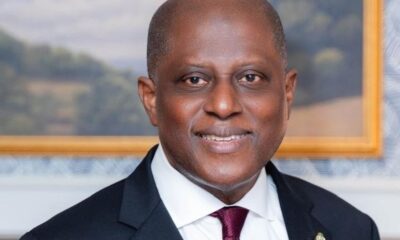
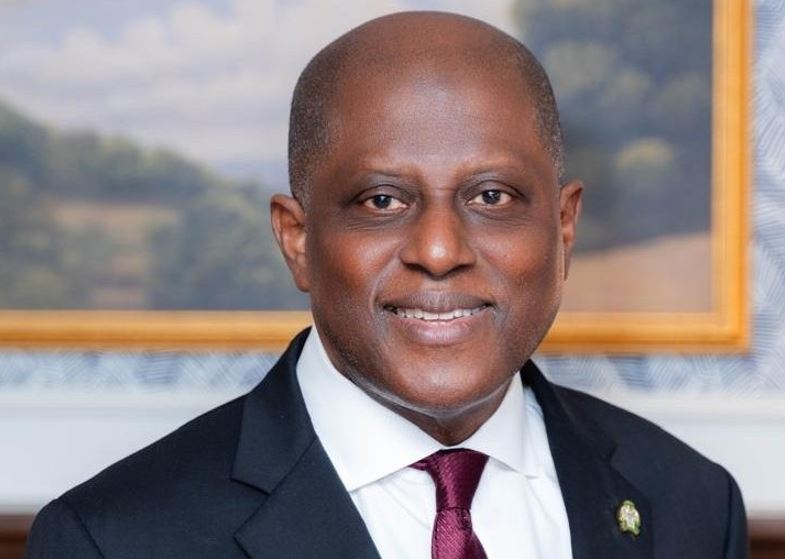
LAGOS, Nigeria, October 14, 2026/APO Group/ –Africa Finance Corporation (AFC) (www.AfricaFC.org), the continent’s leading infrastructure solutions provider, announces the appointment of Mr. Olayemi Cardoso, Governor of the Central Bank of Nigeria (CBN), as Chairman of its Board of Directors. He succeeds the immediate-past Chair, Ireti Samuel-Ogbu, who served the Corporation meritoriously during her tenure and continues to serve as a board member.
Mr Cardoso brings extensive experience spanning international banking, investment management, economic policy and public sector leadership. Since assuming office as Governor of the CBN in September 2023, he has led a far-reaching programme of monetary, financial-sector, and institutional reforms to restore macroeconomic stability, strengthen policy credibility, and rebuild investor confidence in Nigeria’s economy.
Under his leadership, the CBN has implemented significant reforms to Nigeria’s foreign exchange market, addressed longstanding foreign exchange obligations, strengthened monetary policy transmission, and enhanced institutional governance and transparency. The Bank has also concluded a recapitalisation programme for the banking sector, aimed at strengthening the resilience and capacity of Nigeria’s financial system to support sustainable economic growth.
I look forward to working with the Board, management and member states to advance The Africa We Build 2050
Prior to his appointment as Governor, Mr Cardoso built a distinguished career in international banking and public service, including a 12-year tenure as Chairman of Citibank Nigeria and service as Commissioner for Economic Planning and Budget in Lagos State. In the latter role, he contributed to economic planning and fiscal management in one of Africa’s largest economies. He holds a degree from Aston University in the United Kingdom and a master’s in public administration from Harvard Kennedy School, where he also served on the Alumni Board.
Mr Cardoso’s appointment comes as AFC continues to expand its role in financing and developing strategic infrastructure assets that address Africa’s infrastructure gap, accelerate industrialisation and strengthen regional integration. His experience in financial sector reform, institutional governance and capital markets will provide valuable perspective on the Corporation’s strategic direction as it mobilises investment to unlock Africa’s economic potential.
Samaila Zubairu, President & CEO of AFC, said: “We are delighted to welcome Mr Cardoso as our Board Chairman. He shares our conviction that Africa’s lasting stability depends on its productive capacity. His leadership will strengthen AFC as we advance The Africa We Build 2050, mobilising African capital to build the infrastructure and industries that create jobs, prosperity and dignity for our people. We also sincerely thank Mrs Samuel-Ogbu for her dedication and contribution to AFC’s board during her tenure.”
Mr. Cardoso commented on his appointment, saying: “A more productive Africa is a more stable Africa. AFC has the credibility and track record to mobilise capital and build the infrastructure and industries that drive transformation. I look forward to working with the Board, management and member states to advance The Africa We Build 2050. Our measure of success must be the productive capacity we create, the industries we enable and the jobs we support.”
AFC continues to advance transformational infrastructure and industrial investments across Africa, with recent milestones including achieving financial close on the US$753 million Lobito Corridor Railway Project in Angola, to support the rehabilitation, upgrade, and long-term operation of the 1,300-kilometre brownfield rail corridor; supporting a US$600 million facility for Dangote Group’s US$7 billion fertiliser expansion programme to scale production in Nigeria; and committing to a combined US$300 million investment alongside Vision Invest in WIOCC Group to accelerate the expansion of critical digital infrastructure across the continent. These investments reflect AFC’s unique approach to developing strategic infrastructure platforms that connect markets, strengthen industrial value chains and mobilise capital at scale to drive Africa’s economic transformation.
Distributed by APO Group on behalf of Africa Finance Corporation (AFC).
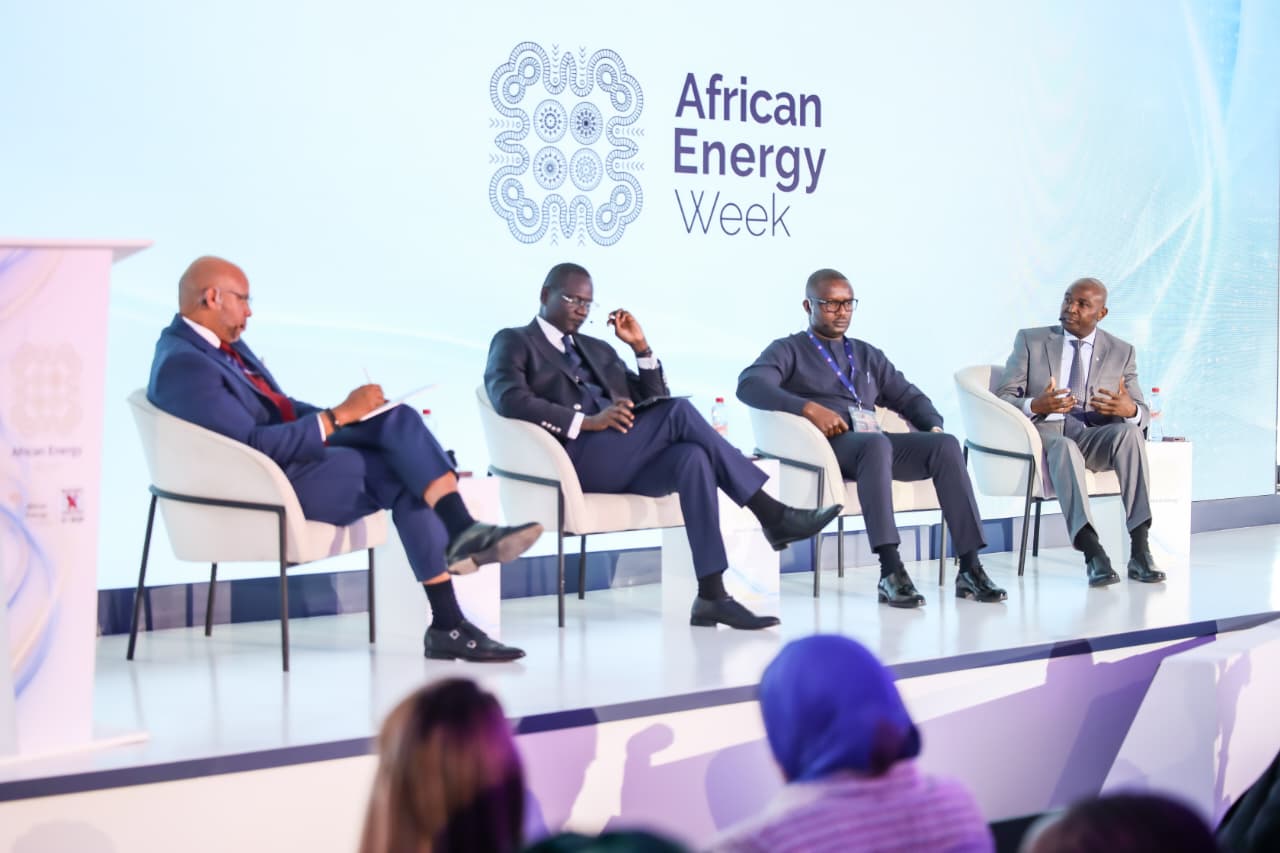
Ghana, Senegal and the GECF outlined how African producers can grow domestic gas use alongside exports at the GECF-AEC Strategic Forum
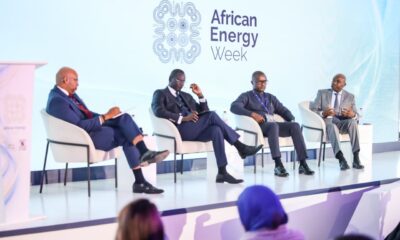
CAPE TOWN, South Africa, October 14, 2026/APO Group/ –Ghana expects to stop procuring liquid fuels for power generation next year, John Jinapor, Minister for Energy and Green Transition, said during a Gas Exporting Countries Forum (GECF)-hosted strategic session at African Energy Week (AEW) 2026 in Cape Town. Ghana has already cut its liquid fuel purchases for electricity from eight cargoes to two, he said, as domestic gas and imports from Nigeria replace diesel and heavy fuel oil in thermal plants.
Ghana’s gas policy prioritizes domestic processing, with gas directed first to power generation and then to industry, Jinapor said. The switch from liquid fuels saved Ghana about $500 million in a single year through import substitution, at a time when electricity demand is growing about 10% annually. Nigeria supplies Ghana through the West African Gas Pipeline, and he said Ghana expects to double those volumes under its current agreements. Ghana is also building a 278 km pipeline to link its main power centers, and is using a levy on pump fuel to fund LPG adoption, targeting 50% penetration within three years.
We are a gas continent before an oil continent
Senegal, which began exporting LNG in 2025, is working to balance exports with supply to its own economy. El Hadji Abdourahmane Diouf, Minister of Energy and Petroleum, said companies often prioritize export markets, leaving governments to secure domestic supply. Senegal is targeting domestic gas supply of around 150 million standard cubic feet per day by 2030, delivered through a national gas network to power plants across the country. Diouf said the network’s pipeline, which has faced delays, is expected within nine months.
Philip Mshelbila, Secretary General of the Gas Exporting Countries Forum (GECF), called the choice between exports and domestic use “a false choice.” In his address, he said: “Exports mobilize capital, revenue and investment confidence. Domestic utilization is the development multiplier.” The GECF’s Global Gas Outlook projects African gas demand will more than double, from 175 billion cubic meters in 2024 to about 374 billion cubic meters by 2055.
Panel moderator Oliver Onyekweli, Partner at McKinsey & Company, noted that only around 3% of gas commercialized in Africa is traded within the continent. Mshelbila said regional cooperation, gas storage and cross-border infrastructure will determine how resilient African markets are to future supply disruptions. He cited the Senegal-Mauritania Greater Tortue Ahmeyim project as a model.
NJ Ayuk, Executive Chairman of the African Energy Chamber, described gas as a “Swiss knife” for African development, with uses spanning power generation, petrochemicals and fertilizers. “We are a gas continent before an oil continent,” he asserted.
Ghana’s gas master plan, currently under review, sets a 15-year blueprint for the country’s gas infrastructure and budgeting.
Distributed by APO Group on behalf of African Energy Chamber.
APPO’s new bank will prioritize regional corridors as GECF forum panelists flag a gap in domestic gas financing
CAPE TOWN, South Africa, October 14, 2026/APO Group/ –The Africa Energy Bank (AEB) will become operational within weeks and begin financing projects at the start of 2027, Farid Ghezali, Secretary General of the African Petroleum Producers Organization (APPO), said during the technical panel of the GECF-AEC Strategic Forum at African Energy Week (AEW) 2026 in Cape Town. The bank, launched by APPO and Afreximbank, will use a corridor approach, prioritizing projects that deliver regional economic development across four pillars: export infrastructure, domestic infrastructure, clean cooking and power.
Ghezali said exports and domestic supply should not compete. “I come from a country where you cannot export any drop of gas if the domestic demand is not satisfied,” he said. APPO and the Gas Exporting Countries Forum (GECF) signed an agreement earlier this year to work jointly on gas corridors, and plan to harmonize transit tariffs and gas contracts across member states.
I come from a country where you cannot export any drop of gas if the domestic demand is not satisfied
The panel focused on why domestic gas markets remain underdeveloped. Rashid Ali Abdallah, Executive Director of the African Energy Commission (AFREC), said recent investment has gone largely into export terminals while regional pipelines struggle to attract funding. He called for regional financing frameworks for cross-border infrastructure, and for joint planning of gas pipelines and power transmission.
In South Africa, industrial consumers face the loss of natural gas supply within about 18 months, with only a short-term coal supply bridge beyond that, said Jaco Human, Executive Officer of the Industrial Gas Users Association of Southern Africa (IGUA-SA). The gas aggregation company was formed to pool demand, share risk and underwrite new infrastructure across the region. Human said a proposed pipeline linking the Orange Basin to Western Cape and inland markets would need around 200 petajoules of annual demand. “We have much more demand than that, so the problem is not an economic one,” he said. “Rather, it is a coordination problem.”
Abubakar Abbas, Senior Energy Forecast Analyst at the GECF, said Africa will require at least $1 trillion over the next 30 years to develop its gas resources. Per capita energy consumption on the continent is about 25 gigajoules a year, well below the global average. Abderrezak Benyoucef, Head of Energy Studies at OPEC, said OPEC expects gas to rise from 17% to 23% of Africa’s energy mix by 2050. Electricity generation is projected to grow from under 1,000 TWh to about 2,700 TWh, with half of it from gas.
The AEB is headquartered in Abuja, where Nigeria handed over the bank’s offices to APPO and Afreximbank in February.
Distributed by APO Group on behalf of African Energy Chamber.
We use cookies on our website to give you the most relevant experience by remembering your preferences and repeat visits. By clicking “Accept”, you consent to the use of ALL the cookies.
This website uses cookies to improve your experience while you navigate through the website. Out of these, the cookies that are categorized as necessary are stored on your browser as they are essential for the working of basic functionalities of the website. We also use third-party cookies that help us analyze and understand how you use this website. These cookies will be stored in your browser only with your consent. You also have the option to opt-out of these cookies. But opting out of some of these cookies may affect your browsing experience.
Necessary cookies are absolutely essential for the website to function properly. These cookies ensure basic functionalities and security features of the website, anonymously.
Cookie
Duration
Description
cookielawinfo-checkbox-analytics
11 months
This cookie is set by GDPR Cookie Consent plugin. The cookie is used to store the user consent for the cookies in the category "Analytics".
cookielawinfo-checkbox-functional
11 months
The cookie is set by GDPR cookie consent to record the user consent for the cookies in the category "Functional".
cookielawinfo-checkbox-necessary
11 months
This cookie is set by GDPR Cookie Consent plugin. The cookies is used to store the user consent for the cookies in the category "Necessary".
cookielawinfo-checkbox-others
11 months
This cookie is set by GDPR Cookie Consent plugin. The cookie is used to store the user consent for the cookies in the category "Other.
cookielawinfo-checkbox-performance
11 months
This cookie is set by GDPR Cookie Consent plugin. The cookie is used to store the user consent for the cookies in the category "Performance".
viewed_cookie_policy
11 months
The cookie is set by the GDPR Cookie Consent plugin and is used to store whether or not user has consented to the use of cookies. It does not store any personal data.
Functional cookies help to perform certain functionalities like sharing the content of the website on social media platforms, collect feedbacks, and other third-party features.
Performance cookies are used to understand and analyze the key performance indexes of the website which helps in delivering a better user experience for the visitors.
Analytical cookies are used to understand how visitors interact with the website. These cookies help provide information on metrics the number of visitors, bounce rate, traffic source, etc.
Advertisement cookies are used to provide visitors with relevant ads and marketing campaigns. These cookies track visitors across websites and collect information to provide customized ads.












 Energy3 days ago
 Business3 days ago
 Business3 days ago
 Energy3 days ago
 Business2 days ago
 Business2 days ago
 Business2 days ago