Connect with us

Energy

South Africa’s Cheaper Petrol Masks a Looming Gas Gap – and a Critical Investment Opportunity

Published

on

African Energy Chamber

A stronger rand and softer global fuel prices have pushed South African petrol to a four-year low – but without domestic gas development and LNG infrastructure, the country remains exposed to imports, currency swings and a fast-approaching supply shortfall

CAPE TOWN, South Africa, February 10, 2026/APO Group/ –South Africans are once again seeing relief at the pump, with the latest fuel price cuts delivering the cheapest petrol in roughly four years. The reductions – around 65 cents per liter for petrol and more than 50 cents for diesel – continue a downward trend that began earlier in 2026, when falling crude prices and currency strength combined to lower pump prices nationwide.

While the immediate benefits are tangible – cheaper transport, easing inflationary pressure and support for businesses – the underlying drivers reveal a more fragile reality. South Africa’s fuel costs remain shaped primarily by global oil markets and exchange-rate movements rather than domestic energy resilience.

Currency dynamics are particularly influential. The rand strengthened sharply through 2025, gaining nearly 13% against the U.S. dollar – its best annual performance in more than a decade – supported by improved fiscal sentiment and rising commodity prices. This momentum has continued into 2026 with periodic surges in precious-metal prices and global risk appetite. These shifts can lower refined-fuel import costs, but they also highlight South Africa’s continued dependence on external forces.

Structural weaknesses across the country’s fuel supply chain reinforce this reliance. Refining capacity has declined significantly, leaving only a handful of operational crude refineries and forcing South Africa to import roughly three-quarters of its liquid fuel needs. Strategic reserves remain limited to less than a month of supply. In this context, price relief at the pump reflects favorable global conditions rather than meaningful progress toward energy self-sufficiency.

Natural gas – affordable, reliable and abundant across Africa – can transform economies by powering industry, creating jobs and delivering the energy security our people deserve

The longer-term risk becomes clearer when viewed alongside South Africa’s evolving gas outlook. Without new domestic production or import capacity, South Africa is projected to face a ‘gas cliff’ as early as 2026. Existing Mozambican pipeline gas is depleting, while interim extensions from Sasol serve only as a temporary bridge to future LNG imports. Without new domestic production, import terminals or pipeline expansion, the country could confront tightening supply just as demand for flexible, lower-carbon power grows.

“Natural gas – affordable, reliable and abundant across Africa – can transform economies by powering industry, creating jobs and delivering the energy security our people deserve,” states NJ Ayuk, Executive Chairman of the African Energy Chamber. “But this transformation requires urgent investment in domestic production, LNG infrastructure and regional partnerships. South Africa has the resources and the market demand; what matters now is turning opportunity into action.”

Recognizing this urgency, the government is fast-tracking LNG import infrastructure, including a floating storage and regasification unit in Mozambique expected by mid-2026 and a planned LNG terminal at Richards Bay targeted for 2027, alongside efforts to unlock offshore gas in the Orange Basin. Today, roughly 90% of South Africa’s natural gas is still imported via a single pipeline from Mozambique – an exposure that underscores the need for diversification and domestic development.

The regional context reinforces the opportunity. Major LNG projects such as Mozambique’s $20 billion development – now moving forward again with production targeted before the end of the decade – signal growing momentum for African gas as a pillar of energy security and industrial growth. For South Africa, connecting to this wave through infrastructure, investment and regulatory clarity could reduce currency risk, stabilize fuel costs and support a more resilient transition pathway.

African Energy Week (AEW) 2026 in Cape Town is expected to spotlight precisely this: energy security, infrastructure investment and pragmatic transition pathways that balance hydrocarbons with emerging low-carbon systems. The event serves as a continental platform for LNG financing, infrastructure partnerships and upstream gas development capable of closing supply gaps and accelerating practical energy transitions.

Fuel price volatility now exposes South Africa’s structural energy weaknesses, underscoring why short-term relief cannot substitute for long-term strategy. Cheaper petrol may ease pressure today, but without decisive progress on domestic gas production and LNG infrastructure, the country risks repeating the same cycle – relief when currencies strengthen, strain when they weaken and continued vulnerability in between.

Distributed by APO Group on behalf of African Energy Chamber.

Business

Venezuelan Oil and Gas Opportunities Take Center Stage at African Energy Week (AEW) 2026

Published

on

The country is promoting new hydrocarbons contracts, upstream and refining opportunities, and technical partnerships with Africa to attract investment and strengthen local energy sector capabilities

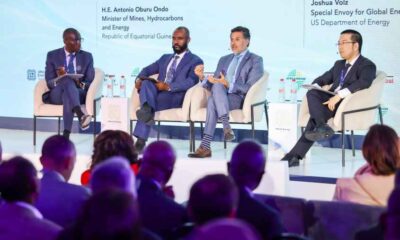
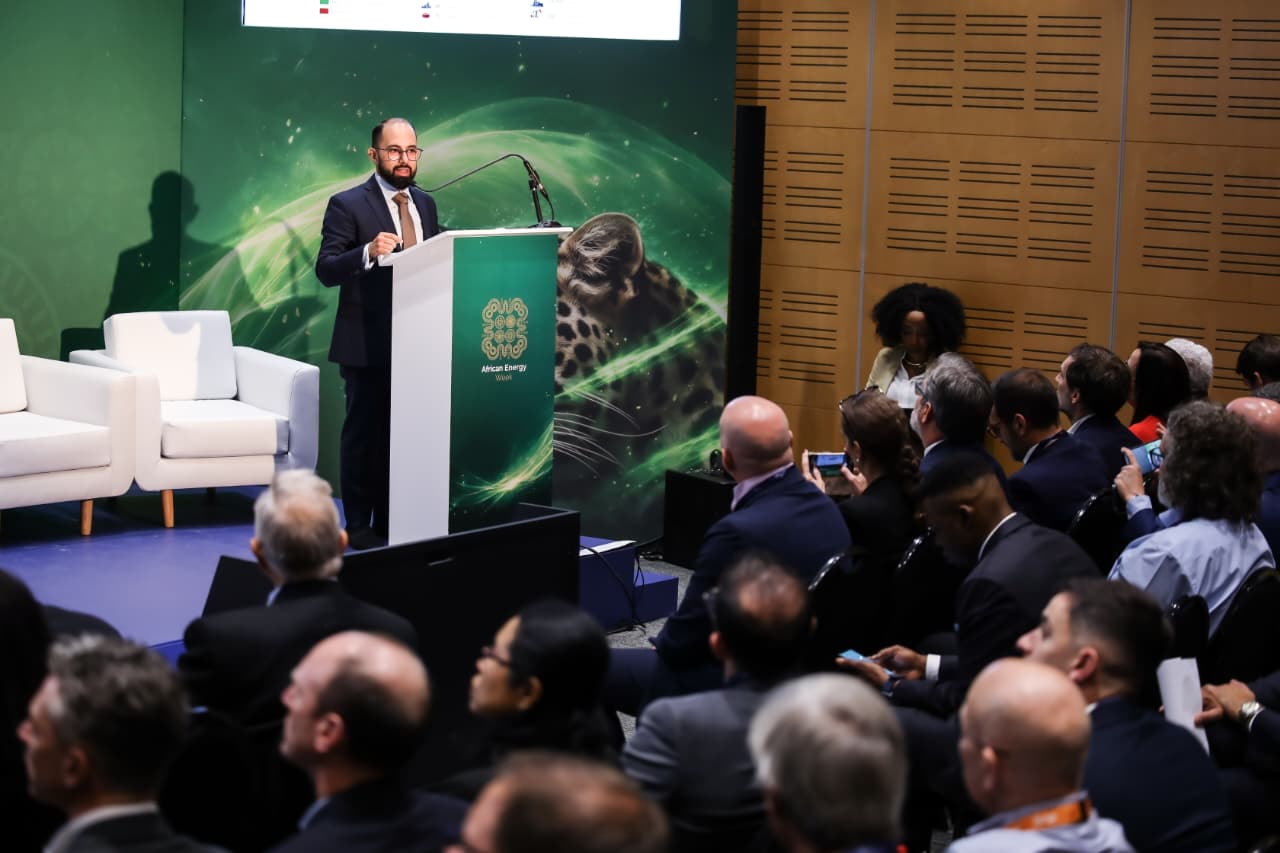
CAPE TOWN, South Africa, October 14, 2026/APO Group/ –Venezuela is seeking to attract international investment into its oil and gas sector while building stronger energy partnerships with African countries. Revised hydrocarbon legislation offers new entry routes for private operators, while cooperation on technical training could help African markets draw on Venezuela’s industry expertise. These opportunities featured at the Venezuela Global Investment Forum during African Energy Week (AEW) 2026 in Cape Town.


Ricardo Gomez, Venezuela’s Vice Minister of Commercial Policy, outlined the country’s investment proposition, highlighting 303 billion barrels of proven oil reserves and 193 trillion cubic feet of natural gas.

“Venezuela combines a large hydrocarbon resource base with refining infrastructure and a market that needs reliable energy,” he said. “The opportunities extend from upstream projects to downstream and refining.”

The country’s amended Organic Hydrocarbons Law introduces new ways for international companies to enter the market. Hydrocarbon production participation contracts allow private operators to manage designated assets, oversee operations and market production under negotiated terms. Agreements can extend for 25 years, offering a longer investment horizon for field development and rehabilitation.

Restructured joint venture companies provide another route, retaining majority state ownership while allowing international partners to take on operational responsibilities through approved agreements. Direct ministerial contracts and strategic alliances offer additional opportunities in field redevelopment, oilfield services and infrastructure.

Venezuela is seeing a lot of interest as a result of aggressive fiscal and regulatory changes that are making the country more attractive

Potential investments span heavy-oil production in the Orinoco Belt, mature onshore fields, offshore gas, pipeline rehabilitation, export terminals and refinery upgrades. Venezuela’s target of signing 105 definitive oil contracts by year-end reflects its wider effort to attract operators and accelerate project development.

Scott Gilbert, CEO and Executive Director of Corcel Plc and Non-Executive Chairman of Apertura Energy, highlighted investor interest in the changing regulatory environment. “Venezuela is seeing a lot of interest as a result of aggressive fiscal and regulatory changes that are making the country more attractive,” he said.

Alongside these commercial opportunities, Venezuela is promoting its technical expertise through the Venezuelan University of Hydrocarbons (UVH). Celia Bejarano, the university’s President, explained how the institution trains engineers and geologists in geophysics, reservoir engineering, well management, natural gas and petrochemicals.

“The Venezuelan University of Hydrocarbons was created to deliver a specialized institution where the country can train its own recruits to develop its own premier resources,” Bejarano said.

Through its Africa-Venezuela Energy Partnership with the African Energy Chamber (AEC), UVH is advancing technical training, knowledge exchange and workforce development. The initiative could help African energy projects apply Venezuela’s experience in heavy-oil production and offshore engineering while strengthening local capabilities. Rene Awambeng, founder and managing partner of Premier Invest, highlighted this opportunity for African developers.

“When we are developing our assets here, we always import talent,” he said. “With the Venezuelan University of Hydrocarbons, we can actually leverage Venezuela’s immense experience to support local content development here in Africa.”

Also speaking during the discussion, NJ Ayuk, Executive Chairman of the AEC, emphasized the strategic value of closer ties between the regions. “Our energy industry has an amazing ally in Venezuela,” he said, describing the country as “open for business and ready to partner with Africa.”


Distributed by APO Group on behalf of African Energy Chamber.


Continue Reading

Business

African Energy Chamber (AEC), S&P Global Energy Sign Five-Year Partnership for African Energy Week

Published

on

S&P Global Energy has renewed and formalized a long-term relationship with AEW as the event connects African energy projects with investors and commercial partners

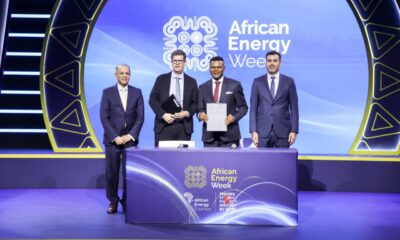
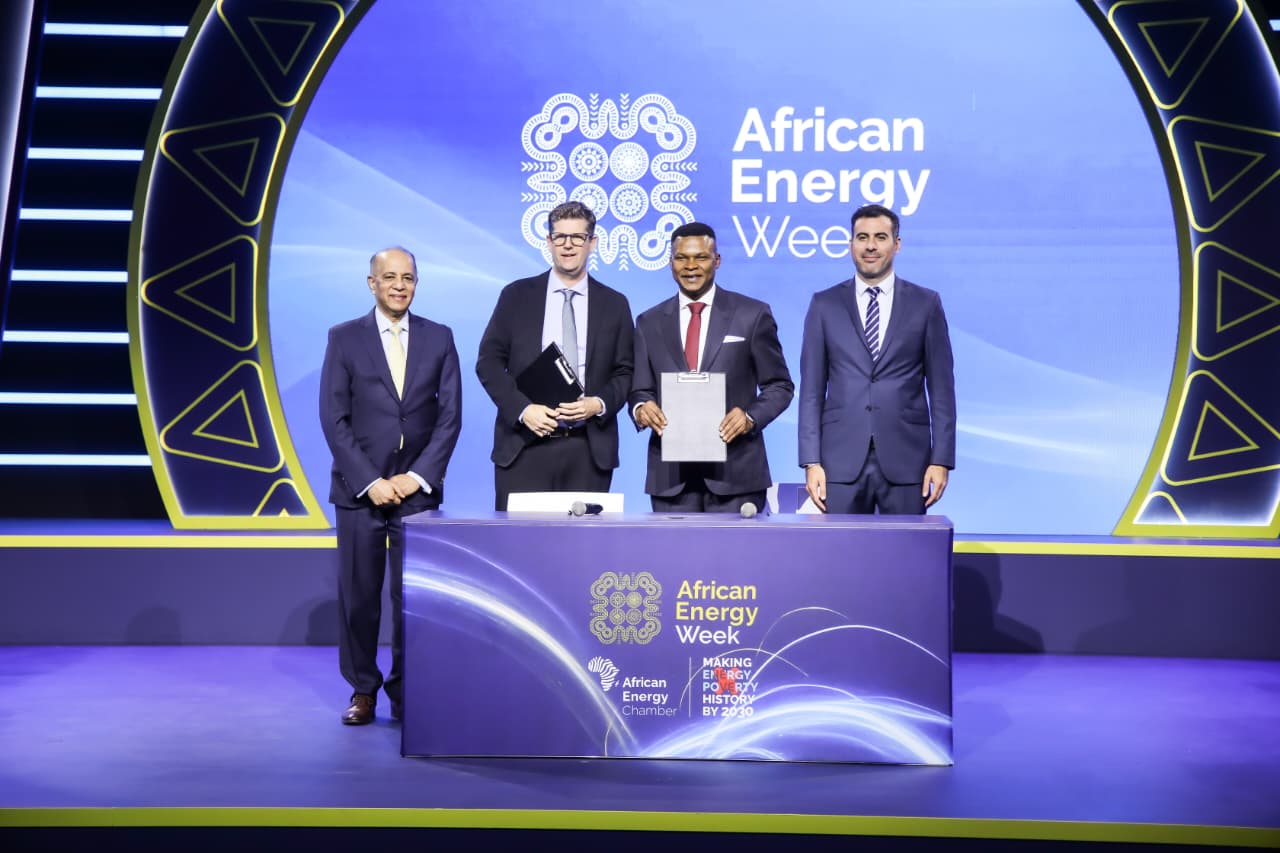
CAPE TOWN, South Africa, October 14, 2026/APO Group/ –The African Energy Chamber (AEC) (https://EnergyChamber.org/) and S&P Global Energy have signed a memorandum of understanding renewing their official partnership for the African Energy Week (AEW) conference and exhibition for five years, through the 2031 edition, establishing a long-term relationship around the continent’s energy investment platform.


The agreement was signed during the opening ceremony of AEW 2026 in Cape Town by Christian Nilsson, Chief Commercial Officer of S&P Global Energy, and NJ Ayuk, Executive Chairman of the AEC. It formalizes a partnership between one of the world’s leading market intelligence and research firms and Africa’s biggest energy conference, laying the foundation for long-term engagement and collaboration. The partnership is also set to produce a new State of Energy in Africa report, with findings to be shared at the conclusion of AEW 2026.

Africa competes for capital against every other region in the world, and the countries that win will be the ones that can show investors the numbers

S&P Global Energy provides market intelligence, data and analysis across energy and commodities. Its work supports commercial decisions on supply, demand, pricing and investment, which are areas relevant to African companies seeking capital and international investors assessing opportunities across the continent.

The partnership comes as African energy markets seek investment across upstream development, gas infrastructure, electricity generation, refining and industrial processing. Access to market information helps investors assess project economics, compare opportunities and understand the conditions influencing long-term returns.

“Africa competes for capital against every other region in the world, and the countries that win will be the ones that can show investors the numbers,” said Ayuk. “S&P Global Energy brings analytical rigor to AEW. Locking in this partnership through 2031 means the governments and companies that come to Cape Town will keep getting world-class data insights alongside the deals being signed on our stages.”

Considered Africa’s premier energy marketplace, AEW brings project owners and prospective partners together through investment forums, country spotlights, technical discussions, an exhibition and commercial meetings. The event program spans oil and gas, power, energy finance and emerging technologies, connecting policy discussions with the requirements of companies developing and funding projects.

The five-year agreement establishes a sustained relationship between the AEC and S&P Global Energy as AEW continues to connect African energy opportunities with global capital and expertise.

Distributed by APO Group on behalf of African Energy Chamber.


Continue Reading

Business

Etu Energias, Chariot, BW Energy Sign Master Agreement at African Energy Week (AEW) 2026

Published

on

The Master Agreement covers technical and financial collaboration, strengthening a partnership between the companies

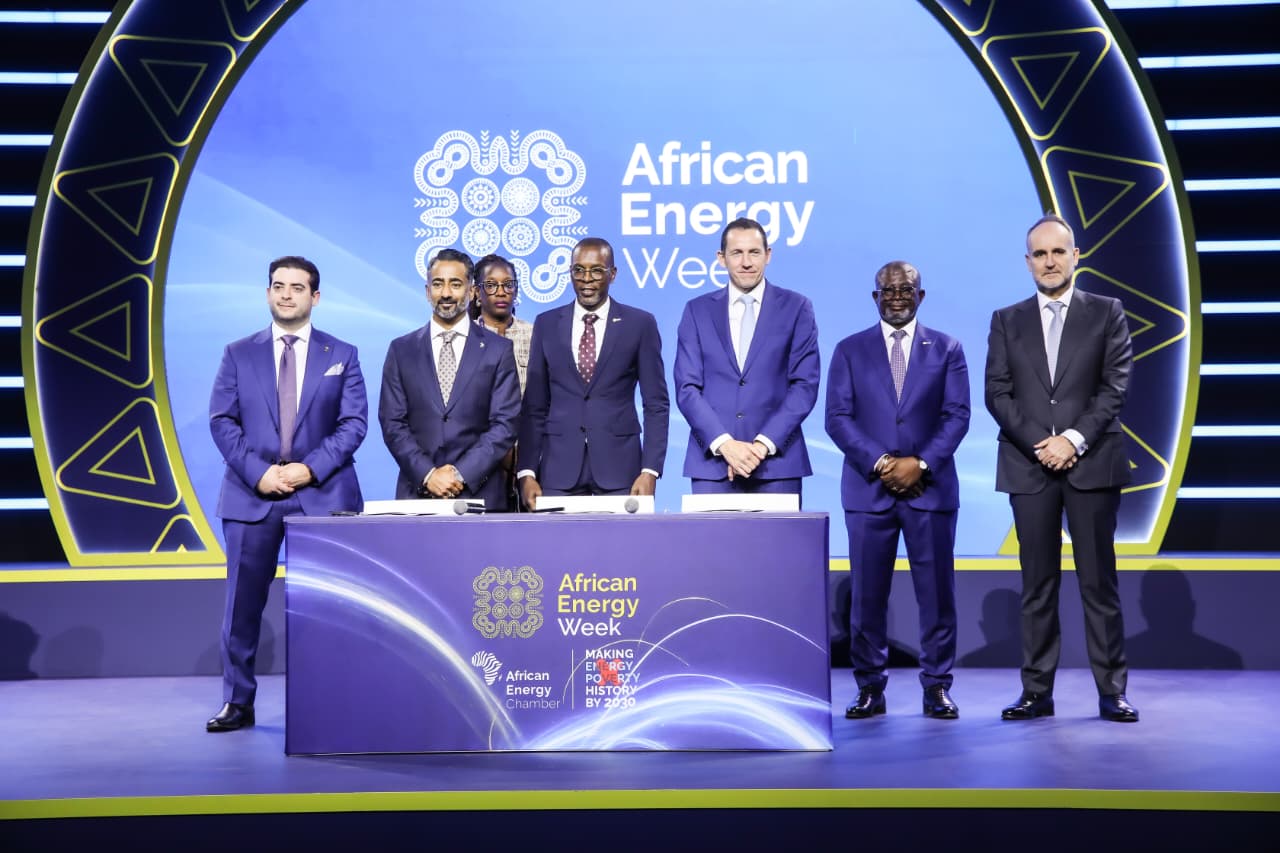
CAPE TOWN, South Africa, October 14, 2026/APO Group/ –Angola’s Etu Energias has signed a Master Agreement with Chariot and BW Energy covering technical and financial collaboration. The agreement aims to support Etu Energias’ growth strategy in Angola and reflects a shared ambition between the parties to build a long-term and growing relationship for the benefit of all stakeholders.


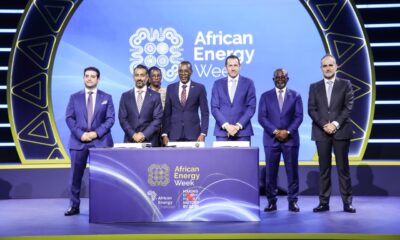
The agreement was signed during the opening ceremony of African Energy Week 2026 by Edson Dos Santos, CEO of Etu Energias; Duncan Wallace, CTO and Board Member of Chariot; and Ali Athar, Senior Vice President of Finance and Accounting at BW Energy. It demonstrates continued confidence in Angola’s upstream sector as well as the capacity of the country’s indigenous companies. Etu Energias, Angola’s first private oil and gas exploration company, has grown production to 25,000 bpd within five years and is targeting 100,000 bpd by 2030. The agreement aims to improve access to commercial solutions and capital with the goal of supporting long-term sector development.

The signing follows a framework agreement announced by Chariot on September 1 between Etu Energias, BW Energy and Chariot to support Etu’s acquisition of Chevron’s additional 31% interest in Angola’s Block 14 and 15.5% interest in Block 14K. The partnership established a basis for technical and operational support as Etu seeks to assume operatorship of Block 14, with Shell Western Supply and Trading providing the acquisition debt funding.

For Etu Energias, the transaction supports its ambition to expand production and operating capacity in Angola. Already a stakeholder in the licenses, the company brings knowledge of the assets, while BW Energy and Chariot contribute complementary technical expertise.

For BW Energy, the framework marks a strategic entry into Angola and an extension of its West African growth strategy. An August company announcement identified opportunities to develop nearby reservoirs through connections to existing infrastructure, optimize production and reduce operating costs. BW Energy’s support gives it economic exposure to future cash flows corresponding to approximately 8,000 bpd, subject to completion and applicable approvals.

For Chariot, the September agreement adds economic exposure equivalent to approximately 4,000 bpd in return for services and support. Shell Western Supply and Trading’s role centers on acquisition financing. The company will provide all acquisition debt funding required at completion of the Chevron transaction.

Distributed by APO Group on behalf of African Energy Chamber.


Continue Reading

Trending

Exit mobile version