Connect with us
Anglostratits

Business

Shaping tomorrow’s investments: A triumph of collaboration at the Africa Early Stage Investor Summit 2023

Published

on

investment

The two-day summit serves as the pivotal platform for robust discussions, networking and collaboration, propelling the African early-stage investment landscape forward

CAPE TOWN, South Africa, December 19, 2023/APO Group/ — 

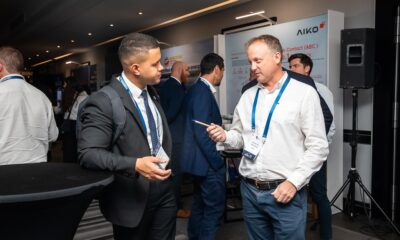
The Africa Early Stage Investor Summit 2023, concluded with resounding success, bringing together 350+ investors, founders, and industry leaders from across the continent. The two-day summit, organized jointly by VC4A (VC4A.com) & African Business Angel Network (ABAN), serves as the pivotal platform for robust discussions, networking and collaboration, propelling the African early-stage investment landscape forward.

“AESIS connects the early stage (angel) investor networks with VCs, mapping a path for founders’ fundraising journeys. The exchange of knowledge and experiences between the two is invaluable to the startup ecosystem, directly supporting founders in their entrepreneurial adventures.” – Vincent Hoogdyn, CEO of VC4A.

Key highlights

1. Insightful Opening Townhall & State of Industry Overview: The event kicked off with a thought-provoking Opening Townhall, moderated by the host Hope Ditlhakanyane, featuring AESIS advisor Eghosa Omoigui, and AESIS partner representatives Eleni Gabre-Madhin, Laurien Field, and Jean-Marie Kananura, who reflected on the theme of 10x-ing early-stage investing in Africa, and set the scene for the impactful conversations that followed.

Maxime Bayen of Africa:The Big Deal (TheBigDeal.substack.com) expanded this sentiment in his address sharing that the number of active investors in startups in Africa have doubled from 242 in 2019 to 529 in 2023, additionally funding raised by startups in Africa has grown 119 times in 10 years from $27M in 2014 to $3.2B in 2023 (YTD). The primary emphasis of the overall message underscored the importance of deriving lessons from failures we’ve seen, gaining a more realistic perspective on exits through data, and strategically incorporating this information into the efforts to strengthen our collaborative ecosystem.

“AESIS plays a pivotal role in fostering collaboration and knowledge sharing between angel investors and VCs, and investment activities within the African startup ecosystem, contributing to the overall growth and development of entrepreneurship on the continent” – Fadilah Tchoumba, CEO of African Business Angel Network (ABAN).

2. Masterclasses and Breakaway Sessions: Attendees immersed themselves in an array of masterclasses and breakaway sessions, covering pivotal topics such as The winning recipe for Deal Collaboration and The Anatomy of Effective Corporate VC, as well as AESIS partner series covering Impact in collaboration with UNDP’s Africa Sustainable Finance Hub, and Gender Lens Investing in collaboration with IFC’s She Wins Africa initiative.

Notably, we had the Angel Investing Roundtable which was the launch of the ABAN 2023 Angel Investment Survey Report (ABANAngels.org/insights) –  Research into ABAN’s network of angels indicates that 2058 angel investors invested more than $22.5M across 408 deals, out of 5,743 applications received, at an average ticket size of $55.2K in the first and second quarter of 2023.

A special recognition goes to our investor meetup hosts who worked very hard and brought incredible energy into making our new record of 36 meetups happen for 2023

3. Deal Morning: In partnership with VC4A, SU Launch Lab, Next176, JICA, GIZ SAIS, MADICA, and Founders Factory Africa – 28 founders had been given the stage to showcase their business together with their attending investors. This setup facilitated meaningful connections not only between entrepreneurs and investors, but also between investors unlocking potential co-investments.

4. Ecosystem Side Event: The 2nd official Ecosystem Side Event took place on Saturday the 2nd of December, hosted at the WomHub coworking space, spotlighting the symbiotic relationship between Entrepreneur Support Organizations (ESOs) and investors. Panels, case studies, and presentations such as The ESO as an early stage investor, by Cindy AI of Dream VC highlighted the collaborative efforts driving entrepreneurship development and active opportunities for co-creation and progressive innovation efforts.

The summit concluded on a high note with a Closing Cocktail, with the first AESIS awards handed out in the following categories:

  • AESIS Most Valuable Players Award – to attending members that have attended more than 6+ annual Summits;
  • #AESIS2023 Outstanding Investor Meetup Award –  Serengeti Angels and Ennovate Ventures as the hosts in Dar es Salaam, Tanzania;
  • #AESIS2023 Outstanding Angel Network Award – RisingTide Africa;
  • #AESIS2023 Outstanding VC Company Award – Founders Factory Africa.

Throughout the year we have had a series of numerous events in the lead up to these amazing two days in Cape Town; including Investor meetups which took place across Africa and the globe in September and October. A special recognition goes to our investor meetup hosts who worked very hard and brought incredible energy into making our new record of 36 meetups happen for 2023.

#AESIS2023 is honored to have partnered with many influential entities to make this 10 year milestone a resounding success including Investec, Next176, UNDP, Timbuktoo, JICA, GIZ SAIS, GIZ MAKE IT, Madica, Womhub, OceanHub Africa, Founders Factory Africa, Untapped Global, US Consulate, Double Feathers Partners, SU LaunchLab, SA SME Fund, Value for Women, International Finance Corporation, Kigali International Financial Center, Dutch Good Growth Fund, and South Africa National Conventions Bureau.

Looking ahead

The success of the Africa Early Stage Investor Summit 2023 underscores the growing momentum of collaborative efforts in driving synergy and investment across the continent. The insights shared, connections forged, and collaborations initiated during the summit are expected to contribute significantly to 10x-ing early stage investing in Africa.

“Only ecosystems that have knowledge exchanges survive — that’s the power that we have here!” – Tomi Davies, President of African Business Angel Network (ABAN).

Photos of the events that took place during #AESIS2023 can be found here (apo-opa.co/3v6lGmj)

Distributed by APO Group on behalf of VC4A.

Energy

Investment, Fuel Security and Strategy to Take Center Stage Across Angola Oil & Gas (AOG) 2026 Multi-Track Program

Published

on

Energy Capital

With strategic, technical and roundtable discussions, AOG 2026 strengthens its position as Angola’s premier platform for industry dialogue, investment and project development

LUANDA, Angola, March 27, 2026/APO Group/ –The Angola Oil & Gas (AOG) Conference and Exhibition returns to Luanda this September as a bridge connecting global investors and project developers with Angolan projects and partners. At a time when global supply disruptions and geopolitics are sharpening consumer focus on Africa, Angola offers the stability, resource base and investment appeal needed to support long-term security. Reflecting this focus, AOG will once again feature a multi-track program designed to showcase Angolan opportunities to a global audience.

Across three primary tracks – the Strategic, Technical and Roundtables Track – AOG 2026 will bring together policymakers, operators, financiers and technology providers to address challenges and opportunities across the full investment value chain. The expanded program structure underscores the event’s commitment to facilitating targeted discussions that support project development, strengthen partnerships and address the most pressing challenges facing Angola’s oil and gas sector today.

Strategic Track

As Angola continues to position itself as a leading African investment destination, the AOG 2026 Strategic Track will provide a platform for high-level dialogue between government, operators and investors, focusing on the policies, partnerships and capital frameworks required to sustain production and drive new exploration. Taking place across the two-day main conference, the Strategic Track will address the macro and investment-driven themes shaping Angola’s oil and gas industry.

Sessions will cover investment trends, Angola’s upstream competitiveness, advancing deepwater frontier momentum and opportunities in building an Angolan gas economy. Additional discussions will examine oil trade and the impacts of geopolitics, financing solutions for independents, fuel supply security and refining and the economics of local content success.

Technical Track

Running alongside the Strategic Track, the Technical Track will feature a series of presentations and discussions addressing critical operational and technical challenges across Angola’s oil and gas sector. This track will focus on practical solutions and emerging technologies that are shaping the future of the industry.

Topics will include M&A trends and asset transactions, accelerating AI adoption in oil and gas operations, building the next generation workforce and developing decommissioning frameworks for ageing assets. By focusing on operational efficiency, technology deployment and workforce development, the Technical Track will provide valuable insights for companies looking to optimize performance and extend the life of Angola’s producing assets while preparing for the next generation of projects.

Roundtables Track

A strategic feature at AOG, the Roundtables Track will introduce a more interactive discussion format focused on some of the industry’s most complex and strategic issues. These sessions will bring together small groups of stakeholders for targeted discussions on ensuring global compliance, Angola’s licensing landscape, partnerships and the future of upstream development.

Additional topics will include resolving the dollar/kwanza conundrum, the role of local financial institutions in the oil and gas sector and strategies to strengthen collaboration between international investors and local companies. The introduction of the Roundtables Track reflects growing demand for more focused, solution-driven discussions that move beyond traditional conference formats and toward practical problem-solving and partnership building.

Additional Features: Pre-Conference

In addition to the main conference program, AOG 2026 will include a dedicated pre-conference agenda on September 8, setting the tone ahead of the main conference discussions. Pre-conference sessions will cover subsurface imaging and structural analysis, Angola’s fiscals in a global context and strategies for strengthening Angolan institutions.

Several industry-led workshops will also take place, with companies offering insights into the technologies, solutions and tools that are transforming Angola’s oil and gas sector. These sessions are designed to provide practical knowledge sharing while highlighting the role of technology and innovation in improving efficiency and supporting new project development.

With an expanded multi-track program and the introduction of the Roundtables Track, AOG 2026 continues to evolve into a platform designed to drive investment, strengthen partnerships and support the next phase of Angola’s oil and gas growth.

Distributed by APO Group on behalf of Energy Capital & Power.

Continue Reading

Energy

Minister Ernesto Kesar Joins Caribbean Energy Week (CEW) 2026 as Trinidad and Tobago Accelerates Upstream Momentum

Published

on

Energy Capital

The participation of Minister Ernesto Kesar at Caribbean Energy Week comes as the country advances new upstream projects, gas developments and regional energy cooperation

PARAMARIBO, Suriname, March 27, 2026/APO Group/ –Ernesto Kesar, Minister in the Ministry of Energy and Energy Industries of Trinidad and Tobago, has officially joined the upcoming Caribbean Energy Week (CEW), reinforcing the country’s commitment to upstream growth at a time of renewed momentum in the oil and gas sector.


As the twin-island country advances new gas supply projects, encourages exploration and strengthens regional energy ties, Minister Kesar’s participation at CEW 2026 is expected to serve as a launchpad for strengthened regional ties.

Minister Kesar’s participation comes amid a multi-billion-dollar investment surge in Trinidad and Tobago as operators advance projects, regional energy ties and strategic partnerships. At the helm of these efforts, the Ministry of Energy and Energy Industries continues to prioritize upstream investment, deepwater exploration and cross-border gas projects, positioning the country as a regional hub for natural gas production and LNG exports.

Recent milestones reflect this momentum, with several projects starting production and exploration kicking off across key basins. The bpTT-led Cypre gas project achieved first gas in April 2025, with peak production estimated at 45,000 barrels per day (bpd) – translating to around 250 million standard cubic feet of gas. The project comprised seven wells and will enhance the country’s overall export capacity. In partnership with EOG Resources, the company also started production at the Mento field in 2025, featuring a 12-slot, attended facility.

Looking ahead, bp’s Ginger gas development is on track for first gas production in 2027 following FID reached in 2025. With an expected capacity of 62,000 bpd, the project will feature four subsea wells tied back to the company’s existing Mahogany B platform. The company is also evaluating development options for its Frangipani exploration well which identified multiple stacked gas reservoirs in 2025. These initiatives will not only bring additional volumes online to support LNG exports and domestic capacity, but strengthen the country’s position as a regional hub for oil and gas.

Beyond projects, Trinidad and Tobago is advancing exploration efforts with a view to strengthen its reserves. The company awarded an ultra-deepwater exploration block to ExxonMobil in 2025, signaling the company’s return to the market after nearly two decades. The milestone not only paves the way for the development of Block TTUD-1, but opens the door to nearly $20 billion in potential investment. The move follows a 2025 licensing round launched by the Ministry of Energy and Energy Industries in 2025, aligning with national goals of revitalizing exploration across deepwater margins.

On a regional front, Trinidad and Tobago is streamlining cross-border collaboration. The country recently secured a license from the United States authorizing oil and gas activities with Venezuela. The approval allows Trinidad-based companies to pursue cross-border gas developments, paving the way for Venezuela to feed new gas volumes into Trinidad and Tobago’s existing LNG and processing infrastructure. The move will not only sustain gas exports but accelerate long-delayed projects such as the Dragon gas field – situated near the maritime border of the two countries.

Trinidad and Tobago is also assessing options to restart the Pointe-a-Pierre refinery, which has been closed since 2018 following the restructuring of state-owned Petrotrin. The government is currently in talks with various partners as well as Guyana to reopen the facility. If brought back online successfully, the facility would support regional energy security efforts, highlighting a strategic opportunity for global and regional investors.

As upstream momentum continues to build, the upcoming CEW 2026 offers a strategic platform to advance dialogue on regional gas monetization, energy security and investment opportunities. Minister Kesar’s participation reflects Trinidad and Tobago’s commitment to strengthening Caribbean energy ties, paving the way for new collaborations and sustained investment.

Distributed by APO Group on behalf of Energy Capital & Power.

Continue Reading

Business

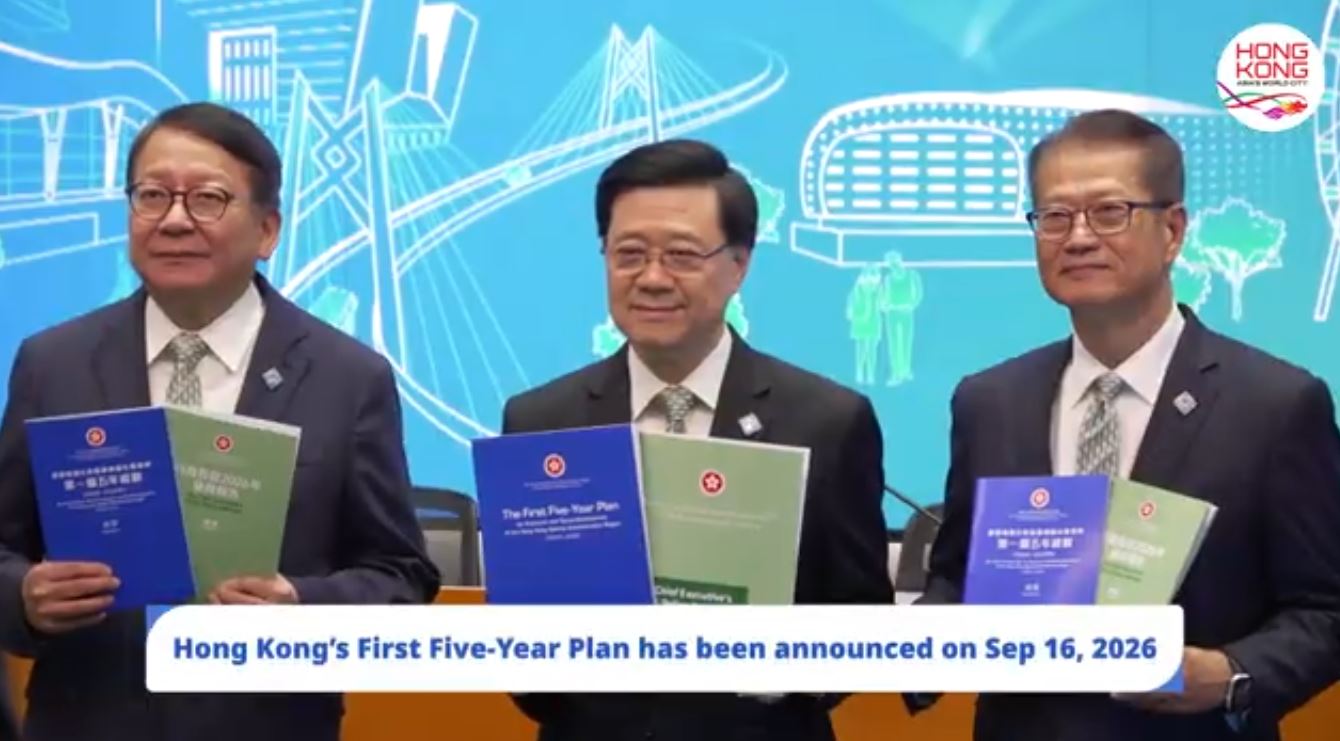
China’s 15th Five-Year Plan: Charting Solutions in an Uncertain World

Published

on

China

CGTN’s special feature explores potential impacts of China’s 15th Five-Year Plan beyond its borders.
BEIJING, CHINA – Media OutReach Newswire – 27 March 2026 – As policymakers and business leaders convene at the Boao Forum for Asia Annual Conference, one of the most closely watched gatherings on the global calendar, attention is turning to China’s national development blueprint: the 15th Five-Year Plan. Beijing’s latest development roadmap arrives at a critical moment, as the world is grappling with geopolitical tensions, economic fragmentation and climate change. With these challenges mounting, many international observers are exploring how this blueprint will shape future development trajectories within China and beyond.
Achim Steiner, former administrator of the United Nations Development Programme, regards green transition, which takes center stage in China’s 15th Five-Year Plan, as one of the defining economic shifts of the coming decades. He emphasizes that China’s leadership on renewable energy, ranging from solar panels to electric vehicles, have not only driven down global costs, but also turned technologies like EVs that were once considered “luxury and privilege” into accessible tools for people’s daily lives. He noted such a giant leap in green technology represents a frontline opportunity for transformation on the African continent, where over 600 million people still lack electricity. Steiner believes the green mindset adopted by Beijing will help many developing nations to avoid catastrophic fallout from climate change. And as certain western nations waver on climate commitments, China’s approach to addressing global warming, in contrast, provides a compelling model of a responsible nation, which suggests that green growth can be a policy priority and allow for win-win progress.

Mohd Faiz Abdullah, executive chairman of the Institute of Strategic and International Studies in Malaysia, situates China’s development strategy within a regional context. He says that the cooperation between China and ASEAN has been contributing to regional and global growth. He described the global economic status quo as “increasingly fragmented,” adding that the key challenge is “not to help one individual economy grow,” but to achieve shared and sustained prosperity “at regional and global levels.” Such a joint task requires shared responsibility in a variety of crucial areas covered in China’s 15th Five-Year Plan, including advanced manufacturing, green transition and technological upgrading. In his view, the development vision demonstrated in China’s 15th Five-Year Plan is not solely inward-looking, but also a domestic model that can convert to outward impact to the wider world. Abdullah also highlighted that China and ASEAN have already formed one of the world’s most dynamic economic partnerships, characterized by expanding investment flows and deepening integration. He believes that the continued implementation of the Regional Comprehensive Economic Partnership will ensure ASEAN and China can work together to achieve shared economic progress for the next decade.

Justin Yifu Lin, former chief economist for the World Bank, argues that while the global economy is mired in uncertainty and turbulence, China remains a rare source of stability, certainty and development momentum. Since about 2008, he noted, China has contributed roughly 30 percent of global growth, underscoring its role as a key engine of the world economy. Acknowledging that challenges are universal rather than unique to China, Lin stressed that what matters is the ability to recognize both constraints and opportunities, and to turn the latter into tangible growth. He pointed to China’s continued potential in technological innovation and industrial upgrading, supported by its large talent pool, vast domestic market, comprehensive manufacturing base and effective coordination between market forces and government policy. While external risks such as supply chain disruptions and trade tensions persist, alongside domestic pressures, including aging and regional development imbalance, Lin suggests China still holds significant growth potential, possibly around 8 percent per year through 2035, if these challenges are well managed.

In a world increasingly defined by uncertainty, China’s 15th Five-Year Plan is deemed as an important source of direction and momentum. As the country aims for a good start to its next five-year development period, seeking to advance modernization through high-quality development, major tasks still lie ahead.

Continue Reading

Trending