

Business
Prime Minister of Barbados Calls for a New Global Financial Paradigm that is Fair to All
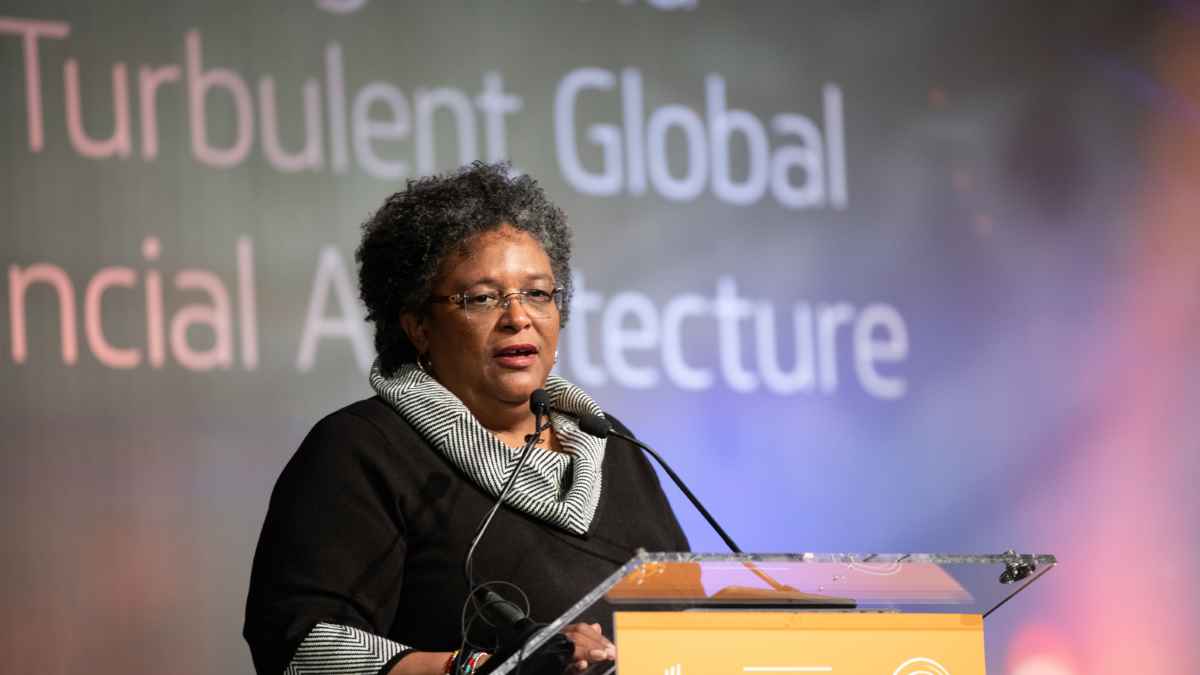
The lecture, an initiative of the African Export-Import Bank (Afreximbank), was held on 14 October under the heading “The Developing World in a Turbulent Global Financial Architecture”
WASHINGTON D.C., United States of America, October 19, 2022/APO Group/ —
The global financial architecture must be reconfigured completely to reflect the needs and participation of countries in the Global South, many of which were under the yoke of colonialism at the time the current order was fashioned, Her Excellency Prime Minister Mia Amor Mottley of Barbados has argued during the Sixth Annual Babacar Ndiaye Lecture, held on the sidelines of the World Bank-IMF Annual Meetings in Washington DC, USA.
The lecture, an initiative of the African Export-Import Bank (Afreximbank), was held on 14 October under the heading “The Developing World in a Turbulent Global Financial Architecture”. In his welcoming remarks, Professor Benedict Oramah, President and Chairman of the Board of Directors of Afreximbank, celebrated the enduring legacy and vision of Dr Ndiaye and called for “renewed efforts to reconnect Africa and the Caribbean through trade and investment in pursuit of the shared purpose of economic emancipation”.
President Oramah praised Prime Minister Mottley for her global leadership in the pursuit of fairness and equality. He referred to their shared belief that “African and Caribbean nations can turn the iniquities of history into platforms for economic prosperity today and in the future. Realizing that vision can only begin with the reconnection of the Caribbean people to their genealogical ties in Africa through trade and investment.”
The lecture was organized at a time of heightening geopolitical tensions, with the weaponization of the US dollar exacerbating the risks of global fragmentation. Simultaneously, the cycle of aggressive interest rate increases by systemically important central banks in response to surging inflation has aggravated macroeconomic management challenges, dramatically increasing debt-servicing costs and raising the specter of a debt crisis in the Global South.
Technology has become the leading driver of growth and effective integration into the global economy
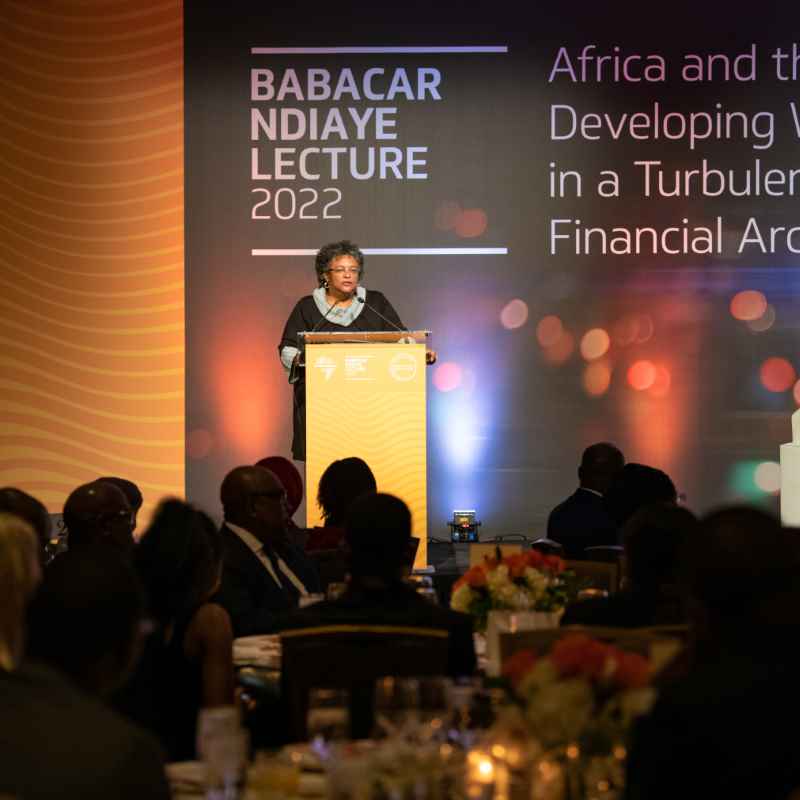
Prime Minister Mottley said the current system operates to the disadvantage of Caribbean and African nations, whose unique circumstances are not accounted for in the decision-making of major financial institutions, but which are nevertheless affected drastically by those decisions. Recalling the genesis of the Bretton Woods institutions, she said they were designed at a time when “we were not seen, we were not heard, and we were not felt”. These structures must be reoriented as a matter of fairness and to reflect the growing role that countries in the Global South play in the world economy.
She said global institutions must be reminded of their founding mandates and seek to fulfil their original purpose in a way that benefits all countries, but especially lower- and middle-income countries, which are currently facing severe challenges. Prime Minister Mottley outlined a set of recommendations for reforming the existing international financial system to better reflect the challenges of our time while concurrently creating the conditions for a process of globalization that serves us all. Among the various recommendations she articulated, the most pertinent include:
- Reforming the United Nations Security Council, especially its panel of Permanent Members, which currently lacks representation for more than 1.5 billion people of African descent;
- Democratizing the system of global governance, particularly the G7 and G20, by broadening representation to include the African Union as a full member;
- Reallocating unused special drawing rights (SDRs) issued by the IMF to assuage liquidity constraints in the Global South;
- Developing new facilities for food and agriculture, clean energy, and climate change adaptation in response to emerging global challenges;
- Capping debt-service payments to a certain percentage of exports—for instance around 5% of total exports, as was done in Germany to help finance reconstruction following the second world war. As a percentage of exports, debt-service payments have risen to 24% and 20% in Africa and the Caribbean, respectively;
- Reforming global credit rating agencies to correct their intrinsic biases, which over the years have led global investors to overprice risks in the Global South, with significant consequences for access to development finance, debt sustainability, and economic growth. To take but one example, Ghana’s Eurobond yield currently exceeds 25%, while Greece pays less than 2% for new issuances;
- Suspending temporary surcharges by the IMF, which further raise the debt burden at a time when rising interest rates are exacerbating the fiscal incidence of sovereign debt;
- Taking advantage of the Review of Quotas by the IMF scheduled for 2023 to reform the Bretton Woods institutions and account for shifting economic weights. The Prime Minister deplored the fact that 27 low-income countries, with a population of 611 million, have fewer quotas combined than the United Kingdom, with a population of only 67 million, does alone;
- Increasing long-term financing and longer maturity loans to support economic development and structural transformation in low-income countries. To underscore the benefits of long-term financing, the Prime Minister highlighted an example from Britain, where a bond issued in 1922 for reconstruction after the first world war was finally repaid in 2014, almost a century later;
- Reforming the Bretton Woods institutions and holding them accountable to their mandate, specifically that of development and not just crisis management and structural adjustment. The Prime Minister reminded the audience that what we now call the World Bank Group began life simply enough as the International Bank for Reconstruction and Development. She stressed that its eponymous mandate, which was so effective during the reconstruction of Europe after the second world war, has been noticeably less pronounced in respect of promoting development in the Global South, where poverty is rampant and unemployment rates have been at Great Depression-levels for decades.
Prime Minister Mottley emphasized the need to adopt a sense of urgency, arguing that the devastating effects of global warming, especially in countries on the frontline of the climate crisis, as well as ongoing energy and food crises demand bolder and swifter steps. “Urgent and ambitious action is necessary to save lives and livelihoods,” she said.
She also tasked countries in Africa and the Caribbean to expand their own capacity through creative linkages that will enable them to fund and execute projects. In that context, she praised Afreximbank for recently convening the inaugural AfriCaribbean Trade and Investment Forum, which she said provided an opportunity to build these bridges. “The presence of Caribbean banks in Africa and African banks in the Caribbean is one example of how economic bonds can be built and cemented,” she said. The Prime Minister also praised President Oramah for his Pan-African vision, which recognizes that global prosperity for Africans must include not only the continent of Africa but also its diaspora.
Furthermore, the Prime Minister highlighted the benefits associated with the emergence of digitalization and new technologies, especially in terms of economic development and shared prosperity between Africa and its diaspora. In that regard, she encouraged leaders in Africa and the Caribbean to prepare young Africans for rising development challenges by investing in artificial intelligence, information technology, cybersecurity, and digitalization. “We have to stop looking North, because we have the capacity,” she said.
“Technology has become the leading driver of growth and effective integration into the global economy. Investing in our youth is not only a path towards strengthening ownership of our development process, but also a way to reap the benefits of globalization,” Dr Hippolyte Fofack, Chief Economist of Afreximbank, said in his closing remarks. Dr Fofack thanked and praised the Prime Minister for her leadership on the subject of reforming the international financial system, which for too long has undermined the process of global income convergence and sustained the colonialist dichotomy of developed-developing countries by constraining access to capital in the Global South.
Dr Fofack also emphasized that the emergence of an improved international financial system, as articulated by the Prime Minister, must come as the result of collective effort, with success requiring support from all stakeholders. He invited world leaders—from the Global South and the North, as well as from the public and private sectors—to collaborate to implement the comprehensive recommendations outlined by Prime Minister Mottley to meet our shared challenges of the 21st century.
Distributed by APO Group on behalf of Afreximbank.








Business
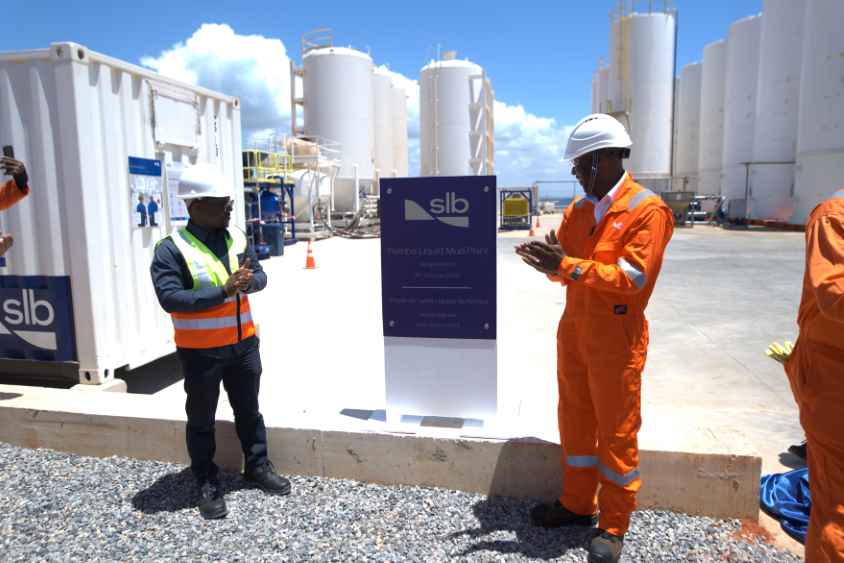
SLB commissions new fluids systems plant in Pemba to support Mozambique’s offshore energy development
Business
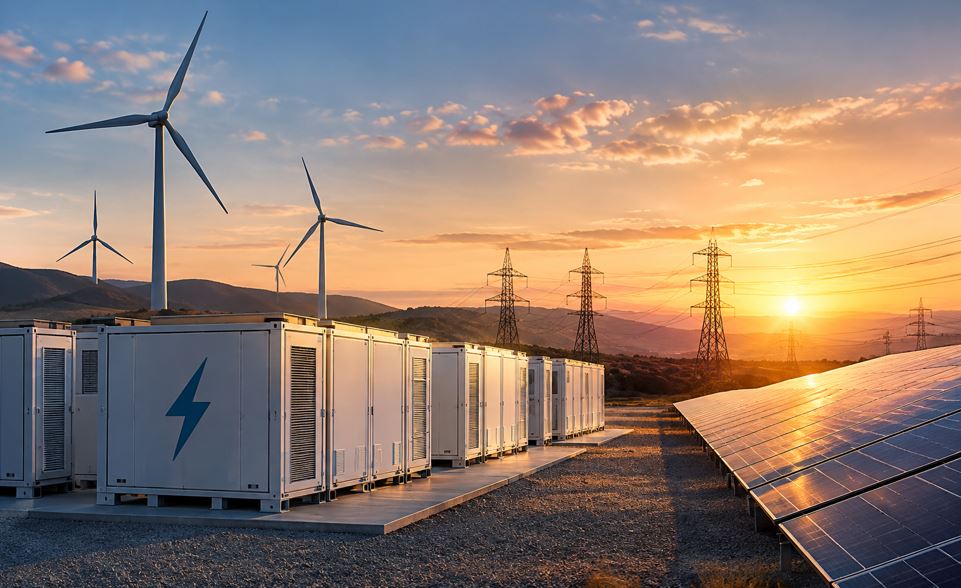
South African Energy Storage Association (SAESA) welcomes 4,600 MW battery storage prioritisation and calls for integrated energy planning
Business
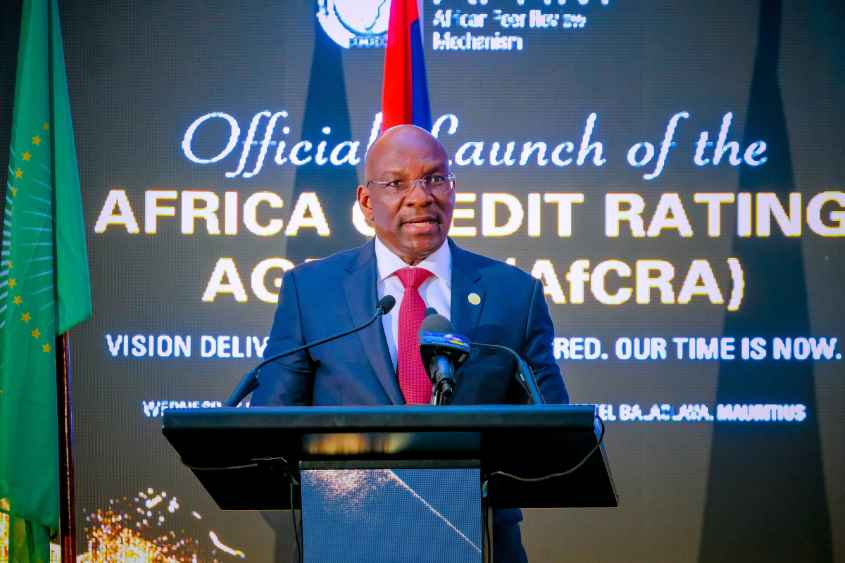
Afreximbank welcomes launch of Africa Credit Rating Agency as an important step in strengthening Africa’s financial architecture
-
 Business5 days ago
Huawei and Qualcomm Announce Broad Patent License Agreement
-

 Business4 days ago
Cautious optimism returns to agency-side strategy as influence with clients grows
-

 Energy5 days ago
Malawi, Kenya, Eswatini Bring State Ambitions to African Mining Week (AMW) 2026’s National Mining Companies Forum
-

 Business5 days ago
African Energy Chamber (AEC), Ground State Market Solutions Sign Memorandum of Understanding (MoU) to Advance Canadian LNG, LPG Supply to Africa
-
Business5 days ago
Liberia Petroleum Regulatory Authority (LPRA) to Showcase Liberia’s 2026 Offshore Licensing Round in Cape Town
-
Business4 days ago
Africa’s Biggest Energy Movement Returns to Cape Town Next Week
-
Energy4 days ago
Kosmos Energy Chief Executive Officer (CEO) Andrew Inglis to Receive Mohammed S. Barkindo Lifetime Achievement Award at African Energy Week (AEW) 2026
-

 Events5 days ago
“Future Resonance — ShanghaiEye Night” Brings Shanghai to Washington, Fosters People-to-People Exchange Across the Pacific