Connect with us
Anglostratits

Business

Like it or Not, Coal Still Has an Important Role to Play in South Africa Today and Tomorrow (By NJ Ayuk)

Published

on

African Energy Chamber

As the African Energy Chamber’s new report, “The State of South African Energy,” points out, South Africa currently depends on coal for 80% of its power generation

JOHANNESBURG, South Africa, March 21, 2023/APO Group/ — 

By NJ Ayuk, the Executive Chairman of the African Energy Chamber (www.EnergyChamber.org) and Author of A Just Transition: Making Energy Poverty History with an Energy Mix.

In the march to net zero, coal usage is the villain in the story. Industrialized nations demonize coal for its negative environmental effects: Coal combustion releases pollutants linked to smog and respiratory illness, from carbon dioxide and sulfur dioxide to nitrogen oxides to mercury and lead.

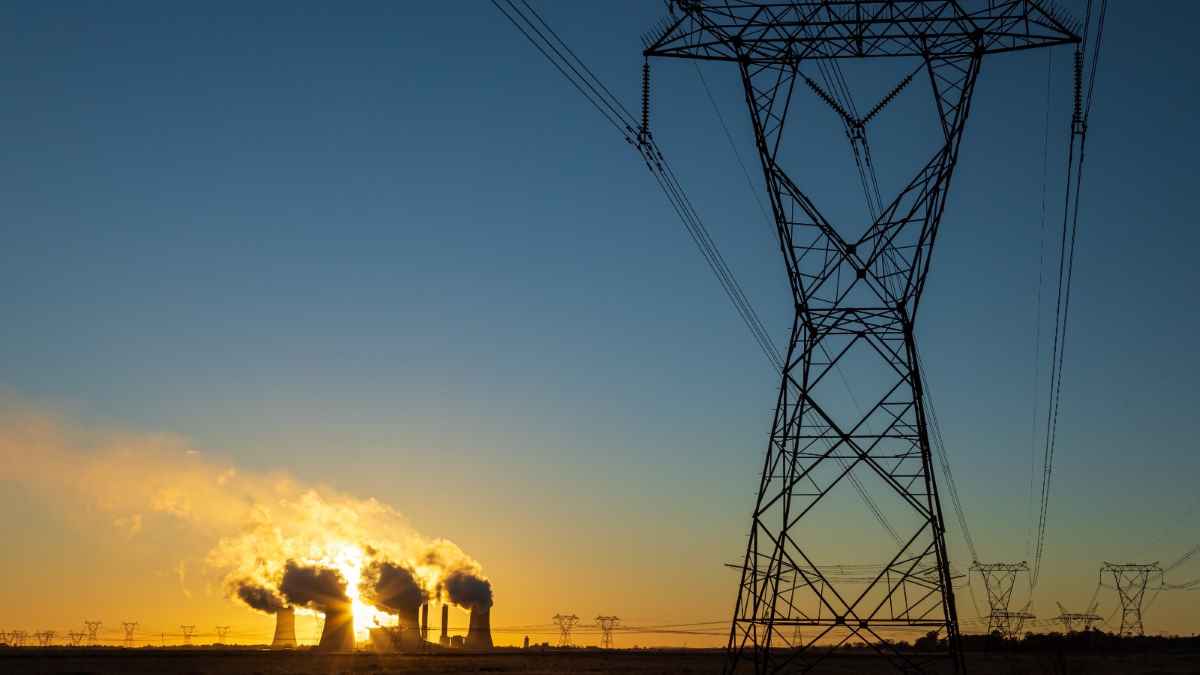
On the other hand, coal is an abundant fuel source that is inexpensive to produce and convert into energy. Countries around the world continue to rely on it. That’s certainly the case in South Africa, where the country’s grid system was built around coal. As the African Energy Chamber’s new report, “The State of South African Energy,” points out, South Africa currently depends on coal for 80% of its power generation. For the people of South Africa, coal is a lifeline.

So, yes, I understand the environmental concerns related to coal usage, but they, alone, should not dictate South Africa’s energy decisions. Making a strategic, gradual move away from coal makes sense for South Africa, but to abruptly cease coal usage at this juncture would be detrimental to the nation and its people.

South Africa’s Coal Realities

We must be pragmatic about the key role coal plays in South Africa. The chamber’s report does project a decline in coal use, but it will be a slow and steady one. By 2030, we anticipate coal usage to be down from the current 80%, but still hovering around 65%. Clearly, this will still be a large portion of the country’s overall power generation. Environmentalists may balk at these numbers, but they’re a reflection of South Africa’s realities on the ground.

While renewable energy sources (in the form of solar PV, solar thermal, onshore wind, hydro, and bioenergy) have begun to make their mark in South Africa, they currently only are used for 10% of total generation. By 2030, the chamber’s report anticipates, renewables likely will account for 25% of total power generated.

I would add that coal’s value to South Africa isn’t limited to its use as an energy source: Coal production remains a major industry that, as of 2021, employed almost 93,000 people and contributed 480.9 billion rands to South Africa’s GDP.

Look at South Africa’s Mpumalanga province, where 85% of South Africa’s mining jobs are. Yes, people there can move to renewable energy positions or train to work in other sectors after coal production stops, but that process won’t happen overnight.

Yes, Coal Needs Help

It’s true that coal, on its own, isn’t enough to keep the lights on.

Coal production remains a major industry that, as of 2021, employed almost 93,000 people and contributed 480.9 billion rands to South Africa’s GDP

At present, 43% of South Africa’s population is energy-poor. This translates to some 25 million people who have insufficient power.

And now, South Africa’s coal-fired power stations are linked with South Africa’s energy crisis. The government-owned national power utility, Eskom Holdings — which generates 90% of the electricity used in South Africa and 30% of the electricity generated on the African continent — has been unable to keep up with increasing national demand for electricity. South Africa’s aging fleet of plants has been pushed beyond its means, declining exponentially.

Eskom’s 14 coal-fired power stations are either old and inadequately maintained or poorly designed and not operating at capacity. Due to these issues, South Africa experiences a daily shortfall of around 4,000-6,000 megawatts, roughly equivalent to 10% of current use. What results are scheduled power outages (or “load shedding”) that often last six hours a day or longer.

Unstable electricity access not only impacts daily life of the general public. Power outages cause disruptions to businesses, damaging the very economic backbone of the nation.

To address this problem, South Africa has been working to shift its energy mix from coal to renewables like wind and solar. However, this shift faces considerable challenges — not the least of which is the fact that a lack of proper energy management means that no viable supply alternatives currently exist.

As the chamber recently wrote, coal has a crucial role to play in stabilizing the country’s energy sector and business environment. I’m convinced that what South Africa needs, at the moment, is more coal power generation and the regeneration of existing coal facilities while the country accelerates its renewables and natural gas sectors.

We Must Not Add to the Suffering

That’s why I’m concerned about any transition plans that have South Africa turning away from coal too quickly. For example, as part of the transition away from fossil fuels, Eskom is expected to decommission half of its 45,000MW installed capacity by 2035. Attempting to protect the environment is a noble pursuit indeed, but Africa’s energy struggles will inevitably get worse if the old coal plants are decommissioned without suitable replacement energy sources in place. And at present, renewables don’t come close to what’s needed.

We hope to see South Africa gradually transfer to renewables, on par with Africa’s COP27 pledge, beginning with natural gas as a “transition fuel” and then moving to onshore wind and photovoltaic power generation by the end of this decade.

A just energy transition in South Africa takes into account environmental aspirations, that’s clear. But more importantly, the transition must also eliminate the load-shedding woes that have long prevented energy security.

South Africa needs alternate sources to generate power and grid integration to distribute this power generated via alternate sources to consumers. Continuing to rely this heavily on coal, without more diversified energy generation, is not sustainable. However, prematurely abandoning coal use altogether will only further cripple the economy.

Distributed by APO Group on behalf of African Energy Chamber.

Energy

Venezuela Energy Week Confirms 19 August Date for Houston Industry Showcase

Published

on

Officially supported by Venezuela’s Ministry of Hydrocarbons and national oil company PDVSA, the Houston Industry Showcase will take place on 19 August, convening U.S. energy leaders ahead of Venezuela Energy Week 2027 in Caracas

HOUSTON, United States of America, August 10, 2026/APO Group/ –The organizers of Venezuela Energy Week (VEW) have confirmed that the Houston Industry Showcase will take place on 19 August 2026 at The Post Oak Hotel. Officially supported by Venezuela’s Ministry of Hydrocarbons and national oil company PDVSA, the event will bring together U.S. energy companies, investors and policymakers to explore commercial opportunities ahead of Venezuela Energy Week 2027 in Caracas in February.

The showcase will feature Minister of Hydrocarbons Paula Henao as a keynote speaker, providing an update on Venezuela’s energy priorities, investment agenda and opportunities for international partnership. Her participation underscores the country’s commitment to strengthening engagement with global industry as it seeks to expand production and unlock new upstream investment.

Bringing together exploration and production companies, independent operators, oilfield service providers, engineering firms, technology companies and financial institutions, the Houston Industry Showcase will examine opportunities across exploration, production optimization, infrastructure rehabilitation and field development.

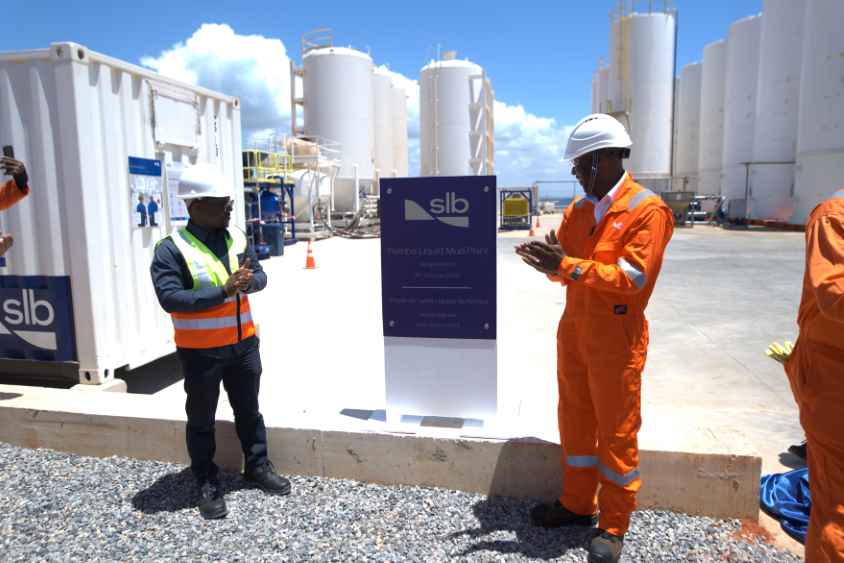
As Venezuela works to increase oil and gas production, demand is expected to grow for the technical expertise of U.S. service providers in drilling, well intervention, completion services, production optimization, artificial lift, digital oilfield technologies and infrastructure rehabilitation. Houston-based industry leaders – including SLB, Halliburton, Baker Hughes, Weatherford and a broad network of EPC contractors, equipment manufacturers and specialized service companies – are well positioned to support the modernization of mature fields, improve operational efficiency and deliver the technologies and services needed for future upstream projects.

The Houston event follows a successful Industry Showcase in London, which brought together international investors, operators and energy service companies to explore Venezuela’s evolving investment landscape. Building on that momentum, the Houston edition will deepen engagement with the U.S. energy industry and strengthen commercial dialogue ahead of Venezuela Energy Week 2027.

Venezuela Energy Week – the country’s largest energy investment platform to date – has been confirmed for 22–25 February 2027 in Caracas. Organized by Energy Capital & Power, the event will bring together government leaders, investors and industry stakeholders from across the global energy value chain.

To register for the Houston Industry Showcase on August 19, visit https://apo-opa.co/4g0TncR. To learn more about delegate, sponsorship and partnership opportunities for the showcase or to secure your place at Venezuela Energy Week 2027 in Caracas, contact info@venezuelaenergyweek.com.

Supporting Venezuela’s Earthquake Recovery
Our thoughts are with the people and communities affected by the recent earthquakes in Venezuela. As the country begins the long process of recovery, we encourage members of the global energy community to support relief and reconstruction efforts through the CAF Recovery and Reconstruction Fund for Venezuela, which channels contributions from individuals, companies and organizations to emergency assistance, essential services and long-term rebuilding efforts.

To learn more or make a contribution, please visit the CAF Recovery and Reconstruction Fund for Venezuela (https://apo-opa.co/4hkvteE).

Distributed by APO Group on behalf of Energy Capital & Power.

Continue Reading

Business

Islamic Development Bank Institute (IsDBI) Secures New Patent for Smart Stabilization System from Intellectual Property Office of Singapore

Published

on

IsDBI

The Smart Stabilization System is a pioneering digital market infrastructure designed to stabilize asset markets by intelligently managing supply-demand gaps and mitigating excessive volatility

JEDDAH, Saudi Arabia, August 10, 2026/APO Group/ –The Islamic Development Bank Institute (IsDBI) (https://IsDBInstitute.org) is pleased to announce that the Intellectual Property Office of Singapore (IPOS) has granted a new patent for its innovative Smart Stabilization System.


The patent was granted on 10 July 2026 under Singapore Patent No. 10202250873B for the invention titled “A Computer Network Stabilization System and Method.” The patent application was filed on 1 September 2022 and was formally granted following a comprehensive review process.

This achievement reflects our commitment to translating pioneering research into practical solutions that contribute to economic resilience and sustainable development

The Smart Stabilization System is a pioneering digital market infrastructure designed to stabilize asset markets by intelligently managing supply-demand gaps and mitigating excessive volatility. Leveraging sophisticated algorithms and advanced simulation models, the system is designed to anticipate supply and demand imbalances and implement programmable stabilization measures before they escalate into market disruptions.

Unlike traditional stabilization mechanisms that rely on capital reserves, buffer funds, or external interventions, the Smart Stabilization System introduces a next-generation framework for achieving autonomous market stabilization through proactive and programmed stabilization mechanisms. By incorporating distributed ledger technology and cryptographic trust mechanisms, the platform enhances transparency, trust, and operational resilience for digital asset and commodity markets.

The successful patent grant reflects IsDBI’s growing contribution to technological innovation and its commitment to developing knowledge-based solutions that address contemporary economic and development challenges.

Since filing the patent application back in 2022, the Institute has continued to advance the Smart Stabilization System through ongoing development and testing, aimed to expand its practical applications and support future capitalization opportunities. These advancements have positioned the system as a potentially transformative solution for enhancing stability and resilience in increasingly digital and interconnected economies.

Commenting on this occasion, Dr. Sami Al-Suwailem, Acting Director General of IsDBI, said, “The grant of this patent by the Intellectual Property Office of Singapore further strengthens the Institute’s position as a leader in developing innovative knowledge-based solutions that leverage modern technologies to address complex development challenges. This achievement reflects our commitment to translating pioneering research into practical solutions that contribute to economic resilience and sustainable development.”

Distributed by APO Group on behalf of Islamic Development Bank Institute (IsDBI).

Continue Reading

Business

Liberia to Preview Next Oil & Gas Licensing Round Strategy at Houston Investor Day

Published

on

The Liberia Petroleum Regulatory Authority will host operators, investors and partners in Houston on August 19 to preview future licensing opportunities and showcase the exploration potential of its offshore basins

HOUSTON, United States of America, August 7, 2026/APO Group/ –The Liberia Petroleum Regulatory Authority (LPRA) will present its strategy for the country’s next offshore licensing round at Liberia Investor Day Houston on August 19, bringing together international exploration companies, investors, service providers and energy leaders to discuss the next phase of Liberia’s upstream development.

Hosted in partnership with Energy Capital & Power, the event will provide a platform for the LPRA, led by Director General Hon. Marilyn T. Logan, to outline Liberia’s regulatory framework, investment priorities and plans to attract new participation across the country’s offshore sector. Discussions will focus on upcoming licensing opportunities, exploration prospects and the subsurface data supporting future investment decisions.

Liberia’s offshore sector is entering a new phase of exploration activity, with renewed international participation and a growing pipeline of opportunities. Following the award and ratification of eight Production Sharing Contracts in 2025, Liberia has re-established itself as a frontier exploration destination, with international operators advancing work programs designed to further evaluate the country’s petroleum potential. TotalEnergies is progressing exploration activities that include offshore geochemical surveys, 3D seismic acquisition and seabed mapping, while Oranto Petroleum has also signed contracts to explore Liberia’s offshore.

At the Liberia Investor Day Houston, the LPRA will provide industry stakeholders with insight into the priorities shaping the next licensing round, including the anticipated process, qualification requirements, available acreage and access to technical data. The engagement will give prospective investors a clearer view of Liberia’s exploration landscape and the opportunities emerging across its offshore basins.

The event will also facilitate direct dialogue between LPRA and the global upstream community, connecting companies with policymakers and industry stakeholders involved in shaping Liberia’s next chapter of petroleum development.

As exploration companies continue to seek new frontier opportunities, Liberia Investor Day Houston will highlight the role of regulatory certainty, data availability and strategic partnerships in unlocking long-term investment across Liberia’s offshore sector.

Registration is now open for attendees. Companies interested in Liberia’s emerging offshore opportunities are invited to join LPRA, investors and upstream leaders in Houston for insights into the country’s licensing strategy and exploration outlook. For more information contact info@energycapitalpower.com.

Distributed by APO Group on behalf of Energy Capital & Power.


Continue Reading

Trending