Connect with us
Anglostratits

Business

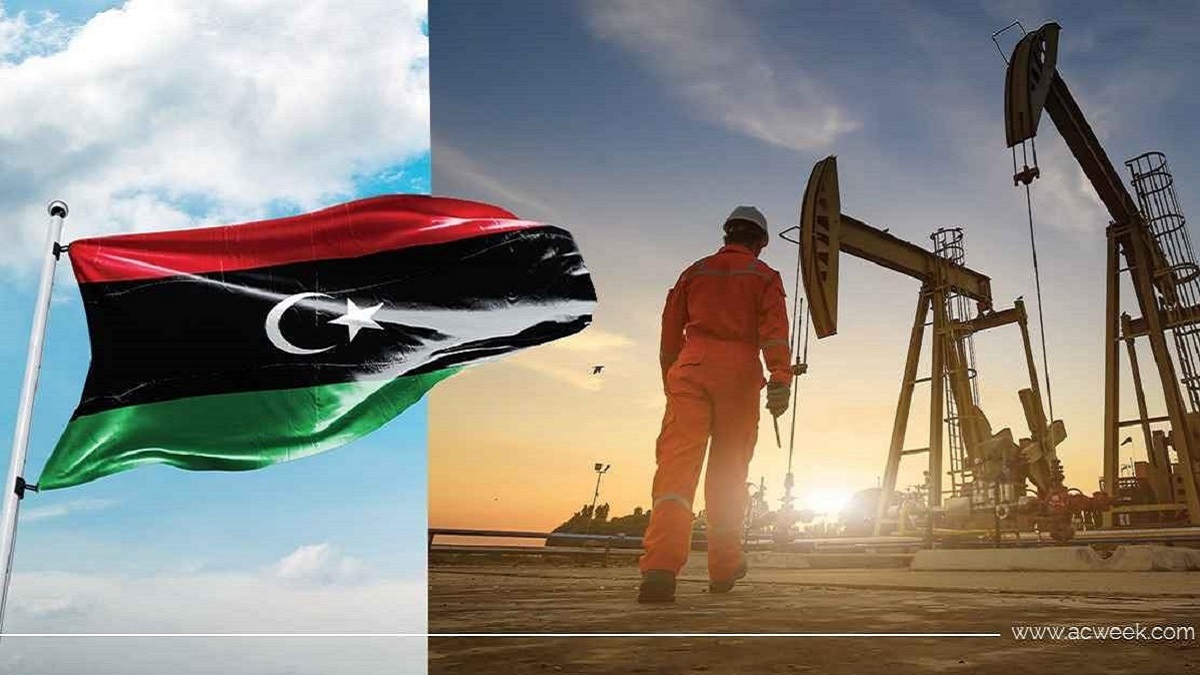
Libya’s Oil and Gas Outlook Continues to Look Stronger in The State of African Energy Q1 2023 Report (By NJ Ayuk)

Published

on

To increase confidence in the country’s oil and gas sector now that production has stabilized, the NOC has created a strategic plan to be carried out by what it is calling the Strategic Programs Office

JOHANNESBURG, South Africa, May 16, 2023/APO Group/ — 

By NJ Ayuk, Executive Chairman, African Energy Chamber (http://www.EnergyChamber.org).

When global oil prices reached a 15-year high in 2022, Libya, which holds 3% of the world’s hydrocarbon reserves and 39% of Africa’s, was unable to take advantage of the windfall.

The reasons were purely political.

Production was shut down for months beginning in April as oil became a pawn in the stalemate between rival leaders: internationally recognized Prime Minister Abdul Hamid Dbeibeh, head of the Government of National Unity (GNU), and Fathi Bashagha, parliament-appointed prime minister of the Government of National Stability (GNS).

Armed militias loyal to Khalifa Haftar, commander of the Bashagha-allied Libyan National Army, waged a campaign to oust Dbeibeh from office by blockading oil fields and ports. Within days, they had managed to close a laundry list of key operations and facilities, including the giant El Feel and El Sharara oil fields (plus several other smaller fields), and the Brega and Zueitina ports. As a result, Libya’s National Oil Company (NOC) was forced to declare force majeure, saying it was unable to fulfill its contractual obligations.

Economic Turmoil

The effect on the NOC was devastating, to say the least. At El Feel and El Sharara alone, lost production equaled 333,000 barrels per day (bpd), costing some USD34.69 million daily. Considering that oil and gas revenues have accounted in recent years for anywhere from 96% to 98% of Tripoli’s income (giving Libya one of the highest nominal GDPs in Africa), Libya’s economy didn’t fare any better.  The rebels’ actions were as much of a blow to the people as they were to Dbeibeh’s government.  

Unfortunately, this wasn’t the only time internal strife has targeted Libyan oil in recent years: A 2020 blockade of export terminals and pipelines resulted in GDP dropping 31% after exports of crude oil and condensates fell from 1.1 million barrels in 2019 to 350,000 barrels per day.

Despite the recent turmoil, things are looking up in Libya’s energy sector this year, at least so far. That’s according to “The State of African Energy Q1 2023 Report,” soon to be released by the African Energy Chamber (AEC). Among other country highlights, the report examines the effect of Libya’s parallel governments on its oil and gas industry and the NOC.

The State of African Energy Q1 2023 Report” predicts that, barring further disruptions, 2023 output should average 1.2 million bpd

Rapid Recovery

Production bottomed out under 600,000 bpd during the first half of 2022 — down 50% from the start of the year. But it rebounded remarkably almost as soon as Dbeibeh replaced the longtime NOC chair in July. The move, which was expected to give the country more control over oil revenues, satisfied the militia, who ended their blockades. In response, the NOC lifted force majeure and resumed full operations. As of the end of February 2023 crude oil production was close to pre-blockade levels at 1.164 million bpd. “The State of African Energy Q1 2023 Report” predicts that, barring further disruptions, 2023 output should average 1.2 million bpd.

That would put the NOC on its way to meeting the medium-term goal of 2 million bpd set last August by Dbeibeh, new NOC Chairman Farhat Bengdara, and other political heads. It’s unclear, however, if that figure can be achieved with the country’s current infrastructure, which is one reason GNU is working to attract additional foreign investment.

Political instability has been a fact of life in Libya for at least two decades, making it more challenging to convince international oil companies (IOCs) that Libya is a safe place to do business. Granted, there are a number of multinationals operating in the country, including France’s TotalEnergies, Italy’s Eni, Britain’s Shell, and America’s ConocoPhillips, some with histories dating back nearly 70 years. However, greenfield projects have been few and far between. When Eni announced in January of this year that it would partner with NOC in the USD8 billion Structures A&E offshore gas development, it marked the first new project in Libya in more than 20 years.

For Catherine Hunter, an analyst with S&P Global, the only way Libya can move forward is by cultivating a “far greater pool of investors to call on.” In an article posted by S&P Global, Hunter said that while there is clearly continued interest in Libya, it depends on the company’s risk tolerance.

To increase confidence in the country’s oil and gas sector now that production has stabilized, the NOC has created a strategic plan to be carried out by what it is calling the Strategic Programs Office. The idea, among other things, is to provide more transparency for IOCs into the NOC’s financials as a first step in what Bengdara called “an ambitious vision to return Libya to the ranks of the main energy-producing countries in the world.”

More Promising Signs

In the meantime, there are promising signs. In addition to Eni’s new venture, TotalEnergies, which holds interests in the Al Jurf, El Sharara, Waha, and Mabruk fields, late last year expanded its interest in Waha, completing a joint acquisition with ConocoPhillips to buy out Hess’ holdings.

In a media release, TotalEnergies said the purchase reflected the company’s “commitment to support Libya’s National Oil Corporation (NOC) in its efforts to restore and increase the country’s oil production, together with reducing gas flaring to increase supply to power plants for additional electricity supply.” The statement also said TotalEnergies and the NOC are studying the development of dedicated solar projects to supply electricity to Waha production sites.

Even more recently, good news came from the NOC itself: On May 1, just five weeks after the Erawin oilfield owned by an NOC subsidiary came online, production had already reached 92,000 bpd. That put it easily within range of its 100,000 bpd annual target.

Fair Winds

While political volatility doesn’t happen every day in hydrocarbon-producing countries, market volatility is far more common — and this time, Libya is prepared to profit from it. With Europe still seeking replacement supplies for Russian energy, it’s not surprising that long-time importers of Libyan energy — Italy, Spain, France, and Germany — would be turning to Tripoli for more oil and gas. Unless the political mayhem of 2022 resurfaces, it looks like Libya will continue to be an important outpost for exports and that the headwinds it has faced have died down.

Distributed by APO Group on behalf of African Energy Chamber.

Business

Aurionpro expands its multi-country transaction banking engagement with Diamond Trust Bank (DTB)

Published

on

Aurionpro

Aurionpro’s upgraded iCashpro platform for DTB delivers a unified digital experience across payments, trade, virtual accounts, and real-time reporting, enhancing straight-through processing, visibility, and control for both the bank and its corporate customers

MUMBAI, India, April 30, 2026/APO Group/ –Aurionpro Solutions Limited (www.AurionPro.com) (BSE: 532668 | NSE: AURIONPRO)a global leader in banking technology, announced the expansion and upgrade of its transaction banking engagement with Diamond Trust Bank (DTB), to modernize and enhance the bank’s corporate transaction banking capabilities across multiple countries.

Download Document: https://apo-opa.co/4edHUaC

This multi-country transaction banking upgrade covering Kenya, Uganda, and Tanzania aligns with DTB’s intent to enhance customer experience, streamline operations, and support growing transaction volumes as it expands its regional corporate banking footprint. DTB continues to focus on building a more agile, ‘digital-first’ banking experience, particularly around payments for its corporate customers across Africa, and is now well positioned to scale these capabilities. As part of its broader transformation agenda, the bank has been steadily investing in platforms that enhance scale, reliability, and service consistency across markets.

Through this partnership, we are proud to lead the next era of transformation in transaction banking, helping DTB enhance operational agility

Aurionpro’s upgraded iCashpro platform for DTB delivers a unified digital experience across payments, trade, virtual accounts, and real-time reporting, enhancing straight-through processing, visibility, and control for both the bank and its corporate customers. By enabling DTB to standardize and scale its transaction banking operations across countries, the platform ensures consistent service levels, stronger control, and improved efficiency. It also supports enhanced user experience, advanced security, and the flexibility to introduce new features as DTB expands its regional transaction banking footprint.

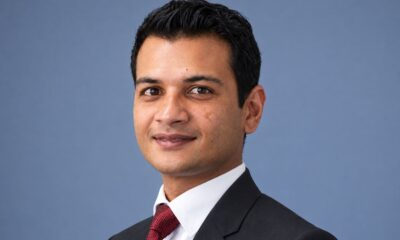
Murali Natarajan (https://apo-opa.co/48trPdk), Managing Director & CEO, DTB Kenya   commented: “We are delighted to strengthen and broaden our partnership with Aurionpro Solutions as part of DTB’s ongoing digital transformation journey across multiple markets. Our focus on innovation, operational excellence, and customer-centricity continues to guide our technology investments. This upgrade strengthens our transaction banking capabilities, enabling us to deliver greater value to our customers through robust digital channels and seamlessly integrated experiences.”

Ashish Rai, Group CEO, Aurionpro Solutions, commented: “We are pleased to deepen our multi-country engagement with Diamond Trust Bank and support the next phase of its transaction banking modernization. As DTB continues to scale across markets, platform resilience and consistency become paramount. Through this partnership, we are proud to lead the next era of transformation in transaction banking, helping DTB enhance operational agility, deliver superior experiences to corporate customers, and create long-term value across geographies.”

He added, “Aurionpro’s iCashpro lays a strong digital foundation for transaction & wholesale banks across the globe to grow their corporate and SME client portfolio today, while creating a clear roadmap for next- generation capabilities in AI-driven insights, advanced automation and API-led connectivity for businesses in Kenya and across Africa.”

Distributed by APO Group on behalf of Aurionpro Solutions Ltd.


Continue Reading

Business

Minerals Council Chief Executive Officer (CEO) Joins African Mining Week (AMW) as South Africa Improves Sectorial Investment Climate

Published

on

Energy Capital

Minerals Council CEO to share insights on policy, infrastructure and investment trends shaping South Africa’s mining industry

CAPE TOWN, South Africa, April 30, 2026/APO Group/ –The upcoming African Mining Week (AMW) conference will feature Mzila Mthenjane, CEO of the Minerals Council of South Africa, as a speaker. Scheduled for October 14 – 16, 2026 in Cape Town, the event will bring together global investors, policymakers and industry leaders, with Mthenjane’s participation highlighting the council’s commitment to engaging international stakeholders and promoting investment across South Africa’s mining sector.

His participation comes at a critical moment as the Minerals Council works closely with government on finalizing the Mineral Resources Development Bill 2025, a policy framework aimed at strengthening the country’s mining investment climate and the sector’s contribution to GDP. According to the council, the revised legislation will support new investment across the value chain as South Africa seeks to mobilize R2 trillion over the next five years to unlock its critical minerals potential.

The policy reforms come amid shifting production trends in the sector. In 2025, South Africa recorded declines in gold and platinum group metals output of 1.9% and 4.1%, respectively. The new regulatory framework is expected to strengthen public-private partnerships and stimulate investment, enabling South Africa to increase production and capitalize on strong global commodity prices. Increased private sector investments is crucial with South Africa seeking targeting to unlock an estimated R40 trillion in untapped iron ore potential as well as maintain its position as the world’s leading producer of chrome and manganese.

At AMW 2026, Mthenjane is expected to outline these trends, providing insights into how the council is contributing to addressing challenges disrupting the sector. Infrastructure and energy costs remain key concerns for industry players. To support the energy-intensive sector, South Africa approved a 35% reduction in electricity tariffs for major ferrochrome producers, helping stabilize an industry that has faced significant cost pressures after electricity prices surged by roughly 900% since 2008.

Logistics constraints are also a priority area for reform. South Africa’s economy is losing an estimated R1 billion per day due to inefficiencies across rail and port infrastructure. As a result, the government is considering measures supported by the Minerals Council to increase private sector participation in logistics. Planned reforms include rail modernization initiatives targeting 250 million tons of freight capacity by 2029, alongside port upgrades and private operator participation aimed at strengthening mineral exports and improving supply chain efficiency.

Beyond infrastructure and policy reforms, the Minerals Council is advocating for stronger exploration investment to support long-term industry growth.

At AMW, Mthenjane is expected to highlight these developments and outline the steps required to reinforce South Africa’s position in the global minerals supply chain. His insights will offer investors and stakeholders a timely perspective on opportunities within the country’s mining sector.

Distributed by APO Group on behalf of Energy Capital & Power.

Continue Reading

Energy

Seychelles Targets Energy Investment Push as Minister Jérémie Joins African Energy Week (AEW) 2026 as a Speaker

Published

on

African Energy Chamber

Seychelles energy minister will speak at AEW 2026, positioning her to highlight reforms, renewable projects and investment opportunities as the island nation advances its transition toward a diversified energy system

CAPE TOWN, South Africa, April 29, 2026/APO Group/ –Marie-May Jérémie, Minister of Environment, Climate, Energy and Natural Resources for Seychelles will participate as a speaker at this year’s African Energy Week (AEW) 2026, taking place from October 12–16 in Cape Town. Her participation underscores the country’s growing role in shaping Africa’s small-island energy transition agenda.

Minister Jérémie’s presence at AEW 2026 comes at a critical time as Seychelles accelerates efforts to reduce its heavy reliance on imported fossil fuels. The event provides a platform to attract investment, strengthen policy alignment and showcase bankable projects, positioning the country as a viable destination for private-sector participation in island energy systems.

Seychelles is demonstrating how policy reform and innovation can unlock investment in constrained environments

In May last year, international finance institution the World Bank approved the Renewable Energy Acceleration Program, a seven-year initiative aimed at modernizing the grid and increasing renewable energy penetration to 15% by 2030. The program focuses on unlocking private capital while strengthening transmission infrastructure to accommodate variable renewable energy sources.

Project development is gaining traction in the country, particularly in innovative technologies suited to Seychelles’ land constraints. The 5.8 MW Seysun Lagoon floating solar PV project, developed by independent renewable power producer Qair, is under construction and expected online in 2026.

Alongside renewables, Seychelles continues to pursue upstream opportunities to diversify its economy. The government approved new exploration entrants in 2025 and extended exiting petroleum agreements, while securing an infrastructure partnership with China. Multilateral estimates suggest over $800 million in investment will be required over the next 25 years.

Regulatory reform is central to this transition, with Seychelles introducing an independent power producer framework to open the market to private developers. Standardized power purchase agreements, grid access reforms and strengthened public-private partnership structures are being implemented to improve transparency, reduce risk and accelerate project bankability across solar, storage and emerging wind opportunities.

“Minister Jérémie’s participation highlights the strategic importance of island nations in Africa’s broader energy transition,” says NJ Ayuk, Executive Chairman, African Energy Chamber. “Seychelles is demonstrating how policy reform and innovation can unlock investment in constrained environments. Her insights will be critical to advancing dialogue on resilient, low-carbon energy systems across the continent.”

Distributed by APO Group on behalf of African Energy Chamber.

Continue Reading

Trending