Coming to Africa, there are definitely massive deal flows on the ground to sustain economic growth in the second-fastest-growing region in the world after Asia
PORT LOUIS, Mauritius, July 29, 2024/APO Group/ —
Bank One (www.BankOne.mu) gleaned exclusive insight by meeting with the Gulf region’s key financial sector players to understand how Mauritius can form a league with financial institutions in the Middle East to fund impactful projects in sub-Saharan Africa. This is part of the long-term strategy of the bank to expand its footprint and position itself as “Africa’s preferred gateway”.
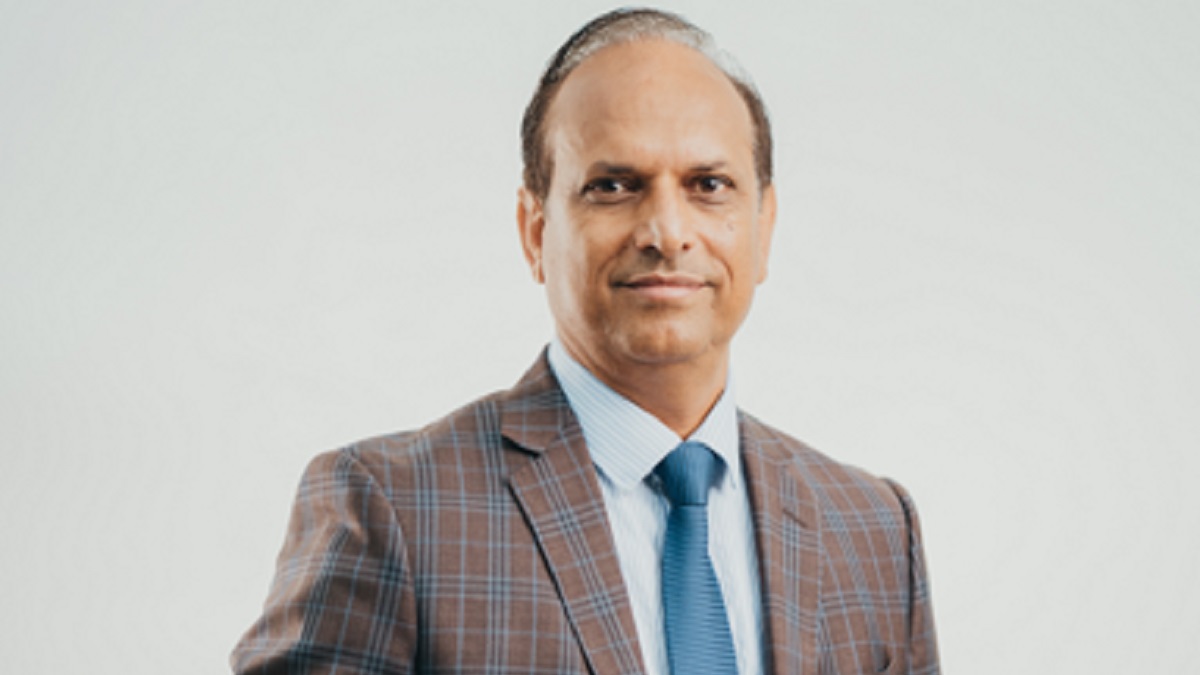
“At Bank One, we were recently privileged to meet with key players from the Gulf region and explore the financial landscape in the Middle East through an expert eye. This has helped the Bank One leadership team form a nuanced view of what this region means to us, and we are keen to impart insights to other banks or financial institutions who would like to explore this region. Indeed, we view collaboration among various financial sector stakeholders as key to realising the potential of the Mauritius-Middle East partnership” says Thavin Audit, Deputy Head of Corporate and Investment Banking at Bank One.
Looking at the way the global macroeconomic environment is maturing, aligned with how Middle Eastern banks are positioning themselves to embrace the African journey, Bank One believes that the time is ripe for Mauritius to explore deeper affiliations with financial institutions in the Middle East to see how we can best leverage opportunities while bringing our conjoined forces to support sub-Saharan Africa.
Looking out: Why the Middle East is moving into the syndication landscape
The region was unique in seeing positive investor sentiment as captured by Preqin (https://apo-opa.co/4cZCfS6). Indeed, Preqin surveys showed 94% of global investors agreeing that the macroeconomic cycle was ‘starting to decline or near the bottom’, a sharp contrast with just 19% of Middle Eastern investors who agreed with this muted economic stance in February 2023. No doubt, this region has a different narrative—one where sentiment is significantly optimistic, capital continues to flow, and a rising number of global investors are knocking on the doors.
“While Middle Eastern banks have traditionally been engaged in offering Sharia-compliant products, the excess liquidity such banks are currently encountering has substantial implications for their involvement in syndication and trade finance deals. Indeed, Emirati banks have lately been beating Wall Street at its own game, with a 10-year US$3.25 billion loan having been syndicated by regional banks (https://apo-opa.co/4fq007A) to finance an impactful education sector deal for Dubai’s GEMS. When a consortium led by Canadian fund manager Brookfield was looking for funding for one of the largest private school operators on the planet, it was four Gulf banks who confidently stepped in to help” adds Thavin Audit.
Why Africa is fertile ground for syndication deals
Coming to Africa, there are definitely massive deal flows on the ground to sustain economic growth in the second-fastest-growing region in the world after Asia. The African Development Bank (AfDB) Group highlighted in its latest Macroeconomic Performance and Outlook of the continent that Africa will account for eleven of the world’s 20 fastest-growing economies in 2024. Indeed, the real GDP growth for the continent is expected to average 3.8% and 4.2% in 2024 and 2025, respectively, far outstripping projected global averages of 2.9% and 3.2%, the report emphasized.
“At Bank One, our positioning as a gateway to Africa is primarily enabled by our shareholders’ footprint, with the I&M Group firmly rooted in East Africa. Our investment approach to Africa remains bullish as we invest energy and resources to sustain our edge in the market. Along with other banks in our syndication or our network, we arrange and set up mandates for selected banks, be it in the space of trade loans or factoring deals. We particularly look for syndication partners who are happy to come on-board because of the knowledge we have in, and of, Africa” says Thavin Audit
We particularly look for syndication partners who are happy to come on-board because of the knowledge we have in, and of, Africa
Why the Middle East and Africa need each other
In the Middle East, it is the region’s flourishing financial landscape that holds the key to its appeal for Africa. Apart from the overall positive economic sentiment in the Middle East, it is the world’s fastest-growing regional market in terms of the banking and capital market sectors. A PwC report notes that the ‘region’s financial services sector is in the midst of a massive overhaul’ with increasingly diverse financial products and services, accompanied by growing regulatory requirements for finer monitoring of processes and developing secure financial systems. No wonder then that banks and financial institutions across the Middle East are investing diligently to match or outstrip their international peers, with commercial banks developing apace and offering easy access to banking credit.
At a broader level, reports abound that Gulf banks presently have more liquidity in comparison with many of their foreign peers mainly due to the higher interest rates in Europe and further afield. As such, they face a pressing necessity to match funding to projects and transactions that constitute economic and geographic diversification. However, Emirati banks looking at emerging economies such as those in Africa need to partner with other banks that have the competence, skill, access, and knowledge of the Hopeful Continent.
What are the focus areas for Middle Eastern banks eyeing Africa
When it comes to sectors of focus for Middle East forays into Africa, we note a concentration of deals in the oil and gas, as well as infrastructure sectors.
First, the oil and gas sector in Africa has immense potential, with the continent’s gas reserves in 2021 estimated at 625.6 trillion ft [3] (https://apo-opa.co/3A2tR5A) which is nearly equivalent to that of the US. Significantly, once a major oil or gas discovery is made, the biggest challenge for African governments and their commercial partners is finding sources of finance to develop projects. However, there is a ready domestic market for such output, with the Gas Exporting Countries Forum (https://apo-opa.co/4fq01sa) noting that the demand for energy in Africa is expected to rise 82% by 2050 with natural gas making up 30% of their energy mix.
Secondly, if you look at the pace of infrastructure development on the continent based on rising deals in transport, energy, and telecommunications, there is a huge demand for funding in these areas. The AfDB notes that the demand for adequate infrastructure — secure energy, efficient transport, reliable communication systems, resilient sanitation, and affordable housing — is particularly prominent in Africa. Soberingly, when it comes to infrastructure in Africa, bridging the financing gap is a major challenge, with the AfDB (https://apo-opa.co/4cZChJI) estimating between US$130 billion and US$170 billion required for infrastructure development each year. This leaves a yawning gap of around US$100 billion (https://apo-opa.co/4fq01IG) and one that Development Finance Institutions (DFIs) alone would struggle to fill.
The way forward: How Mauritius can support the Middle East’s efforts in Africa
In February 2024, the UAE was removed from the grey list after 2 years of being on the FATF’s radar, signifying its commitment to combatting money laundering and terrorist financing. This development is likely to boost investor confidence in the UAE’s regulatory framework, and it is expected that this move will be accompanied by greater foreign capital inflows and reduced compliance costs and costs of borrowing. At Bank One, we welcome this development and have seen Middle Eastern banks confidently looking to channel funding into Africa based on our recent visits to the region.
Finally, in terms of strategic partnerships as well, there are promising talks of key DFIs joining forces with financial institutions in the Middle East. Recently, the AfDB, European Investment Bank (EIB), and the OPEC Fund for International Development (OFID) announced support for the African Capitalization Fund, a new private equity fund to be created by the IFC’s Asset Management Company (AMC). The Fund will seek to capitalize on systemically important private sector commercial banking institutions in Africa to spur economic recovery and job creation. Hearteningly, the Abu Dhabi Fund for Development (ADFD) also announced that a commitment to the fund is under due consideration.
Last but not least, systemic efforts are being made to stimulate investments from the Middle East to Africa. With a Comprehensive Economic Partnership Agreement being signed between Mauritius and Dubai which was announced in December 2023 as the first of its kind between the Emirates and an African country, Bank One is keen in exploring the full potential of such a landmark agreement. It was widely reported at the time that this agreement will pave the way for increased trade, investment, and private-sector cooperation between the countries, and we would like to explore with the right partnerships how such economic cooperation can be realized on the ground – with a focused eye onto Africa.
Distributed by APO Group on behalf of Bank One Limited.















 Business5 days ago
 Business4 days ago
 Energy5 days ago
 Business5 days ago
 Events5 days ago