



Business
Inaugural GITEX Africa sells-out, organiser in final expansion phase to meet high global tech interests in Africa

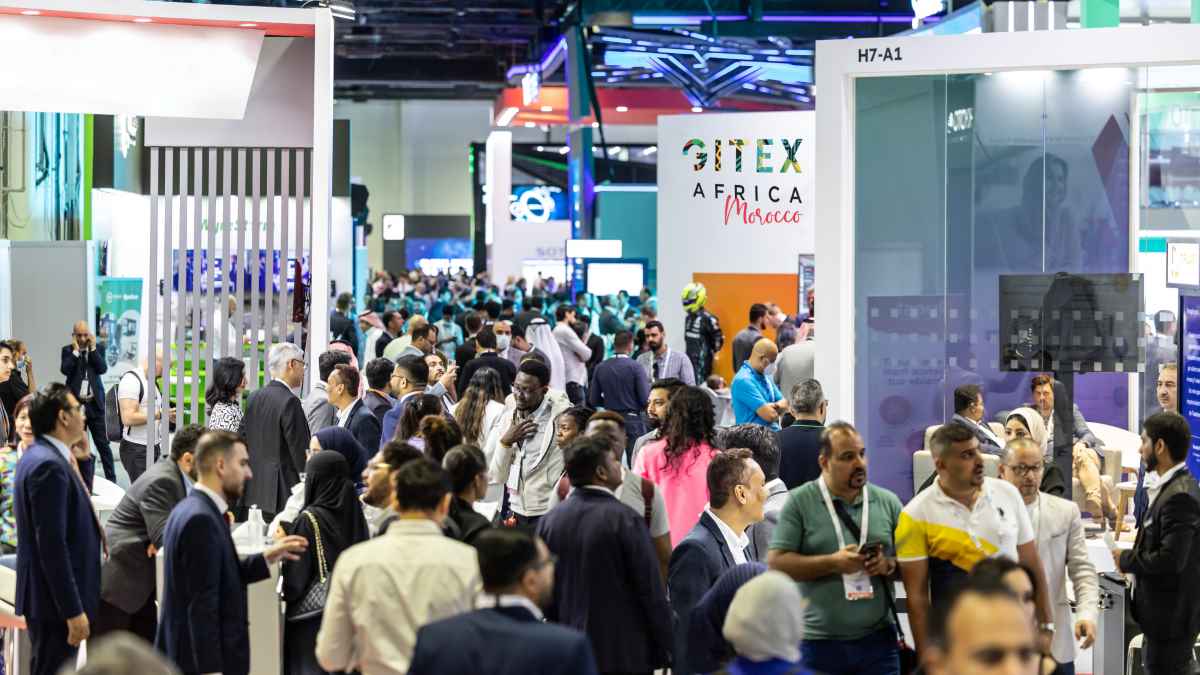
Construction ramps up of purpose-built super venue in Marrakech, Morocco for historic debut of GITEX Africa, now the largest and most influential tech and start-up event in the African continent
MARRAKESH, Morocco, April 25, 2023/APO Group/ —
The cross-continent support of the global tech community has culminated in a sold-out GITEX Africa 2023 (https://www.GITEXAfrica.com/), with an expansion phase now underway as construction ramps up of a purpose-built super venue in Marrakech Morocco for Africa’s largest and most influential tech and start-up event.
The inaugural GITEX Africa will make its historic debut from 31 May-2 June 2023, welcoming more than 900 exhibitors, start-ups, and visiting delegations from 95 countries for three days of intensive outcome-focused public-private sector collaborations in the world’s next biggest digital economy.
GITEX Africa is held under the High Patronage of His Majesty King Mohammed VI of the Kingdom of Morocco, and hosted by the Digital Development Agency (ADD), the public entity leading the Moroccan government’s digital transformation agenda under the authority of the Moroccan Ministry of Digital Transition and Administration Reform.
H.E Dr Ghita Mezzour, Minister of the Moroccan Ministry of Digital Transition and Administration Reform, said: “The Kingdom of Morocco is honoured to host the 1st edition of GITEX Africa Morocco in 2023, an event which constitutes a real opportunity for our country to deepen the efforts made and the work carried out in recent years in the field of digital transition and technological innovation.
“It falls perfectly in line with the efforts of the Kingdom of Morocco to strengthen South-South cooperation in the digital field, and to contribute to the influence of the African continent on the international level. GITEX Africa Morocco will thus aim to promote multi-sector technological innovation and the digital transformation of the continent, pursuant to the Orientations of His Majesty King Mohammed VI, May God Assist Him.”
“The potential for tech on the continent of Africa is limitless and the time for action is now,” added Mohammed Drissi Melyani, General Director of the Digital Development Agency (ADD). “As the catalyst for Morocco’s digital transformation, ADD is involved to promote innovation in many sectors and to push all the involved partners of the ecosystem to ensure Smart digital transition.


“As the African continent is beginning to create an enabling environment for technology innovation to thrive, GITEX Africa Morocco is a real opportunity to gather the tech moguls and promote investments and we are deeply engaged to contribute to this first edition’s success.”
GITEX Africa 2023 is affiliated with GITEX GLOBAL, the world’s largest tech and start-up show hosted in Dubai. “Africa has a great story to share with the world in their digital cities evolution powered by a talented youth generation and future focused governments,” said Trixie LohMirmand, CEO of GITEX Africa’s organiser KAOUN International, who announced the event’s expansion plans during a Moroccan tour recently meeting key tech stakeholders, exhibitors, government entities and media.
“That GITEX Africa is so well received in its inaugural edition is a strong validation of the world’s confidence and optimism in the growth of the African digital economy. Every company with an internationalisation strategy must partake in the digital revolution of the world’s most watched continent.”
Converging transformational technologies at Africa’s showpiece tech event
With the African Union’s bold mission to unify the continent into a secure Digital Single Market by 2030, GITEX Africa exhibitors are rousing optimism about the proliferation of trends shaping the continent’s tech ecosystem, from increased internet connectivity and a rampant start-up scene, to the rise of artificial intelligence and a flourishing fintech sector.
IBM, a global technology and consulting company, will utilise GITEX Africa 2023 to amplify their commitment to the continent. Badrane Kaddour, Africa Partner Ecosystem Leader at IBM, said: “Our portfolio is built around hybrid cloud and AI, the two most transformational technologies of our time. Our go-to-market approach brings together the necessary software, consulting, and infrastructure that our clients require, from across our expanding ecosystem of partners.
“Attending the inaugural GITEX Africa is an opportunity for us to highlight our commitment to the continent, expand our presence and market reach through our ecosystem of partners as well as showcase our latest technological innovations that are helping our customers increase productivity, reduce costs and fuel growth.”
With an African presence spanning more than two decades, global cybersecurity heavyweight Kaspersky is another exhibitor investing in Africa’s vast potential. CEO Eugene Kaspersky commented: “For more than 20 years now we’ve been working to protect Africa’s businesses and ordinary users – securing the continent’s technologies and fast-growing economies.
Africa has a great story to share with the world in their digital cities evolution powered by a talented youth generation and future focused governments
“It’s important that we share expertise and exchange knowledge needed for protection against cyberthreats, which are constantly growing in both volume and sophistication. Today, we’re glad to be part of the first edition of GITEX Africa, the continent’s largest tech event – participation in which we deemed simply essential in helping to build a more secure digital world together.”
Moroccan exhibitors elevate Africa’s thriving tech revolution
Major players from Morocco’s tech landscape have also signed on for this much-awaited business venture, in-line with the North African country’s unifying economic mission, where 60 percent of its foreign investment is directed towards Africa.
Maroc Data Center (MDC); MTDS, a leading cybersecurity and technological solutions provider; Ribatis, a provider of e-Gov platforms for African public administrations; and CASANET, a pioneer in the ICT industry, are among the Moroccan exhibitors with a joint mission to elevate Africa’s thriving tech revolution.
Yassir Lamrani, CEO at CASANET, said: “As one of the Moroccan tech pioneers, we would not miss this inaugural event that marks the start of a new era for Africa’s bold digital ambitions. The African tech ecosystem is one of the fastest growing in the world, and since GITEX Africa is the most sought-after tech event in the continent, we’re hoping to meet Africa’s brightest IT minds, and to connect with the African youth who hold the future of tech in Africa.”
GITEX Africa DIGITAL SUMMIT leads power-packed conference programme
Leadership dialogues and outcome focused meetings will meanwhile dominate at GITEX Africa via a power-packed multi-sectoral conference programme including The GITEX Africa DIGITAL SUMMIT and the GITEX AFRICA CEO Forum.
The GITEX Africa DIGITAL SUMMIT will unify 250-plus government and private sector leaders, policy makers, investors and academics, to steer Africa’s transformation into a single digital market. Critical themes covered at the world’s most influential forum for dialogues, exchanges and collaborative intentions, range from analysing the current state of play in the continent’s digital economy, to fast-tracking an integrated and inclusive digital public infrastructure.
Lacina Koné, the DG and CEO of Smart Africa – the pan-African organisation driving the continent’s digital transformation – is a headline speaker at the two-day summit. Smart Africa is an alliance of 36 African countries tasked with Africa’s digital agenda, to accelerate sustainable socio-economic development on the continent and usher Africa into the knowledge economy through affordable access to broadband and the use of ICTs.
“I am pleased to see GITEX coming for the first time to Africa, the land of all digital opportunities,” said Kone, who will be part of a panel discussion titled: ‘Uniting Towards One African Market,’ adding that Smart Africa aims to achieve an inclusive multi-stakeholder approach that encourages innovation through data sharing and cross-border data flows while protecting individuals’ rights. “We look forward to promising insightful exchanges at GITEX Africa where businesses will meet and decisions will be made.”
North Star scales African imagination converging 400-plus start-ups
GITEX Africa 2023 has also partnered with North Star, the world’s largest start-up event, to deliver North Star Africa, converging more than 400 start-ups – including 100 Moroccan start-ups – from across the globe to extend engagements, build connections, and scale imaginations in an African tech ecosystem where investment reached US$6.5 billion in 2022.
Saudi-headquartered food tech company NOMU Group is among those looking to foster prosperous partnerships in Africa. “Africa’s start-up ecosystem has matured significantly with banks and governments creating mechanisms that support the start-up community,” said Shehab Mokhtar CEO & Co-Founder at Nomu Group, which operates the Jumlaty and Appetito e-grocery and food-tech start-ups in Saudi, Egypt, Tunisia, and Morocco.
“The African continent is emerging as a hotbed for foreign investment, due to the rise of mobile penetration, better internet infrastructure and a growing fintech start-up ecosystem. At GITEX Africa, Nomu Group looks forward to connecting with tech innovators, start-ups, investors and global innovation hubs, while at the same time collaborating, and exploring new ventures in the world’s rising tech continent.”
More information is available at https://www.GITEXAfrica.com/
Distributed by APO Group on behalf of GITEX Africa.










Business
AFRICLOUD Opens Lagos Region and Local-Currency Payments in African Markets

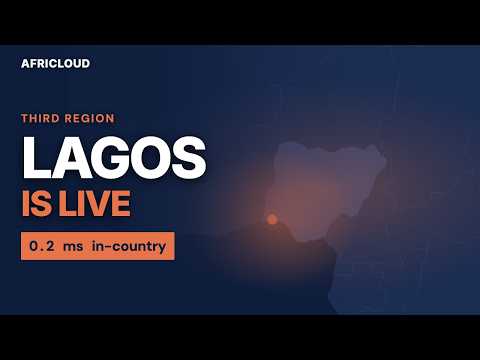
The company’s third African region keeps Nigerian workloads in Nigeria, and customers from Abidjan to Nairobi can now pay in the currency they earn, without an international card

Download document (1): https://apo-opa.co/4Ardfz9
Download document (2): https://apo-opa.co/46FWH8Y
Buying cloud infrastructure in Africa has meant living with three compromises: traffic that leaves the continent and comes back, payment in dollars behind a card many businesses do not hold, and data sitting under somebody else’s law.
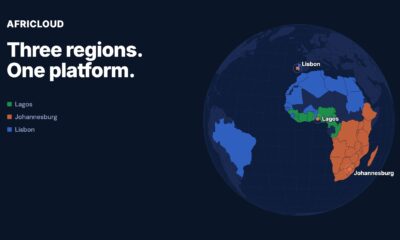
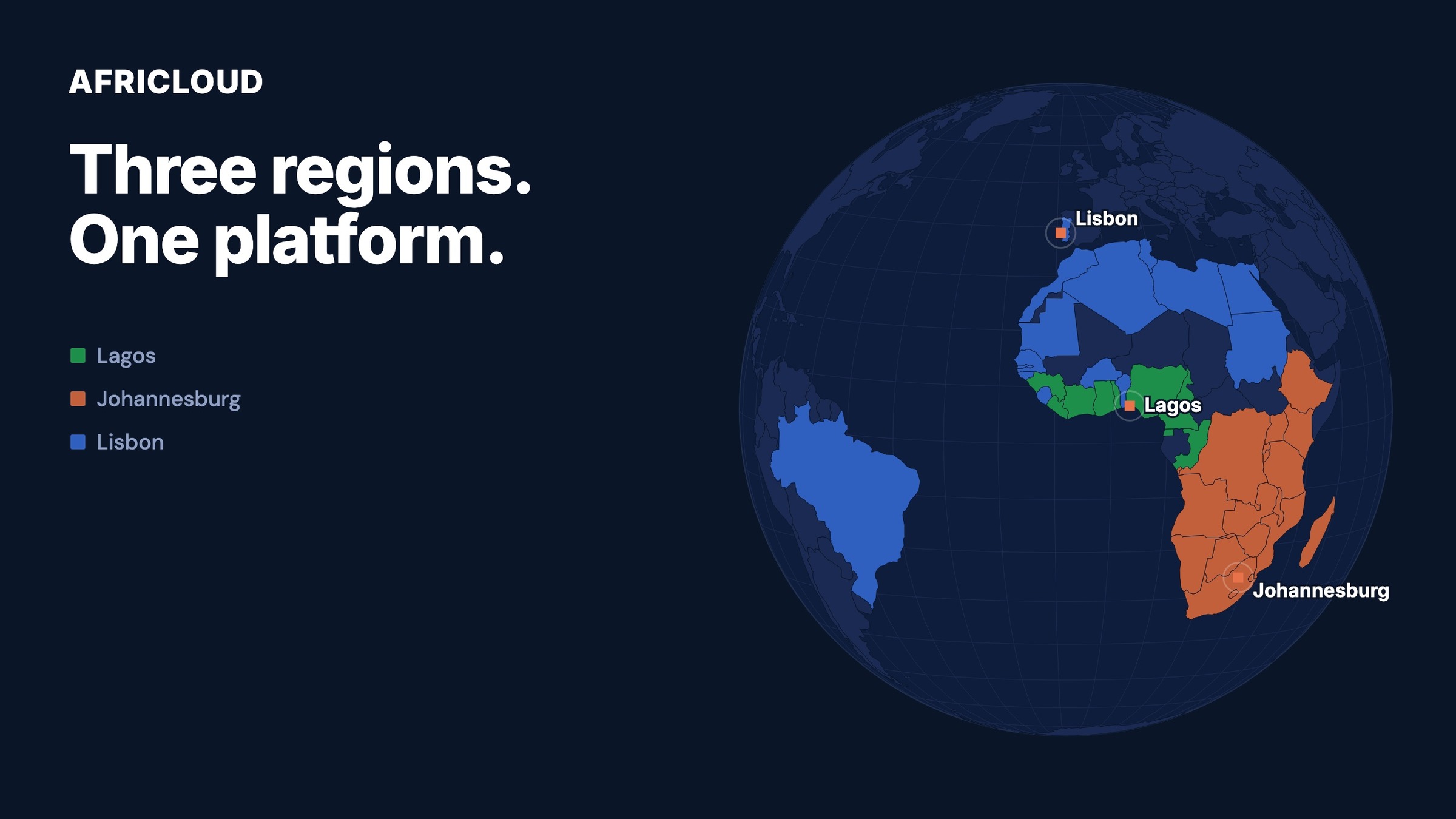
Lagos answers the first. Compute and storage for Nigerian customers stay in Nigeria, and the region also serves Accra, Abidjan, Lome, Douala and Ouagadougou. Traffic from landlocked West Africa that once reached comparable infrastructure by way of Europe now stays on terrestrial West African fibre. Johannesburg serves Southern and East Africa. Lisbon serves North Africa and Europe, and reaches Brazil over a direct subsea route. Across the three regions, AFRICLOUD’s own continent-wide measurements place 42 of the 53 African countries measured within a best-case round trip of 70 milliseconds, countries home to about 1.28 billion people.
A company in Accra or Abidjan now reaches West African infrastructure without leaving the region, and pays for it in the currency it earns
Payment answers the second. Customers across West, Central, East and Southern Africa pay in their own currency, including the naira, the cedi, the shilling and the CFA francs, by local card, bank transfer, USSD or mobile money, with no international card needed. Mobile money is live in twelve African countries, and cards, PayPal and more than 300 cryptocurrencies are accepted everywhere. The GSMA reports that 74 per cent of the world’s mobile money activity by transaction count took place in Africa in 2024.
Residency answers the third. Nigerian data runs under the Nigeria Data Protection Act, South African data under POPIA and European workloads under EU law, chosen server by server from the same dashboard.
“African businesses have been asked to choose between infrastructure that is close, infrastructure they can actually pay for, and infrastructure that keeps their data under their own law,” said Oluniyi Ajao, Founder of AFRICLOUD. “Removing that choice is the reason we built this.”
“Lagos is the piece that completes the map,” he said. “A company in Accra or Abidjan now reaches West African infrastructure without leaving the region, and pays for it in the currency it earns.”
All three regions run the same platform: AMD EPYC processors with all-NVMe storage, IPv4 and IPv6 on every server, and a new server online in about two minutes. Dedicated Servers are built to order in all three regions. Support is available around the clock by chat and email.
Cloud Servers are available now at https://AFRICLOUD.com.
Distributed by APO Group on behalf of AFRICLOUD LLC.
Business
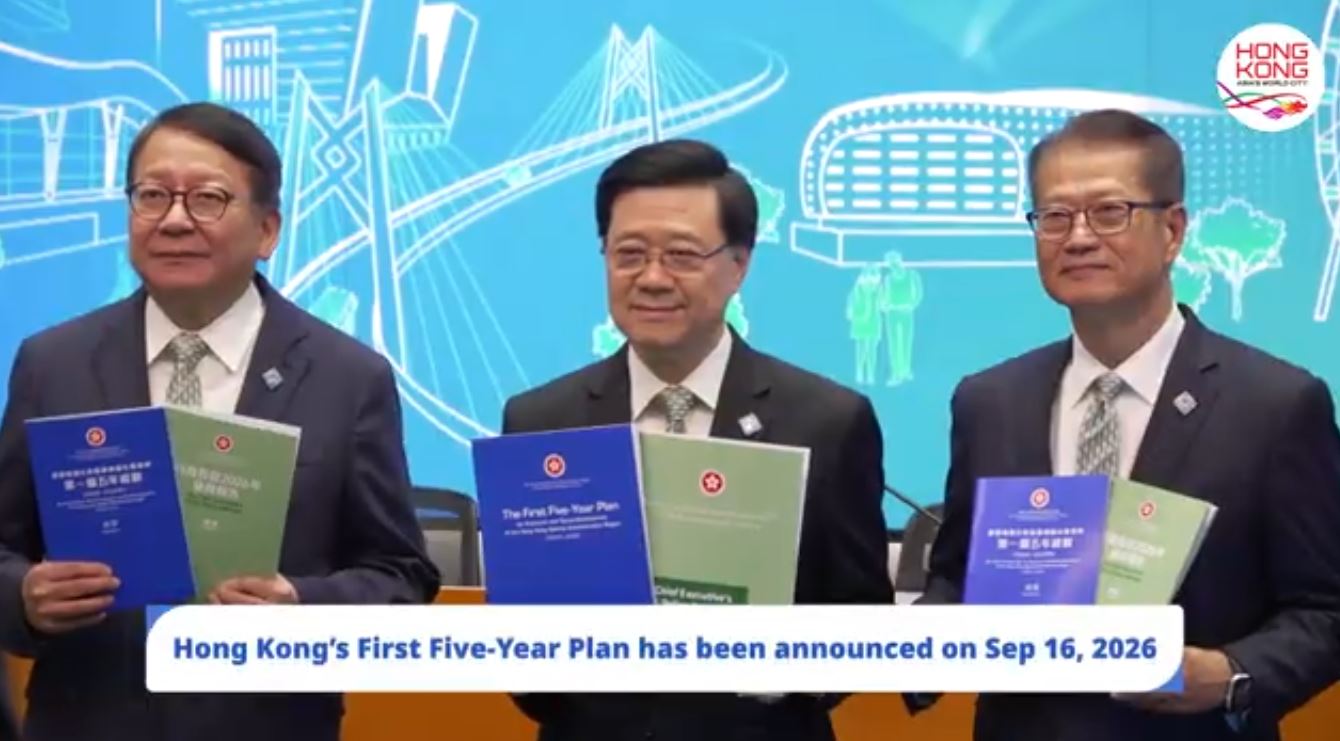
Hong Kong outlines strategies for deepening development of the Guangdong-Hong Kong-Macao Greater Bay Area and enhancing green transformation

Business
Alamein Africa Forum to bring together key political and business leaders

-

 Business3 days ago
Afreximbank, Ghana Infrastructure Investment Fund (GIIF) and Ghana’s 24-Hour Economy Authority launch project preparation partnership to accelerate 24H+ projects
-

 Events3 days ago
Huawei Cloud Rolls Out Enterprise AI Products Across the Board, Building an Open Agentic Cloud
-
 Business2 days ago
Hong Kong sets out strategies to enhance the appeal and add value to the city’s tourism industry
-

 Business2 days ago
Former DAMAC Senior Vice President Paulo J. Cruz Appointed Founding CEO of African Collaboration Group (ACG) to Spearhead Sports and Entertainment District Development Across Africa
-

 Energy3 days ago
Deals, Drilling and New Entrants Define Angola Oil & Gas 2026
-

 Business2 days ago
Africa Makes its Case for a Bigger Role on the Global Stage
-

 Business3 days ago
Hong Kong sets out initiatives to secure long-term development of pillar industries
-
 Business2 days ago
South Africa’s water challenges are reshaping how businesses plan for resilience