

Business
Hilton to Triple its Presence in Africa to More Than 160 Hotels
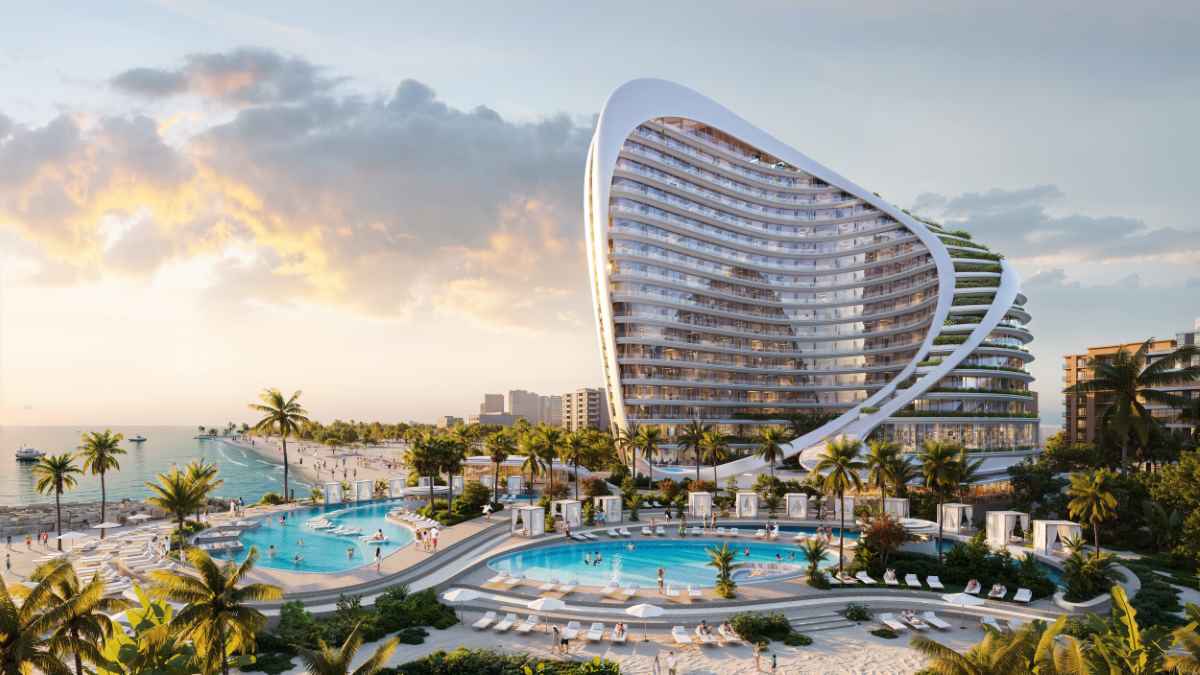
All hotels will be part of Hilton Honors, Hilton’s award-winning loyalty programme with over 218 million members globally
- Hilton expects to open more than 100 hotels in the coming years in markets including Ghana, Benin, Nigeria, Angola and Madagascar
- Most recent hotel openings include Canopy by Hilton Cape Town Longkloof, Hampton by Hilton Sandton Grayston and DoubleTree by Hilton Addis Ababa Airport
- Hilton to make its Ghana debut later this year with the opening of Hilton Accra Cantonments
- Hilton is currently hiring for 600 new hospitality jobs in Africa and expects to create 18,000 new positions as it expands its portfolio.
Coinciding with Future Hospitality Summit Africa 2025, Hilton (NYSE: HLT) today announced plans to almost triple its presence in Africa to more than 160 hotels trading in the coming years. Across its portfolio of market-leading brands, Hilton expects to open more than 100 hotels on the continent, supporting Africa’s burgeoning hospitality sector and creating approximately 18,000 jobs for local people.
Carlos Khneisser, chief development officer, Middle East & Africa, Hilton, said, “We are thrilled to announce several new hotel agreements which significantly expand our footprint in Africa, a continent brimming with potential and opportunity. Our development strategy underscores our commitment to supporting Africa’s hospitality sector as we partner with owners to grow our footprint, deliver exceptional stays for our customers and create jobs for local people. Africa offers incredible opportunity, from thriving business hubs to vibrant cultures, wildlife, and natural landscapes. We are excited to unveil a host of new destinations building on Hilton’s legacy of hospitality across Africa for over 65 years.”
Hilton Debuts in Angola
Hilton has made its Angolan debut with the signing of three properties – two in the capital city of Luanda under its flagship Hilton Hotels & Resorts brand and affordable and upscale Hilton Garden Inn brand, as well as one in Cabinda with a property under its award-winning DoubleTree by Hilton brand.
Hilton Luanda Hotel Godinho
Hilton has signed Hilton Luanda Hotel Godinho in partnership with Servicab S.A. The hotel is expected to open in 2027 and will feature 220 guest rooms and suites. Stretched along an 11,250-square-metre beachfront with unobstructed views of the ocean, the property will feature multiple dining options and over 1,000 square metres of event space.
Hilton Garden Inn Luanda Airport
Hilton has signed Hilton Garden Inn Luanda Airport in partnership with Crestigo. Set to open in 2028, Hilton Garden Inn Luanda Airport will feature 200 guest rooms, an all-day dining restaurant and terrace, flexible meeting rooms, a fitness centre, a pool, and a rooftop bar. The hotel’s proximity to Antonio Agostinho Neto International Airport and corporate business hubs makes it an ideal choice for business travellers.
DoubleTree by Hilton Cabinda Futila Residences
Hilton has also signed an agreement with Prodoil S.A. to debut its DoubleTree by Hilton brand in Angola. The property is expected to open in 2026 and will provide 290 contemporary apartments, including studio rooms, two and three-bedroom suites, as well as 10 three-bedroom oceanfront villas. It will also feature a restaurant, a swimming pool, and a natural lake.
Additional Hilton Market Debuts
Hilton Cotonou
In Benin, Hilton has signed an agreement to open Hilton Cotonou in partnership with the Republic of Benin, through the Société de Développement Hôtelier du Bénin (SDHB). This landmark project marks Hilton’s official entry into the Beninese market.
Scheduled to open in 2028, Hilton Cotonou will be strategically located on the Boulevard de la Marina, next to the Congress Palace, key government offices, and several international embassies. The hotel will feature 233 contemporary guest rooms and suites, an all-day dining restaurant, a signature destination bar and terrace, a pool bar, a spa, an outdoor pool, and flexible meeting spaces designed for both business and social events.
The project is expected to generate several hundred direct and indirect jobs across hospitality and related sectors. It will also enhance Benin’s capacity to host international conferences and events, reinforcing the country’s ambition to become an African hub for business and high-end tourism.
Hilton & Hilton Garden Inn Antananarivo
Hilton has signed agreements to open two properties in Madagascar, marking Hilton’s re-entry into the country. Located in the heart of Madagascar’s capital and expected to open in 2028, Hilton Antananarivo will feature 170 guest rooms, multiple dining options, a ballroom, six meeting rooms, a fitness centre, spa and outdoor pool. Further South, Hilton Garden Inn Antananarivo will be part of a mixed-use development with retail and office spaces, making it ideal for business and leisure travellers. Set to open in 2027, the 120-guest room hotel will offer a restaurant, bar, flexible meeting rooms, a fitness centre, and an outdoor pool.
We are excited to unveil a host of new destinations building on Hilton’s legacy of hospitality across Africa for over 65 years
Hilton’s Nigeria Expansion
The Wave Hotel Abuja Jabi, Curio Collection by Hilton
Located in Jabi, one of the capital’s most popular districts, The Wave Hotel Abuja Jabi, Curio Collection by Hilton, will feature 93 stylishly appointed guest rooms, upscale dining venues, an outdoor pool, and a wellness centre. Developed in partnership with The Wave Hotel Limited (OpCo), the hotel is set to open in 2026 and benefits from being a short 10-minute drive from Abuja’s Commercial Business District. Each hotel in Curio Collection is hand-picked to immerse guests in one-of-a-kind moments in the world’s most sought-after destinations, evoking a bespoke story through distinctive architecture and design, world-class food and beverage, and curated experiences.
Hilton Lagos Ikeja
Hilton has signed Hilton Lagos Ikeja in partnership with Cornfield Group. Located in Ikeja’s government and residential hub, the hotel is strategically situated near corporate and governmental offices and in proximity to the Murtala Muhammed International Airport. Slated to open in 2029, the hotel will feature 200 modern guest rooms and suites – and offers elevated dining options such as an all-day dining restaurant, a signature restaurant, a lobby bar, a pool bar & grill, and a destination bar. The hotel will also include a spacious ballroom, four meeting rooms, and a fully equipped fitness centre.
Hilton Garden Inn in Kano
Marking Kano’s first internationally branded hotel, Hilton Garden Inn in Kano is being developed in partnership with Akhim Plus Limited. The hotel will offer 100 guest rooms, flexible meeting rooms, an outdoor pool, and a fitness centre. Expected to open in 2029, the hotel’s location near key sites including the Government House, Emir’s Palace, National Museum, Kano Race Course, Kano Golf Club, and Meena Event Centre makes it an ideal choice for business and leisure travellers alike.
West Africa and East Africa
Hampton by Hilton Accra Airport
Hilton has signed Hampton by Hilton Accra Airport with Amani International Hospitality Limited – bringing Hampton by Hilton’s award-winning hospitality to Ghana’s Kotoka International Airport. Opening in 2026, Hampton by Hilton Accra Airport will include 170 guest rooms, a fully equipped fitness centre, an outdoor pool, and meeting spaces. The hotel will also offer a dynamic open-concept social space and a round-the-clock snacks shop. It will be a part of Airport Area Accra, a mixed-use development featuring malls and corporate offices.
In Ethiopia, Hilton recently announced agreements with Brighton Hotels and Business Plc. to open two properties – DoubleTree by Hilton Adama and DoubleTree by Hilton Dire Dawa (http://apo-opa.co/4lbtHv2) – marking the first internationally branded hotels in the cities. Opening in 2028, these hotels further reaffirm Hilton’s commitment to expanding its presence in Ethiopia, with plans to reach eight trading properties across the country in the coming years.
Hilton has also announced its Tanzanian re-entry with the signing of Canopy by Hilton Zanzibar The Burj (http://apo-opa.co/3ST8aeB), in partnership with CPS Live Limited. Expected to open in 2027, the lifestyle hotel will feature 162 inviting and sophisticated guest rooms and suites, elevated dining spaces, and a wide array of facilities. Located in the heart of Fumba Town and part of a mixed-use development, ‘BURJ Zanzibar,’ the property will offer unique experiences tailored to guests seeking authentic local experiences.
North Africa
Hilton continues to grow across North Africa, with plans to triple its portfolio in Egypt (http://apo-opa.co/4l58VNw) to more than 40 trading hotels across the country in the coming years. In Morocco, Hilton is set to more than double its portfolio (http://apo-opa.co/3G2a75u), with plans to bolster its luxury presence and introduce new brands. Hilton also recently signed a new DoubleTree by Hilton property in Fes, an ancient city whose medina is a UNESCO World Heritage Site.
DoubleTree by Hilton Fes Golf
In partnership with Le Clos de l’Atlas, Hilton is set to open DoubleTree by Hilton Fes Golf in 2028. The 109-guest room property will be located next to a golf course and will offer easy access to Fes’s many cultural attractions. The hotel will also be in close proximity to Fes’s industrial quarter and an upcoming convention centre, making it ideal for business travellers as well.
Recent & Upcoming Openings
In South Africa, Hilton recently opened Canopy by Hilton Cape Town Longkloof (http://apo-opa.co/4l4zrXe) in partnership with Growthpoint Properties, marking the lifestyle brand’s debut in South Africa. Located in the vibrant Longkloof precinct, the hotel features 154 spacious and modern guest rooms. Each hotel room reflects the country’s cultural richness through bold local art and design and colourful prints throughout its interiors. Ideally situated in Cape Town’s City Bowl, the property offers easy access to Table Mountain, Camps Bay, and the V&A Waterfront. Guests can also enjoy the hotel’s signature restaurant, Ongetem, led by renowned chef Bertus Basson, celebrating South African culinary heritage with bold, contemporary flair.
Hilton also recently opened DoubleTree by Hilton Addis Ababa Airport (http://apo-opa.co/44lFtgD) in Ethiopia. Located just minutes from Bole Addis Ababa International Airport, the property offers a complimentary airport shuttle, a rooftop restaurant, and proximity to the various events at Millenium Hall. Last year, Hilton opened the first Hampton by Hilton in Africa in South Africa with Hampton by Hilton Sandton Grayston (http://apo-opa.co/4lfuafR), bringing the brand’s friendly and authentic service to Johannesburg’s financial and shopping district.
Later this year, Hilton expects to open its first hotel in Ghana with Hilton Accra Cantonments in partnership with High Street Development Company. Located in Cantonments, an upscale suburb which is home to multiple embassies and high commissions, the hotel will feature 145 guest rooms and a range of dining options including an all-day dining restaurant, a lobby lounge and pool bar. The hotel will offer a gym, spa, and outdoor swimming pool, as well as more than 900 square metres of event space including a ballroom, seven meeting rooms and an executive boardroom.
Hilton currently operates 63 hotels in Africa, with more than 100 under development. All hotels will be part of Hilton Honors, Hilton’s award-winning loyalty programme with over 218 million members globally.









Business
SLB commissions new fluids systems plant in Pemba to support Mozambique’s offshore energy development

Business
South African Energy Storage Association (SAESA) welcomes 4,600 MW battery storage prioritisation and calls for integrated energy planning

Business
Afreximbank welcomes launch of Africa Credit Rating Agency as an important step in strengthening Africa’s financial architecture

-

 Business3 days ago
The Coca-Cola System and Water Sector Leaders Announce the South Africa Non-Revenue Water Mechanism to Support National Water Security Priorities
-

 Events4 days ago
HKCEC Hosted 25 New Exhibitions and Conferences, Successfully Hosts Multiple Hong Kong and Asian Debuts Set to Return Next Year
-

 Business3 days ago
Global advertising spend surges 11.9% to $1.34trn this year despite consumer caution
-
 Events4 days ago
Global Youth Powerhouse Summit 2026 Concludes Successfully
-

 Business4 days ago
African Entrepreneurs Win $400,000 in Catalytic Funding to Scale High-Impact Startups
-

 Business3 days ago
Investors Back Platinum Credit Uganda: First Tranche Subscribed Nearly 2.5 Times
-

 Health4 days ago
Water constraints become a defining economic and infrastructure risk
-

 Business3 days ago
All Roads Lead to Namibia: The 7th Canada-Africa Business Conference Returns to Windhoek, 2–4 February 2027