Connect with us
Anglostratits

Business

Green Energy International Exports First Crude from New Onshore Terminal in Nigeria

Published

on

Green Energy International

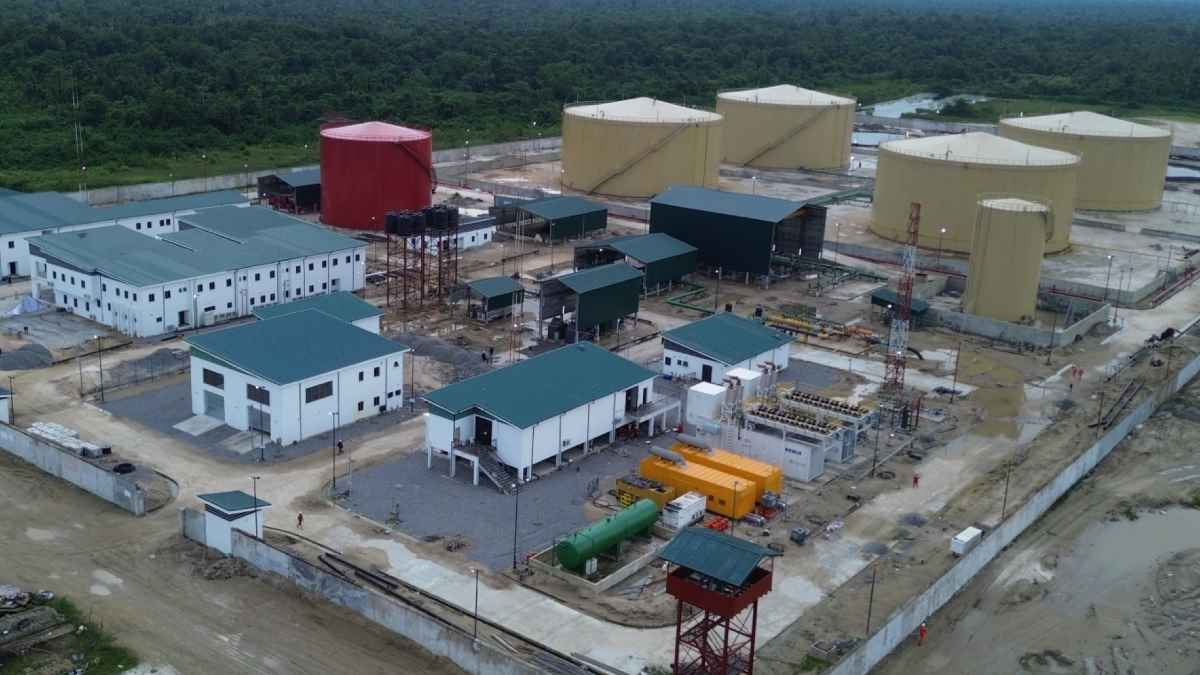
Nigerian energy company Green Energy International (GEIL) has completed the development of the Otakikpo onshore terminal, situated in OML 11 near Port Harcourt. In June 2025, the company lifted its first crude cargo from the newly-constructed facility – the first indigenous onshore terminal constructed in the country in five decades – signaling the start of operations at the terminal.

The African Energy Chamber (AEC) – the voice of the African energy sector – commends GEIL for the development of the onshore terminal. The AEC believes that facilities such as this will play an instrumental part in supporting marginal field production by facilitating crude exports and increasing revenue generation in Nigeria. As the country strives to produce two million barrels per day (bpd), projects of this nature will support new investments by providing a direct route from offshore fields to market.

The facility will play an instrumental part in supporting the country’s crude production goals

The Otakikpo terminal was developed in two years – six months ahead of schedule. The company broke ground on the construction of the facility in February 2023, with the development of storage facilities and the associated pipeline advancing in February 2024. Construction works continued to progress through May 2024, with associated infrastructure at the terminal – including offices and pump facilities – progressing in December 2024. By March 2025, the facility began injecting crude, with GEIL’s production averaging 5,000 bpd. GEIL has since received regulatory approval from the government to boost production to 30,000 bpd under a revised field development plan. In June 2025, the facility received its first cargo via a vessel chartered by energy major Shell. The maiden cargo transported crude from the Otakikpo marginal field – located in Rivers State and operated by GEIL – to the terminal, kickstarting a new era of efficient crude distribution in Nigeria.

The terminal itself is a state-of-the-art facility with a storage capacity of 750,000 barrels. Plans are underway to increase storage capacity to three million barrels – dependent on market demands. The terminal is designed with an export capacity of 360,000 bpd, with crude transported via a 23-km, 20-inch pipeline connected to a single point mooring system in the Atlantic Ocean. At the site, tankers – such as Aframax chartered by Shell – can dock and load. The terminal is expected to significantly reduce operating costs for marginal fields in OML 11, primarily through cost-effective transportation. Prior to the construction of the onshore terminal, GEIL relied on barges to transport crude. However, with the terminal, the company stands to reduce the reliance on costly offshore floating stations, reducing overall operational costs by 40%.

For Nigeria’s marginal fields, the terminal opens new doors for greater operational efficiency. The terminal is expected to unlock previously-stranded crude from more than 40 marginal fields across the region, with a capacity to receive up to 250,000 bpd from third-party producers. The government has long-sought to revive crude production through the development of marginal fields. A marginal field bidding round was launched in 2020 to entice indigenous operators to invest in marginal field opportunities, drawing in 591 companies seeking to develop 57 oilfields. Ultimately, 161 companies were shortlisted, most of which represented indigenous operators. Improved fiscals introduced through Nigeria’s Petroleum Industry Act in 2021 further enticed investments by both international and regional players. Looking ahead, these foundations have seen a rise in marginal field production, with the GEIL-developed onshore terminal set to further support investments and exports.

“GEIL is not only setting a strong benchmark for other independent operators in Nigeria but serves as a testament to the central role indigenous energy companies play in the country’s oil and gas sector. By establishing a domestic solution to producing, storing and exporting crude, GEIL is supporting marginal field production while laying the foundation for most efficient oil operations. The facility will play an instrumental part in supporting the country’s crude production goals,” states NJ Ayuk, Executive Chairman of the AEC.

Distributed by APO Group on behalf of African Energy Chamber

Home  Facebook

Events

Beyond the carbon credit: Who sets the terms for Africa’s carbon markets?

Published

on

From project ownership and verification to pricing and benefit-sharing, CMAS 2026 will bring African market leaders and global decision-makers together to examine who creates and captures value

KIGALI, Rwanda, September 22, 2026/APO Group/ –A carbon credit may be traded as a single unit, but its value is shaped long before it reaches a buyer. Decisions about project ownership, finance, data, verification and benefit-sharing determine who participates, who carries the risk and who ultimately benefits. As new regulations and international partnerships expand market access, these questions are becoming increasingly important across Africa.


They will be central to the Carbon Markets Africa Summit (CMAS) 2026, taking place from 13 to 15 October at the Kigali Convention Centre in Rwanda. The summit will convene African governments, project developers, investors, buyers and technical experts involved in decisions across the carbon-market value chain.

Countries are approaching these decisions from different regulatory, economic and environmental positions. While recent developments in East Africa demonstrate growing market activity, questions concerning international requirements, technical capacity, investment and benefit-sharing are relevant across Africa.

Ousmane Fall SARR, Coordinator of the West African Alliance on Carbon Markets and Climate Finance, says:

“African countries are developing carbon markets from different starting points. Stronger African expertise and regional cooperation will be important if the continent is to contribute to the standards and market practices that determine how its projects compete, attract investment and create value.”

Against this continental backdrop, East Africa provides a timely example of how the market is developing. In January 2026, Rwanda and Singapore invited applications for carbon-credit projects under their bilateral Implementation Agreement, aligned with Article 6 of the Paris Agreement. Credits from authorised projects may be used by eligible Singapore-based carbon tax-liable companies to offset up to 5% of their taxable emissions, subject to both governments’ requirements.

African countries are developing carbon markets from different starting points

Across the continent, carbon market frameworks are rapidly taking shape. Kenya and Uganda are strengthening regulatory oversight, regional partnerships are helping governments build market capacity and infrastructure, and South Africa is advancing reforms to modernise its carbon-credit ecosystem and attract investment. Together, these developments are bringing greater focus to questions of authorisation, project ownership, verification, pricing and access to international buyers, while also raising expectations that carbon finance should deliver sustainable economic and development value beyond the credit itself.

Emmanuelle Nicholls, Portfolio Director for CMAS, says:

“A carbon credit may be the final product, but behind it are decisions about ownership, data, risk, pricing and who ultimately benefits. The conversations in Kigali will examine what credible participation looks like across the full carbon-market value chain.”

These decisions have consequences beyond individual transactions. Carbon finance is increasingly connected to conservation, agriculture, soil restoration, food security, clean energy and waste management. Its success will therefore also be judged by whether projects produce credible environmental outcomes and lasting benefits for African economies and communities.

A practical example comes from the Chinko Conservation Area in the Central African Republic, where revenue from the Chinko Carbon Project is channelled through a community fund that supports locally selected initiatives, including the expansion of a medical centre in Agoumar. At CMAS 2026, African Parks and Welthungerhilfe, both Bronze Sponsors, will share perspectives on how carbon finance can support conservation, climate resilience, food systems and community development, while highlighting broader questions around project governance, impact and the distribution of value.

From project-level impact to market-wide structures, these questions will underpin discussions at CMAS 2026. The programme will address government authorisation, buyer requirements, pricing and offtake, investment risk, early-stage finance, registries and African measurement, reporting and verification capacity. It will connect the question of who sets the terms with the practical requirements for building credible, investment-ready projects and transactions.

CMAS 2026 is hosted by the Ministry of Environment of Rwanda, with UNDP and the African Development Bank as host organisations, the Development Bank of Southern Africa as host partner and AUDA-NEPAD as strategic institutional partner.

Taking place ahead of COP31, CMAS will focus attention on the decisions behind every carbon credit and what they mean for African governments, projects, investors and communities.

Distributed by APO Group on behalf of VUKA Group.


Continue Reading

Business

Dangote Calls on Africa to Keep its Capital at Home as Industrialization Takes Center Stage at Unstoppable Africa

Published

on

Africa

African business leaders call for a bigger share of the continent’s growth, with investment and local value creation high on the agenda

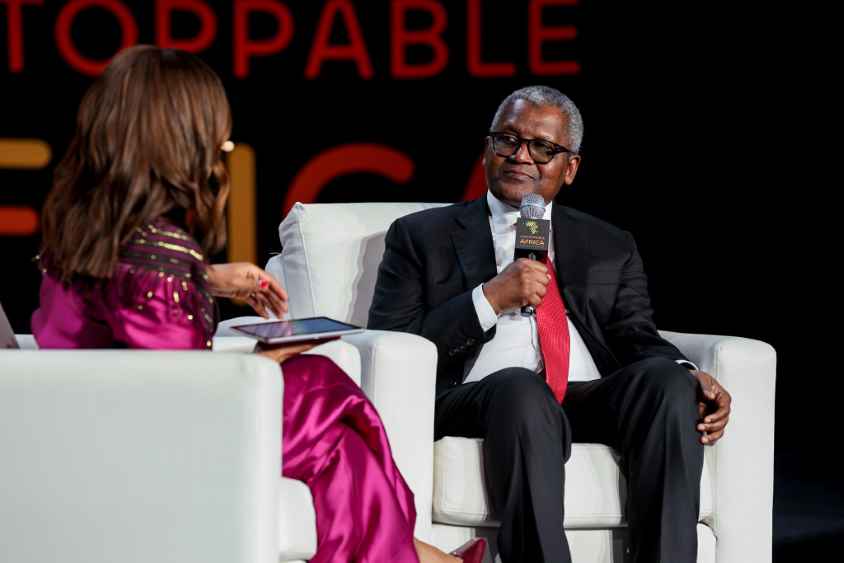
NEW YORK, United States of America, September 22, 2026/APO Group/ –Africa must stop sending its capital abroad and start investing in its own industrial future, Aliko Dangote, President and CEO of Dangote Group, told global business leaders at Unstoppable Africa 2026 today, as he set out an ambitious vision for African industrialization backed by billions of dollars in investment, new refining capacity, and broader public ownership.


Pointing to Asia’s economic rise, he argued that Africa cannot build comparable industrial strength while its own money continues to flow into foreign banks and markets. Emphasizing the importance of the African Continental Free Trade Area (AfCFTA) in creating the scale required for major industrial projects, he noted, “We must believe in our continent,” urging businesses to stay focused despite the challenges involved in building major organizations in Africa. “Once you start, it gets easier. But the more you don’t do anything, it becomes difficult.”

With more than 3,000 African and global business leaders and heads of state gathered for the two-day forum in New York, Unstoppable Africa 2026 demonstrated the scale of global interest in Africa’s economic opportunities and the appetite for stronger commercial partnerships with the continent.

Another notable highlight was the South African Business Initiative for Impact (SABII), which brought South Africa’s business, investment, and partnership proposition into sharper focus. Discussions explored how local opportunities can connect with global capital and translate into tangible economic impact.

Eine Zeidane, Director of the African Department at the International Monetary Fund, highlighted the importance of structural reforms, stronger domestic financial markets, and wider African markets through AfCFTA in attracting private investment.

The discussions also turned to the continent’s rapidly expanding digital economy. Olugbenga Agboola, CEO of Flutterwave, highlighted the opportunity presented by Africa’s young and increasingly connected population, pointing to digital payments, AI, and other technologies that can help businesses access markets and grow.

We must believe in our continent

Elly Savatia, Founder and CEO of Signverse, highlighted technology’s potential to expand inclusion through African sign languages. With U$2 million in Google funding, Signverse has developed the largest publicly documented dataset for an African sign language to date and is building a framework that can expand to multiple local sign languages.

In the sporting arena, H.E. Ndemupelila Netumbo Nandi-Ndaitwah, President of Namibia, signed a partnership agreement between the Netumbo Nandi-Ndaitwah Foundation (NNN Foundation) and the Queens of the Continent Foundation (QoTC), founded by two-time WNBA All-Star and ESPN host Chiney Ogwumike. The landmark partnership will explore opportunities to support the empowerment and development of young people in Namibia, with a particular focus on girls and young women.

African creative industries take their place on the global stage

The creative economy was another major focus, with speakers highlighting the growing ability of African brands, filmmakers, and technology innovators to build global audiences and markets.

Khanyi Mashimbiye, Manager, Creatives at Afreximbank, highlighted the Afreximbank CANEX program, which connects African fashion brands with international buyers through Tranoï in Paris and Japan and Coterie in New York. Since 2022, the initiative has secured more than 120 offtake agreements, with Zimbabwean brand Vanu Vanwerk now selling in more than 50 stores globally.

Closing the forum, UN Deputy Secretary-General, Amina J. Mohammed said, “We are entering a new age of technology and AI that will fundamentally shape the future, and Africa has a tremendous opportunity to leapfrog. Just as industrialisation transformed economies and created new forms of work, AI can open new pathways for growth, innovation and opportunity. Africa has the talent and the ideas. What we need is the opportunity, infrastructure and investment to deploy them at scale. This is a moment for Africa to shape its own AI story, combining the continent’s talent with the technology and infrastructure needed to build the future.”

As the conversations concluded, the focus turned to the practical work ahead: translating Africa’s investment momentum into initiatives that can deliver growth, jobs, and lasting economic value.

For event photos, visit HERE (https://apo-opa.co/3TJQpSP). For speakers’ video soundbites and highlights, visit HERE (https://apo-opa.co/477SpHE). The entire event can be viewed on Unstoppable Africa YouTube channel (https://apo-opa.co/4xE0FKs).

For more about GABI please visit the website GABI.UNGlobalCompact.org

Distributed by APO Group on behalf of Global Africa Business Initiative.


Continue Reading

Business

Frasers Hospitality unveils Fraser Suites Reserve, a new luxury serviced living brand

Published

on

Fraser Suites

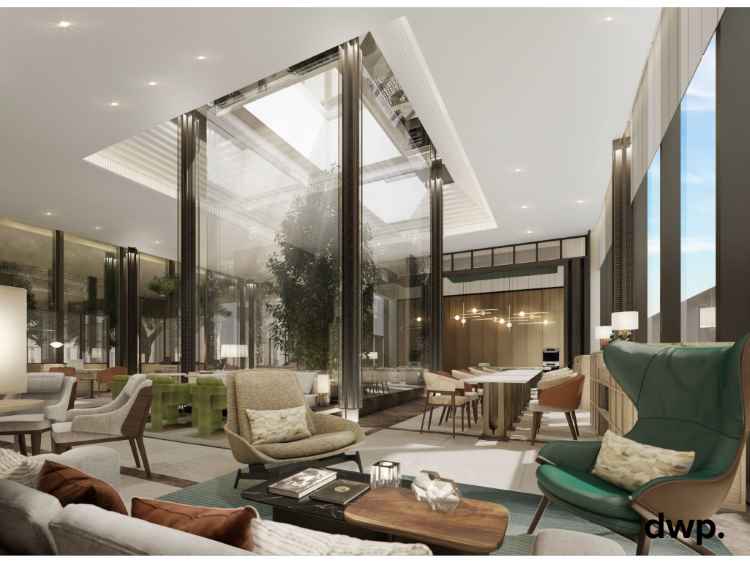
Fraser Suites Reserve Bangkok starts welcoming guests at One Bangkok in December 2026
SINGAPORE – Media OutReach Newswire – 22 September 2026 – Frasers Hospitality, a business unit of Frasers Property, today announced Fraser Suites Reserve, a new luxury serviced living brand created for discerning global travellers seeking the privacy, ease and familiarity of home while away, complemented by the service and standards of luxury hospitality.

Building on Frasers Hospitality’s longstanding expertise and established track record in extended stays, Fraser Suites Reserve addresses a distinct segment at the luxury end of the market. Its introduction further sharpens the company’s portfolio of clearly differentiated brands.


“Fraser Suites Reserve represents the next strategic step in strengthening our portfolio,” said Eu Chin Fen, Chief Executive Officer, Frasers Hospitality. “It draws on our experience in long stays, while responding to the evolving expectations of an increasingly sophisticated segment of travellers accustomed to the world’s finest hospitality.”

Time for what matters

Fraser Suites Reserve is anchored in the belief that time is the ultimate luxury for today’s global professionals. Each property brings together refined design, intuitive service, curated wellness and lifestyle experiences intended to make life away from home easier, leaving guests free to focus on what matters most, whether their work, wellbeing, relationships or personal pursuits.

Designed as private sanctuaries within the city, its rooms are designed to offer privacy and calm. Many feature integrated kitchenettes, allowing guests to maintain familiar routines of home while away, an independence that becomes particularly valuable during longer stays. The experience is complemented by the discreet yet highly personalised service of luxury hospitality.

Beyond the rooms, guests can enjoy distinctive dining concepts, wellness and leisure experiences on property, as well as Club Frasers, a private lounge designed for conversation, connection and curated experiences.

“For guests accustomed to the highest standards, luxury service gives the assurance that every detail has been carefully thought through and every need understood,” said Chew Hang Song, Chief Operating Officer, Frasers Hospitality. “With Fraser Suites Reserve, this means providing an experience that feels immediately familiar and deeply human, supported by service that is warm and intuitive, yet respectful of their privacy.”

Wellbeing, made part of everyday

Holistic wellbeing is integrated into the Fraser Suites Reserve experience. At Fraser Suites Reserve Bangkok, the House of Rejuvenation will offer a dedicated environment for recovery and renewal, pairing therapist-led treatments with advanced wellness facilities such as thermal pools, cold plunges, compression therapy, dry flotation and red-light therapy.

Guests will also have access to The Wellness Edit, Frasers Hospitality’s proprietary global wellness programme. Through simple, repeatable everyday rituals that can be incorporated naturally into a guest’s stay, the programme is designed to integrate wellbeing with simple gestures, making wellbeing easier to sustain even amid demanding schedules and frequent travel.

Global debut at One Bangkok

Fraser Suites Reserve Bangkok, the brand’s first property, will begin welcoming guests in December 2026 as part of a phased opening. Its grand opening is planned for March 2027 when the complete range of facilities and experiences will be available.

The 255-room property will occupy the top ten floors of a 45-storey premium office and retail tower at One Bangkok, located right in the heart of Bangkok at the intersection of Rama IV Road and Wireless Road, with panoramic views of the Bangkok skyline and Chao Phraya River with easy access to Bangkok’s dining, entertainment and cultural attractions. Further details to be announced in the coming months.

Find out more about Fraser Suites Reserve at frasershospitality.com/en/our-brands/fraser-suites-reserve/

NOTE:
For more information, please visit www.frasershospitality.com.

About Frasers Hospitality
Frasers Hospitality is a leading investor-operator within the lodging sector, backed by 28 years of proven expertise. Frasers Hospitality specialises in optimising and managing hospitality assets to deliver sustainable value for its stakeholders. As a business unit of Frasers Property Limited, its presence spans Asia Pacific, Europe, the Middle East and Africa.

With a diversified portfolio of over 100 lodging assets across geographies and segments, Frasers Hospitality offers a comprehensive end-to-end ecosystem of bespoke lodging expertise and solutions to maximise performance, value and growth for its partners across the real estate value chain. Frasers Hospitality is a trusted expert and preferred partner within the lodging sector with a proven track record and a business model optimised to deliver value.

Frasers Hospitality is distinguished by its style of hospitality from their progressive mindset that fosters innovation and matched with an award-winning brand portfolio tailored to new ways of travelling, living and socialising. Recognised globally for our commitment to hospitality excellence, Frasers Hospitality has earned numerous industry accolades and awards, showcasing its leadership in delivering exemplary, quality services, and curating memorable, life-enriching experiences for its guests and residents – by people, for people.

For more information on Frasers Hospitality, please visit www.frasershospitality.com or follow us on LinkedIn.

About Frasers Property Limited
Frasers Property Limited (“Frasers Property” and together with its subsidiaries, the “Frasers Property Group” or the “Group”) is an integrated investor-developer-operator of real estate products and services. Listed on the Main Board of the Singapore Exchange Securities Trading Limited (“SGX-ST”) and headquartered in Singapore, the Group has total assets of approximately S$40.0 billion as at 31 March 2026.

Frasers Property operates across five asset classes: industrial & logistics, retail, commercial & business parks, residential and hospitality. Its businesses span Southeast Asia, Australia, Europe and China, and its well-established hospitality business owns and/or operates serviced apartments and hotels in 20 countries.

The Group is the sponsor of real estate investment trusts (“REITs”), Frasers Centrepoint Trust and Frasers Logistics & Commercial Trust, listed on the SGX-ST, as well as Frasers Property Thailand Industrial Freehold & Leasehold REIT and Golden Ventures Leasehold Real Estate Investment Trust, listed on the Stock Exchange of Thailand.

Guided by its purpose of inspiring experiences and creating places for good, the Group promotes an ESG framework that supports long-term value creation through focus areas such as transparent governance, sustainable finance, inclusive communities and reducing its carbon emissions. Frasers Property aims to deliver lasting shared value for its customers, people, investors and communities, while fostering a progressive, collaborative and respectful culture.

For more information on Frasers Property, please visit frasersproperty.com or follow us on LinkedIn.



Continue Reading

Trending