

Business
Funds needed to bolster tourism recovery in Malawi
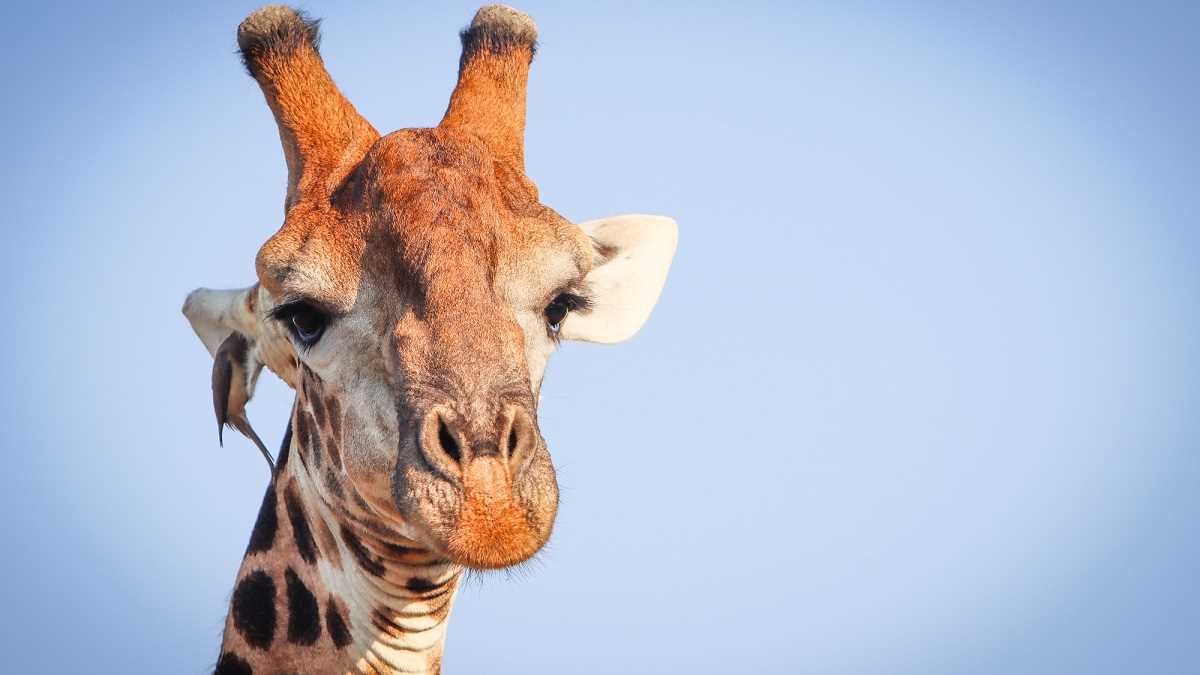
With tourists slow to return, Malawi looks to complementary alternatives to tide tourism-reliant communities over, including soft loans, business capacity development, and agricultural enrichment projects
DURBAN, South Africa, July 5, 2022/APO Group/ —
“People who live around Kasungu National Park depend on tourism and agriculture. The onset of the COVID-19 pandemic killed tourism and disrupted rural markets. It was a tragedy for many local people.”
These observations on the effects of the pandemic around Kasungu National Park in Malawi by Malidadi Langa, the chair of the Kasungu Wildlife Conservation for Community Development Association (KAWICCODA), were mirrored elsewhere in the country and on the African continent as travel restrictions to prevent the spread of COVID-19 disrupted local and international tourism and trade in 2020 and 2021
“Even before COVID-19, tourism wasn’t a silver bullet for poverty reduction. It’s not like these communities were suddenly wealthy from tourism. Many were already struggling,” said Langa, explaining that the small-scale operators participating in the tourism value chain before the pandemic didn’t have the savings to weather the effects of prolonged business interruptions.
“The impact was widespread. People who sell curios, supply produce, and work in lodges suddenly had no income, sometimes not even to buy food for that day. There were tour guides who had to become fishermen. Men and women were cutting trees for charcoal. People were desperate,” said Brighten Ndawala from the Mangochi–Salima Lake Park Association (MASALAPA). The association helps manage the sharing of revenues generated by Lake Malawi National Park with communities living within the park boundaries.
“Eating our assets”
Franciwell Phiri, Managing Director at Small Steps Adventure Tours in Malawi, said, “We almost collapsed as a business. From 10 staff, we were left with three guides who were only paid from activity to activity.” His company also relied heavily on local freelance guides around Malawi, whom they trained and paid per tour “so that they could earn a living from the attractions they and their communities help protect. And wherever we went, we supported the communities by buying their food and produce. We also offered home stays in villages, where guests participate in life as it happens, and communities – especially women – can earn much-needed revenues.”
The travel company struggled with refunds and paying back deposits for cancellations, with Phiri describing borrowing money in Malawi as “impossible” given high-interest rates. “We were eating our assets. We sold and lost things like our own vehicles that we’d worked to pay off over the last 10 years. The scars are deep, and it will take a long time to heal,” said Phiri, who stayed afloat by offering special rates to local travellers and using his knowledge of Malawi’s rich cultural heritage to give presentations and lectures to businesses to bring in small amounts of money.
“We need to get equipment back so we can compete in the market again. Our only hope is for organisations that want to support SMEs. We are happy to pay back loans. We just need favourable terms,” said Phiri.
COVID-19 impacts
In the decade before 2020, international tourism to Malawi was steadily increasing. In 2019, the total contribution of the travel and tourism sector to the country’s GDP was 6.7%, and the sector provided close to 516,200 jobs. But when COVID-19 hit in 2020, tourism’s total contribution to the GDP dropped to 3.2%, with a loss of 167,000 jobs in the travel and tourism sector.
“This is massive. A third of the country’s jobs in this sector were lost, affecting over half a million people who rely on tourism to meet their daily needs,” said WWF’s Nikhil Advani. He is the project manager for the Africa Nature-Based Tourism Platform (www.NatureBasedTourism.Africa), which interviewed 50 tourism-related enterprises in Malawi in the months following the pandemic’s start. According to the data collected (https://bit.ly/3NI2ijk), none could sustain operations at pre-pandemic levels without urgent funds. “Most stated that they would prefer these funds in the form of soft loans or grants, but the preference for the form of financial support was secondary to how urgently it was required,” noted Advani.
The African Nature-Based Tourism Platform
Launched in 2021 with $1.9 million from the Global Environment Facility (GEF), the platform is working with local partners in Malawi and 10 other countries to mobilise at least US$15 million in funding to support the most vulnerable COVID-19 affected communities living in and around protected areas and involved in nature-based tourism. KAWICCODA is the African Nature-Based platform’s partner in Malawi, a country with many natural attractions, like Lake Malawi, national parks, and cultural and historical attractions.
“After completing the data collection phase, the African Nature-Based Tourism Platform also supported KAWICCODA to prepare and submit a funding proposal to the BIOPAMA Medium Grants Facility for an Alternative Livelihoods Project as a direct response to the COVID-19 related collapse of tourism around Kasungu National Park. Whether KAWICCODA is awarded the grant or not, the proposal development process itself was a rare and important learning experience for which KAWICCODA remains grateful to the Platform,” said Langa.
A slow recovery
African Nature-Based Tourism Platform also supported KAWICCODA to prepare and submit a funding proposal to the BIOPAMA Medium Grants Facility for an Alternative Livelihoods Project
Although Malawi lifted most travel restrictions – as from 1 June 2022, travellers can enter Malawi with either a vaccination certificate or a negative PCR test – travellers have been slow to return, says Ndwala, who estimates that recent arrivals to Lake Malawi National Park are still at least 80% lower than pre-pandemic.
“I think the big learning point is that most people involved in tourism depended 100% on tourism, and the possibility of it collapsing was not considered, so people were unprepared. Tourism-reliant communities need help making their operations more robust and establishing alternative businesses that can complement tourism. It’s not just about the money. It’s about planning and financial management skills,” said Ndawala.
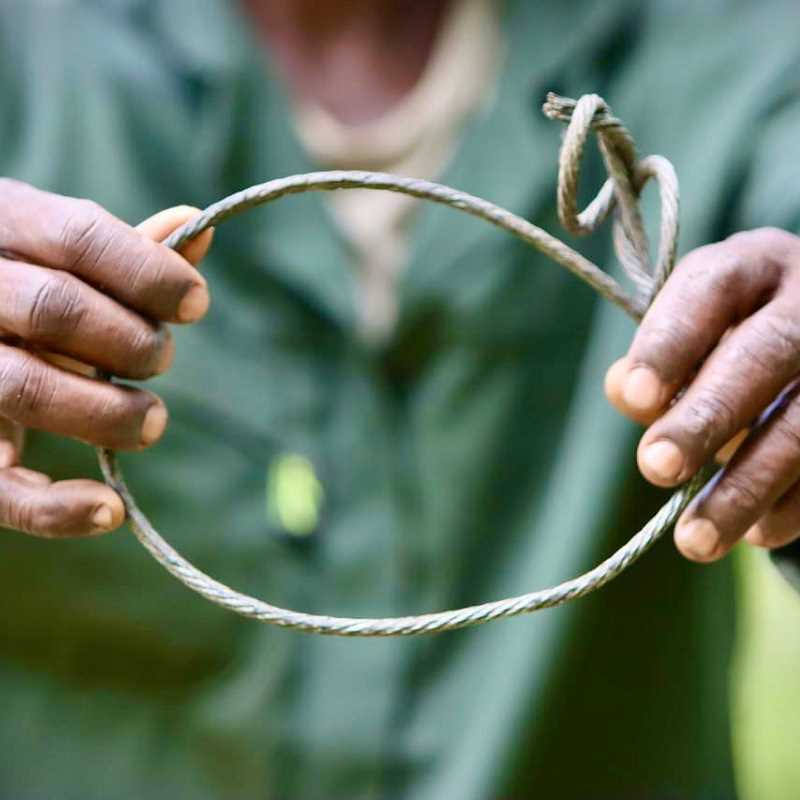
Nearly 50% of the land in Malawi is already used for agriculture. Still, these markets were also affected by the pandemic, and rural communities had few options to generate revenue to buy food and pay school fees. “Anecdotally, the pandemic did seem to worsen tension between the protected areas and the community. Encroachment and poaching were a natural reaction because people turned to nature to get something from which they could get money or food as soon as possible to survive,” he said.
Malawi is known for its charcoal production, which drives deforestation, as rural people produce bags of burnt wood to sell along the road to truckers to earn a living. And though the World Bank (https://bit.ly/3P2NzR4) provided US$86 million toward financial support for small and medium enterprises in Malawi in September 2020, those funds only served to alleviate immediate strains caused by the pandemic, and further support is now required (World Bank, 2020).
Staving off hunger
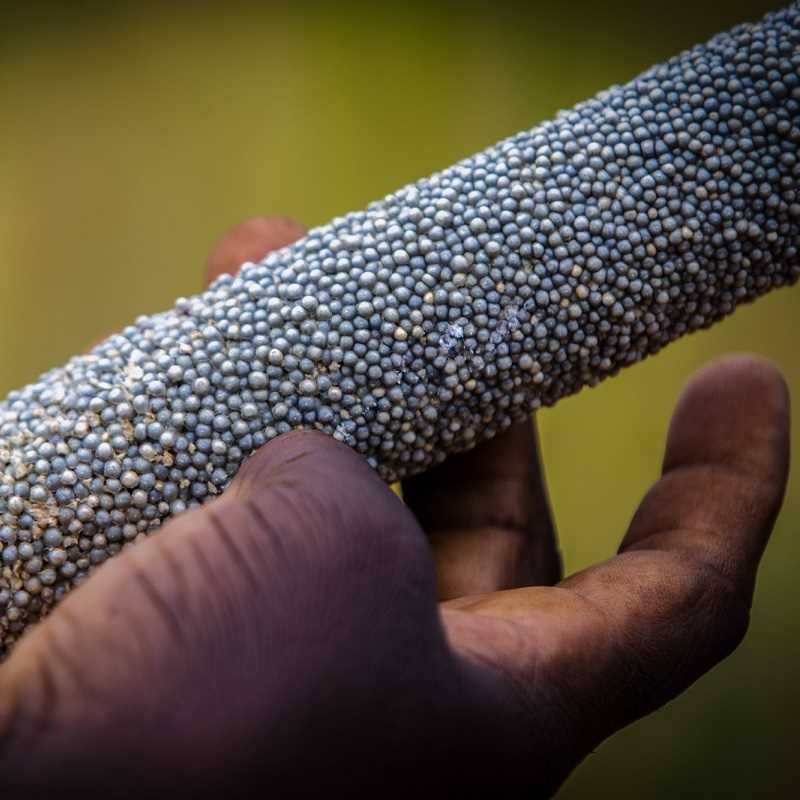
Of the 50 enterprises surveyed in Malawi, nearly every one indicated an interest in one or more food production methods as an alternative source of revenue to tourism. Most enterprises were interested in beekeeping, fruit juice production, and raising guinea fowl. A number also mentioned mushroom production and the sale of tree seedlings.
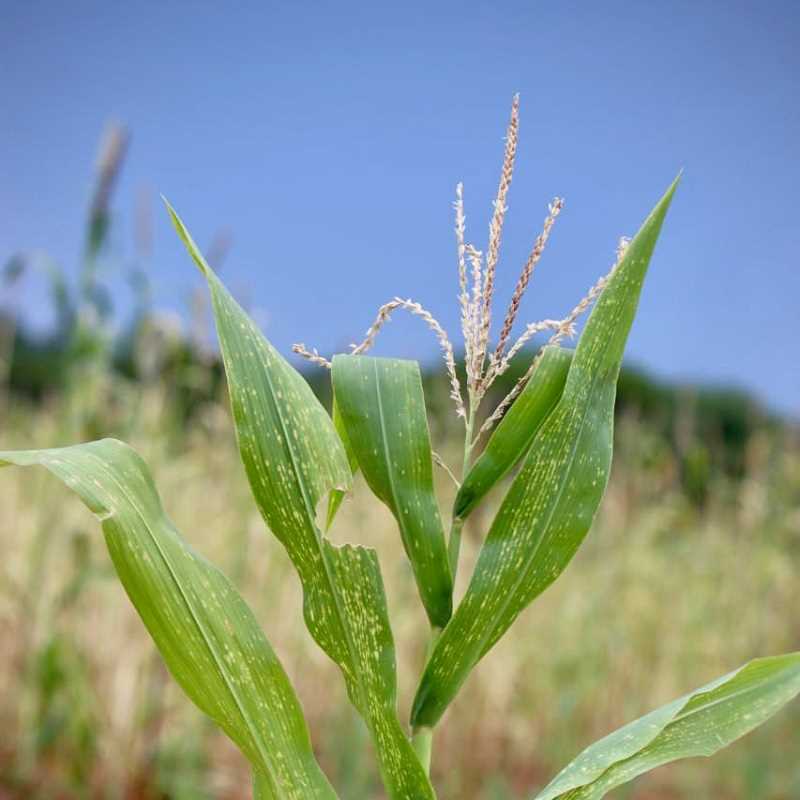
“These communities already do several things: farming maize, ground nuts and soya, and beekeeping. With assistance, they can be self-sustaining, says Ndawala, who believes they fall short because they “sell the raw crops and make very little. Adding value to these crops could make a real difference. Ground nuts could be made into peanut butter. Soya can produce milk.”
According to Matias Elisa, who worked as community extension manager for Kasungu National Park during the pandemic, climate change is also affecting agriculture-reliant communities who are forced to either poach or encroach on the park to survive. With starvation a real threat to people living in remote and rural areas, he believes recovery efforts should focus on helping people to stand on their own.
“What we’re trying to achieve with the African Nature-Based Tourism Platform is resilience to future shocks, be they from pandemics, or climate change or disasters of any nature,” says Advani, who hopes that funders will see the potential in supporting the most vulnerable in livelihoods that are also good for nature.
Empowering women
Women are especially vulnerable. According to a December 2021 World Bank publication on unlocking Malawi’s economic growth by bridging the widening gender gaps in the labour workforce, around 59% of employed women and 44% of employed men are working in agriculture, which is the largest employment sector in Malawi. Fields managed by men produce an average of 25% higher yields than those managed by women. And female wage workers earn 64 cents (512 Malawi kwacha) for every dollar (≈800 Malawi kwacha) earned by men.
A presentation by Jessica Kampanje-Phiri, (PhD), from Lilongwe University of Agriculture and Natural Resources, and Joyce Njoloma, (PhD), from World Agroforestry (ICRAF) in Malawi, emphasised the need to diversify women’s livelihood options. They were attending a side event at the NGO Forum of the Commission on the Status of Women (CSW66) 2022, about empowering women in the green economic recovery from COVID-19. They noted that the gender gap in agricultural productivity is due to women having unequal use of land, lower access to farm labour and inferior access to improved agricultural inputs and technology. And that despite “growing recognition of the differential vulnerabilities as well as the unique experiences and skills women and men bring to development and environmental sustainability efforts, women are still less able to cope with – and are more exposed to – the adverse effects of the changing climate and pandemics such as COVID-19.”
Rights-based recovery
The country’s National Wildlife Act ensures peoples’ rights to benefit from tourism and conservation; Langa believes that with the proper support, including aggressive advocacy from community organisations like KAWICCODA, Malawians – including women – will find ways for community-based natural resource management to better their lives. As Chairperson of the National CBNRM Forum, Langa represents Malawi Community Based Natural Resource Management associations in the Southern Africa Community Leaders Network (CLN), which advocates for community rights.
“The first step is to get local communities empowered and defend the gains we have made in conservation in our protected areas,” he said. This includes ensuring tourism revenues improve the well-being of local communities and promote local tourism in the domestic market while establishing complementary businesses that are nature-compatible. As well as revenue and benefit-sharing, there are other challenges around human-wildlife conflict, access to resources within the parks, and approaches to law enforcement that also need to be addressed.
“Throughout southern Africa, we now have a small window of opportunity for people to rethink their strategies and recapitalise their businesses. Thanks to initiatives like the African Nature-Based Tourism Platform, there is a feeling of hope that we can have something better than before with the right support. We shouldn’t squander that,” he says.
Distributed by APO Group on behalf of The African Nature Based Tourism Platform.








Business
SLB commissions new fluids systems plant in Pemba to support Mozambique’s offshore energy development

Business
South African Energy Storage Association (SAESA) welcomes 4,600 MW battery storage prioritisation and calls for integrated energy planning

Business
Afreximbank welcomes launch of Africa Credit Rating Agency as an important step in strengthening Africa’s financial architecture
-

 Business4 days ago
Huawei and Qualcomm Announce Broad Patent License Agreement
-

 Business4 days ago
Cautious optimism returns to agency-side strategy as influence with clients grows
-

 Energy4 days ago
Malawi, Kenya, Eswatini Bring State Ambitions to African Mining Week (AMW) 2026’s National Mining Companies Forum
-

 Business4 days ago
African Energy Chamber (AEC), Ground State Market Solutions Sign Memorandum of Understanding (MoU) to Advance Canadian LNG, LPG Supply to Africa
-
Business4 days ago
Liberia Petroleum Regulatory Authority (LPRA) to Showcase Liberia’s 2026 Offshore Licensing Round in Cape Town
-

 Events4 days ago
“Future Resonance — ShanghaiEye Night” Brings Shanghai to Washington, Fosters People-to-People Exchange Across the Pacific
-
Business4 days ago
Africa’s Biggest Energy Movement Returns to Cape Town Next Week
-
Energy4 days ago
Kosmos Energy Chief Executive Officer (CEO) Andrew Inglis to Receive Mohammed S. Barkindo Lifetime Achievement Award at African Energy Week (AEW) 2026