Connect with us
Anglostratits

Business

For a successful integration, Africa needs an operating system update (By Amadou Hott)
Published

on

physical infrastructure

Beyond physical infrastructure, Africa’s integration requires modern software upgrades: the systems, policies, and institutional frameworks that power trade across borders

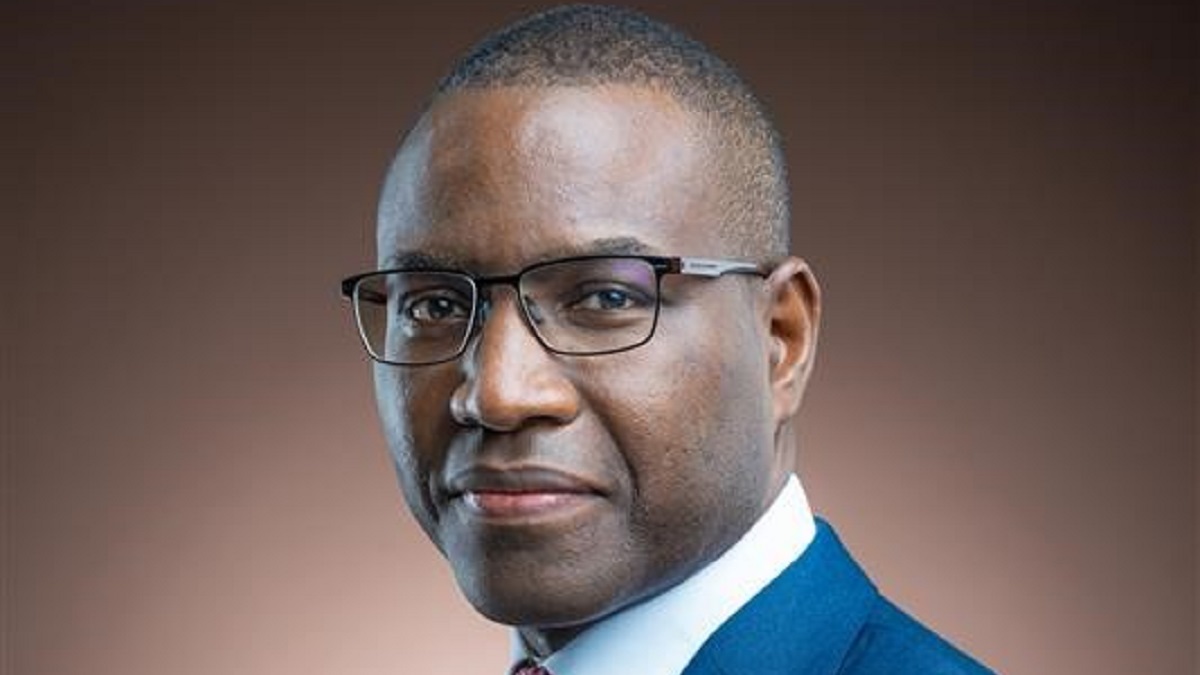
DAKAR, Senegal, February 19, 2025/APO Group/ —By Amadou Hott, Senegal’s official nominee for the position of President of the African Development Bank, Former Minister of Economy and planning, Senegal (www.AmadouHott.com).

Ask any traveler about their experience moving across parts of Africa, and you will likely hear about familiar challenges: high costs, indirect routes, and unpredictable schedules that can make even the simplest journeys more complicated and costly. These travel hurdles highlight the immense opportunity to further strengthen Africa’s integration and unlock seamless connectivity across the continent.

The potential is undeniable. According to the World Bank, the African Continental Free Trade Area (AfCFTA) stands to be the world’s largest free trade zone, encompassing 1.4 billion people and a combined GDP of 3.4 trillion USD. The African Development Bank projects that eliminating existing barriers could double intra-African trade within a decade from its current 15%; a figure that pales in comparison to Asia’s 60% and Europe’s 65%. Despite meaningful progress through the AfCFTA implementation led by regional economic communities, fulfilling this promise will require more efforts. Namely, Africa requires robust physical infrastructure and an operating system update to modernize institutional frameworks and encourage a new ecosystem of African-made goods and services.

Digital solutions are key to enhancing business operations across borders and reducing trade barriers

Africa’s integration challenge can be likened to building a cutting-edge computer system. Success first requires powerful hardware: the physical infrastructure forming the backbone. Currently, the continent faces an annual infrastructure financing gap between 130 and 170 billion USD to meet essential hardware requirements across transportation corridors, energy networks, and digital highways. While our international partners have historically played a crucial role In bridging this financing gap, the current geopolitical landscape demands a paradigm shift. Africa must take the lead in investing in its own hardware.

The key lies in mobilizing African public and private capital first to build confidence among international partners and investors. Substantial capital can be generated within the continent through sovereign wealth funds, pension funds, high-net-worth individuals, and other sources. Development finance institutions like the African Development Bank must also play a transformative role by leveraging their expertise and credit ratings to channel this locally sourced capital into Africa’s development. The Alliance for Green Infrastructure in Africa (AGIA), launched by the African Development Bank in partnership with Africa50 and the African Union, exemplifies this approach, mobilizing project preparation and project development blended capital to build a 10 billion USD portfolio of green infrastructure projects with private sector participation from Africa and around the world. Regional energy integration, as highlighted by Mission 300 launched recently in Tanzania, is equally important.

Beyond physical infrastructure, Africa’s integration requires modern software upgrades: the systems, policies, and institutional frameworks that power trade across borders. Digital solutions are key to enhancing business operations across borders and reducing trade barriers. While discussions often focus on physical infrastructure gaps, outdated manual processes frequently limit the effectiveness of existing assets. The Pan-African Payment and Settlement System (PAPSS) exemplifies this transformation, promising to save 5 billion USD annually by making cross-border payments simpler and more transparent. Moreover, pilot programs in East Africa have shown that applying blockchain technology to existing value chains could help reduce trade costs by 20%, enhance protection against fraud, and expand access to new markets for businesses across the continent.

As African leaders convene at the AU Summit in Addis, we are at a pivotal time that requires action : the finalization of the Protocol on Digital Trade under the AfCFTA is a first step towards the bold transformation that we must operate. We must pursue economic transformation through infrastructure development and technology integration in our trade operations to evolve from a raw material exporter into an industrial and agricultural powerhouse. Beyond manufacturing value-added goods and value creation, our ability to integrate essential services -financial services, transport and logistics, education, and healthcare- will facilitate seamless business operations across borders. By positioning economic transformation at the heart of our integration agenda, Africa can advance up the value chain to generate wealth and create quality economic opportunities for all Africans, particularly our youth and women.

With Africa’s youth population set to double by 2050, the urgency of this transformation cannot be overstated. By effectively mobilizing our own resources first, driving economic transformation, and building both the required software and hardware, we can successfully integrate Africa. This is Africa’s moment to move beyond being the world’s largest free trade area by membership to becoming its most dynamic and innovative economic powerhouse.

Distributed by APO Group on behalf of Amadou Hott, Candidate for the Presidency of the African Development Bank Group.

Business

Aurionpro expands its multi-country transaction banking engagement with Diamond Trust Bank (DTB)

Published

on

Aurionpro

Aurionpro’s upgraded iCashpro platform for DTB delivers a unified digital experience across payments, trade, virtual accounts, and real-time reporting, enhancing straight-through processing, visibility, and control for both the bank and its corporate customers

MUMBAI, India, April 30, 2026/APO Group/ –Aurionpro Solutions Limited (www.AurionPro.com) (BSE: 532668 | NSE: AURIONPRO)a global leader in banking technology, announced the expansion and upgrade of its transaction banking engagement with Diamond Trust Bank (DTB), to modernize and enhance the bank’s corporate transaction banking capabilities across multiple countries.

Download Document: https://apo-opa.co/4edHUaC

This multi-country transaction banking upgrade covering Kenya, Uganda, and Tanzania aligns with DTB’s intent to enhance customer experience, streamline operations, and support growing transaction volumes as it expands its regional corporate banking footprint. DTB continues to focus on building a more agile, ‘digital-first’ banking experience, particularly around payments for its corporate customers across Africa, and is now well positioned to scale these capabilities. As part of its broader transformation agenda, the bank has been steadily investing in platforms that enhance scale, reliability, and service consistency across markets.

Through this partnership, we are proud to lead the next era of transformation in transaction banking, helping DTB enhance operational agility

Aurionpro’s upgraded iCashpro platform for DTB delivers a unified digital experience across payments, trade, virtual accounts, and real-time reporting, enhancing straight-through processing, visibility, and control for both the bank and its corporate customers. By enabling DTB to standardize and scale its transaction banking operations across countries, the platform ensures consistent service levels, stronger control, and improved efficiency. It also supports enhanced user experience, advanced security, and the flexibility to introduce new features as DTB expands its regional transaction banking footprint.

Murali Natarajan (https://apo-opa.co/48trPdk), Managing Director & CEO, DTB Kenya   commented: “We are delighted to strengthen and broaden our partnership with Aurionpro Solutions as part of DTB’s ongoing digital transformation journey across multiple markets. Our focus on innovation, operational excellence, and customer-centricity continues to guide our technology investments. This upgrade strengthens our transaction banking capabilities, enabling us to deliver greater value to our customers through robust digital channels and seamlessly integrated experiences.”

Ashish Rai, Group CEO, Aurionpro Solutions, commented: “We are pleased to deepen our multi-country engagement with Diamond Trust Bank and support the next phase of its transaction banking modernization. As DTB continues to scale across markets, platform resilience and consistency become paramount. Through this partnership, we are proud to lead the next era of transformation in transaction banking, helping DTB enhance operational agility, deliver superior experiences to corporate customers, and create long-term value across geographies.”

He added, “Aurionpro’s iCashpro lays a strong digital foundation for transaction & wholesale banks across the globe to grow their corporate and SME client portfolio today, while creating a clear roadmap for next- generation capabilities in AI-driven insights, advanced automation and API-led connectivity for businesses in Kenya and across Africa.”

Distributed by APO Group on behalf of Aurionpro Solutions Ltd.


Continue Reading

Business

Minerals Council Chief Executive Officer (CEO) Joins African Mining Week (AMW) as South Africa Improves Sectorial Investment Climate

Published

on

Energy Capital

Minerals Council CEO to share insights on policy, infrastructure and investment trends shaping South Africa’s mining industry

CAPE TOWN, South Africa, April 30, 2026/APO Group/ –The upcoming African Mining Week (AMW) conference will feature Mzila Mthenjane, CEO of the Minerals Council of South Africa, as a speaker. Scheduled for October 14 – 16, 2026 in Cape Town, the event will bring together global investors, policymakers and industry leaders, with Mthenjane’s participation highlighting the council’s commitment to engaging international stakeholders and promoting investment across South Africa’s mining sector.

His participation comes at a critical moment as the Minerals Council works closely with government on finalizing the Mineral Resources Development Bill 2025, a policy framework aimed at strengthening the country’s mining investment climate and the sector’s contribution to GDP. According to the council, the revised legislation will support new investment across the value chain as South Africa seeks to mobilize R2 trillion over the next five years to unlock its critical minerals potential.

The policy reforms come amid shifting production trends in the sector. In 2025, South Africa recorded declines in gold and platinum group metals output of 1.9% and 4.1%, respectively. The new regulatory framework is expected to strengthen public-private partnerships and stimulate investment, enabling South Africa to increase production and capitalize on strong global commodity prices. Increased private sector investments is crucial with South Africa seeking targeting to unlock an estimated R40 trillion in untapped iron ore potential as well as maintain its position as the world’s leading producer of chrome and manganese.

At AMW 2026, Mthenjane is expected to outline these trends, providing insights into how the council is contributing to addressing challenges disrupting the sector. Infrastructure and energy costs remain key concerns for industry players. To support the energy-intensive sector, South Africa approved a 35% reduction in electricity tariffs for major ferrochrome producers, helping stabilize an industry that has faced significant cost pressures after electricity prices surged by roughly 900% since 2008.

Logistics constraints are also a priority area for reform. South Africa’s economy is losing an estimated R1 billion per day due to inefficiencies across rail and port infrastructure. As a result, the government is considering measures supported by the Minerals Council to increase private sector participation in logistics. Planned reforms include rail modernization initiatives targeting 250 million tons of freight capacity by 2029, alongside port upgrades and private operator participation aimed at strengthening mineral exports and improving supply chain efficiency.

Beyond infrastructure and policy reforms, the Minerals Council is advocating for stronger exploration investment to support long-term industry growth.

At AMW, Mthenjane is expected to highlight these developments and outline the steps required to reinforce South Africa’s position in the global minerals supply chain. His insights will offer investors and stakeholders a timely perspective on opportunities within the country’s mining sector.

Distributed by APO Group on behalf of Energy Capital & Power.

Continue Reading

Energy

Seychelles Targets Energy Investment Push as Minister Jérémie Joins African Energy Week (AEW) 2026 as a Speaker

Published

on

African Energy Chamber

Seychelles energy minister will speak at AEW 2026, positioning her to highlight reforms, renewable projects and investment opportunities as the island nation advances its transition toward a diversified energy system

CAPE TOWN, South Africa, April 29, 2026/APO Group/ –Marie-May Jérémie, Minister of Environment, Climate, Energy and Natural Resources for Seychelles will participate as a speaker at this year’s African Energy Week (AEW) 2026, taking place from October 12–16 in Cape Town. Her participation underscores the country’s growing role in shaping Africa’s small-island energy transition agenda.

Minister Jérémie’s presence at AEW 2026 comes at a critical time as Seychelles accelerates efforts to reduce its heavy reliance on imported fossil fuels. The event provides a platform to attract investment, strengthen policy alignment and showcase bankable projects, positioning the country as a viable destination for private-sector participation in island energy systems.

Seychelles is demonstrating how policy reform and innovation can unlock investment in constrained environments

In May last year, international finance institution the World Bank approved the Renewable Energy Acceleration Program, a seven-year initiative aimed at modernizing the grid and increasing renewable energy penetration to 15% by 2030. The program focuses on unlocking private capital while strengthening transmission infrastructure to accommodate variable renewable energy sources.

Project development is gaining traction in the country, particularly in innovative technologies suited to Seychelles’ land constraints. The 5.8 MW Seysun Lagoon floating solar PV project, developed by independent renewable power producer Qair, is under construction and expected online in 2026.

Alongside renewables, Seychelles continues to pursue upstream opportunities to diversify its economy. The government approved new exploration entrants in 2025 and extended exiting petroleum agreements, while securing an infrastructure partnership with China. Multilateral estimates suggest over $800 million in investment will be required over the next 25 years.

Regulatory reform is central to this transition, with Seychelles introducing an independent power producer framework to open the market to private developers. Standardized power purchase agreements, grid access reforms and strengthened public-private partnership structures are being implemented to improve transparency, reduce risk and accelerate project bankability across solar, storage and emerging wind opportunities.

“Minister Jérémie’s participation highlights the strategic importance of island nations in Africa’s broader energy transition,” says NJ Ayuk, Executive Chairman, African Energy Chamber. “Seychelles is demonstrating how policy reform and innovation can unlock investment in constrained environments. Her insights will be critical to advancing dialogue on resilient, low-carbon energy systems across the continent.”

Distributed by APO Group on behalf of African Energy Chamber.

Continue Reading

Trending