Connect with us
Anglostratits

Business

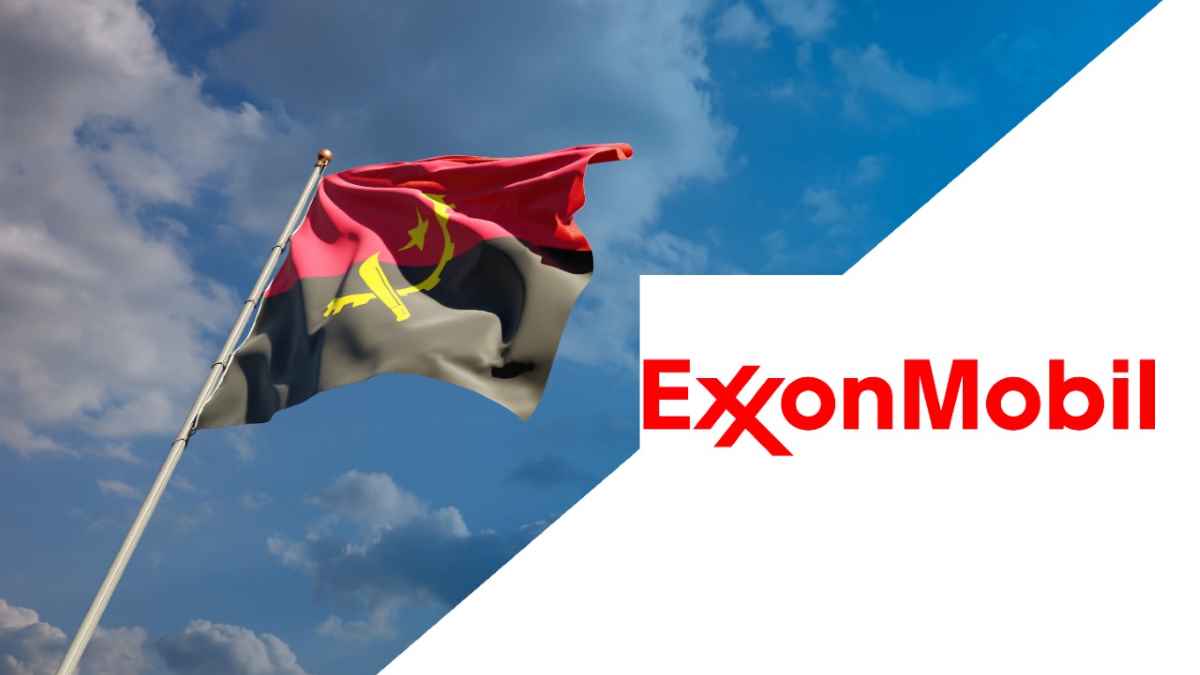
ExxonMobil’s Angolan Discovery: Another Beacon from Africa’s Prosperous Future

Published

on

ExxonMobil

The discovery, the company’s first in the region since 2003, lies approximately 365km to the northwest of Luanda’s coastline at a depth of 1,100m

JOHANNESBURG, South Africa, November 29, 2022/APO Group/ — 

By NJ Ayuk, Chairman, African Energy Chamber (www.EnergyChamber.org)

ExxonMobil’s recent discovery in Block 15 off Angola in the Bavuca South prospect adds further credence to the notion of Africa as a significant contender in future energy markets.

The discovery, the company’s first in the region since 2003, lies approximately 365km to the northwest of Luanda’s coastline at a depth of 1,100m and is expected to contribute to an eventual production capacity of 40,000 barrels of oil per day.

This find would not have been possible without a welcoming disposition to exploration and the agreeable conditions established by the government of Angola. The African Energy Chamber regards every outcome like this as a great success and another step closer to a prosperous future for Africa as a whole. However, our perspective is not shared by many who attended and spoke at COP27, the UN climate summit held this month in Egypt.

Voices of Opposition

South Africa-based climate activist Bhekumuzi Bhebhe, apprehensive of the environmental impact that African partnerships with international oil companies could lead to, led chants of “Don’t gas Africa” outside the event. Radical environmental group extinction rebellion,  Chloe Lebrand and their sponsors that don’t hire Africans with an Anti-African agenda have joined the chorus. 

Omar Elmaawi, an activist from Kenya who opposes the construction of the East African Crude Oil Pipeline, fears that government corruption would lead to the exploitation of African resources.

“My assessment has always been either our government leaders are really ignorant and stupid, or some of them have been compromised, and they are not working in the best interest of their people,” Elmaawi said.

Critics of African oil industry expansion suggest that investments should divert toward developing renewable energy for the continent instead.

German nonprofit Urgewald contributed to the 2022 Global Oil & Gas Exit List, an annual report that details the investment activities behind global oil and gas production. This year’s report revealed that despite their declared commitments to the UN’s Net Zero emissions goals, many financial institutions continue to back oil and gas companies, encouraging expansion for 96% of the industry.

Noted environmentalist Heffa Schuecking, executive director of Urgewald, spoke to journalists at COP27 on the difference between the stated intentions of the oil and gas industry and its real-world actions.

“We see new fossil fuel projects in 48 out of 55 African countries and these projects can be traced back to 200 companies,” Schuecking said. While the discussions are ongoing here at COP, we see a disconnect with what is happening in Egypt and in the rest of Africa. In Egypt alone, we have 55 companies prospecting for new gas discovery.”

Regarding Africa’s potential for renewable energy and the $5 billion currently at play in African oil and gas exploration, Schuecking said, “If we compare the investments going into the fossil side and going into the renewable side, it’s a huge gap. It’s enormous. We’re investing in the wrong place.”

The African Energy Chamber holds a differing view. We believe that these investments are targeting exactly the right place, at the right time, and we encourage more investors to follow suit.

My assessment has always been either our government leaders are really ignorant and stupid, or some of them have been compromised

An Overdue Reality Check

Climate protestors around the world have made headlines in recent months for blocking roadways, defacing buildings, and vandalizing priceless works of art while calling out for an end to oil. As they glue their hands – and even their heads – to gallery walls and showroom floors, they sport clothing, footwear, and accessories made from petroleum.

Some of these attention seekers have disrupted professional tennis matches, tangling themselves in the nets while demanding a cessation of airline travel or prophesizing environmental doom in the days ahead. One went so far as to set himself on fire, but none of them have offered any viable alternatives to fossil fuels.

Aside from their moments of questionable zealotry, these activists likely lead normal, modern lives in first-world nations that would be impossible if not for the incredible conveniences that oil and gas have delivered.

Despite the fact that fossil fuels deserve credit for enabling the technological revolution, massive improvements in quality of life across the globe, and the fastest population growth in human history, the dominant opinion shared by world leaders today is that we should stop using them as soon as possible.

While many of the COP27 discussions on timelines for ending global CO2 emissions often included improbable dates in 2050 or even 2030, one voice in the crowd offered a dose of realism.

In a statement given to UN News, Miriam Hinostroza, an environmental economist with the UN Environment Programme, laid out the stark truth of our current situation.

“Sometimes, a priority for countries is economic growth, which they only get from using fossil fuels – they are still cheap, the technologies are there, there are many power plants [and] they cannot [all of a sudden] just get rid of these plants. So, there is this issue on the stranded assets – what to do with all these investments, all these technologies,” Hinostroza said, suggesting that the idea of mandates banning fossil fuels within the next decade is “not a reality.”

A Handout or a Leg Up?

Considering that Africa is responsible for only 4.8% of global CO2 emissions but suffers under a disproportionate impact from climate change, the COP27 consensus is that Africa should leave its fossil fuel reserves in the ground and collect financial reparations from the nations fortunate enough to have already profited from their own petroleum resources.

Such pledges, however, often amount to no more than lip service. It has been two years since the Paris Agreement committed $100 billion per year to developing countries, but those promises remain unrealized.

As we watch China build more than half of the world’s new coal plants and Germany replace wind farms with coal mines, it becomes increasingly difficult to seriously consider the recommendations of the G20, given that they do not adhere to the practices they espouse.

Africa deserves to profit from the assets that lie in its soil and beneath its coastal waters, just as so many resource-rich nations already have. Rather than placing itself at the mercy of foreign aid that may never come, Africa must leverage its holdings to garner the greatest possible reward and wide-ranging advancements for its people.

Achieving the Right Balance

Exxon’s discovery in Angola serves as a case study on the correct course of action for African nations to follow. The generous tax incentives and red tape-slashing industry reforms put in place by Angolan leadership were significant enough to draw the U.S. oil giant’s focus away from South America for the first time in years. Furthermore, Angola’s plan to implement natural gas as a transitionary fuel while investing in solar energy projects and conducting green hydrogen and biofuel research will support an eventual conversion to renewables on a timeline that makes the most economic sense.

The idea that Africa’s oil and gas could remain untapped forever is a fantasy. The collection of our vast resources isn’t subject to debate. It is inevitable. International oil companies will continue to extract petroleum wherever it is available for as long as it is economically advantageous – a timeframe that will likely last decades. The only question is how to proceed. Will it be to our detriment, or will it be a net benefit?

The African Energy Chamber agrees that government corruption should be rooted out and barred from any seat at the negotiating table. We agree every measure should be taken to protect the African environment from harm, but addressing the issues of energy poverty and wealth inequality and ensuring a future where our children can flourish is of equal importance. By following the example Angola has set, welcoming exploration and pursuing mutually beneficial relationships with partners capable of erecting the needed infrastructure, we’ll find ourselves on the best path forward.

Distributed by APO Group on behalf of African Energy Chamber.

Business

Aurionpro expands its multi-country transaction banking engagement with Diamond Trust Bank (DTB)

Published

on

Aurionpro

Aurionpro’s upgraded iCashpro platform for DTB delivers a unified digital experience across payments, trade, virtual accounts, and real-time reporting, enhancing straight-through processing, visibility, and control for both the bank and its corporate customers

MUMBAI, India, April 30, 2026/APO Group/ –Aurionpro Solutions Limited (www.AurionPro.com) (BSE: 532668 | NSE: AURIONPRO)a global leader in banking technology, announced the expansion and upgrade of its transaction banking engagement with Diamond Trust Bank (DTB), to modernize and enhance the bank’s corporate transaction banking capabilities across multiple countries.

Download Document: https://apo-opa.co/4edHUaC

This multi-country transaction banking upgrade covering Kenya, Uganda, and Tanzania aligns with DTB’s intent to enhance customer experience, streamline operations, and support growing transaction volumes as it expands its regional corporate banking footprint. DTB continues to focus on building a more agile, ‘digital-first’ banking experience, particularly around payments for its corporate customers across Africa, and is now well positioned to scale these capabilities. As part of its broader transformation agenda, the bank has been steadily investing in platforms that enhance scale, reliability, and service consistency across markets.

Through this partnership, we are proud to lead the next era of transformation in transaction banking, helping DTB enhance operational agility

Aurionpro’s upgraded iCashpro platform for DTB delivers a unified digital experience across payments, trade, virtual accounts, and real-time reporting, enhancing straight-through processing, visibility, and control for both the bank and its corporate customers. By enabling DTB to standardize and scale its transaction banking operations across countries, the platform ensures consistent service levels, stronger control, and improved efficiency. It also supports enhanced user experience, advanced security, and the flexibility to introduce new features as DTB expands its regional transaction banking footprint.

Murali Natarajan (https://apo-opa.co/48trPdk), Managing Director & CEO, DTB Kenya   commented: “We are delighted to strengthen and broaden our partnership with Aurionpro Solutions as part of DTB’s ongoing digital transformation journey across multiple markets. Our focus on innovation, operational excellence, and customer-centricity continues to guide our technology investments. This upgrade strengthens our transaction banking capabilities, enabling us to deliver greater value to our customers through robust digital channels and seamlessly integrated experiences.”

Ashish Rai, Group CEO, Aurionpro Solutions, commented: “We are pleased to deepen our multi-country engagement with Diamond Trust Bank and support the next phase of its transaction banking modernization. As DTB continues to scale across markets, platform resilience and consistency become paramount. Through this partnership, we are proud to lead the next era of transformation in transaction banking, helping DTB enhance operational agility, deliver superior experiences to corporate customers, and create long-term value across geographies.”

He added, “Aurionpro’s iCashpro lays a strong digital foundation for transaction & wholesale banks across the globe to grow their corporate and SME client portfolio today, while creating a clear roadmap for next- generation capabilities in AI-driven insights, advanced automation and API-led connectivity for businesses in Kenya and across Africa.”

Distributed by APO Group on behalf of Aurionpro Solutions Ltd.


Continue Reading

Business

Minerals Council Chief Executive Officer (CEO) Joins African Mining Week (AMW) as South Africa Improves Sectorial Investment Climate

Published

on

Energy Capital

Minerals Council CEO to share insights on policy, infrastructure and investment trends shaping South Africa’s mining industry

CAPE TOWN, South Africa, April 30, 2026/APO Group/ –The upcoming African Mining Week (AMW) conference will feature Mzila Mthenjane, CEO of the Minerals Council of South Africa, as a speaker. Scheduled for October 14 – 16, 2026 in Cape Town, the event will bring together global investors, policymakers and industry leaders, with Mthenjane’s participation highlighting the council’s commitment to engaging international stakeholders and promoting investment across South Africa’s mining sector.

His participation comes at a critical moment as the Minerals Council works closely with government on finalizing the Mineral Resources Development Bill 2025, a policy framework aimed at strengthening the country’s mining investment climate and the sector’s contribution to GDP. According to the council, the revised legislation will support new investment across the value chain as South Africa seeks to mobilize R2 trillion over the next five years to unlock its critical minerals potential.

The policy reforms come amid shifting production trends in the sector. In 2025, South Africa recorded declines in gold and platinum group metals output of 1.9% and 4.1%, respectively. The new regulatory framework is expected to strengthen public-private partnerships and stimulate investment, enabling South Africa to increase production and capitalize on strong global commodity prices. Increased private sector investments is crucial with South Africa seeking targeting to unlock an estimated R40 trillion in untapped iron ore potential as well as maintain its position as the world’s leading producer of chrome and manganese.

At AMW 2026, Mthenjane is expected to outline these trends, providing insights into how the council is contributing to addressing challenges disrupting the sector. Infrastructure and energy costs remain key concerns for industry players. To support the energy-intensive sector, South Africa approved a 35% reduction in electricity tariffs for major ferrochrome producers, helping stabilize an industry that has faced significant cost pressures after electricity prices surged by roughly 900% since 2008.

Logistics constraints are also a priority area for reform. South Africa’s economy is losing an estimated R1 billion per day due to inefficiencies across rail and port infrastructure. As a result, the government is considering measures supported by the Minerals Council to increase private sector participation in logistics. Planned reforms include rail modernization initiatives targeting 250 million tons of freight capacity by 2029, alongside port upgrades and private operator participation aimed at strengthening mineral exports and improving supply chain efficiency.

Beyond infrastructure and policy reforms, the Minerals Council is advocating for stronger exploration investment to support long-term industry growth.

At AMW, Mthenjane is expected to highlight these developments and outline the steps required to reinforce South Africa’s position in the global minerals supply chain. His insights will offer investors and stakeholders a timely perspective on opportunities within the country’s mining sector.

Distributed by APO Group on behalf of Energy Capital & Power.

Continue Reading

Energy

Seychelles Targets Energy Investment Push as Minister Jérémie Joins African Energy Week (AEW) 2026 as a Speaker

Published

on

African Energy Chamber

Seychelles energy minister will speak at AEW 2026, positioning her to highlight reforms, renewable projects and investment opportunities as the island nation advances its transition toward a diversified energy system

CAPE TOWN, South Africa, April 29, 2026/APO Group/ –Marie-May Jérémie, Minister of Environment, Climate, Energy and Natural Resources for Seychelles will participate as a speaker at this year’s African Energy Week (AEW) 2026, taking place from October 12–16 in Cape Town. Her participation underscores the country’s growing role in shaping Africa’s small-island energy transition agenda.

Minister Jérémie’s presence at AEW 2026 comes at a critical time as Seychelles accelerates efforts to reduce its heavy reliance on imported fossil fuels. The event provides a platform to attract investment, strengthen policy alignment and showcase bankable projects, positioning the country as a viable destination for private-sector participation in island energy systems.

Seychelles is demonstrating how policy reform and innovation can unlock investment in constrained environments

In May last year, international finance institution the World Bank approved the Renewable Energy Acceleration Program, a seven-year initiative aimed at modernizing the grid and increasing renewable energy penetration to 15% by 2030. The program focuses on unlocking private capital while strengthening transmission infrastructure to accommodate variable renewable energy sources.

Project development is gaining traction in the country, particularly in innovative technologies suited to Seychelles’ land constraints. The 5.8 MW Seysun Lagoon floating solar PV project, developed by independent renewable power producer Qair, is under construction and expected online in 2026.

Alongside renewables, Seychelles continues to pursue upstream opportunities to diversify its economy. The government approved new exploration entrants in 2025 and extended exiting petroleum agreements, while securing an infrastructure partnership with China. Multilateral estimates suggest over $800 million in investment will be required over the next 25 years.

Regulatory reform is central to this transition, with Seychelles introducing an independent power producer framework to open the market to private developers. Standardized power purchase agreements, grid access reforms and strengthened public-private partnership structures are being implemented to improve transparency, reduce risk and accelerate project bankability across solar, storage and emerging wind opportunities.

“Minister Jérémie’s participation highlights the strategic importance of island nations in Africa’s broader energy transition,” says NJ Ayuk, Executive Chairman, African Energy Chamber. “Seychelles is demonstrating how policy reform and innovation can unlock investment in constrained environments. Her insights will be critical to advancing dialogue on resilient, low-carbon energy systems across the continent.”

Distributed by APO Group on behalf of African Energy Chamber.

Continue Reading

Trending