



Business
Driving Africa’s Payments Transformation Through Partnerships


Cellulant views fintech partnerships as a means to support financial inclusion and growth of not only individual businesses but Africa’s economy as a whole
NAIROBI, Kenya, July 22, 2022/APO Group/ —
Payments have traditionally been a challenge for African businesses and their banks. Businesses must work with a huge number of partners, for instance, to handle the many forms of payments that customers use, as each nation favors a distinct set of options. Card payments, where banks excel, have extremely little penetration, which is a problem for banks given the size of the unbanked population and the popularity of mobile money.
In a continent where merchants and consumers are increasingly shifting to digital payment channels, banks and other financial service providers (FSIs) need to find ways to modernize their payments infrastructure.
Fintech companies on the other hand are disrupting this payments landscape by revolutionizing how consumers are accessing financial services. By collaborating with fintech companies, legacy financial institutions can leverage their technology to remain competitive in a now digital first landscape whereas fintechs can tap into the laid structures to expand their reach.

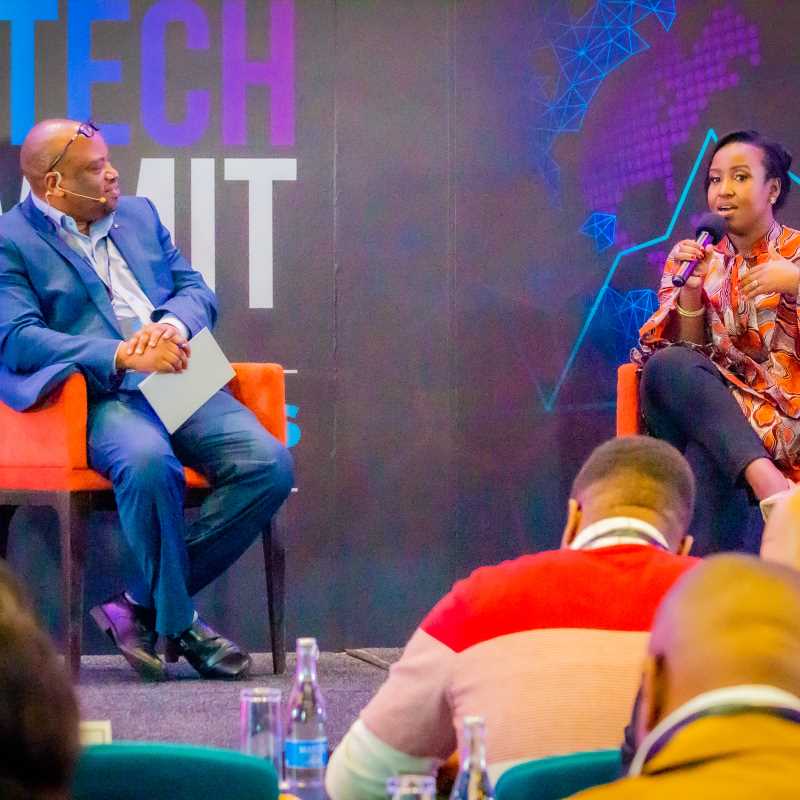
“The payment ecosystem is very complex. Banks and fintechs need to collaborate in order to be successful. That’s how we will be able to facilitate greater levels of financial inclusivity across income levels.” reiterated Faith Nkatha Gitonga, Cellulant’s Country Manager in Kenya, speaking at the Africa Fintech Summit, which was held at the Radisson Blu Hotel in Upperhill Nairobi and organized by Dx5 (formerly CIO Africa).
She cited the recent partnership between Cellulant and Grey Finance (https://bit.ly/3RPIHRo) which enables customers to conveniently receive international payments in local currency using mobile money as a prime example of how partnerships open up efficient and seamless transactions for thousands of people on the continent. She also revealed that the ability to integrate mobile money and bank transfers within the African continent is the major value proposition Cellulant offers to partners like Grey.
She affirmed that Cellulant (https://www.Cellulant.io/) believes that abundant opportunities exist in the payment space in Africa as the continent is still not a cashless economy yet.
Customer delight is what differentiates Cellulant from the other players in the market
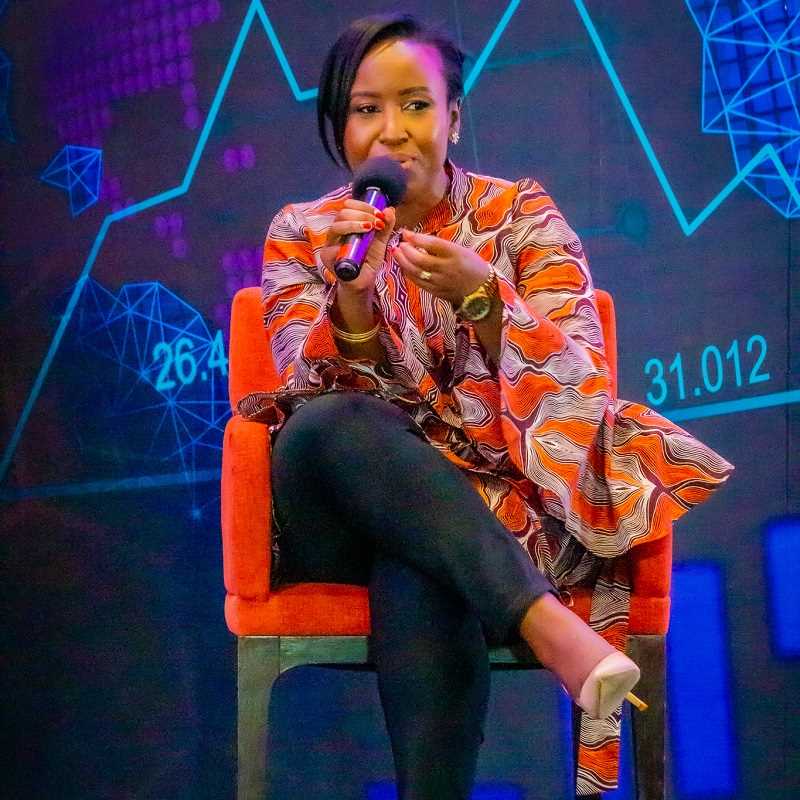
“There are still cash heavy industries like the Fast Moving Consumer Goods (FMCG) industry which provide a lot of opportunities for entrepreneurs to innovate and provide relevant and appropriate payment solutions.
“Even in Kenya, which has one of the highest levels of financial inclusion, only about 50-60% of our transactions are digital; in other parts of Sub-Saharan Africa this is typically 30% or lower.”
Cellulant views fintech partnerships as a means to support financial inclusion and growth of not only individual businesses but Africa’s economy as a whole. Faith touched on Cellulants evolution over the years, from a digital content business to mobile and digital banking and now to a digital payment solution provider (https://bit.ly/3ct1XUB).
“Customer delight is what differentiates Cellulant from the other players in the market. We strive for excellence and the best outcomes when serving our customers across our 35 markets.” Faith pointed out. “This is a culture that was instilled into our staff by the founders from the early days.”
She affirmed this laser focus on the customer is the main reason why leading brands across different sectors such as aviation, telecommunications, e-Commerce, food and beverage services, ride hailing apps, retail and remittance trust Cellulant to power their payments.
“We are committed to making sure that they are well taken care of and satisfied with the services we provide. We like to say that ‘when you follow the customer, you follow the money ’ Over the years, we have been innovating because we want to be at the heart of what the customer is feeling and wants. We always want to be ahead of that.”
Distributed by APO Group on behalf of Cellulant.














Business
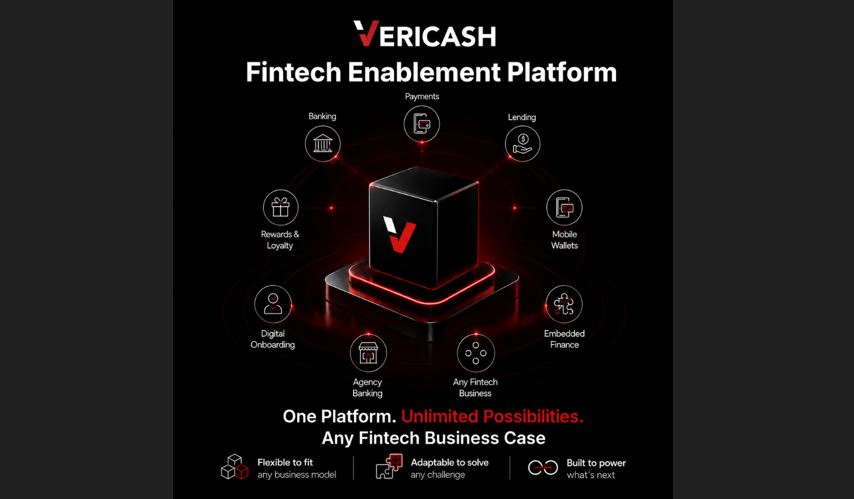
CIT VERICASH Recognized as Best Digital Financial Services Platform of 2026 by Global Business Outlook

Business
Comsol enters wholesale 5G home broadband market with backing from new shareholders

Business
Electra Mining Africa: Showcasing the Technologies Shaping the Future of Industry

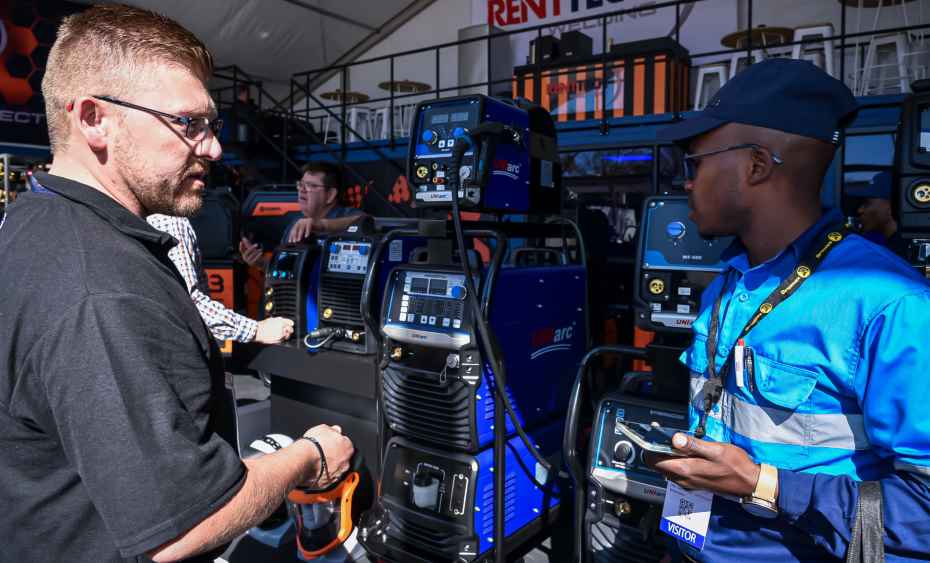
More than 1,000 exhibitors, technical seminars, industry forums and networking opportunities will bring together the people, products and ideas shaping industrial progress across Africa
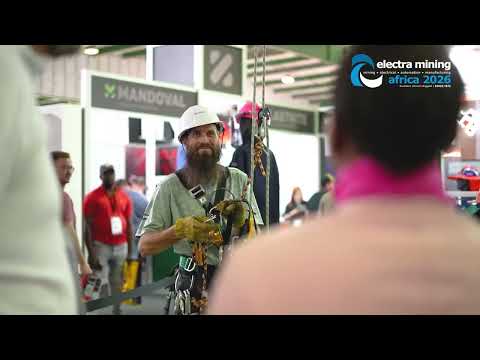

Taking place from 7-11 September at the Johannesburg Expo Centre in Nasrec, Johannesburg, Electra Mining Africa will once again provide a meeting place for industry. Recognised as one of Africa’s leading industrial exhibitions, the event will bring together more than 1,000 predominantly local exhibitors, together with international companies, country pavilions, industry organisations, technical specialists, business leaders and decision-makers from across mining, manufacturing and related industries.
By bringing together six complementary sectors—mining, manufacturing, automation, electrical and power, transport and related engineering sectors—under one roof, Electra Mining Africa enables visitors to explore how integrated technologies and solutions can improve productivity, safety and operational performance. The exhibition provides a unique opportunity to compare products, engage directly with technical experts and discover how innovations from different sectors are increasingly working together to support smarter industrial operations.
Reflecting continued industry confidence, Electra Mining Africa has expanded its footprint for the 2026 edition, growing by 4,000m² to a record 44,000m² of net exhibition space across six indoor exhibition halls and expanded outdoor display areas.
Visitors will have the opportunity to explore solutions ranging from large-scale mining equipment and industrial machinery to automation systems, artificial intelligence (AI), robotics, digital manufacturing, predictive maintenance technologies, power solutions and advanced engineering services. The exhibition also features pumps, valves, welding and fabrication equipment, safety solutions, personal protective equipment (PPE), tools, components and specialist industrial services.
Electra Mining Africa has become an important business platform for companies serving markets across Africa. At the previous edition, industry professionals from 58 countries were represented, reflecting the exhibition’s growing international reach and its role in connecting manufacturers, technology suppliers, distributors, buyers and decision-makers from across the continent and beyond. For many exhibitors, the exhibition provides opportunities to strengthen customer relationships, meet prospective buyers, appoint distribution partners and explore new business opportunities. For visitors, it offers access to both internationally recognised brands and locally developed technologies designed to address the operational requirements of African industry.
Electra Mining Africa brings together the technologies, expertise and industry relationships that help organisations make informed decisions
Beyond the exhibition floor
Electra Mining Africa offers an extensive programme of technical knowledge sharing, professional development and industry collaboration. Free-to-attend seminars hosted by the Southern African Institute of Mining and Metallurgy (SAIMM) will explore practical operational challenges and emerging technologies, while the Society for Automation Instrumentation Mechatronics and Computer Engineering (SAIMC) will present specialist workshops on advances in automation and mechatronics. WiMSA’s Women in Mining workshop will provide a forum for discussion around leadership, opportunity and professional development, and the Lifting Equipment Engineering Association of South Africa (LEEASA) will host its two-day National Conference, bringing together industry professionals to share knowledge and discuss developments affecting the sector.
New for 2026, the SA Institution of Mechanical Engineering (SAIMechE) Skills and Career Hub will strengthen collaboration between industry and the education and training sector, encouraging conversations around future workforce requirements, skills development and innovation. Visitors will also be able to experience the Geological Society of South Africa (GSSA) Explorers Pitch, where finalist student teams present their mineral exploration projects to an expert industry judging panel before the winning team is announced.
Also taking place during Electra Mining Africa are the New Products and Innovation Awards, which recognise outstanding achievements by both local and international exhibitors. Adjudicated by the South African Capital Equipment Export Council (SACEEC), entries are evaluated against a comprehensive set of criteria, including innovation, engineering excellence, research and development, product quality, technical expertise and the practical value each solution delivers to industry. The winners are announced during the exhibition, recognising companies whose products and innovations are advancing technology, performance and industrial application.
“Industrial businesses are facing increasingly complex challenges that cannot be solved in isolation. Electra Mining Africa brings together the technologies, expertise and industry relationships that help organisations make informed decisions, identify practical solutions and build partnerships that support long-term growth. That’s what makes the exhibition such an important meeting place for industry, not only in South Africa but for businesses operating across the African continent,” says Charlene Hefer, Portfolio Director at Montgomery Group, organisers of Electra Mining Africa..
Industry professionals wishing to attend Electra Mining Africa can register (https://apo-opa.co/4xthQPH) as a Standard Visitor free of charge. There is also an option to upgrade to a Diamond Select Visitor.
Distributed by APO Group on behalf of Montgomery Group Africa.