Connect with us

Energy

CLG Expands into Libya and Central Africa, Named Official Legal Partner for African Energy Week (AEW) 2026

Published

on

CLG

CLG expands across Libya and Central Africa, joining African Energy Week 2026 as a Legal Partner to drive regulatory harmonization

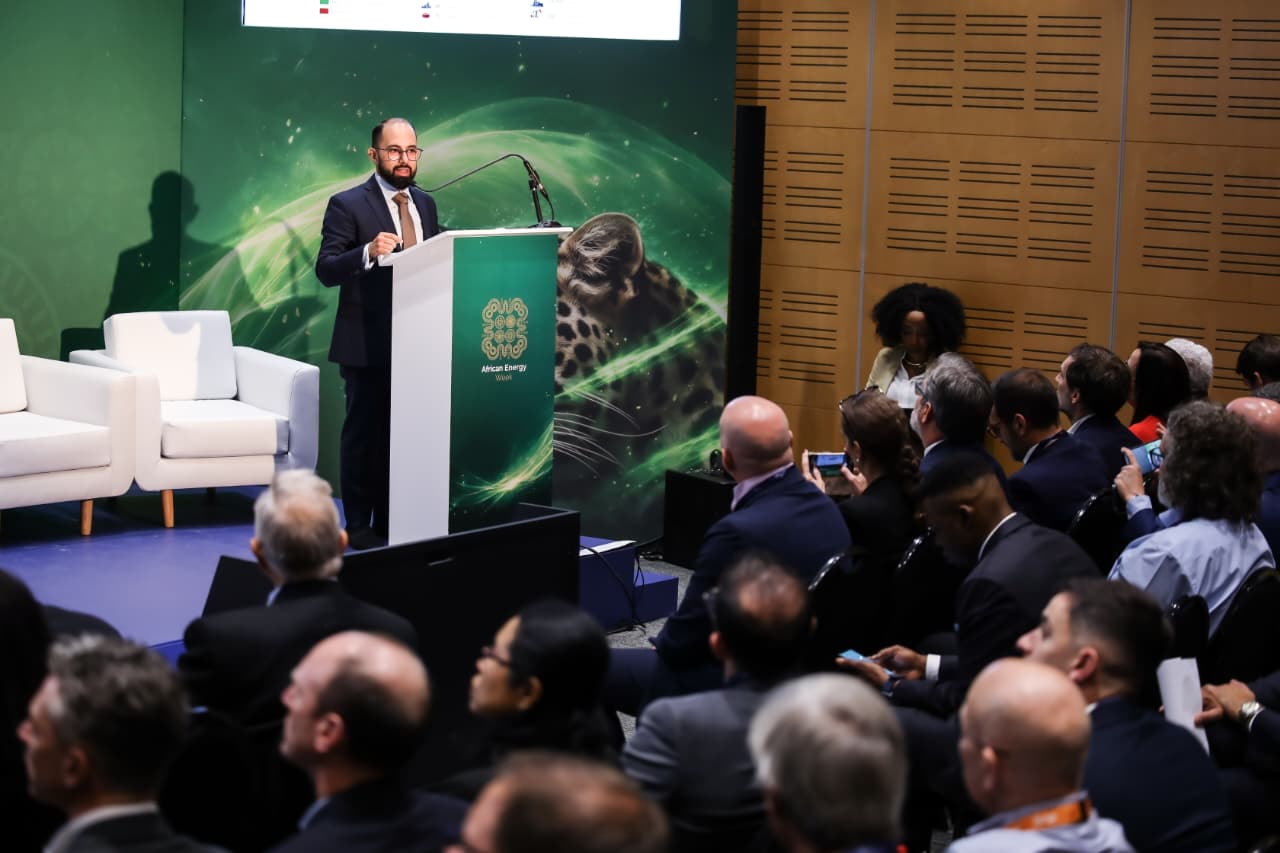
CAPE TOWN, South Africa, April 7, 2026/APO Group/ –Building on Africa’s continental energy momentum, legal firm CLG will attend African Energy Week (AEW) 2026 in Cape Town from 12–16 October as a Legal Partner. The appointment places the firm at the heart of the continent’s premier energy investment platform, connecting policymakers, operators and financiers as they drive the next phase of upstream growth, infrastructure development and the energy transition.


CLG has embraced a “flexibility-first” model to navigate Africa’s energy landscape, accelerating its expansion into Libya, Gabon and Morocco while strengthening its tax and regulatory advisory capabilities across Central and Southern Africa. The firm’s January 2026 strategic collaboration with Zahaf & Partners in Libya marks a decisive move to support the country’s latest licensing round and its production target of 1.6 million barrels per day by year-end.


CLG’s 2026 expansion strategy reflects its growing influence in frontier and high-growth jurisdictions. In Libya, its partnership with Zahaf & Partners strengthens investor confidence as new acreage is opened to international bidders. In Gabon, the firm has expanded its CLG Plus on-demand advisory platform to support major developments, including independent hydrocarbon producer Perenco’s Cap Lopez LNG project, scheduled to come online this year. Meanwhile, new leadership appointments in Casablanca and Dubai reinforce its North African and Middle Eastern connectivity, positioning the firm to facilitate cross-regional capital flows into African energy projects.


Africa’s energy expansion must be underpinned by robust, harmonized legal frameworks that give investors clarity and confidence

The firm remains deeply engaged in regulatory transformation across the continent. In the Republic of Congo, CLG has issued detailed analyses of new 2026 Finance Laws, guiding clients through tax restructuring, environmental levies and revised corporate income frameworks. In Namibia, it is contributing to the development of midstream legal frameworks to support recent offshore discoveries and future export infrastructure.


Looking ahead, CLG forecasts a surge in upstream M&A activity in 2026, driven by licensing rounds in Nigeria, Libya and Angola and a broader trend of supermajors divesting assets to agile African independents. The firm is also closely tracking implementation of the African Continental Free Trade Agreement Digital Trade Protocol, advising clients on cross-border digital transactions and policy alignment.


“Africa’s energy expansion must be underpinned by robust, harmonized legal frameworks that give investors clarity and confidence,” says NJ Ayuk, Executive Chairman, African Energy Chamber, adding, “CLG’s role as Legal Partner at AEW 2026 ensures that regulatory innovation, fiscal transparency and cross-border agility remain central to this year’s agenda.”


As Africa’s energy markets evolve through reform, consolidation and transition, CLG’s participation at African Energy Week 2026 underscores the critical role of legal architecture in unlocking sustainable growth across the continent.

Distributed by APO Group on behalf of African Energy Chamber.

Energy

Can Equatorial Guinea Reposition as West Africa’s Gas Hub?

Published

on

As Equatorial Guinea advances third-party gas agreements and infrastructure plans, its hub ambitions will be showcased at the Invest in African Energy Forum, with Minister Antonio Oburu Ondo and senior industry leaders confirmed to attend

PARIS, France, April 7, 2026/APO Group/ –Equatorial Guinea is moving from strategy to execution in its bid to become a regional gas hub. A series of agreements signed in early 2026 – covering cross-border supply, upstream participation and infrastructure utilization – are positioning the country to monetize gas through existing assets and regional aggregation.


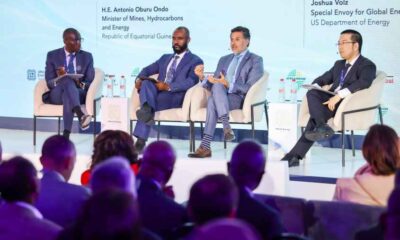
This agenda will take center stage at the Invest in African Energy (IAE) Forum in Paris, where Equatorial Guinea will feature in a dedicated Country Spotlight session led by Antonio Oburu Ondo, Minister of Mines and Hydrocarbons. With participation from key industry players, including Panoro Energy and Perceptum, EG Ronda bid round organizer, the forum will provide a platform to outline the country’s gas sector repositioning and where investors can engage.

Momentum behind this model has accelerated in recent months. In February 2026, Equatorial Guinea and Cameroon signed a unitization agreement to jointly develop the cross-border Yoyo-Yolanda gas fields, estimated to hold around 2.5 trillion cubic feet of gas. Production from the project is slated to feed directly into Equatorial Guinea’s Punta Europa complex, reinforcing the country’s hub strategy without requiring standalone export infrastructure.

Simultaneously, the government strengthened domestic supply through a Heads of Agreement with Chevron to expand the Aseng gas project, increasing GEPetrol’s stake from 5% to over 30%. This not only stabilizes production but also secures additional feedstock for downstream processing, linking upstream development directly to the hub model.

Rather than focusing on new LNG developments, Equatorial Guinea is aggregating domestic and regional gas volumes to maximize existing infrastructure. At the core of this approach is the Punta Europa complex on Bioko Island, one of sub-Saharan Africa’s most advanced gas processing hubs, with LNG, methanol and LPG facilities already in place. The current challenge is securing reliable feedstock as output from legacy fields such as Alba declines.

The Gas Mega Hub initiative offers a faster, more cost-effective route to monetization. By processing third-party volumes from Cameroon, and potentially Nigeria, the country can leverage existing facilities while avoiding the risks and capital intensity of greenfield LNG projects. This approach opens a spectrum of investment opportunities across gas aggregation, transport, processing and downstream integration, often structured through commercially aligned frameworks that reduce execution risk.

Policy and regulatory support are central to this transition. The Ministry of Mines and Hydrocarbons has prioritized regulatory alignment and cross-border cooperation, recognizing that successful hub development depends as much on enabling frameworks as on physical infrastructure. The recent agreements reflect growing clarity and investor confidence.

For the global investment community, IAE 2026 offers a strategic opportunity to engage directly with government and operators shaping the hub model. The participation of both policymakers and companies active in the sector reinforces the credibility and immediate relevance of Equatorial Guinea’s strategy.

Equatorial Guinea is no longer waiting for new discoveries to drive growth. By leveraging existing infrastructure, securing regional supply and building flexible commercial models, the country is positioning itself as a critical node for gas monetization in West Africa. Success here could extend the life of its assets while establishing a platform for regional energy trade.

IAE 2026 (https://apo-opa.co/41nyEZQ) is an exclusive forum designed to connect African energy markets with global investors, serving as a key platform for deal-making in the lead-up to African Energy Week. Scheduled for April 22–23, 2026, in Paris, the event will provide delegates with two days of in-depth engagement with industry experts, project developers, investors and policymakers. For more information, visit www.Invest-Africa-Energy.com. To sponsor or register as a delegate, please contact sales@energycapitalpower.com.

Distributed by APO Group on behalf of Energy Capital & Power.

Continue Reading

Energy

Afreximbank Partners with African Energy Week 2026 to Drive Africa-Led Energy Deals

Published

on

With a new $8 billion South Africa program, expanded Caribbean financing and Africa Energy Bank initiative, Afreximbank is deepening its role in financing the continent’s energy sector ahead of African Energy Week 2026

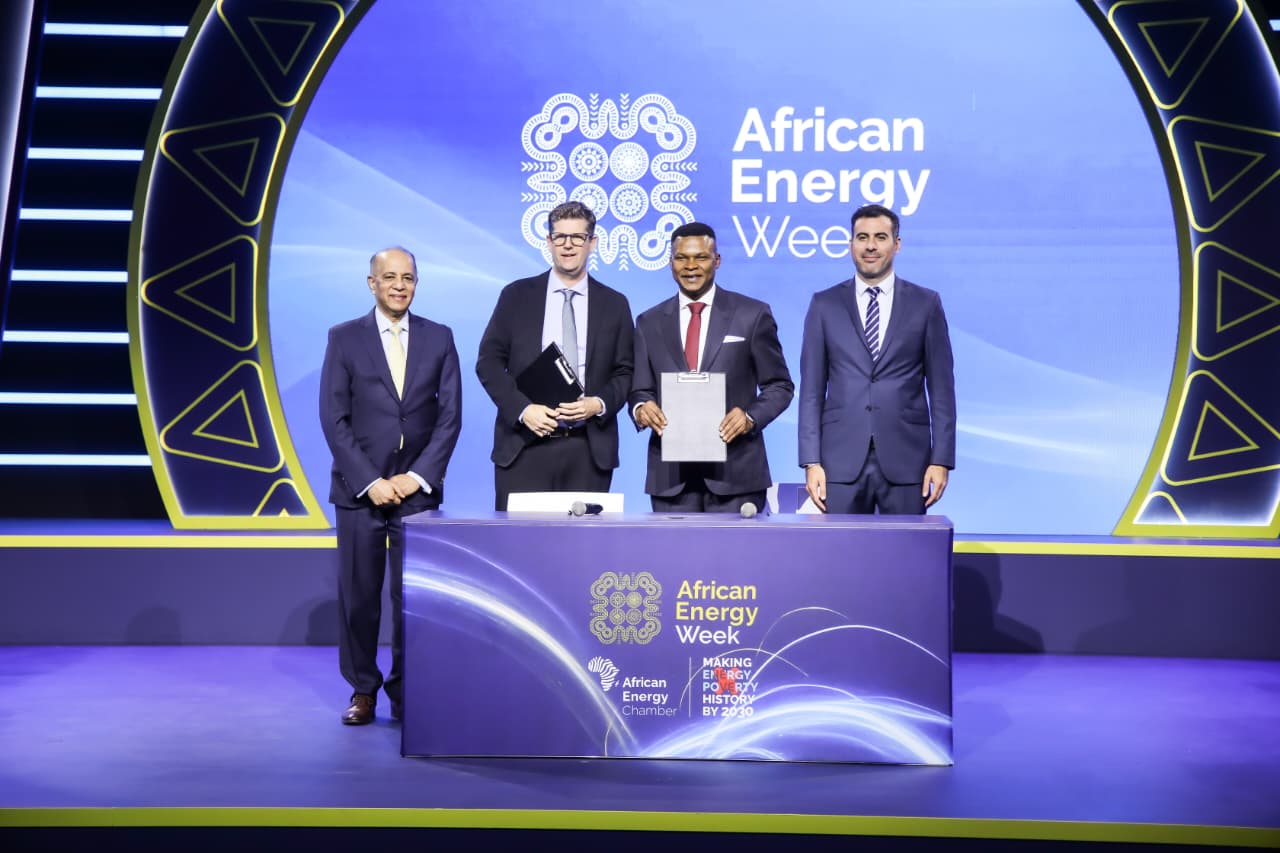
CAPE TOWN, South Africa, April 7, 2026/APO Group/ –The African Export-Import Bank (Afreximbank) has been confirmed as a Partner of African Energy Week (AEW) 2026, taking place October 12–16 in Cape Town. Its participation underscores the event’s role as a premier investment platform, positioning the bank at the center of deal-making across oil, gas, power and energy infrastructure.

Ahead of AEW, Afreximbank has expanded its global footprint by raising its financing cap for the Caribbean Community (CARICOM) to $5 billion. The increase builds on more than $750 million already deployed and a pipeline exceeding $2 billion, targeting infrastructure, tourism, agro-processing and financial services while strengthening Africa–Caribbean trade and investment corridors.

Afreximbank’s partnership with AEW 2026 reflects a key shift in how Africa is financing its energy future

The bank reached a recent milestone with South Africa joining as its 54th member state, completing full continental coverage. This accession unlocks an $8 billion country program focused on energy, manufacturing and trade, alongside a $3 billion Transformation Fund aimed at supporting black-owned businesses and SMEs while advancing industrial development and regional value chains. In recent years, the bank has also bolstered its capital base, including a $25 billion increase in authorized capital, enhancing its capacity to finance large-scale energy and infrastructure projects across Africa.

Afreximbank’s expanding role extends directly into project financing through the Africa Energy Bank, a joint initiative spearheaded by Afreximbank and the African Petroleum Producers’ Organization. Designed to address a financing gap left by international lenders’ retreat from upstream oil and gas, the bank aims to mobilize African capital for African energy projects, with initial funding targets in the billions and operations set to begin in 2026. Together with Afreximbank’s strengthened balance sheet, this initiative signals a broader shift toward African-led capital structures capable of underwriting large-scale upstream, midstream and infrastructure developments – positioning the continent not just as a capital recipient, but as a capital originator.

“Afreximbank’s partnership with AEW 2026 reflects a key shift in how Africa is financing its energy future,” said NJ Ayuk, Executive Chairman of the African Energy Chamber. “We’re moving beyond reliance on external capital to a model where African institutions are structuring, financing and driving projects from the ground up. As investment accelerates across oil, gas and renewables, players like Afreximbank are not only supporting deals, but helping define the market.”

At African Energy Week 2026, Afreximbank is expected to play a central role in advancing financing discussions, supporting project origination and strengthening partnerships between governments, developers and investors. Its participation highlights a broader shift toward African-led capital in energy development, reinforcing the event’s position as a catalyst for bankable projects, regional integration and long-term energy security.

Distributed by APO Group on behalf of African Energy Chamber.

Continue Reading

Energy

Morocco Gas Plan Reset Could Open Door to New Investment Models

Published

on

As Morocco recalibrates its LNG strategy, the country’s evolving approach to gas infrastructure and investment will be in focus at the Invest in African Energy Forum in Paris next month

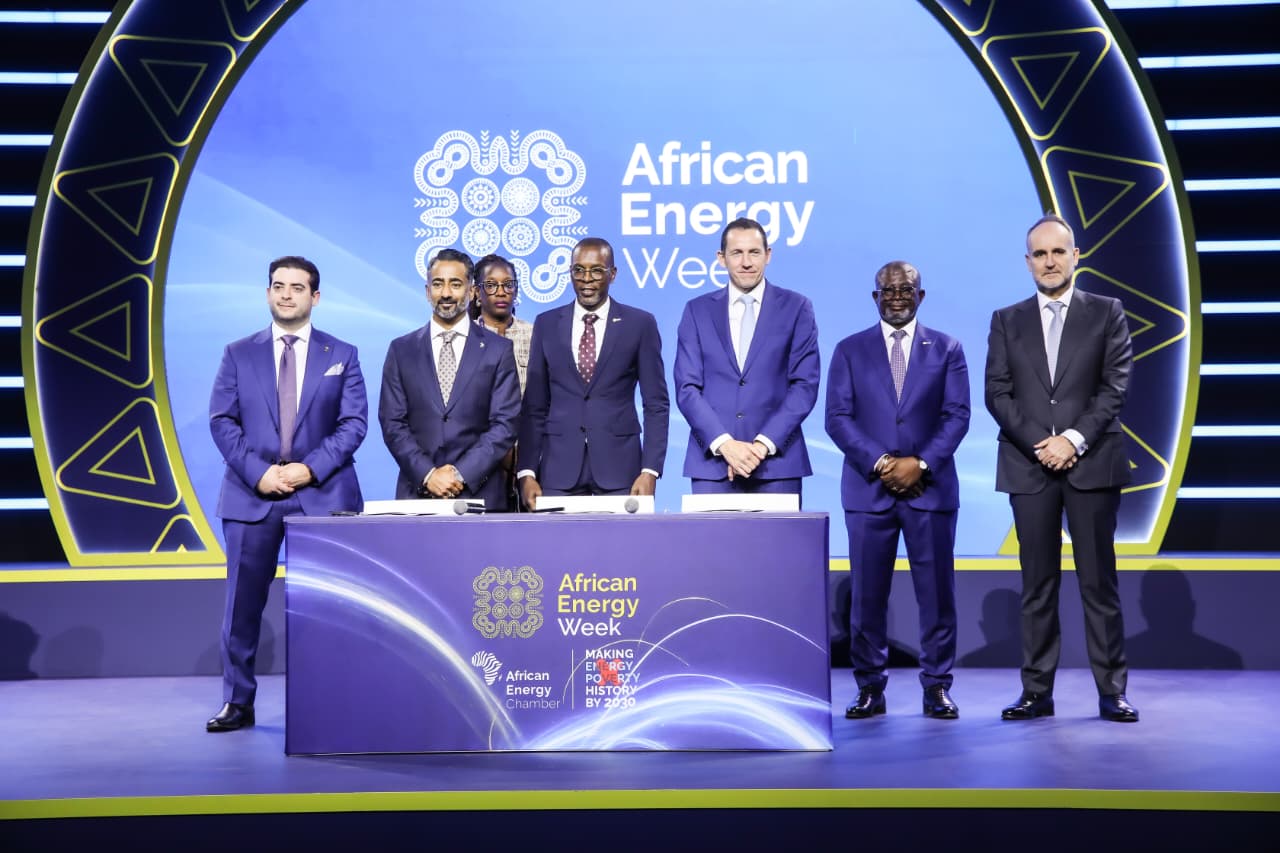
PARIS, France, April 7, 2026/APO Group/ –Morocco’s decision earlier this year to pause elements of its long-anticipated LNG import strategy marks less a delay than a strategic reset – one that reflects both shifting global market dynamics and a more pragmatic approach to infrastructure development.

In January 2026, the Ministry of Energy Transition and Sustainable Development suspended tenders for a planned LNG import terminal at Nador West Med and associated pipeline infrastructure, just weeks after launching the process in December 2025. The proposed project was ambitious: a floating terminal with regasification capacity of around 5 billion cubic meters (bcm) per year – more than four times Morocco’s current gas demand of roughly 1 bcm – designed to anchor a national gas network linking industrial hubs from Nador to Kenitra and Mohammedia.

While global LNG market volatility, rising financing costs and uncertainty around long-term demand have complicated the economics of large-scale import infrastructure, Morocco’s decision to reassess both timing and structure reflects a measured and forward-looking approach. Rather than locking into a capital-intensive model, the country is creating space to align infrastructure development more closely with market realities.

This comes at a critical moment. Gas demand is projected to rise to around 8 bcm by 2027, driven by power generation and industrial growth as Morocco reduces coal dependence while targeting renewables to account for 52% of installed capacity by 2030. Meeting this demand will require new infrastructure, but increasingly in forms that offer flexibility, scalability and improved risk allocation.

One area gaining traction is the development of modular LNG solutions. Phased infrastructure – particularly floating storage and regasification units – offers a pathway to bring capacity online more quickly while reducing upfront capital exposure. Such models allow supply to scale alongside demand and provide greater resilience in a volatile pricing environment.

At the same time, Morocco is advancing reforms to strengthen market structure and enhance competitiveness. Policymakers have emphasized the need for greater private sector participation, alongside ongoing reforms to state entities including ONHYM, aimed at improving pricing transparency and market efficiency. As ONHYM transitions toward a more commercial framework, its role in facilitating partnerships and enabling investment across midstream and gas-to-power segments is expected to expand.

Morocco’s existing infrastructure further supports this transition. Since 2022, the country has imported LNG via Spanish terminals using reverse flows through the Maghreb-Europe Gas Pipeline, providing interim supply without the need for immediate large-scale domestic regasification. While limited in capacity, this system offers flexibility and allows Morocco to optimize the timing and structure of future investments.

For investors, this reset broadens the opportunity set. Rather than a single large-scale LNG terminal, there is now scope to participate across a more diversified value chain – from storage and regasification to downstream industrial use and power generation. Smaller, phased projects are not only more adaptable but also better aligned with current financing conditions, supporting more efficient capital deployment.

Morocco’s evolving strategy will be a key focus at the Invest in African Energy (IAE) Forum in Paris next month, where the country will be featured in a dedicated Country Spotlight session. With participation from ONHYM and other senior stakeholders, including Managing Director Amina Benkhadra, the forum will provide a platform to outline Morocco’s revised gas roadmap and engage directly with investors on emerging opportunities across the value chain.

With gas demand projected to reach up to 12 bcm by 2030, Morocco’s long-term fundamentals remain strong. What is changing is the model – shifting toward more flexible, commercially driven solutions that reflect both market conditions and investor priorities.

As Morocco refines its LNG strategy, its approach highlights a broader trend across emerging markets: in a volatile global energy landscape, adaptability is increasingly defining investment success.

IAE 2026 (http://apo-opa.co/4c5P4Li) is an exclusive forum designed to connect African energy markets with global investors, serving as a key platform for deal-making in the lead-up to African Energy Week. Scheduled for April 22–23, 2026, in Paris, the event will provide delegates with two days of in-depth engagement with industry experts, project developers, investors and policymakers. For more information, visit www.Invest-Africa-Energy.com. To sponsor or register as a delegate, please contact sales@energycapitalpower.com

Distributed by APO Group on behalf of Energy Capital & Power.

Continue Reading

Trending

Exit mobile version