Connect with us
Anglostratits

Business

Braintree partners with Old Mutual Africa towards a new era of financial management and operational efficiency

Published

on

Braintree

This collaborative approach was instrumental in achieving a smooth transition and in harnessing the full potential of the new system

JOHANNESBURG, South Africa, May 23, 2024/APO Group/ — 

There is no doubt that the goal of a company’s Chief Financial Officer is to have clean and accurate audits across the business – a single source of truth with a strong focus on compliance. As a diversified financial services company operating in 12 countries across the continent, Old Mutual Africa embarked on an ambitious journey to transform its finance and operations (F&O) across these territories, integrate their operations, introduce efficiency savings, and ensure the reliability and integrity of financial reporting.

Central to this journey was a partnership with Braintree, tasked with implementing a Microsoft Dynamics 365 Finance & Operations Enterprise Resource Planning solution—a crucial component of the broader transformation strategy.

The Role of Braintree in the Transformation Journey

Donald Van der Merwe, Programme Executive at Old Mutual Africa who led the broader financial transformation programme, says that this journey was not just about technological implementation, but a strategic endeavour to consolidate over a hundred product systems across life assurance, asset management, unit trusts, property, insurance, and banking into a single platform.

As a leading IT solutions provider of Microsoft Dynamics 365 solutions, Braintree was selected for its deep expertise and understanding of the challenges at hand. Their role in this partnership was pivotal, focusing on the seamless implementation of the Microsoft D365 F&O system. This collaboration was characterised by a shared ethos and vision, with both parties bringing a commitment to excellence and a deep understanding of the financial services landscape. What resulted was the consolidation of all finance systems within 11 countries by April 2024.

The strategy and objective

Helping finance to become a strategic partner within the organisation was a key objective from the outset. This was achieved by restructuring the business and delivering a unified platform with an end-to-end view of all relevant financial and non-financial data, enabling real-time insight and decision-making while still delivering core finance capabilities.

Standardisation was key to the strategy of this transformation project, with chart of accounts, processes and internal controls all needing to work on the same system and a seamless flow of data into the company’s general ledger.

Automating these processes also meant the introduction of easier and more accurate workflows. For example, with D365’s powerful automation capabilities, 99% of all Old Mutual Africa’s bank reconciliation has now become automated.

Collaboration and buy-in

The success of this project was a testament to the vision and dedication of both teams

A key factor in the success of this initiative was the emphasis on collaboration and stakeholder engagement. Rather than adopting a top-down approach, the programme fostered a sense of ownership and involvement among all stakeholders, ensuring that the transformation was embraced at every level of the organisation. This collaborative approach was instrumental in achieving a smooth transition and in harnessing the full potential of the new system.

Buy-in from the organisation itself also translates as an investment of their time, both in the design phase as well as the implementation. This cannot be done in isolation, with the finance teams and other stakeholders needing to participate from the very beginning of the process.

With a project of this magnitude comes certain inevitable challenges, from data migration and cultural integration across different territories to different operational standards and regulatory requirements. However, these challenges were met with a spirit of collaboration and transparency. The expertise of Braintree, coupled with the leadership and strategic vision of the Old Mutual finance transformation team, ensured that each obstacle was met with clear communication and transparency and viewed as an opportunity for learning and growth.

A long-term investment in efficiency

This journey towards an integrated financial system was driven by the need to reduce manual input, improve reporting timelines, and ensure compliance with new international reporting standards, such as IFRS 17. These challenges were not merely technical hurdles but opportunities to redefine the way this multi-tiered organisation approached its financial operations.

Any company making the decision to implement technology such as this needs to view what this investment means in the long run, the value that this flexible and scalable operating system brings to the business and the costs that the business will incur when their financial and reporting systems do not align.

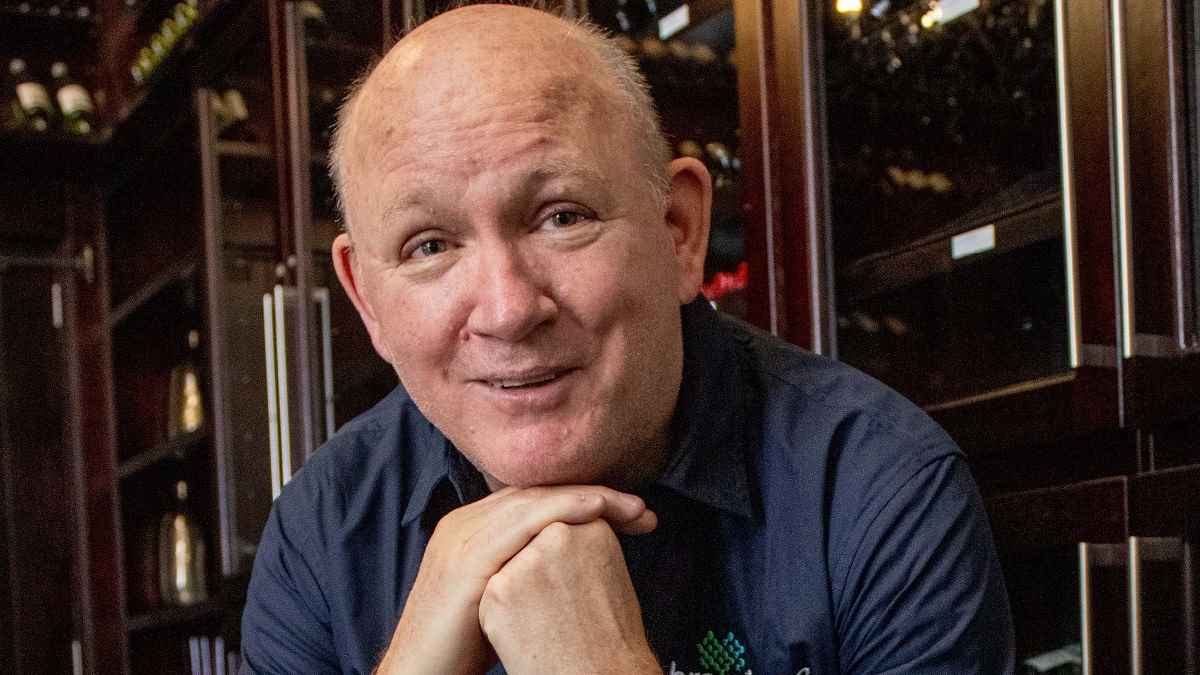
“This financial transformation has positioned Old Mutual Africa for sustainable growth and agility to future challenges. The scalable nature of the Microsoft Dynamics 365 Finance & Operations system means that this business is equipped with a robust platform that can evolve as the business grows, ensuring long-term resilience and efficiency,” Van der Merwe says. He adds that the overall project architect, Braintree’s Craig Fidler, was instrumental in the success of the implementation based on his extensive expertise and experience as a former Chief Financial Officer.

“This collaboration was not just about implementing a system; it was about incorporating innovation and strategic foresight into the very fabric of their operations. Seeing the substantial benefits of our work, from enhanced efficiency to strategic decision-making, reinforces our belief in the power of partnership and technology to navigate the complexities of the financial landscape. The success of this project was a testament to the vision and dedication of both teams,” says Fidler.

The power of partnerships

“This implementation stands as a testament to the power of partnerships and has spearheaded a future where Old Mutual Africa can leverage real-time insights, streamline operations, and meet the dynamic needs of the market with agility and precision,” says Van der Merwe.

This is one example of how a multi-tiered enterprise can incorporate world-class technology to improve efficiency and accuracy, streamline operations, minimise risk and enhance financial management.

Distributed by APO Group on behalf of Braintree.

Business

CRDB Bank launched FMO and Shelter Afrique partnerships, and renewed its Memorandum of Understanding (MoU) agreement with Afreximbank

Published

on

Afreximbank

A USD 75 million FMO facility, CRDB’s release of its Sustainable Development Impact Disclosure, a USD 10 million Shelter Afrique facility for CRDB Bank DRC and a renewed MoU agreement with Afreximbank marked the forum, which CRDB Bank hosted with Invest Africa during the World Bank Group and IMF Annual Meetings

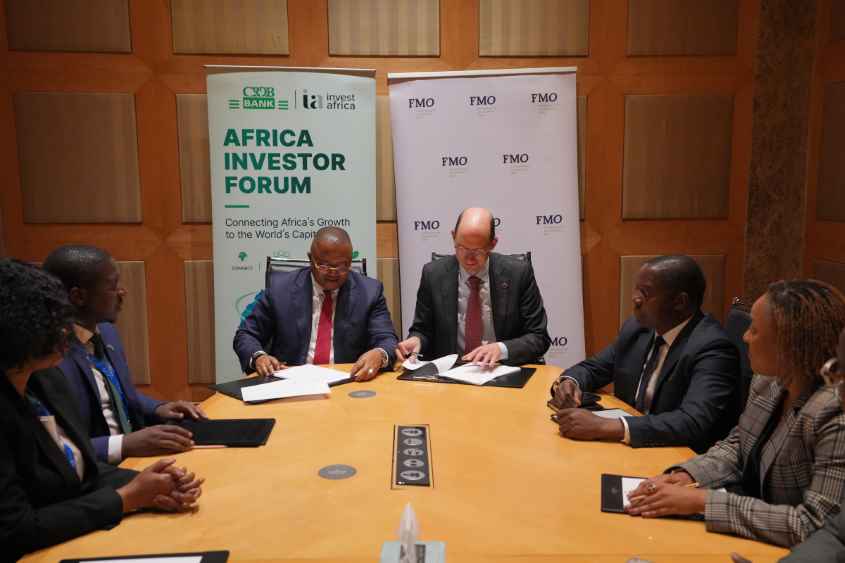
BANGKOK, Thailand, October 16, 2026/APO Group/ –CRDB Bank Plc signed a USD 75 million long-term financing facility with FMO, launched its Sustainable Development Impact Disclosure Framework, renewed its memorandum of understanding with Afreximbank, and marked the extension of a USD 10 million Shelter Afrique Development Bank facility to CRDB Bank DRC at the Africa Investor Forum on 15 October. The forum, hosted by CRDB Bank with Invest Africa (https://www.InvestAfrica.com/) at the Sheraton Grande Sukhumvit, took place on the sidelines of the World Bank Group and IMF Annual Meetings. It brought CRDB’s Group leadership and its subsidiary teams in Tanzania, Burundi, Democratic Republic of Congo (DRC) and United Arab Emirates (UAE) together with development finance institutions, institutional investors and private capital, under the theme One Bank, Every Bridge: Connecting Africa’s Growth to the World’s Capital.


The facility from FMO, the Dutch Entrepreneurial Development Bank, will run for approximately ten years. It enhances CRDB’s Tier II capital base, which supports the Bank’s growth and resilience, and it expands the Bank’s capacity to lend to micro, small and medium enterprises (MSMEs), the segment that underpins entrepreneurship, job creation and inclusive economic development. For both institutions it advances a shared aim of financial inclusion and business growth across Tanzania and the wider region. The facility also includes support from the European Commission’s MSME platform guarantee, unlocking finance for this segment of society.

CRDB Bank has applied the Impact Disclosure Guidance to its impact strategy, helping the Bank to measure and monitor the anticipated and realized impacts of its operations and portfolio. The Guidance, published in October 2024 by the Impact Disclosure Taskforce co-chaired by J.P. Morgan and Natixis, was a voluntary standard for measuring and reporting development impact. CRDB’s framework rests on three objectives: equal access to financial services, local economic development and job creation, and digital financial innovation. These supported SDG 1 (No Poverty), SDG 2 (Zero Hunger), SDG 5 (Gender Equality) and SDG 8 (Decent Work and Economic Growth), and each carried metrics and targets against which the Bank would monitor its progress. CRDB Bank was the first Tanzanian issuer to adopt the Guidance.

Shelter Afrique Development Bank had extended a USD 10 million facility to CRDB Bank DRC to support affordable housing development and the construction value chain, and the two institutions marked the extension at the forum. It realised the memorandum of understanding they had signed at the 2025 World Bank and IMF Annual Meetings in Washington, D.C., which also provided for advisory support from Shelter Afrique to CRDB’s housing finance team across the full housing value chain.

CRDB Bank also renewed its memorandum of understanding with the African Export-Import Bank (Afreximbank), building on the two institutions’ 2023 agreement and broadening the scope of their cooperation. The renewed framework covers trade finance, syndication and structured financing, digital and payments platforms such as the Pan-African Payment and Settlement System (PAPSS), capital markets advisory, specialist insurance, and capacity building through staff training and secondments. It also links the CRDB Bank Foundation’s lending to women and youth-led enterprises with Afreximbank’s Export SME Programme, strengthening support for the small businesses at the centre of CRDB’s inclusion agenda.

Our objective is to convert Tanzania’s international relationships into investment, trade, technology, skills and sustainable economic growth

The forum opened with remarks from Dr. Abdulmajid Mussa Nsekela, Group CEO of CRDB Bank, followed by an executive panel exploring how partnerships between African institutions and Asian and international investors could mobilise capital. The programme also featured signing engagements and the official launch of the Sustainable Impact Disclosure Framework. The forum anchored an engagement week running from 13 to 16 October, featuring private roundtables and bilateral investor meetings focused on Burundi, the Democratic Republic of the Congo (DRC) and Tanzania. During these engagements, subsidiary leadership presented priority, bankable projects to investors.

Recognising the Government’s pivotal role in fostering an enabling policy and regulatory environment, aligning investment with national development priorities and facilitating capital flows, Tanzanian government leaders at the Africa Investor Forum underscored the importance of strong public-private partnerships in building investor confidence and unlocking sustainable economic opportunities. Their participation reaffirmed Tanzania’s commitment to translating international partnerships into tangible investments that drive economic growth, strengthen key sectors and create long-term value for its people.

Emmanuel Tutuba, Governor of the Bank of Tanzania, emphasised the importance of financial-sector resilience in supporting investment and economic growth. He said: “A sound and resilient banking sector is essential to mobilising investment and financing economic growth. Tanzania’s banking sector continues to demonstrate resilience, supported by strong capital and liquidity positions and a non-performing loan ratio that remains within the regulatory threshold. This provides an important foundation for banks, investors and businesses to work together to finance productive opportunities.”

Ambassador Khamis Mussa Omar, Minister of Finance of the United Republic of Tanzania, highlighted the role of international partnerships in advancing the country’s long-term development ambitions. He said: “Our objective is to convert Tanzania’s international relationships into investment, trade, technology, skills and sustainable economic growth. We welcome credible investors who are ready to partner with us in building a productive, competitive and sustainable economy, and we want investment conversations to lead to bankable projects, financing and measurable economic results.”

Dr. Abdulmajid Nsekela, Group CEO and Managing Director, CRDB Bank, said: “Bangkok was where we brought the whole of CRDB to investors, and that week put our Tanzania, Burundi and DRC teams in front of the international capital. The USD 75 million from FMO strengthened our balance sheet and widened our lending to MSMEs. The Impact Disclosure Framework gave investors targets to hold us to, and Shelter Afrique’s facility for CRDB Bank DRC put capital into affordable housing and the construction value chain. Each one was a bridge between African opportunity and global capital, which was what One Bank, Every Bridge meant in practice.”

Michael Jongeneel, Chief Executive Officer, FMO, said: “We are pleased to partner with CRDB Bank on this significant transaction, which reflects our shared commitment to strengthening access to finance for entrepreneurs and businesses that drive economic growth and job creation. By enhancing CRDB’s Tier II capital base and leveraging the support of the European Commission’s MSME Platform Guarantee, this facility will help expand financing for micro, small and medium enterprises across Tanzania. We commend CRDB for its continued leadership in advancing financial inclusion and fostering sustainable, inclusive economic development in the region.”

Alexandra Barry, Executive Director, Head of Development Impact Advisory, J.P. Morgan, said: “We would like to congratulate CRDB on this important milestone and the release of its Sustainable Development Disclosure. As the first Tanzanian entity to publish such a disclosure, the framework provides greater transparency around CRDB’s impact objectives, including how it intends to deliver and measure progress towards financial inclusion, job creation and gender equality.”

Thierno-Habib Hann, Managing Director and CEO, Shelter Afrique Development Bank, said: “The memorandum we signed in Washington last year set out an intention. This facility turned it into funding for CRDB Bank DRC, supporting affordable housing and the construction value chain around it. We were glad to see it move from paper to delivery.”

Distributed by APO Group on behalf of Invest Africa.


Continue Reading

Events

Huawei Commits to Advancing an Intelligent, Green Europe with Customers and Partners

Published

on

Huawei

FLORENCE, ITALY – Media OutReach Newswire – 16 October 2026 – The 11th Huawei Connect Europe was held today in Florence, Italy. Adolfo Urso, the Italian Minister of Enterprises and Made in Italy, Eugenio Giani, President of the Tuscany Region, Italy, and Sara Funaro, Mayor of Florence, delivered remarks at the event.

Thousands of attendees, including industry leaders, technology experts, and partners from around the globe, gathered at the event to explore how digital technologies such as artificial intelligence (AI) will accelerate Europe’s twin digital and green transition under the theme “Advancing Intelligent & Green Europe”.


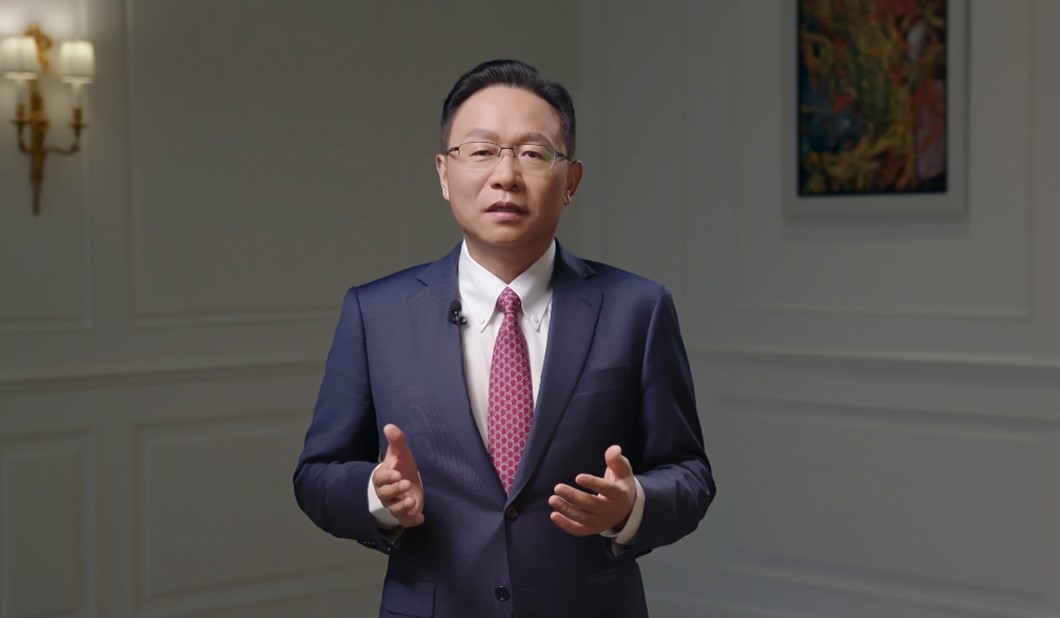
David Wang, Deputy Chairman of the Board and Rotating Chairman at Huawei, said in his opening keynote: “As Europe’s digital and green transitions continue to progress, Huawei is working with over 5,000 partners to solve real customer challenges through technological innovation. The intelligent world is coming, faster than ever, and industries across Europe are preparing for a major leap in productivity, powered by AI and other advanced technologies. Huawei has been and will remain in Europe, for Europe. Working alongside customers and partners, we are committed to open collaboration to seize opportunities, driving shared success and helping build a more intelligent, greener Europe.”

– Building a customer-centric “Huawei + Partners” collaboration system for a sustainable future in Europe

Leo Chen, Huawei’s Senior Vice President and President of Enterprise Sales, also spoke at the event, explaining the company’s strategy for the European market: “Huawei is in Europe, for Europe. We dive into local customer needs and turn technology into action to drive Europe’s twin green and digital transition.”

Chen went on to explain that Huawei has two focuses in the region, developing innovative products and solutions tailored to local industry scenarios, and empowering local partners to better serve European customers.

Building on the company’s existing “Huawei + Partners” collaboration system, Huawei additionally launched the SCALE framework for Europe at this event. This framework covers five key initiatives: Scenario-based Solutions, Co-Innovation, Aligned Marketing, Local Service, Consistent Quality, and Efficient Collaboration. These initiatives are aimed at helping local partners innovate around customer needs, integrate Huawei solutions into their offerings more easily, and improve their service capabilities.

Other guests who spoke at the event on their own insights into Europe’s twin transition strategy and intelligent industry practices included: Pierre Francois Rudant, Head of Technology, Auchan Retail; Federico Ascoli, Head of Platforms, Extended Group Management Board, Also; Sergio Grassi, a Country Manager of Zeliatech and Chief Revenue Officer for Value, Green and Services of Esprinet Group Italy; and Marcel Poser, Co-founder, Screening Eagle Technologies.

For more details, see the official website of HUAWEI CONNECT 2026 * FLORENCE: https://www.huawei.com/eu/events/huaweiconnect-florence
The issuer is solely responsible for the content of this announcement.


Continue Reading

Business

Liberia Launches 2026 Offshore Licensing Round, Offering 15 Blocks to Investors

Published

on

Liberia

The Liberia Petroleum Regulatory Authority is inviting qualified companies to negotiate offshore exploration opportunities, with submissions closing April 15, 2027

CAPE TOWN, South Africa, October 15, 2026/APO Group/ –Liberia has launched its 2026 Offshore Direct Negotiation Licensing Round, offering 15 offshore blocks across the Liberia and Harper basins as the country seeks to attract exploration investment and advance the development of its petroleum sector.


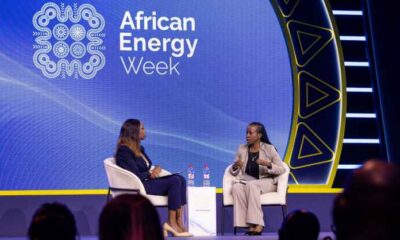
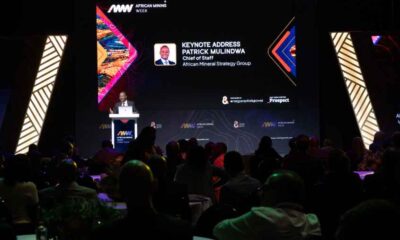
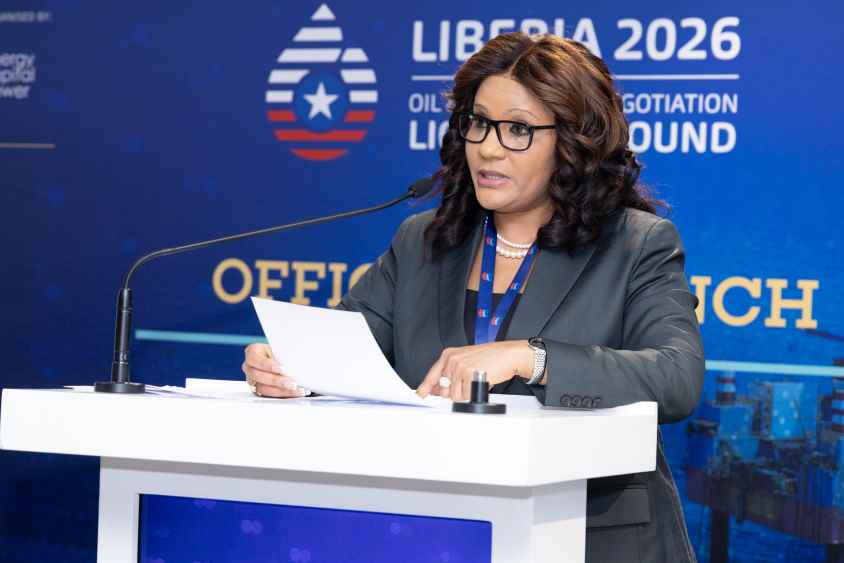
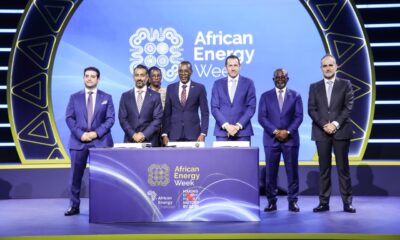
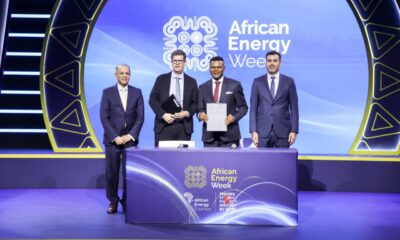
Announced on October 14 in Cape Town alongside African Energy Week 2026 and African Mining Week, the round was launched by the Liberia Petroleum Regulatory Authority (LPRA) and organized by Energy Capital & Power (ECP). The campaign invites qualified companies to pursue individual blocks through direct negotiations, with the licensing process closing on April 15, 2027.

LPRA Director General Marilyn T. Logan called on investors to submit letters of intent and highlighted the potential for exploration success to shape Liberia’s petroleum industry.

“Our petroleum system works,” Logan said. “Whichever company makes the first discovery will play a significant role in the history of our country.”

15 Offshore Blocks Available for Negotiation

The licensing round comprises twelve blocks in the Liberia Basin – LB-1, LB-2, LB-3, LB-7, LB-12, LB-13, LB-14, LB-18, LB-19, LB-20, LB-21 and LB-23 – and three in the Harper Basin – LB-25, LB-28 and LB-33.

The acreage targets Cretaceous structures, deepwater basin-floor fans and structural closures along Liberia’s Atlantic margin. The offering provides investors with opportunities to evaluate frontier exploration prospects in a region with established petroleum system indicators and potential for further discoveries.

The round is supported by more than 80,000 km of seismic data, including over 50,000 line-km of 2D seismic and 31,000 km² of 3D surveys, alongside gravity, magnetic and well-log datasets.

Geophysical data company TGS has reprocessed 12,000 km of 2D seismic using Pre-Stack Depth Migration, as well as 5,100 km² of 3D seismic data, to improve subsurface imaging and support prospect evaluation.

“There’s a working petroleum system offshore Liberia,” said Jason Robinson, Managing Director at ENARJI and former Director of Business Development at TGS. “It’s been a prolific system across the margin and there are significant fan-plays that go out into the very deepwater.”

There’s a working petroleum system offshore Liberia

Direct Negotiations Offer Flexible Entry

Under the direct negotiation framework, qualified companies can pursue individual blocks and negotiate proposed exploration programs with the LPRA. Applicants must demonstrate technical capability, financial strength and relevant offshore experience.

The process is governed by Liberia’s 2014 Petroleum Exploration and Production Act and its 2019 amendments. The framework is designed to provide investors with a route to acreage access while maintaining qualification requirements and regulatory oversight.

Fiscal terms and regulatory predictability were highlighted as important considerations for prospective investors. LPRA Deputy Director General for Finance Robert Sonkarlay said the authority is prepared to accommodate changing market conditions and the needs of participating companies.

“Investors are not just looking to find attractive fiscal terms; they’re also looking for fiscal predictability,” Sonkarlay said. “We can assure that our terms are flexible and benchmarked. We will ensure that our terms adapt to changing markets and the needs of interested participants.”

LPRA Board Member Kau Dorilae also emphasized the importance of investor engagement and consistency in the country’s investment framework. She noted that prequalification remains valid for five years, allowing companies to establish eligibility before pursuing specific block opportunities.

Government Backs Offshore Exploration Campaign

Liberian President Joseph Nyuma Boakai reaffirmed the government’s support for the licensing round in a prerecorded address delivered during the launch.

“Today, I assure you that the journey you are about to begin with Liberia through the LPRA carries the full support of the Liberian government and is guided by principles that this administration is dedicated to stand for,” Boakai said.

Preparations for the campaign included an investor day in Houston on August 19, 2026, followed by the opening of prequalification on August 28. The campaign forms part of Liberia’s efforts to engage international exploration companies and attract investment into its offshore petroleum resources.

With 15 blocks available through direct negotiations, the 2026 licensing round provides a structured pathway for qualified companies to assess Liberia’s offshore potential and advance discussions on exploration opportunities.

For information on the licensing round and prequalification requirements, visit the LPRA’s official licensing round page (https://apo-opa.co/47kJzXe) or contact lpra2026submission@lpra.gov.lr.

Distributed by APO Group on behalf of Energy Capital & Power.


Continue Reading

Trending