The company had previously served as a national concessionaire while also acting as a partner or shareholder in oil and gas development projects
JOHANNESBURG, South Africa, July 4, 2023/APO Group/ —
By NJ Ayuk, Executive Chairman, African Energy Chamber (http://www.EnergyChamber.org)
The petroleum industry is one of the mainstays of Angola’s economy, accounting for more than a third of the country’s GDP and more than 90% of its exports. It also generates about 70% of the government’s total budget revenues and is the biggest source of foreign direct investment (FDI).
Moreover, its importance is not likely to diminish any time soon. Angolan crude oil production levels have been trending downward for some time due to the maturation of existing fields, but the country was still extracting more than 1.1 million barrels per day (bpd) as of May 2023, and it is encouraging foreign investors to search for new reserves in the untapped sections of its offshore zone. Additionally, Angola has been paying closer attention to its natural and associated gas resources and is working to increase production in a bid to take advantage of rising demand, especially in Europe.
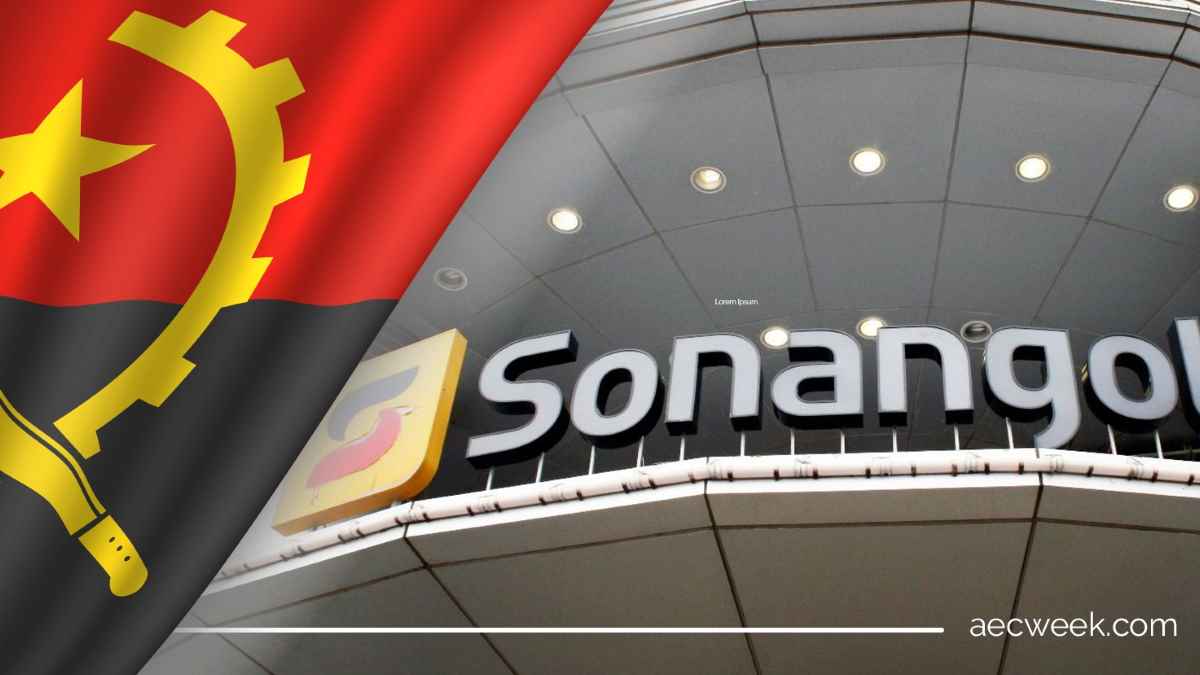
These are the kind of circumstances that make resource nationalism — a policy approach under which governments, acting in the name of their constituents, assert and retain control over natural resources rather than allowing private-sector entities to become full stakeholders — attractive. But Angola has not succumbed to this temptation. Instead, its government, under the direction of President João Lourenço, is pursuing a remarkable reform program designed to allow Sonangol, the national oil company (NOC), to represent local interests while also working cooperatively with outside investors.
First Step: Shifting Sonangol’s Mission
The government began laying a foundation for these reforms in 2019, during Lourenço’s first term as president. In February of that year, the president signed a decree establishing the National Agency for Oil, Gas, and Biofuels (ANPG). The decree stated that ANPG would act as the country’s concessionaire for oil and gas projects, thereby making the new agency solely responsible for regulating, supervising, and monitoring activities related to oil and gas exploration and production.
In so doing, it stripped Sonangol of this function. The company had previously served as a national concessionaire while also acting as a partner or shareholder in oil and gas development projects. Once ANPG took over the role of concessionaire, though, it was no longer responsible for regulatory tasks and could focus on operational matters.
It is true that the NOC was already taking steps in this direction anyway. It had been working since mid-2017 to divest non-core units — that is, subsidiaries focusing on other types of economic activity, such as finance, real estate, travel, and food services. But it was the creation of the new agency that truly set the stage for Sonangol to function more like an oil company and less like a government bureaucracy.
Next Step: Partial Privatization
IPO will only move ahead once Sonangol meets a number of key milestones
It’s no wonder, then, that the Lourenço administration took things further. In September 2021, Diamantino Azevedo, Angola’s Minister of Mineral Resources, Petroleum, and Gas, announced that Sonangol was preparing for an initial public offering (IPO), an event that would allow outside investors to become shareholders in the company.
That announcement was not immediately followed by a stock exchange listing. Instead, the NOC worked to formulate a concrete plan for partial privatization, and in September 2022, shortly after Lourenço’s election to a second term as president, the government began unveiling its new roadmap.
Initially, that roadmap was incomplete. It provided for the sale of up to 30% of Sonangol’s stock but did not specify exactly how that process would unfold. That is, it did not say when or on what terms the shares might be offered to potential buyers.
Since last September, though, Angola’s government has clarified its intentions. It has stated that the IPO will only move ahead once Sonangol meets a number of key milestones. In November 2022, Sebastião Gaspar Martins, the company’s chairman and CEO, listed the following requirements:
- Bringing the share of total oil and gas output coming from fields operated by Sonangol up to 10%
- Increasing domestic refining capacity to reduce the country’s dependence on imported fuels
- Developing and constructing at least one petrochemical plant
- Expanding and monetizing fuel distribution and marketing networks, as well as logistics networks
- Increasing domestic storage capacity for petroleum products
- Reducing carbon dioxide emissions by at least 20% in exploration, production, and refining operations
- Launching renewable energy projects and increasing carbon capture
Martins explained that Sonangol would have to meet all of these targets in order to proceed with the IPO, as they had been formulated to make the company stronger and more self-sustaining. He said the government had not set a firm deadline for the launch of the stock issue and added that he expected the company to work toward these aims through 2027.
End Goal: A National Oil Company Focused on Core Activities
Then, in January 2023, Martins indicated that Angolan authorities had finalized the IPO roadmap. He stated that the government was planning to sell up to 30% of the NOC’s stock and noted that shares would be listed in two venues — first on the Angola Debt and Stock Exchange (BODIVA) and then on an international exchange. He reiterated that Sonangol would have to meet certain criteria prior to the listing and said he expected the company to hit its targets by 2027.
Additionally, he noted that the NOC was working to assess its projected future valuation in comparison to its current declared share capital of USD12 billion. The process will help the company assess its own value accurately in light of the changes that will be made in 2023-2027 and optimize the results of the IPO, he said.
All of these planned changes are designed to further the process of transforming Sonangol from an instrument of the state, an entity with regulatory as well as operational functions, into a corporate-style organization focused on operational matters and not bogged down by peripheral concerns. This transformation, in turn, should allow Sonangol to work more smoothly together, not just with foreign partners such as Chevron (U.S.), Shell (UK), and Azule Energy — the joint venture formed last year by BP (UK) and Eni (Italy) — but eventually with the outside investors that will gain stakes in the company via the IPO.
At the same time, though, Sonangol will continue to serve Angola’s own interests. The company will continue to be majority government-owned, and it will work to expand local capacity with respect to upstream, midstream, and downstream projects. Moreover, it will represent the country in projects involving foreign investment — as it has been doing, but more competently and efficiently, thanks to its divestment of regulatory functions and non-core assets.
The African Energy Chamber commends Angola’s government for following this course and expects Sonangol’s future achievements to serve as a testament to the foresight of the Lourenço administration.
Distributed by APO Group on behalf of African Energy Chamber.


















 Business5 days ago
 Business4 days ago
 Energy5 days ago
 Business4 days ago
 Events4 days ago