

Business
Korean International Cooperation Agency (KOICA) and Global Green Growth Institute (GGGI) sign a partnership agreement
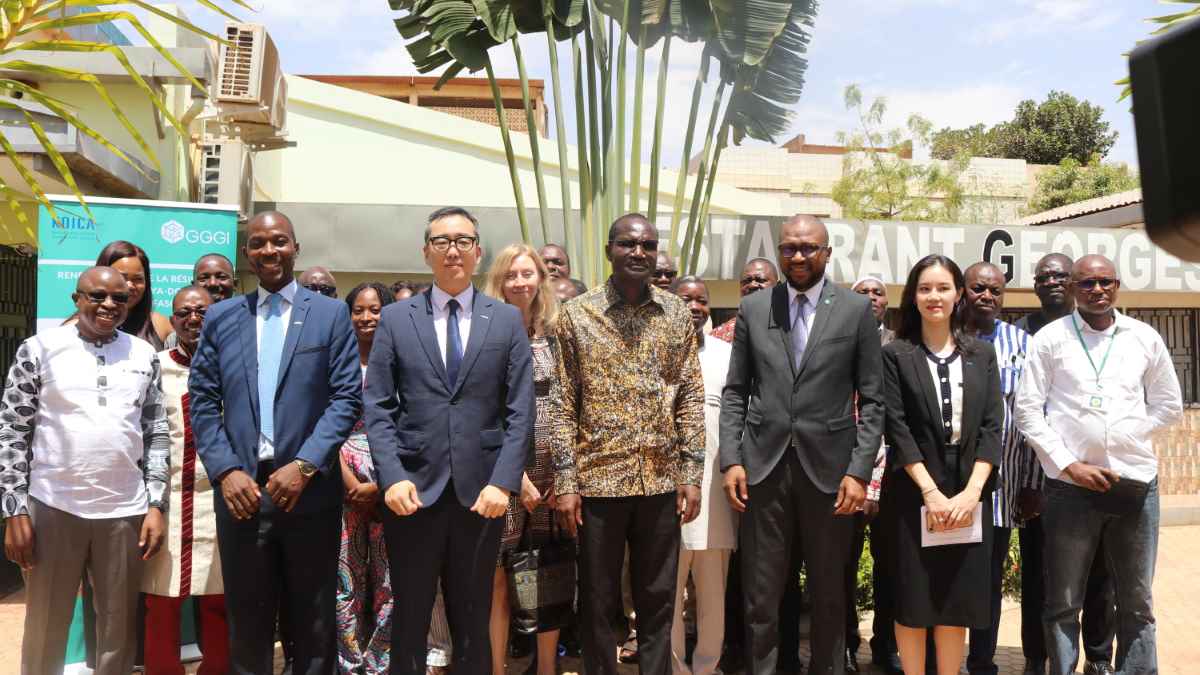
KOICA is going to promote sustainable development through strengthening the capacity to manage societal, political, economic, and environmental risks
OUAGADOUGOU, Burkina Faso, March 14, 2023/APO Group/ —
The Korean International Cooperation Agency (KOICA) and the Global Green Growth Institute (GGGI) (www.GGGI.org) signed a financing agreement on 9th March 2023 in Ouagadougou, to jointly strengthen the resilience and sustainable development of the Kaya-Dori axis in the Centre-Nord region of Burkina Faso.
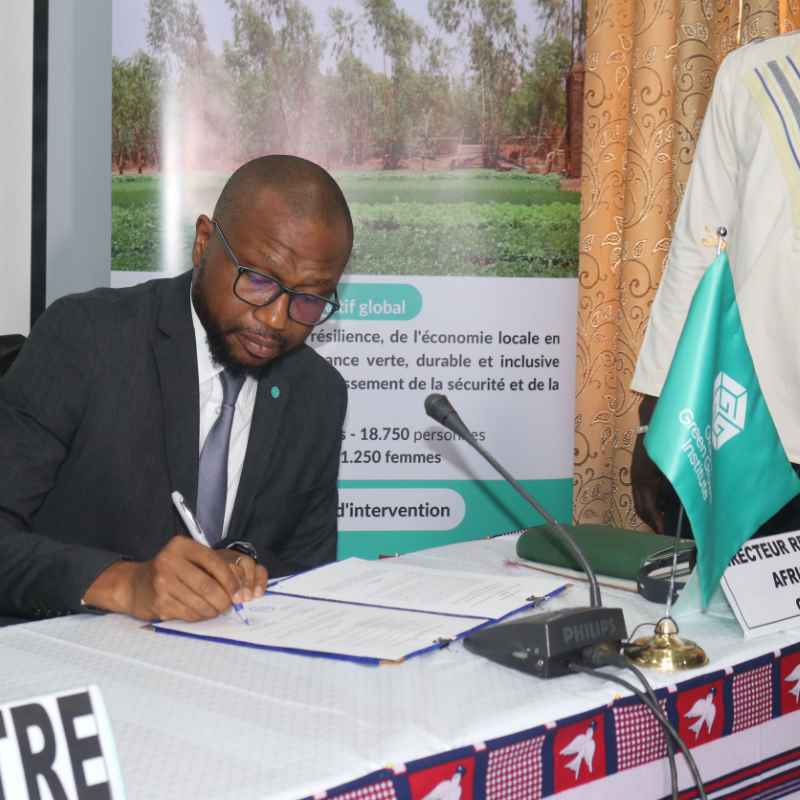
According to the Korean government’s the Humanitarian-Development-Peace Nexus Implementation Strategy to contribute to international efforts to address the root causes of fragility, KOICA is going to promote sustainable development through strengthening the capacity to manage societal, political, economic, and environmental risks.
The project will last for three years with a budget of 3 million US dollars, or about 2 billion XOF. It will be implemented by GGGI in collaboration with the Government of Burkina Faso, the Technical Alliance for Development Assistance (ATAD) and Action for the Promotion of Local Initiatives (APIL).
It will offer solutions for sustainable livelihoods of 750 direct beneficiary households, and reach more than 18,750 indirect beneficiaries, 60% of whom are women

The project will address issues relating to environmental preservation, access to water, food security, the promotion of women, income-generating activities, sustainable agriculture, and natural resource management. It will complement existing initiatives that support the government in managing the internal displacement crisis resulting from terrorism in the Sahel. However, it goes beyond humanitarian support to build community resilience and sustainable development focused on local green growth strategies.
For the Minister of Environment, Water and Sanitation (MEEA), this project will contribute to its objectives to increase the recovery and sustainable management of degraded agricultural land, greening of local development plans, promotion of solar pumping systems for agricultural production, access to environmentally friendly cooking systems, and the creation of nutritious community gardens.
GGGI will capitalize the project results to design a replicable intervention model for promoting green growth in situations of conflict and fragility.
According to the Governor of the Center-North Region, Colonel Major Zoewendmanego Blaise Ouédraogo: “This project will bring relief to the population of the region by providing considerable support to internally displaced persons (IDPs). It will offer solutions for sustainable livelihoods of 750 direct beneficiary households, and reach more than 18,750 indirect beneficiaries, 60% of whom are women.”
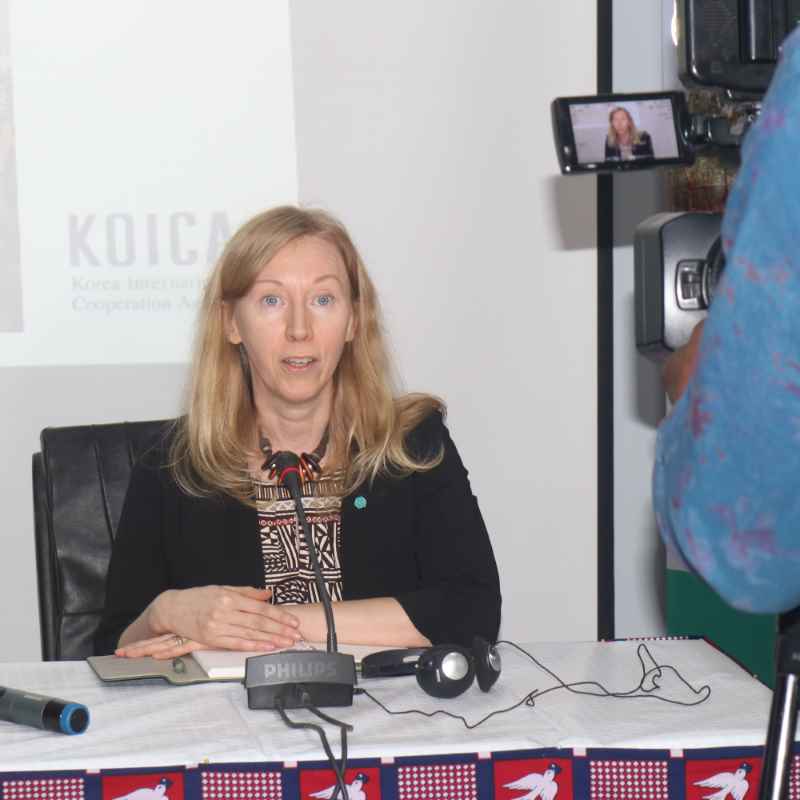
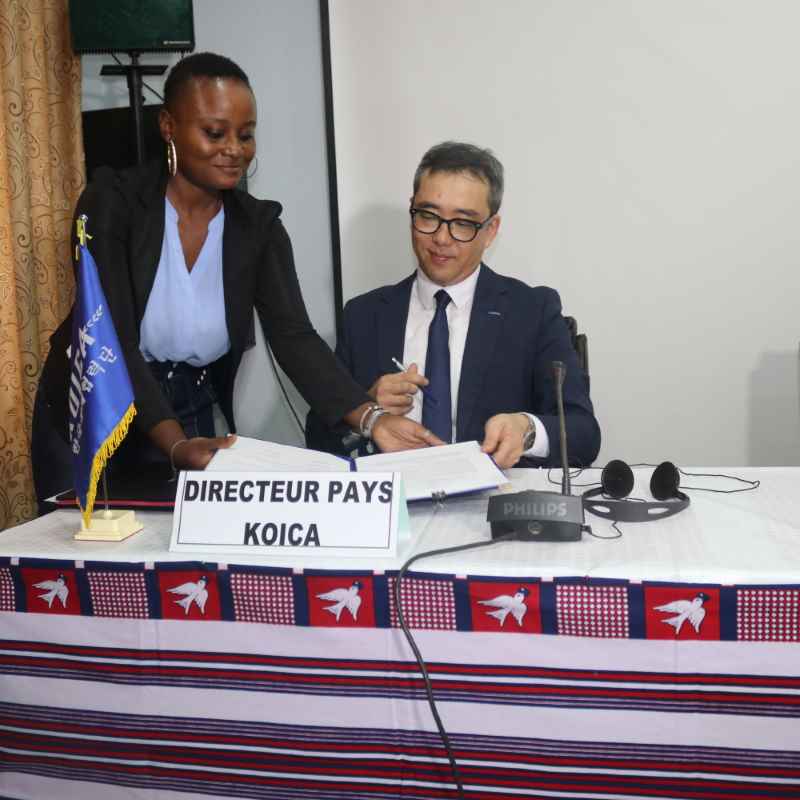
The Country Director of the KOICA office in Côte d’Ivoire covering several African countries, Mr. Dong-wan Woo, stressed the importance for KOICA to strengthen and boost cooperation between Korea and Burkina Faso. He said: “Strengthening resilience and consolidating peace on the Kaya-Dori axis through this project demonstrates that Korea is a friendly country concerned about the future of Burkina Faso’s population.”
Over the past five years, GGGI and KOICA have delivered several joint projects around the world. They include the promotion of renewable energy in Fiji, Vanuatu, Solomon Islands and Papua New Guinea; wastewater and solid waste treatment in the Lao People’s Democratic Republic; the management of the Aral Sea ecological crisis faced by the Republic of Karakalpakstan; the promotion of climate-smart agriculture in Nepal, the Strengthening of Solid Waste and Faecal Sludge Management Capacity for the Greater Kampala Metropolitan Area in Uganda and a project in Ethiopia called climate resilient forest and landscape restoration.
Distributed by APO Group on behalf of GGGI Burkina Faso Country office.








Business
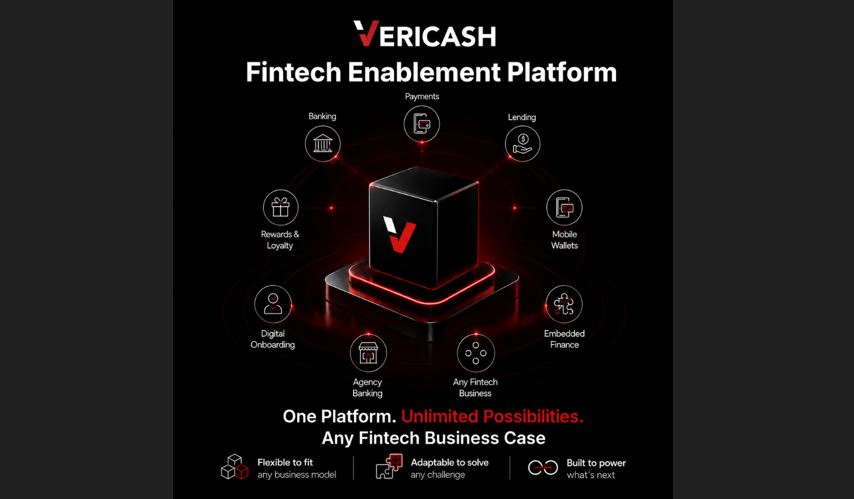
CIT VERICASH Recognized as Best Digital Financial Services Platform of 2026 by Global Business Outlook
Business
Comsol enters wholesale 5G home broadband market with backing from new shareholders
Business
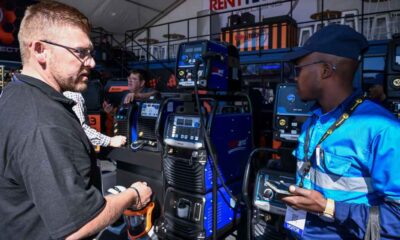
Electra Mining Africa: Showcasing the Technologies Shaping the Future of Industry
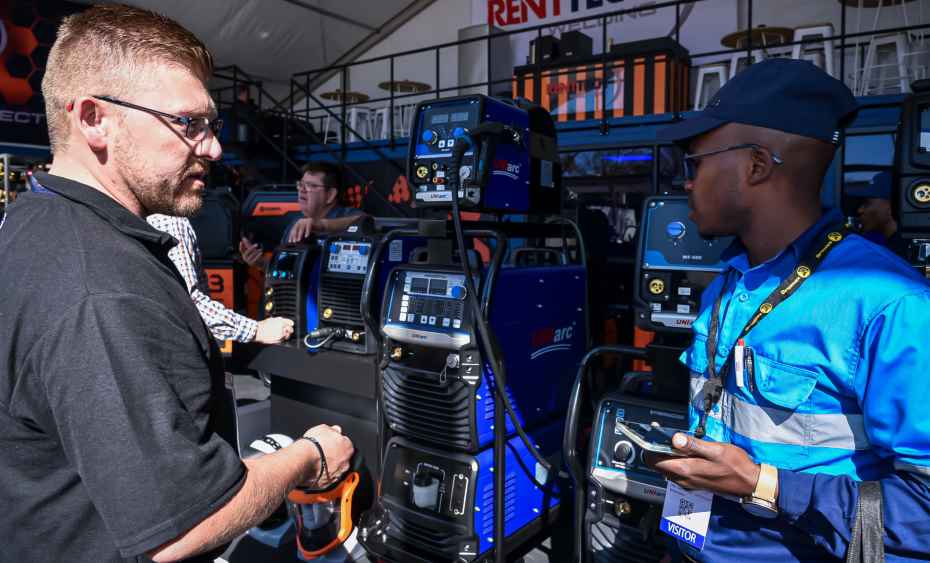
More than 1,000 exhibitors, technical seminars, industry forums and networking opportunities will bring together the people, products and ideas shaping industrial progress across Africa
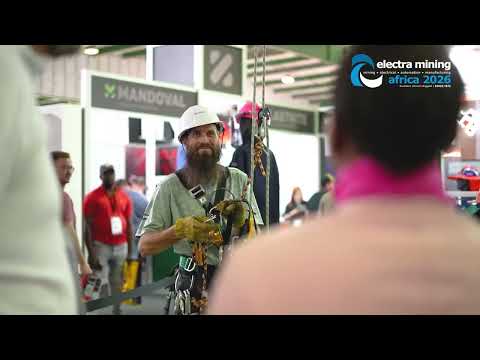
Taking place from 7-11 September at the Johannesburg Expo Centre in Nasrec, Johannesburg, Electra Mining Africa will once again provide a meeting place for industry. Recognised as one of Africa’s leading industrial exhibitions, the event will bring together more than 1,000 predominantly local exhibitors, together with international companies, country pavilions, industry organisations, technical specialists, business leaders and decision-makers from across mining, manufacturing and related industries.
By bringing together six complementary sectors—mining, manufacturing, automation, electrical and power, transport and related engineering sectors—under one roof, Electra Mining Africa enables visitors to explore how integrated technologies and solutions can improve productivity, safety and operational performance. The exhibition provides a unique opportunity to compare products, engage directly with technical experts and discover how innovations from different sectors are increasingly working together to support smarter industrial operations.
Reflecting continued industry confidence, Electra Mining Africa has expanded its footprint for the 2026 edition, growing by 4,000m² to a record 44,000m² of net exhibition space across six indoor exhibition halls and expanded outdoor display areas.
Visitors will have the opportunity to explore solutions ranging from large-scale mining equipment and industrial machinery to automation systems, artificial intelligence (AI), robotics, digital manufacturing, predictive maintenance technologies, power solutions and advanced engineering services. The exhibition also features pumps, valves, welding and fabrication equipment, safety solutions, personal protective equipment (PPE), tools, components and specialist industrial services.
Electra Mining Africa has become an important business platform for companies serving markets across Africa. At the previous edition, industry professionals from 58 countries were represented, reflecting the exhibition’s growing international reach and its role in connecting manufacturers, technology suppliers, distributors, buyers and decision-makers from across the continent and beyond. For many exhibitors, the exhibition provides opportunities to strengthen customer relationships, meet prospective buyers, appoint distribution partners and explore new business opportunities. For visitors, it offers access to both internationally recognised brands and locally developed technologies designed to address the operational requirements of African industry.
Electra Mining Africa brings together the technologies, expertise and industry relationships that help organisations make informed decisions
Beyond the exhibition floor
Electra Mining Africa offers an extensive programme of technical knowledge sharing, professional development and industry collaboration. Free-to-attend seminars hosted by the Southern African Institute of Mining and Metallurgy (SAIMM) will explore practical operational challenges and emerging technologies, while the Society for Automation Instrumentation Mechatronics and Computer Engineering (SAIMC) will present specialist workshops on advances in automation and mechatronics. WiMSA’s Women in Mining workshop will provide a forum for discussion around leadership, opportunity and professional development, and the Lifting Equipment Engineering Association of South Africa (LEEASA) will host its two-day National Conference, bringing together industry professionals to share knowledge and discuss developments affecting the sector.
New for 2026, the SA Institution of Mechanical Engineering (SAIMechE) Skills and Career Hub will strengthen collaboration between industry and the education and training sector, encouraging conversations around future workforce requirements, skills development and innovation. Visitors will also be able to experience the Geological Society of South Africa (GSSA) Explorers Pitch, where finalist student teams present their mineral exploration projects to an expert industry judging panel before the winning team is announced.
Also taking place during Electra Mining Africa are the New Products and Innovation Awards, which recognise outstanding achievements by both local and international exhibitors. Adjudicated by the South African Capital Equipment Export Council (SACEEC), entries are evaluated against a comprehensive set of criteria, including innovation, engineering excellence, research and development, product quality, technical expertise and the practical value each solution delivers to industry. The winners are announced during the exhibition, recognising companies whose products and innovations are advancing technology, performance and industrial application.
“Industrial businesses are facing increasingly complex challenges that cannot be solved in isolation. Electra Mining Africa brings together the technologies, expertise and industry relationships that help organisations make informed decisions, identify practical solutions and build partnerships that support long-term growth. That’s what makes the exhibition such an important meeting place for industry, not only in South Africa but for businesses operating across the African continent,” says Charlene Hefer, Portfolio Director at Montgomery Group, organisers of Electra Mining Africa..
Industry professionals wishing to attend Electra Mining Africa can register (https://apo-opa.co/4xthQPH) as a Standard Visitor free of charge. There is also an option to upgrade to a Diamond Select Visitor.
Distributed by APO Group on behalf of Montgomery Group Africa.