

Business
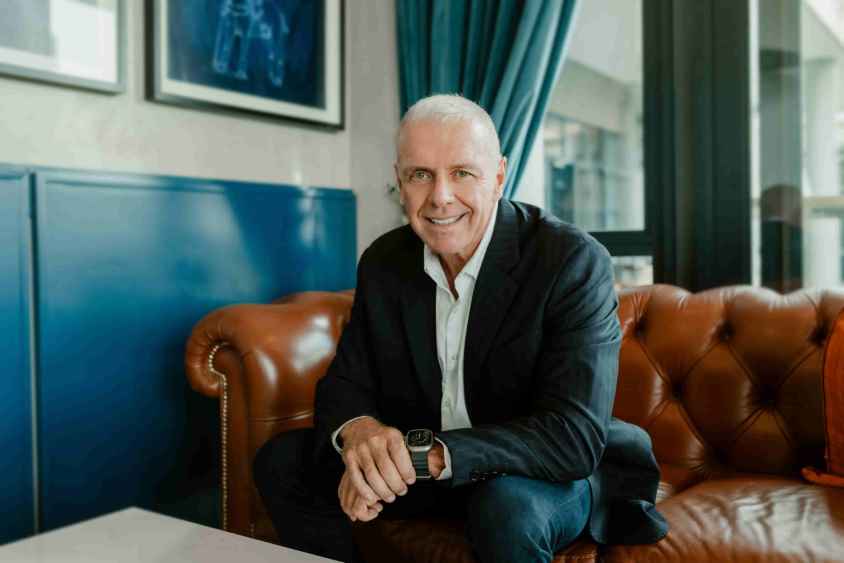
APO Group appoints Kris Wanamaker as Chief Revenue Officer to drive continued growth

Kris will join the APO Group Management Team and will be based in Cape Town and London
JOHANNESBURG, South Africa, October 26, 2022/APO Group/ —
APO Group (www.APO-opa.com), the leading Pan-African communications consultancy and press release distribution service, is delighted to announce the appointment of South African-British-American national Kris Wanamaker as Chief Revenue Officer (CRO).
As CRO, Kris will be responsible for all revenue-related functions at APO Group, including marketing, sales, customer support, further expansion of our service offering, and revenue management.
The hiring process for this new role began six months ago, and has been the most extensive ever undertaken by APO Group with the entire Management Team involved in ensuring the right candidate was found.
One of Kris’s first missions will be to harness the power of APO Group’s unique model, integrating the company’s renowned press release distribution and Public Relations business units into a single turnkey solution that provides clients with unparalleled Pan-African communications support.
Kris has over 20 years of experience in sales and marketing.
Throughout her career, she has reliably delivered results for agencies and corporates, as well as the start-up organizations she co-founded with fellow industry leaders. As a South African national who also holds UK and US passports, she has done this across several geographies, including Dubai, Cape Town, Johannesburg, and London.
It is clear that this is a ‘people-first’ company with a passion for its clients, and as CRO I have a fantastic opportunity to work with like-minded colleagues

Kris has vast experience with some of the biggest global brands including Microsoft, BMW and Daimler Chrysler. She has also looked after various stakeholders at several levels, including Gulf royalty, property developers, and politicians.
Throughout her career, Kris has demonstrated her versatility and entrepreneurial spirit. She has co-founded four successful companies including: a telecommunications business in Johannesburg; a copywriting agency in South Africa; a real estate firm, and an interior design/architecture firm in the UAE. This last company was awarded “Best Interior Decorating and Design Business Dubai” by UAE Business in 2017.
Kris is a major champion of people development. She focuses on creating safe and collaborative environments for her teams while encouraging individuals to grow and excel.
Kris will join the APO Group Management Team, and will be based in Cape Town and London.
Kris’s appointment comes at a time of exceptional growth for APO Group. The company reported increased revenue of 88% in the first semester of 2022, versus the same period in 2021, and this success has allowed APO Group to continue to recruit the very best talent from the African and international communications communities.
In recent months, the company has made several high-caliber appointments to senior positions, including former Edelman Content Strategist Lindsay Farley, who was hired as Vice President of Editorial and Content Strategy, and new Head of Design Hussain Ali, who was previously Design Lead at Ogilvy.
“This is a new role for both me and for APO Group, and I’m extremely excited to get started,” said Kris Wanamaker, Chief Revenue Officer of APO Group. “It is clear that this is a ‘people-first’ company with a passion for its clients, and as CRO I have a fantastic opportunity to work with like-minded colleagues to help even more organizations thrive in Africa.”
“This has been the most intensive and prolonged recruitment process we’ve ever had, but we couldn’t be happier with the result,” said Nicolas Pompigne-Mognard, Founder and Chairman of APO Group. “Kris has not only demonstrated excellence in revenue generation throughout her career, but she also has the entrepreneurial spirit and global experience to develop ideas and strategies that will take APO Group to the next level.”
Distributed by APO Group on behalf of APO Group.










Business
CIT VERICASH Recognized as Best Digital Financial Services Platform of 2026 by Global Business Outlook

Business
Comsol enters wholesale 5G home broadband market with backing from new shareholders
Business
Electra Mining Africa: Showcasing the Technologies Shaping the Future of Industry
More than 1,000 exhibitors, technical seminars, industry forums and networking opportunities will bring together the people, products and ideas shaping industrial progress across Africa
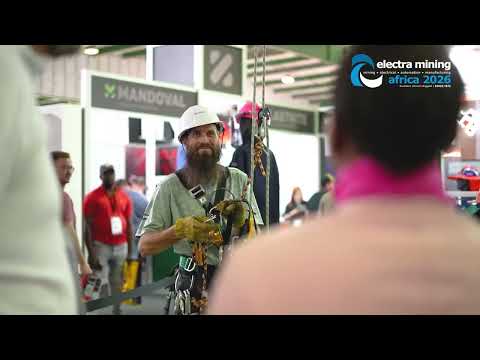
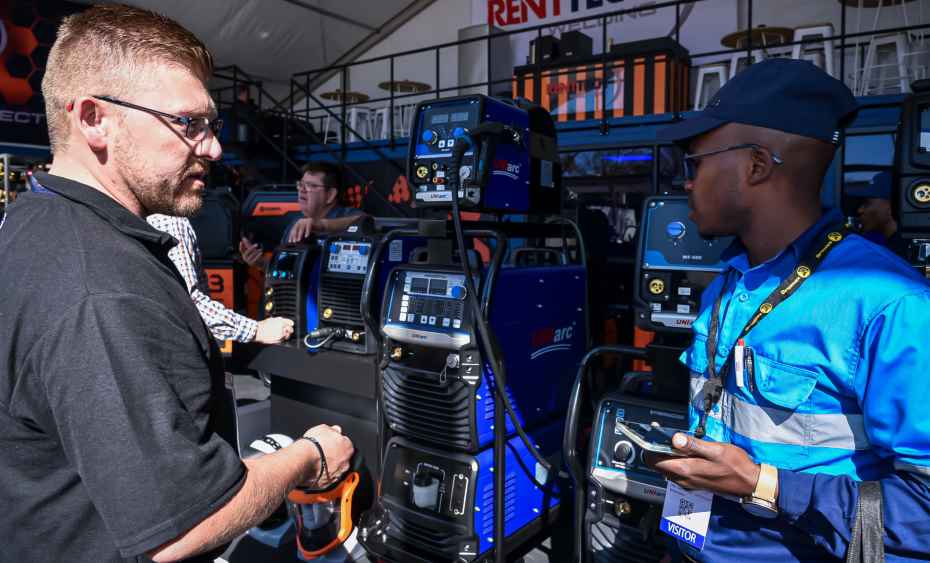
Taking place from 7-11 September at the Johannesburg Expo Centre in Nasrec, Johannesburg, Electra Mining Africa will once again provide a meeting place for industry. Recognised as one of Africa’s leading industrial exhibitions, the event will bring together more than 1,000 predominantly local exhibitors, together with international companies, country pavilions, industry organisations, technical specialists, business leaders and decision-makers from across mining, manufacturing and related industries.
By bringing together six complementary sectors—mining, manufacturing, automation, electrical and power, transport and related engineering sectors—under one roof, Electra Mining Africa enables visitors to explore how integrated technologies and solutions can improve productivity, safety and operational performance. The exhibition provides a unique opportunity to compare products, engage directly with technical experts and discover how innovations from different sectors are increasingly working together to support smarter industrial operations.
Reflecting continued industry confidence, Electra Mining Africa has expanded its footprint for the 2026 edition, growing by 4,000m² to a record 44,000m² of net exhibition space across six indoor exhibition halls and expanded outdoor display areas.
Visitors will have the opportunity to explore solutions ranging from large-scale mining equipment and industrial machinery to automation systems, artificial intelligence (AI), robotics, digital manufacturing, predictive maintenance technologies, power solutions and advanced engineering services. The exhibition also features pumps, valves, welding and fabrication equipment, safety solutions, personal protective equipment (PPE), tools, components and specialist industrial services.
Electra Mining Africa has become an important business platform for companies serving markets across Africa. At the previous edition, industry professionals from 58 countries were represented, reflecting the exhibition’s growing international reach and its role in connecting manufacturers, technology suppliers, distributors, buyers and decision-makers from across the continent and beyond. For many exhibitors, the exhibition provides opportunities to strengthen customer relationships, meet prospective buyers, appoint distribution partners and explore new business opportunities. For visitors, it offers access to both internationally recognised brands and locally developed technologies designed to address the operational requirements of African industry.
Electra Mining Africa brings together the technologies, expertise and industry relationships that help organisations make informed decisions
Beyond the exhibition floor
Electra Mining Africa offers an extensive programme of technical knowledge sharing, professional development and industry collaboration. Free-to-attend seminars hosted by the Southern African Institute of Mining and Metallurgy (SAIMM) will explore practical operational challenges and emerging technologies, while the Society for Automation Instrumentation Mechatronics and Computer Engineering (SAIMC) will present specialist workshops on advances in automation and mechatronics. WiMSA’s Women in Mining workshop will provide a forum for discussion around leadership, opportunity and professional development, and the Lifting Equipment Engineering Association of South Africa (LEEASA) will host its two-day National Conference, bringing together industry professionals to share knowledge and discuss developments affecting the sector.
New for 2026, the SA Institution of Mechanical Engineering (SAIMechE) Skills and Career Hub will strengthen collaboration between industry and the education and training sector, encouraging conversations around future workforce requirements, skills development and innovation. Visitors will also be able to experience the Geological Society of South Africa (GSSA) Explorers Pitch, where finalist student teams present their mineral exploration projects to an expert industry judging panel before the winning team is announced.
Also taking place during Electra Mining Africa are the New Products and Innovation Awards, which recognise outstanding achievements by both local and international exhibitors. Adjudicated by the South African Capital Equipment Export Council (SACEEC), entries are evaluated against a comprehensive set of criteria, including innovation, engineering excellence, research and development, product quality, technical expertise and the practical value each solution delivers to industry. The winners are announced during the exhibition, recognising companies whose products and innovations are advancing technology, performance and industrial application.
“Industrial businesses are facing increasingly complex challenges that cannot be solved in isolation. Electra Mining Africa brings together the technologies, expertise and industry relationships that help organisations make informed decisions, identify practical solutions and build partnerships that support long-term growth. That’s what makes the exhibition such an important meeting place for industry, not only in South Africa but for businesses operating across the African continent,” says Charlene Hefer, Portfolio Director at Montgomery Group, organisers of Electra Mining Africa..
Industry professionals wishing to attend Electra Mining Africa can register (https://apo-opa.co/4xthQPH) as a Standard Visitor free of charge. There is also an option to upgrade to a Diamond Select Visitor.
Distributed by APO Group on behalf of Montgomery Group Africa.