

Business
Africana X plosion – From Nigeria to the World; Africana set standards for success in Africa
The Africana brand made significant statement of intent – that they are taking the lead in the movement to propagate African fashion on a global scale
ABIDJAN, Ivory Coast, September 23, 2022/APO Group/ —
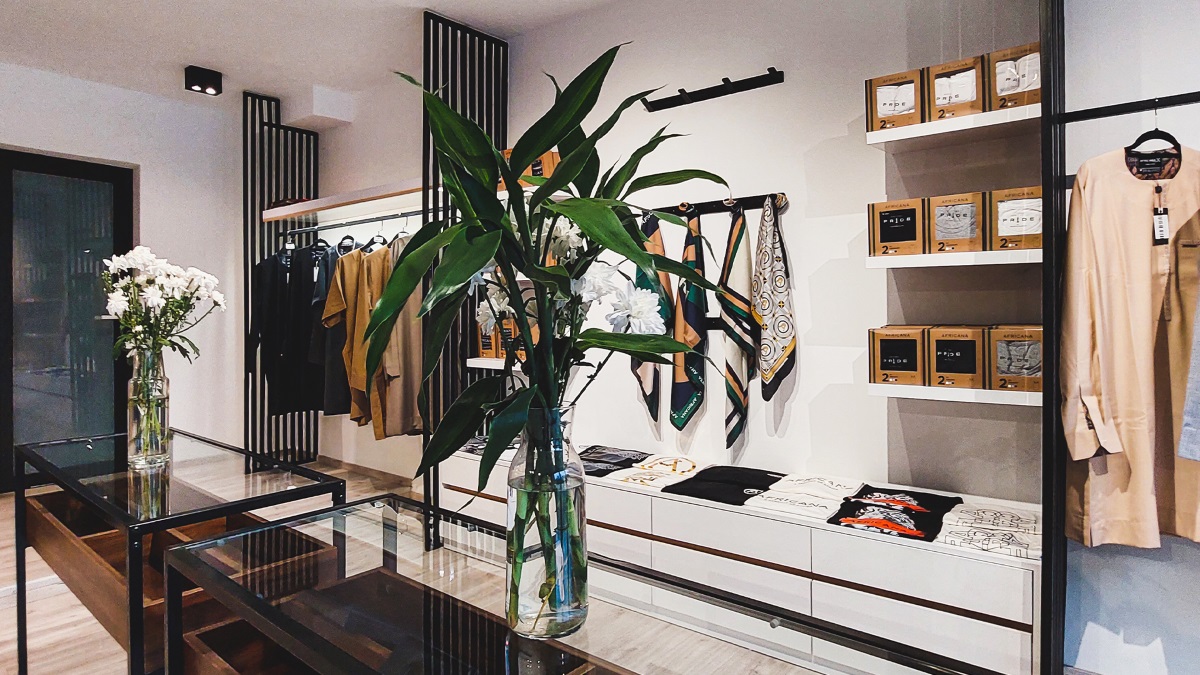
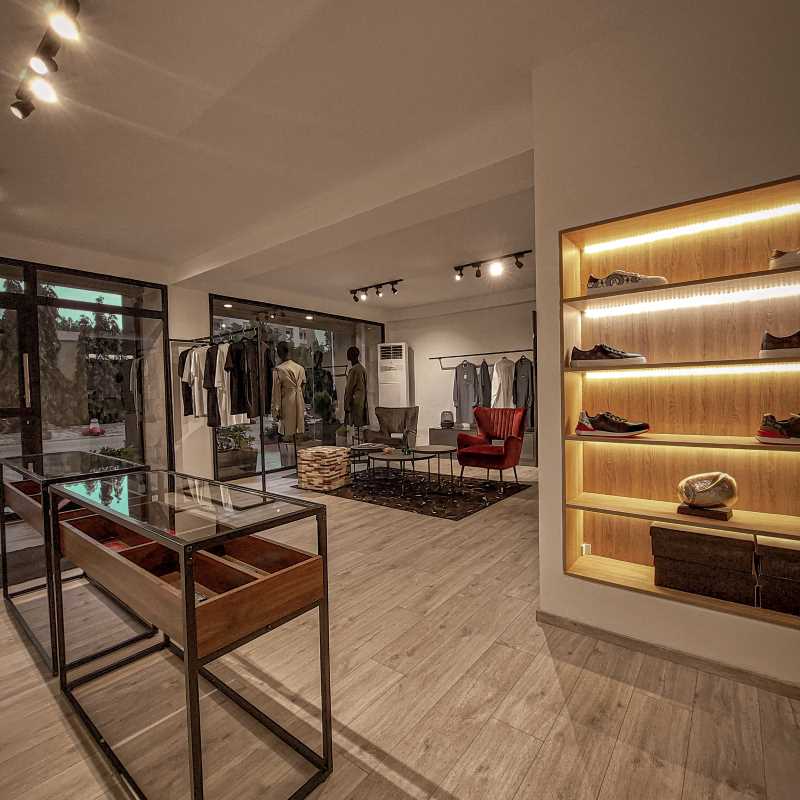
The merry sound of clinking glasses, hearty laughter and afrobeats music permeated the cool September evening at Rue Marconi Zone 4, a posh business district in the Ivorien port city of Abidjan. The motley crowd of extremely well and colourfully dressed individuals gathered at the brilliantly lit venue were celebrating the grand opening of an Africana X (https://shopAfricana.co) flagship store – the first of its kind outside of Nigeria.
By establishing this new store in Abidjan, a city that widely reflects the culture of French speaking West Africa, the Africana (https://bit.ly/3R7Wv8m) brand made significant statement of intent – that they are taking the lead in the movement to propagate African fashion on a global scale.
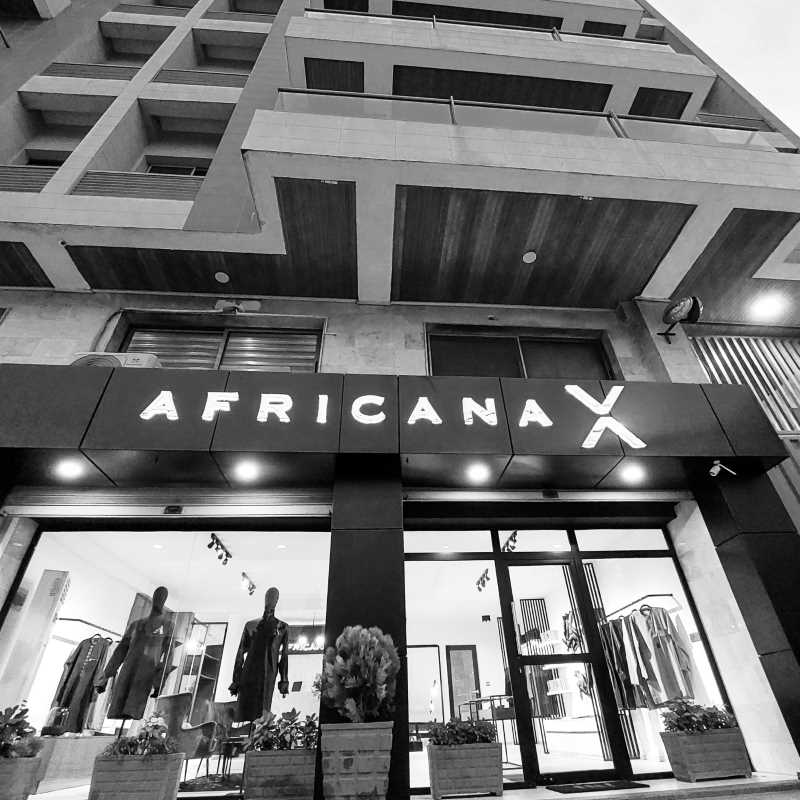
Perhaps, this explains the fanfare and overwhelming outpouring of goodwill that greeted the event by friends and the teeming fans of the brand, both at the venue and online, across the brand’s social media platforms. To many who follow, patronize, collaborate with, or look up to Africana Couture, this ceremony signified more than just expansion, this was a celebration of African excellence and a milestone in Africana Couture’s (https://bit.ly/3Rbw3KW) masterplan to redefine what African fashion is, and ultimately rebrand Africa.
The brand, Africana Couture
Birthed by a vision to put African fashion on the world map, Africana’s focus was to change the way traditional African attire was perceived locally and internationally. The strategy to do this was simple; fuse the uninhibited creativity of African design concepts with the very best in tailoring methods/technology and top it off with unwavering commitment to excellence in process execution and service delivery.
More than 10 years down the line, this strategy has proven extremely effective. This is evidenced by the fact that Africana Couture (https://AfricanaCouture.com), boasts amongst its clientele, a wide assortment of presidents, industry leaders, celebrities and expatriate connoisseurs of great fashion, who are enamoured with the brand’s consistent track record of distinctive excellence.
However, with inclusiveness as one of the core edicts of the Africana brand, it became essential to devise a means to involve more people whose tastes might defer from the usual bespoke traditional offerings and this necessitated the creation of Africana X.
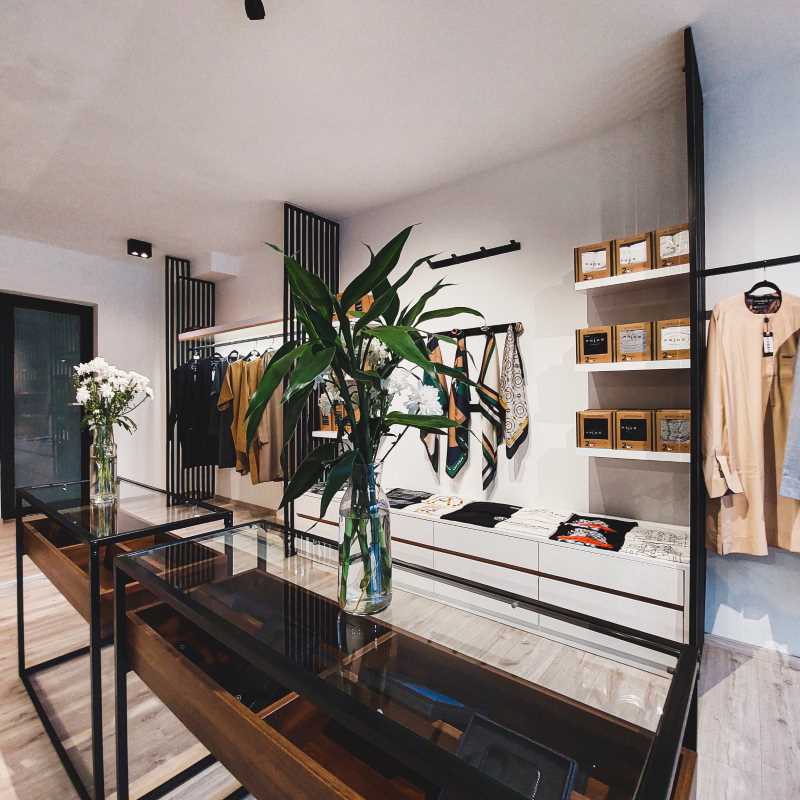
Africana X, or Africana Xperience (https://shopAfricana.co), is a subdivision of the Africana corporation that disrupts the market place for bespoke fashion by offering ready-to-wear pieces, at affordable prices, at its physical boutiques and e-marketplace. Africana Xperience caters to the needs of sophisticated individuals who want to enjoy the sartorial standards offered by bespoke tailoring, without the wait time that is usually required.
Taking its maxim of inclusiveness even further, Africana X goes beyond its primary offering of traditional pieces. With the Africana Heritage collection (https://bit.ly/3LA00Dp), it offers streetwear that pay homage to Icons of African history; the Africana Traditional Bags and Clan Scarf collections offer premium ancillary items; and even sneaker heads are not left out as the store offers a range of specially crafted sneakers to satisfy even the most avid collector.
The Africana X (https://shopAfricana.co) store expands the range of the brand’s service delivery potential from just luxury fashion to luxurious lifestyle, and in service of the promise of the brand’s moniker, has become a curator of the luxurious side of the African experience.
The incredible journey and success of the Africana brand can be attributed to the passion, dedication and creativity of the over 150-man team, however, none of these would have been possible without the vision, leadership and design of Charles ‘Africana’ Oronsaye (https://bit.ly/3dIYDpc).

The Man, Charles Oronsaye
Despite a degree and a promising career in Law, Charles Oronsaye (https://bit.ly/3Spo5Ph), the founding creative director of Africana Couture (https://bit.ly/3xKVnAO), made up his mind pretty early to deviate from the beaten path and follow his own way. Possessing a fiercely independent mind and rebellious spirit, he knew acquiescing to the dictates of societal expectations would never suit him, and so, after brief detours in music and the entertainment industry, his journey brought him to fashion.
From humble beginnings in Benin city, Nigeria, Charles had a very clear idea of what it was he was building. Even as a fresh-faced university graduate in early 2010s, Charles was adept at spotting opportunities; which in this case was the social media following he had built during his time in the media. In the absence of financial capital, he leveraged on his social capital to build a network of clients, partners and staff.
Operating exclusively from his social media platform, Charles learnt the trade on the journey, calling upon all his tenacious resolve, creativity, affable personality and ability to adapt and evolve. One decade later, the daring young man who had big dreams has been replaced by a seasoned businessman, Forbes entrepreneur and inspiration to a generation of young African fashion professionals.
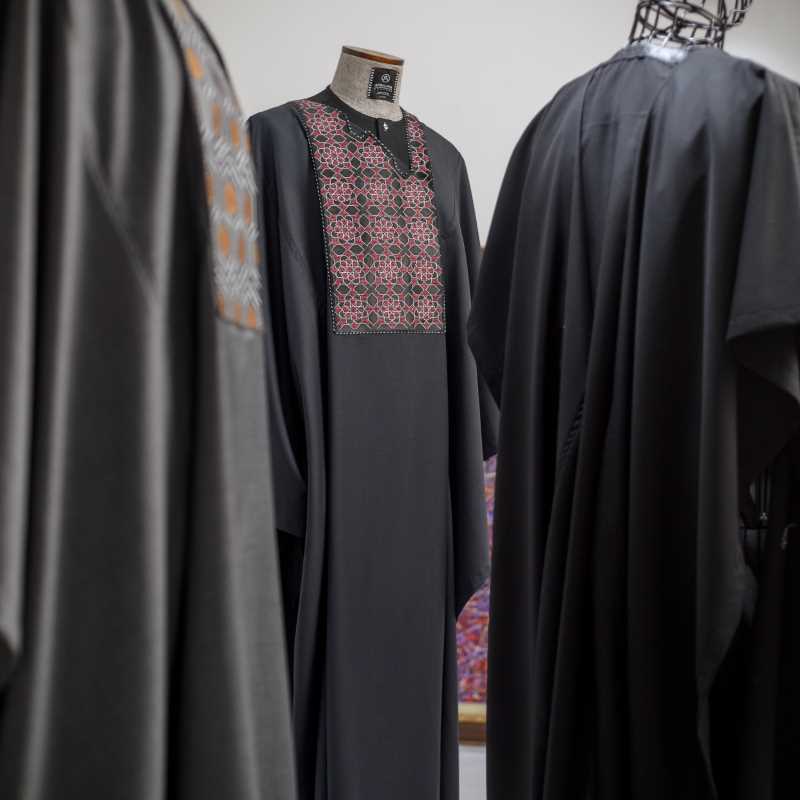
The Africana X store expands the range of the brand’s service delivery potential from just luxury fashion to luxurious lifestyle
According to him, one key element in the success of the brand is that he has never lost sight of the principles which informed the mission in the first place. This is illustrated by the fact that despite the fact that he has assembled some of the brightest minds to build this dream with him, he remains deeply entrenched in the process, ensuring that the vision maintains its heading.
The fact that the name, Africana is interchangeably used to identify the man and the brand is testament to Charles’ hands-on approach to doing business and his determination to ensure the brand stays true to its founding edicts.
Under his leadership and guidance, Africana Couture has transformed into more than just a fashion label selling men’s clothing. it is now widely viewed as a lifestyle and aspirational brand that curates one of the most exciting versions of the African experience- one of luxury, minimalist beauty and consistent excellence.
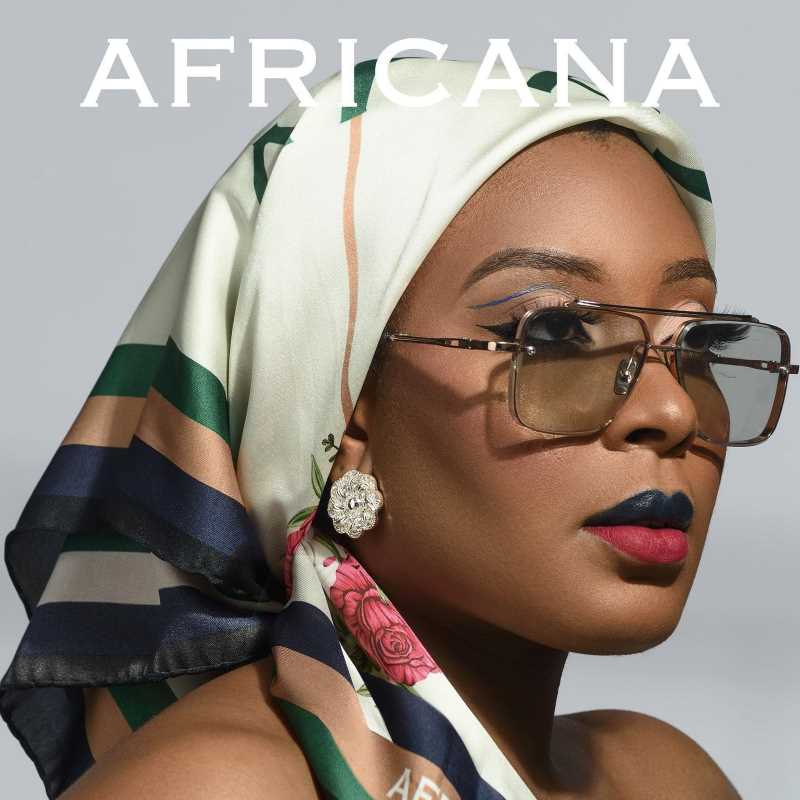
Abidjan today, Tomorrow the world (After Abidjan, What Is Next?) (https://bit.ly/3C5Bhnn)
Following the launch of African X in Abidjan, plans are underway to replicate the success of Africana’s private tailoring business model in Dakar, Senegal, the style capital of French West Africa, and an even more audacious campaign to plant seeds in the original concrete jungle, New York City by the end of the year.
The proliferation of the brand into New York City is strategic, as the Big Apple is not only an important fashion capital, but is also a nexus for global commerce. It therefore makes sense to first setup shop here and then spread its tendrils across the Americas, Europe and eventually Asia.
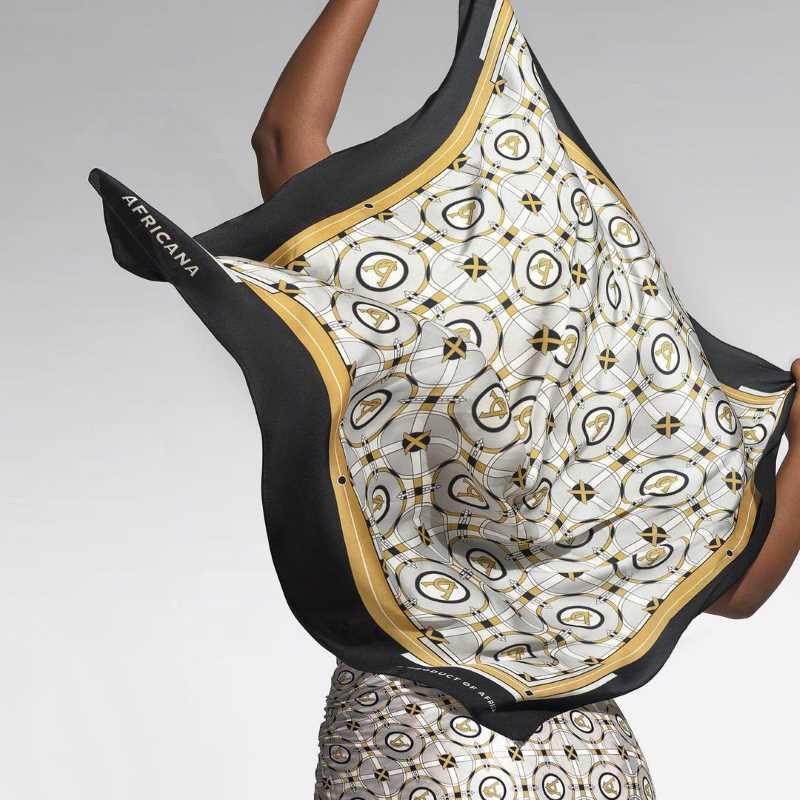
Africana beyond fashion (https://bit.ly/3C3fb4H)
Over the course of the last decade, Africana has metamorphosed into an industry leader, credited with making definitive contributions to the African fashion ecosphere such as creating the first-ever African measurement template which takes into consideration, factors that are uniquely African in nature which were largely overlooked by the dimensions recommended by western fashion industry.
In its role as an industry gatekeeper, Africana is a standard against which other brands can measure progress and a beacon providing a guiding light to newcomers who seek direction.
In addition to these bold strides in the fashion industry, Africana has pivoted and branched into other economic sectors including Fin-Tech, with its foray into Blockchain technology and is making moves in real estate with its plan to launch Africana Smart HQ.
On the philanthropic/social awareness front, the brand also manages to combine industrial finesse with corporate responsibility with moves such as; ensuring it remains an equal opportunity employer, creating a fund dedicated to catering to the welfare of needy women and children and ensuring that the stringent Covid-19 rules are adhered to in all its dealings.
There is also Africana H2O, a brand of bottled water available in a handful of locations across the continent which exists to reiterate the importance of access to safe drinking water for everyone.
In conclusion
Africa is experiencing a renaissance which has mostly been championed by the creative industry within the continent. This afrocentric wave has increased the love for, and influence of most things afroculture. The world is paying attention and more people are looking to Africa; no longer just a destination for pity and charity, but as a veritable source of inspiration and ideas.
This paradigm shift is one that comes with far-reaching attendant benefits and with ambassadors such as Charles Oronsaye (https://bit.ly/3UuqRom) and his band of merry innovators at Africana Couture (https://bit.ly/3R5SBwH) leading this new movement, we can rest assured that the African story is getting a happy and beautiful ending.
Distributed by APO Group on behalf of AFRICANA COUTURE.










Business
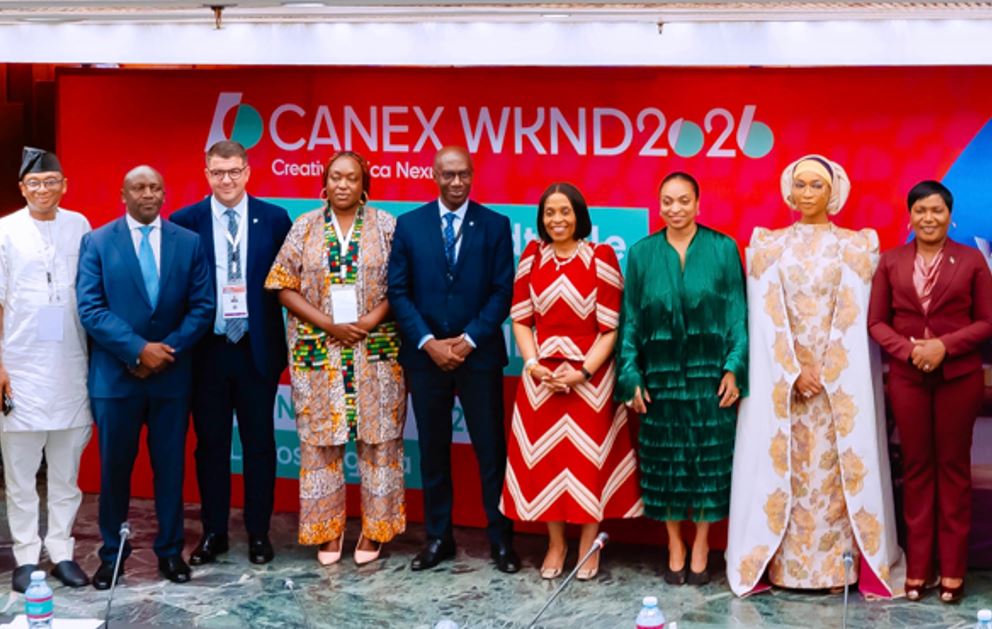
Creative Africa Nexus (CANEX) WKND 2026 opens in Lagos, bringing together leading African and diaspora creatives, investors and policymakers
Business
Coca-Cola system invests USD 1.22 million to strengthen water security in Namibia
Business
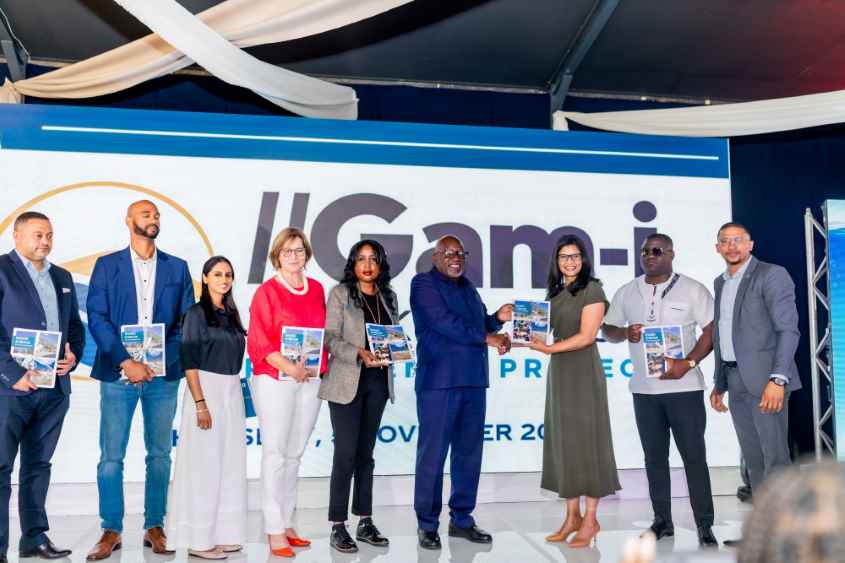
‘Power, Protect, Purchase’: Africa Made It unveils blueprint to capture USD 34B in GDP and accelerate African industrial sovereignty
Africa Practice research shows that Africa exports up to 98% of its raw cotton overseas and captures only 2% of its total value while incurring a USD 35 billion annual trade deficit
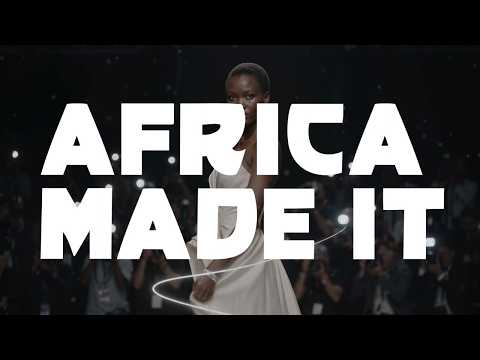
African culture, design, and storytelling influence global fashion, music, and media like never before
Africa Made It is driven by a consortium of leading pan-African organisations, advocacy groups, and media organisations who are positioning Africa as a global investment hub. Its flagship campaign, spotlighting the fibre-to-fashion value chain, presents a clear roadmap for continental industrialisation: securing competitive energy power for local industrial mills, enacting policy measures to protect emerging domestic manufacturers from unfair foreign imports, and rallying African consumers to purchase locally manufactured apparel. Together, these three pillars ensure that value created from African resources remains on African soil.
Africa Practice research shows that Africa exports up to 98% of its raw cotton overseas and captures only 2% of its total value while incurring a USD 35 billion annual trade deficit. Building the continent’s domestic processing capacity in spinning, weaving, and sewing locally produced cotton will sustain nearly two million permanent industrial jobs and inject approximately USD 33 billion directly into domestic household incomes every year, in addition to a recurring contribution of USD 34 billion to the continent’s GDP.
While these figures reveal the immense macro-economic potential of the value chain, the true heart of this transformation lies in its human impact. Industrial wages and local lint purchases leading to increased capital circulation in rural communities can drive community micro-economic vitality and contribute to rural poverty reduction. Additionally, formal employment opportunities can expand drastically for women, as they currently make up between 70-90% of garment factory workers on the continent.
Realising this vision and changing the lives of millions of people requires a deliberate combination of targeted investments, supportive trade policies, and consumer mobilisation. A USD 1.8 billion capital allocation toward critical structural enablers for garment transformation is the foundation for bridging Africa’s missing middle in the fibre-to-fashion value chain.
Marie Wilke, editor-in-chief of the Africa Made It magazine, said, “African culture, design, and storytelling influence global fashion, music, and media like never before. Yet, without domestic manufacturing infrastructure, Africa’s creative authority yields very little economic return. Linking raw cotton harvest directly to local processing ensures that the intellectual property, commercial margins, and industrial jobs remain on the continent. It is time to wear our power.”
To learn more about the potential of Africa’s fibre to fashion value chain, watch the campaign video (https://apo-opa.co/4BKAIvY) or read the Africa Made it (https://apo-opa.co/4zvA5VF)magazine (https://apo-opa.co/4zvA5VF). Access the campaign website and resources in English (https://apo-opa.co/4zvA5VF) and French (https://apo-opa.co/4zrK8e2).
Distributed by APO Group on behalf of Africa Made It.
-

 Business4 days ago
Afreximbank supports Veenocks’ US$145 million project for industrial expansion and regional growth
-
 Business4 days ago
Visa and Senegal join forces to accelerate digital transformation and the development of digital payments
-
Business4 days ago
Afreximbank Country Brief Explores Gabon’s Reform Momentum and Diversification Drive
-

 Business4 days ago
Oando Production Hits 42,985 boepd as Revenue Grows 9% in 9M 2026
-
 Business4 days ago
5 Investment Opportunities Putting Congo Energy & Investment Forum (CEIF) 2027 on the Map for Central Africa
-
 Energy4 days ago
Energy costs, storage value and industrial competitiveness led Day 2 of C&I Energy + Storage Summit
-
Business4 days ago
Afreximbank Country Brief Charts Côte d’Ivoire’s Rise as a Regional Growth Leader in West Africa
-

 Business4 days ago
Smarter power systems bring new demands for integration, security and infrastructure