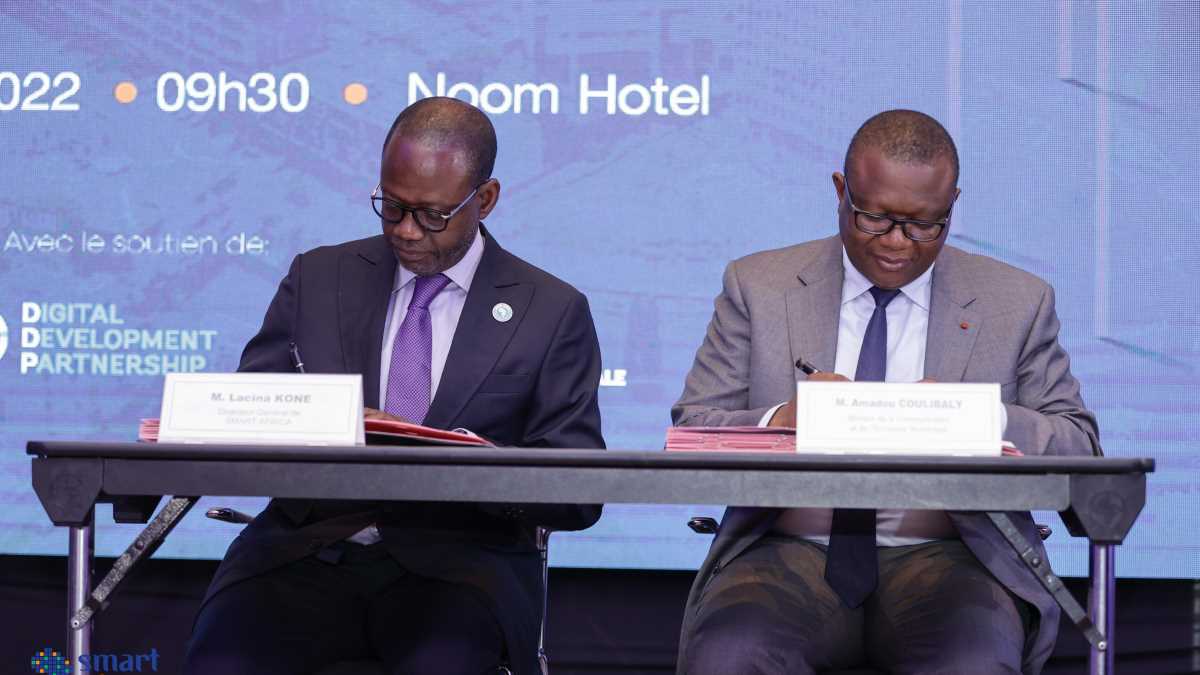
Mr. Lacina Koné, the Director General and CEO of Smart Africa, commended the political will of governments across Africa to transform the digital landscape on the continent and emphasized Smart Africa’s support
ABIDJAN, Ivory Coast, September 16, 2022/APO Group/ —
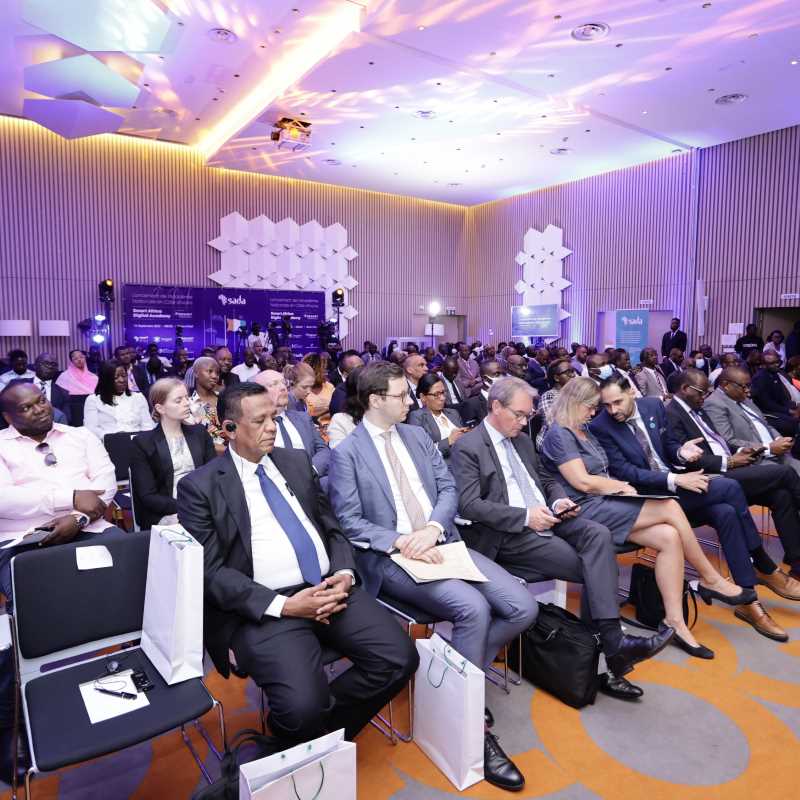
Smart Africa’s capacity building arm, the Smart Africa Digital Academy (SADA) (https://SADA.atingi.org/) continues to expand its footprint in Africa, with Côte d’Ivoire being the latest country to benefit from the digital skills development initiative. Launched in partnership with the Ministry of Communication and Digital Economy, the initiative will help nurture the country’s nascent digital sector through provision of digital skills.
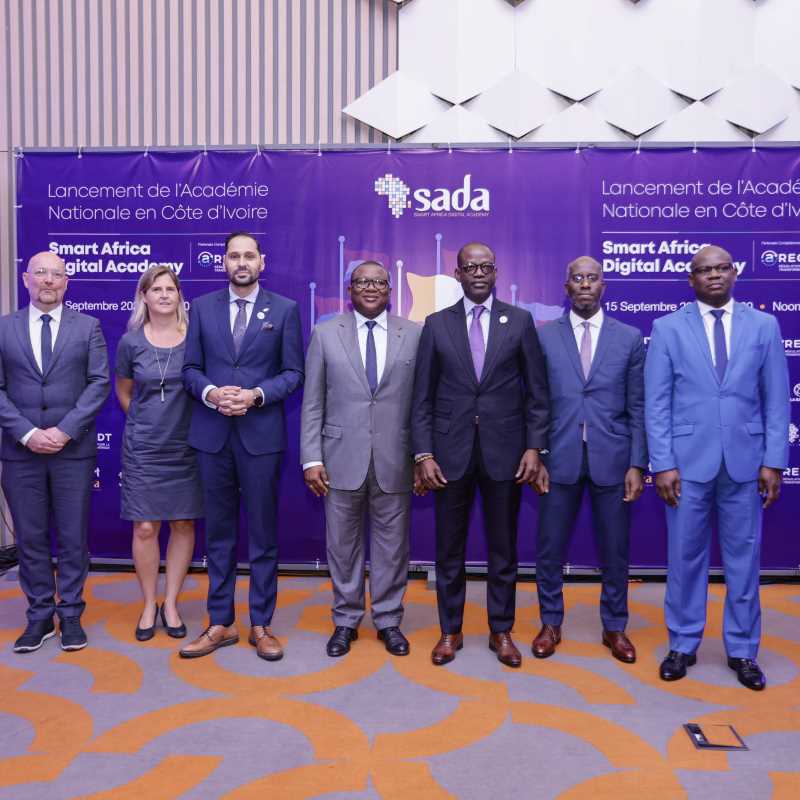
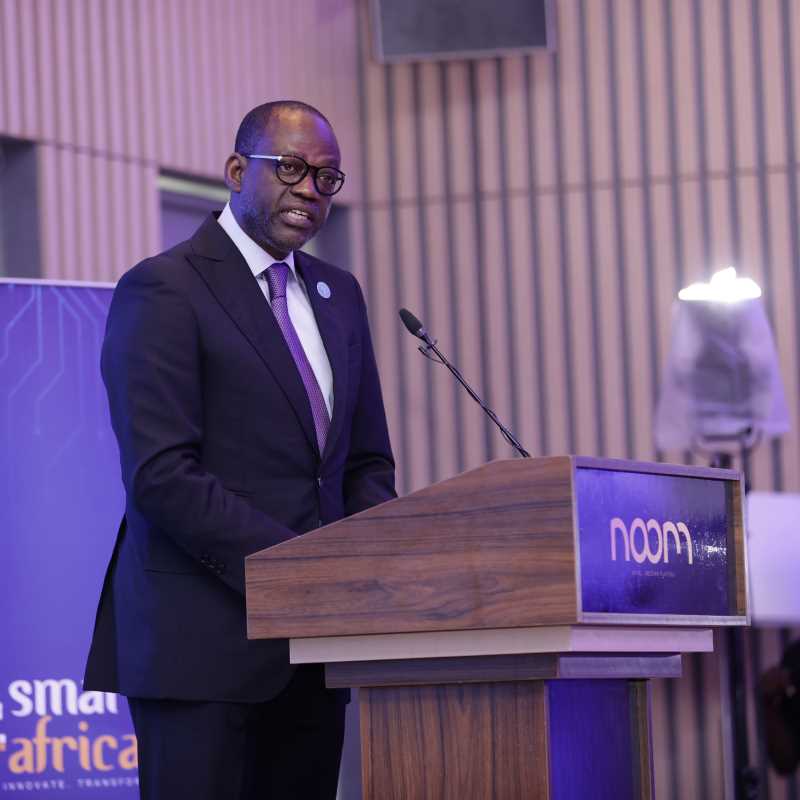
Speaking of the launch, Mr. Lacina Koné, the Director General and CEO of Smart Africa, commended the political will of governments across Africa to transform the digital landscape on the continent and emphasized Smart Africa’s support.
“There’s increasing recognition, among nations, of the role of digital technologies in transforming the socio-economic situation and the determination to adopt them is palpable. Through initiatives like SADA, the Smart Africa Alliance is committed to supporting national efforts to close the digital skills gap. We are pleased to bring SADA to life in Côte d’Ivoire, an important country of the alliance.” he explained.
Representing the German government, a key donor of the SADA initiative, Mr. Marton Köver, Chargé d’Affaires of the German Embassy in Côte d’Ivoire, underlined that “a fair and equitable legal framework is key to ensuring that as many Africans as possible benefit from digital transformation” – a step Côte d’Ivoire has now taken with SADA.
In addition to SADA, the Agile Regulation for Digital Transformation Program (AReg4DT) was also launched in collaboration with the World Bank and GIZ.
SADA aims to improve digital skills qualifications, employability, and meet the emerging talent needs of African citizens
The World Bank Country Director for Côte d’Ivoire, Benin, Guinea, and Togo Mrs. Coralie Gevers also stated “capacity building and knowledge exchange among African countries is critical to support the implementation of the Africa Digital Transformation Strategy 2020-2030 and Côte d’Ivoire has an important role to play sharing knowledge among peers and showing the benefits of applying agile regulation principles for vibrant, inclusive, sustainable and safe digital markets as demonstrated by the recent adoption of its National Digital Development Strategy 2025.”
The launch of SADA in Côte d’Ivoire heralds implementation of various capacity building programs on Big Data & IoT, training of teachers, executive trainings, advanced ICT trainings, among other. Moreover, Côte d’Ivoire is set to host the first cybersecurity Innovation Centers for youth. Currently, Côte d’Ivoire leads Smart Africa’s cybersecurity flagship.
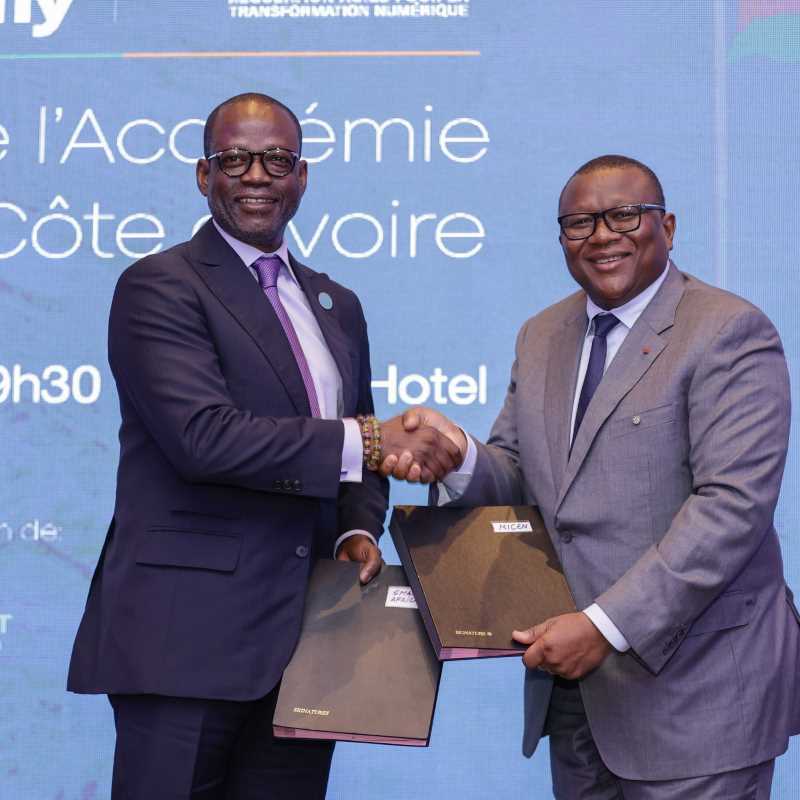
In this respect, a Memorandum of Understanding (MOU) was signed between between the Smart Africa Alliance and Côte d’Ivoire’s Ministry of Digital Economy and Communication, part of which is provision, by SADA, of specific capacity building interventions related to the country’s priorities in the ICT sector
Speaking on the launch of SADA, the Ivorian Minister of Communication and Digital Economy, Mr. Amadou Coulibaly, emphasized that “SADA-Côte d’Ivoire will be one of the key vehicles for the operationalization of the “awareness and training” projects of the 4th pillar of the National Digital Strategy to 2025, which has the specific objective to develop and promote digital skills”.
As a pan-African dynamic learning ecosystem, SADA aims to improve digital skills qualifications, employability, and meet the emerging talent needs of African citizens. The national digital academy will support the uniquely identified digital skills priority needs at the national level. Furthermore, such national digital academies will soon be rolled out in Côte d’Ivoire, Burkina Faso, Tunisia, Kenya and the Democratic Republic of Congo.
SADA is also embarking on a program to provide digital skills for African youth and entrepreneurs for them to thrive in the global technology ecosystem. This will help increase the digital technology competence, reduce unemployment, and increase the digital entrepreneurship capabilities for youth in Africa. This program intends to impact 500 youth by the end of the year.
Since its start of operation in August 2020, focusing on the Capacity Building for Decision Makers (CBDM) module, SADA has trained over 2,000 policy and decision-makers across 26 countries in trending digital transformation topics including Artificial Intelligence Use Cases, 5G Connectivity, Data Protection & Privacy, Rural Broadband Policies, Security Technologies, Regulatory and Innovative Sandboxing Environments, Data Centers and Cloud, Digital Identity for Underserved, ePayment, etc. The objective is to reach over 22,000 trained beneficiaries by 2023, supported by the SADA In-country implementation wave.
Distributed by APO Group on behalf of Smart Africa Digital Academy.

In 2025, IsDBI significantly expanded its footprint in Islamic finance transformation, approving 25 new technical assistance projects valued at US$4.14 million and completing 19 projects worth US$3 million
BAKU, Azerbaijan, June 23, 2026/APO Group/ —
The Islamic Development Bank Institute (IsDBI) (https://IsDBInstitute.org) has released its 2025 Annual Report during the 2026 IsDB Group Annual Meetings held in Baku, Azerbaijan, showcasing a year of expanded impact in Islamic finance transformation, innovative solutions, and capacity development.
The report highlights how IsDBI strengthened its role as a global knowledge leader by advancing innovative solutions and scaling support to Member Countries through knowledge-based interventions, Islamic finance grants, and strategic partnerships.
In 2025, IsDBI significantly expanded its footprint in Islamic finance transformation, approving 25 new technical assistance projects valued at US$4.14 million and completing 19 projects worth US$3 million, supporting countries in strengthening regulatory frameworks and promoting inclusive financial systems.
Since 2013, the Institute’s interventions in this regard have reached over US$27.57 million across 181 projects benefiting more than 34 countries, underlining its sustained contribution to development outcomes across the Islamic world.
I am pleased to note that the Institute has continued to strengthen its unique role in the global development ecosystem
The Annual Report highlights major progress in IsDBI’s three flagship transformative projects, namely Awqāf Free Zones, Digital Postal Islamic Financial Services, and Smart Countertrade System, which have all advanced to pilot-ready stages. These initiatives aim to address global challenges such as financial inclusion, food and energy security, and trade resilience.
Furthermore, the Institute accelerated its focus on digital innovation in Islamic finance, enhancing its Islamic Finance Artificial Intelligence Assistant (IFAA) and hosting its first AI Hackathon on Islamic Finance, engaging more than 40 teams in developing cutting-edge solutions aligned with industry standards.
Human capital development in Islamic finance also remained a cornerstone of IsDBI’s work in 2025, with the delivery of over 20 training programs reaching around 500 professionals across Member Countries. A key achievement in this area was the Entrepreneurial Mindset Development Program, a flagship initiative equipping emerging leaders from 20 countries with innovation-driven and values-based entrepreneurship skills. The program was designed and implemented in collaboration with Prince Mohammed Bin Salman College of Business and Entrepreneurship, Saudi Arabia.
The Institute also strengthened its thought leadership through flagship publications, global partnerships, and digital engagement, reinforcing its position as a leading voice in Islamic economics and finance.
Commenting on the issuance of the Annual Report, Dr. Sami Al-Suwailem, Acting Director General of IsDBI, said: “I am pleased to note that the Institute has continued to strengthen its unique role in the global development ecosystem by bridging knowledge creation, building human capital, and designing innovative solutions to address economic challenges.”
400 decision-makers gathered in Cotonou to accelerate access to insurance and contribute to doubling insurance penetration by 2040
DAKAR, Senegal, June 23, 2026/APO Group/ –Faced with a major paradox representing nearly 19% of the world’s population while accounting for less than 1% of global insurance premiums African insurance stakeholders are mobilizing.
From July 6 to 8, 2026, the Federation of African National Insurance Companies (FANAF) will organize the General Assembly on Insurance for All at the Sofitel Hotel in Cotonou, Benin, a major pan-African gathering dedicated to inclusive insurance.
The event will bring together nearly 400 African decision-makers from governments, regulatory and supervisory authorities, insurance and reinsurance companies, financial institutions, development banks, technical and financial partners, as well as professional organizations from across the continent.
The ambition is clear: to foster a shared vision and concrete commitments aimed at accelerating access to insurance for African populations while strengthening the sector’s contribution to the continent’s economic and social development priorities.
The discussions will culminate in the adoption of the Pan-African Pact for Insurance Inclusion and a 2026–2030 Strategic Action Plan, designed to structure collective action around an ambitious objective: contributing to the doubling of insurance penetration across the FANAF region by 2040.
An Economic, Social and Development Imperative
Within the CIMA zone, insurance penetration remains below 1% of GDP, compared to more than 6% globally.
As a result, millions of households, farmers, entrepreneurs, SMEs and informal sector actors remain deprived of essential protection mechanisms against health, climate, economic and social risks.
For FANAF, this reality now constitutes a major development challenge.
Africa cannot build sustainable growth without strengthening protection mechanisms for its populations, businesses and investments
“Africa cannot build sustainable growth without strengthening protection mechanisms for its populations, businesses and investments. The Cotonou General Assembly must mark the starting point of a new continental ambition for African insurance and its role in the continent’s economic transformation,” said Mamadou Koné, President of FANAF.
Beyond Insurance: A Driver of Continental Transformation
For FANAF, insurance is no longer merely a risk coverage mechanism. It is also a strategic lever for economic resilience, savings mobilization, investment security, SME financing, support for climate transitions and the strengthening of financial inclusion.
Through this General Assembly, FANAF seeks to reposition insurance as a key stakeholder in Africa’s economic, social and financial transformation.
A Pact to Accelerate Action
The conclusions of the General Assembly will lead to the adoption of the Pan-African Pact for Insurance Inclusion, a reference framework intended to mobilize governments, regulators, market players, financial institutions and development partners around shared objectives.
The Pact will be accompanied by a 2026–2030 Strategic Action Plan defining priority intervention areas, coordination mechanisms and monitoring arrangements for the commitments undertaken.
A broad mobilization of public, private and financial partners will support its implementation in order to translate commitments into tangible results for African populations and economies.
Cotonou 2026: Building a Shared Vision
Beyond the insurance sector, the General Assembly aims to create an unprecedented platform for dialogue between governments, regulators, investors, financial institutions, technical partners and market actors in order to identify the levers needed to accelerate insurance inclusion across the continent.
Holding this event in Benin reflects the country’s broader economic and financial transformation momentum and illustrates the collective determination of African stakeholders to develop solutions tailored to the continent’s realities.
Through this initiative, FANAF intends to make Cotonou 2026 a defining moment for the future of African insurance and the starting point of a lasting continental mobilization in favor of insurance inclusion.
Distributed by APO Group on behalf of Fédération des Sociétés d’Assurances de Droit National Africaines (FANAF).
Flat6Labs and International Finance Corporation (IFC) Launch StartAlgeria, a Capacity-Building Program Designed to Empower the Organizations Progressing Algeria’s Startup Ecosystem
StartAlgeria comes at a key moment for Algeria’s entrepreneurship landscape, shifting the focus toward improving how the ESOs operate by providing them with international best practices
ALGIERS, Algeria, June 23, 2026/APO Group/ –Flat6Labs (www.Flat6Labs.com) and IFC in collaboration with the Ministry of Knowledge Economy, Startups and Micro-Enterprises are launching StartAlgeria, a capacity-building program that puts Entrepreneur Support Organizations (ESOs) at the forefront of Algeria’s ecosystem future. The program is designed to equip Algerian ESOs reinforcing pre-seed and seed-stage startups with the expertise, frameworks, and networks needed to contribute to a stronger, more competitive entrepreneurship ecosystem in Algeria and expand into global markets.
StartAlgeria comes at a key moment for Algeria’s entrepreneurship landscape, shifting the focus toward improving how the ESOs operate by providing them with international best practices adapted to each organization’s needs, a community-driven approach that focuses on peer learning, and facilitating connections with investors, policymakers, and key stakeholders.
Algeria’s entrepreneurial community is among the most dynamic and vibrant in the region, and the potential is not just real, it is ready to scale
StartAlgeria will pilot a first cohort focusing on incubators in the capital, Algiers. Following a call for application, the selected ESOs will go through a structured program comprising workshops and masterclasses covering key areas such as startup selection, program design and delivery, and investment readiness. In addition to the core program, participating ESOs will benefit from 6months of post-program mentorship, focusing on areas such as fundraising strategy, partnership development, financial sustainability, and program improvement. This sustained engagement’s goal is to provide a lasting impact in how Algerian ESOs operate and what they’re able to offer the startups they champion.
Yehia Houry, CEO of Flat6Labs, shares “Algeria’s startup ecosystem is demonstrating remarkable potential and a rapidly growing level of maturity, driven by an ambitious new generation of founders, increasing institutional support, and a strong national commitment to innovation and entrepreneurship. The opportunity today lies in further empowering entrepreneurship support organizations to match this momentum by strengthening their ability to identify and nurture high-potential startups, deliver impactful and results-driven programs, and create stronger connections between entrepreneurs and sources of capital. With the right support structures in place, Algeria is well positioned to become one of the leading innovation hubs in the region.”
“Algeria’s entrepreneurial community is among the most dynamic and vibrant in the region, and the potential is not just real, it is ready to scale. Through StartAlgeria, we are committed to ensuring that the organizations standing behind founders are equipped with the tools, frameworks, and expertise to take them from early ideas to investment-ready ventures. This program is a direct expression of IFC’s long-term confidence in Algeria’s private sector and in the ecosystem’s capacity to produce the next generation of high-impact companies.” underscored Cemile Hacibeyoglu Ceren, WBG Resident Representative in Algeria.
“The launch of StartAlgeria marks an important step in reinforcing Algeria’s startup support ecosystem. By strengthening the capabilities of Entrepreneur Support Organizations, we are investing in the long-term growth, resilience, and international competitiveness of Algerian startups. This initiative reflects our shared ambition to build a dynamic innovation-driven economy and create new opportunities for entrepreneurs across the country,” said H.E Mr. Noureddine Ouadah, Minister of Knowledge Economy, Startups and Micro-Enterprises.
This IFC program is implemented in partnership with the Government of the Netherlands.
We use cookies on our website to give you the most relevant experience by remembering your preferences and repeat visits. By clicking “Accept”, you consent to the use of ALL the cookies.
This website uses cookies to improve your experience while you navigate through the website. Out of these, the cookies that are categorized as necessary are stored on your browser as they are essential for the working of basic functionalities of the website. We also use third-party cookies that help us analyze and understand how you use this website. These cookies will be stored in your browser only with your consent. You also have the option to opt-out of these cookies. But opting out of some of these cookies may affect your browsing experience.
Necessary cookies are absolutely essential for the website to function properly. These cookies ensure basic functionalities and security features of the website, anonymously.
Cookie
Duration
Description
cookielawinfo-checkbox-analytics
11 months
This cookie is set by GDPR Cookie Consent plugin. The cookie is used to store the user consent for the cookies in the category "Analytics".
cookielawinfo-checkbox-functional
11 months
The cookie is set by GDPR cookie consent to record the user consent for the cookies in the category "Functional".
cookielawinfo-checkbox-necessary
11 months
This cookie is set by GDPR Cookie Consent plugin. The cookies is used to store the user consent for the cookies in the category "Necessary".
cookielawinfo-checkbox-others
11 months
This cookie is set by GDPR Cookie Consent plugin. The cookie is used to store the user consent for the cookies in the category "Other.
cookielawinfo-checkbox-performance
11 months
This cookie is set by GDPR Cookie Consent plugin. The cookie is used to store the user consent for the cookies in the category "Performance".
viewed_cookie_policy
11 months
The cookie is set by the GDPR Cookie Consent plugin and is used to store whether or not user has consented to the use of cookies. It does not store any personal data.
Functional cookies help to perform certain functionalities like sharing the content of the website on social media platforms, collect feedbacks, and other third-party features.
Performance cookies are used to understand and analyze the key performance indexes of the website which helps in delivering a better user experience for the visitors.
Analytical cookies are used to understand how visitors interact with the website. These cookies help provide information on metrics the number of visitors, bounce rate, traffic source, etc.
Advertisement cookies are used to provide visitors with relevant ads and marketing campaigns. These cookies track visitors across websites and collect information to provide customized ads.