Connect with us
Anglostratits

Business

Bestselling Angola Reform Book Set for Exclusive Luanda Launch on September 2

Published

on

African Energy Chamber

The Amazon bestseller will be launched in Luanda this September, offering insight into the reforms that help shaped the country’s oil and gas market

LUANDA, Angola, July 27, 2026/APO Group/ —Crude Oil: Power, Turnaround and Transformation in Angola {https://apo-opa.co/4wnVNZP} – the latest bestselling book by African Energy Chamber (https://EnergyChamber.org) Executive Chairman NJ Ayuk – will take center stage in Luanda on September 2 with an exclusive launch event at the InterContinental Luanda Miramar. The Luanda launch brings the book directly to the country at the heart of its story, convening Angola’s oil and gas industry around an examination of the policies, leadership and investment decisions that have reshaped one of Africa’s largest oil-producing markets.


Released earlier this year, Crude Oil debuted as a Top Amazon New Release. A Portuguese edition was also released in July, expanding access to readers across Angola and the wider Lusophone market. Blending political history, industry analysis and first-hand perspectives from key decision-makers, Crude Oil traces Angola’s evolution through periods of production decline, economic pressure and structural change to its emergence as one of Africa’s most attractive upstream investment destinations. The book features perspectives from Diamantino Azevedo, Minister of Mineral Resources, Oil and Gas, alongside Sonangol Chairman of the Board Sebastião Gaspar Martins and National Oil, Gas & Biofuels Agency (ANPG) Chairman Paulino Jerónimo.

At the center of the book is Angola’s reform agenda and the role it has played in restoring investor confidence and stimulating exploration. Under efforts to curb production decline and attract capital into both mature and frontier basins, the country established a dedicated upstream regulator (ANPG) and downstream regulator (IRDP), while embarked on a multi-year licensing round targeting 50 concessions by 2025. The introduction of a Permanent Offer Regime further opened the market to international capital while policies such as the Incremental Production Decree and Marginal Field program further stimulated investment.

Angola has demonstrated that reform is most powerful when it is followed by execution

These measures have been accompanied by renewed investment from international and independent operators alike. TotalEnergies, Azule Energy, ExxonMobil and Chevron have since expanded their portfolios through license extensions at legacy assets and forays into Namibe and Benguela, while Shell and Petrobras returned to Angola’s deepwater basins in 2025. Onshore, independents are leading drilling and seismic campaigns, led by Afentra, Corcel, Etu Energias, Oando and more. Following a restructuring, Sonangol strengthened its status as an operator through projects spanning both onshore and offshore margins.

The investment push is translating into new production. Begonia and CLOV Phase 3 came online in 2025, collectively adding 60,000 barrels per day, while the commissioning of the Agogo FPSO supported the next phase of the Agogo Integrated West Hub Development. The Kaminho deepwater development is advancing toward a 2028 start, reinforcing the role of large-scale offshore investment in Angola’s long-term production outlook. With up to $70 billion in upstream investment planned over the next five years, the book argues that Angola’s experience offers lessons beyond its own borders: regulatory predictability, competitive fiscal terms and institutional reform can turn resource potential into sustained capital deployment.

“Angola has demonstrated that reform is most powerful when it is followed by execution. The country made difficult decisions, listened to investors, strengthened its institutions and created mechanisms that allowed capital to return to exploration and production,” states Ayuk.

The September 2 launch in Luanda will provide a platform to reflect on the industry’s transformation while looking ahead to the next phase of Angola’s oil and gas development. As new exploration, major projects and billions of dollars in investment move forward, Crude Oil presents Angola’s turnaround not as a completed chapter, but as a reform playbook whose ultimate success will be measured by sustained investment, production and economic impact.

To register, click here https://apo-opa.co/4wnVNZP.


Distributed by APO Group on behalf of African Energy Chamber.

Business

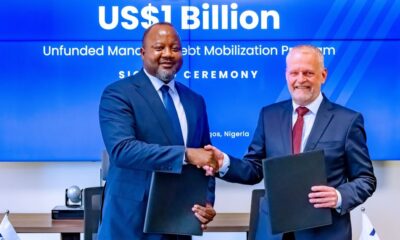
Afreximbank approves US$975 million facility for the Management Buy-Out of Oryx Energies

Published

on

afreximbank

The transaction marks a major step in strengthening Africa’s energy security and demonstrates the growing capacity of African financial institutions to support Africa’s industrial future with African capital

CAIRO, Egypt, October 28, 2026/APO Group/ –African Export-Import Bank (Afreximbank) (www.Afreximbank.com) has disbursed a landmark US$ 975 million financing facility to part-finance the Management Buy-Out of Oryx Energies SA (OESA), the holding company of Addax Energy SA, bringing one of the largest and longest-established independent providers of energy products and services in Africa under majority African ownership for the first time.


The transaction marks a major step in strengthening Africa’s energy security and demonstrates the growing capacity of African financial institutions to support Africa’s industrial future with African capital. The acquisition offers the continent an opportunity to retain economic value, pivot toward energy sovereignty, and align resources with Africa’s development agenda.

This financing also builds on Afreximbank’s broader support for Africa’s energy sector, including investments in upstream production and refining capacity. It reflects the Bank’s commitment to providing appropriately structured financing that enables African businesses to strengthen their operations, develop energy infrastructure and expand trade across the continent. Afreximbank acted as sole lender, facility agent, security trustee and escrow agent for the transaction.

This transaction advances Afreximbank’s mandate to drive the structural transformation of African economies

Speaking on the Management Buy-Out, Mr. Moussa Diao, CEO of Oryx Energies SA, said:

“This management buy-out marks an important milestone in the history of Oryx Energies and the continuation of a journey that our management team has been part of for many years. It also reflects the strength of experienced African leadership and its ability to guide established businesses towards new opportunities. It provides an opportunity to build on the strong foundations of the business, drawing on our longstanding experience and deep understanding of African energy markets. Our ambition remains to strengthen our activities in energy trading and infrastructure development across Africa.”

Mr. Diao noted that the transaction would not have been possible without the confidence and support of Afreximbank, whose involvement reflects confidence not only in the management team and the business, but also in the opportunities that Africa continues to offer. It further demonstrates the increasingly important role of African financial institutions in supporting established African businesses and enabling their continued development.

Commenting on the transaction, Dr. George Elombi, President and Chairman of the Board of Directors of Afreximbank, said:

“This transaction advances Afreximbank’s mandate to drive the structural transformation of African economies. Through the Management Buy-Out of Oryx Energies SA’s trading and distribution business, we have secured a strategic platform to deepen Africa’s energy industrial ecosystem, strengthen energy infrastructure and capture more value from the continent’s abundant natural resources. It will also promote greater African ownership and participation in development by empowering local entrepreneurs, expanding local value creation, building capacity, creating jobs and retaining more economic value on the continent.”

Distributed by APO Group on behalf of Afreximbank.


Continue Reading

Business

Radisson Hotel Group Introduces Africa’s First Verified Net Zero Hotel in Hoedspruit

Published

on

Radisson Hotel

Radisson Safari Hoedspruit, a Verified Net Zero Hotel combines renewable electricity, electrified operations and lower-carbon guest experiences, supporting the Group’s ambition to reach 100 Verified Net Zero hotels by 2030

Bringing our Verified Net Zero program to Africa is an important step in making lower-carbon hospitality a practical choice across more destinations

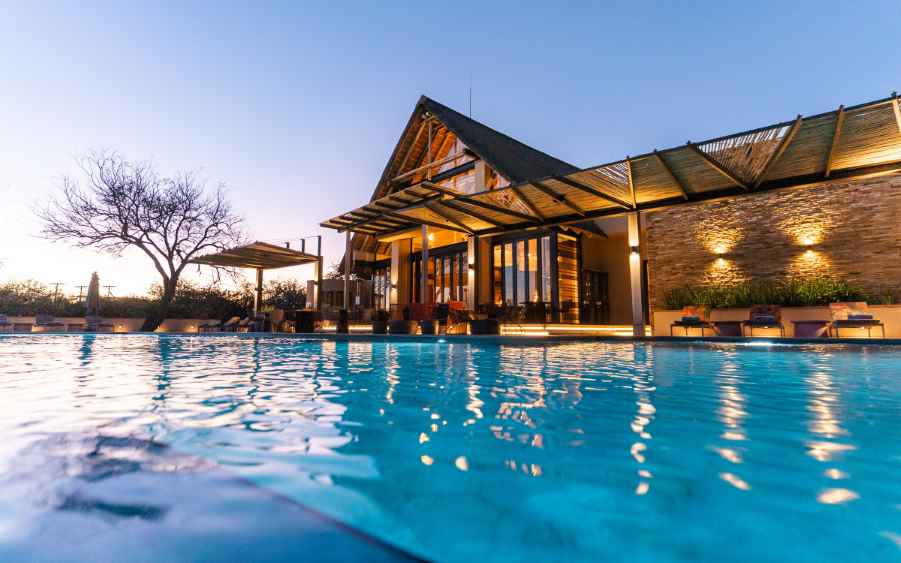
HOEDSPRUIT, South Africa, October 27, 2026/APO Group/ –Radisson Hotel Group (www.RadissonHotels.com) announces that Radisson Safari Hotel Hoedspruit (https://apo-opa.co/4yF9TGF) has become Africa’s first Verified Net Zero hotel, marking a significant milestone in the transition towards more sustainable hospitality on the continent. The achievement demonstrates how an existing safari hotel can significantly reduce its environmental impact through changes across energy, dining, waste management, water conservation and responsible procurement, while maintaining the comfort and service guests expect.


Radisson Hotel Group’s Verified Net Zero (VNZ) Hotels program addresses carbon emissions across all three scopes, virtually eliminating Scope 1 (direct emissions) and Scope 2 (purchased energy) emissions, significantly reducing Scope 3 (value chain) emissions, and addressing residual emissions through carbon removal credits. Verified Net Zero hotels operate on 100% renewable energy and incorporate low-carbon dining and waste minimization practices, with independent third-party verification by TÜV Rheinland.

Located in South Africa’s Limpopo province, close to Kruger National Park and Blyde River Canyon, the 138-room hotel brings the program to a destination where the natural environment is central to the travel experience. Its transformation reflects Radisson Hotel Group’s approach to embedding sustainability into everyday hotel operations, from renewable-energy-powered guest rooms to the food served in its restaurants and M&E.

Tim Cordon, Chief Operating Officer, Middle East, Africa and South East Asia Pacific at Radisson Hotel Group, said: “Bringing our Verified Net Zero program to Africa is an important step in making lower-carbon hospitality a practical choice across more destinations. At Hoedspruit, the natural surroundings are a defining part of why guests visit, making this a particularly meaningful place to introduce the program. The hotel demonstrates how investment in renewable electricity, electrification and everyday operational changes can reduce environmental impact while maintaining a compelling guest experience. It also gives our owners and teams across Africa a practical example of how existing hotels can contribute to the transition toward net zero.”

Renewable electricity and electrified operations

The hotel combines on-site solar generation with renewable electricity procured through renewable guarantees of origin and, as of 2027, a solar wheeling agreement. Under this arrangement, a renewable energy supplier feeds solar-generated electricity into the national grid, with an equivalent contracted volume allocated to the hotel’s electricity consumption.

Electrification extends across key areas of the property. The kitchen makes extensive use of electric equipment. Heat pumps provide hot water for guest rooms, while electric golf carts and three-wheel utility vehicles support daily operations, helping eliminate fossil fuels.

Reducing waste and conserving water

The hotel recycles 100% of its wastewater through its own treatment plant, integrating water recovery into its daily operations. Waste separation and specialist recycling partnerships support its ambition to divert all waste from landfill. Shodulla Recycling handles materials including plastic, glass and paper, while Egg Brothers processes food waste through composting and worm-farming initiatives.

To minimize waste, bulk bathroom amenities reduce plastic consumption with containers returned to the supplier through a closed-loop recycling system that ensures 100% recycling and zero waste to landfill. Glass water bottles further reduce packaging waste, while additional amenities are provided on request to avoid unnecessary consumption.

Guests are also encouraged to support these efforts through towel reuse and flexible housekeeping options, helping conserve water and energy while reducing the use of cleaning products. The STAY e-concierge app will bring hotel information and guest requests into one digital platform, reducing printed materials in bedrooms and supporting more direct communication with the hotel team.

Lower-carbon dining and responsible sourcing

Working with food sustainability platform Klimato, the hotel is introducing carbon-labeled menus that help guests understand the emissions associated with their dining choices. Carbon-footprint data also supports the culinary team in reviewing ingredients and recipes, developing lower-carbon options and managing the impact of its food offering. Low-carbon options are given priority on menus and buffets.

The approach extends to supplier partnerships. Through Zanetti Collection, used Hausbrandt coffee bags are upcycled into reusable shopping bags by a local community sewing project, supporting employment and social programs. Compostable coffee capsules and Ronnefeldt tea products with recyclable packaging and compostable tea bags further support waste reduction.

Staff training, energy monitoring and preventative maintenance underpin these initiatives, making resource efficiency part of everyday decisions across housekeeping, engineering, food and beverage, and front office.

Inge Huijbrechts, Chief Sustainability & Security Officer at Radisson Hotel Group, said: “Verified Net Zero requires us to look beyond a hotel’s energy supply and address the wider footprint of its operations. Independent verification by TÜV Rheinland provides a consistent framework and gives guests, owners and corporate customers greater confidence in the hotel’s credentials. Bringing the program to Africa is an exciting proof that Verified Net Zero can work everywhere and strengthens our understanding of how to apply this approach across different destinations as we work toward 100 Verified Net Zero hotels by 2030.”

The Verified Net Zero program

Staying at Radisson Safari Hoedspruit, a Verified Net Zero Hotel, allows guests to experience how comfort, innovation and sustainability can come together in a safari destination. The comprehensive program addresses the carbon footprint of the hotel’s energy use, covering Scopes 1 and 2 as defined by the Greenhouse Gas Protocol, alongside its operational and supply chain footprint under Scope 3.

The program follows a reduction-first approach. Scope 1 and 2 emissions are near-eliminated through electrification and renewable energy. Operational Scope 3 emissions are reduced through targeted changes across food and beverage, waste, laundry, amenities, procurement and hotel operations. At Hoedspruit, these measures include renewable electricity, electrified equipment, lower-carbon menus, recycling and composting, reduced packaging and more efficient use of resources.

Residual emissions that cannot yet be eliminated are addressed as a final step through carbon credits procured via Greentrade from the South Africa-based GRASS project. Independent verification by TÜV Rheinland assesses the hotel’s compliance with the Net Zero Methodology for Hotels, providing transparency and credibility.

With views of the Drakensberg Mountains, 138 rooms and suites including options with private pools, dining venues, spa facilities and meeting spaces, Radisson Safari Hoedspruit, a Verified Net Zero hotel brings the program to both leisure stays and business gatherings. Guests can explore the region’s wildlife and landscapes while staying at a hotel that embeds emissions reduction and resource efficiency into its operations.

The launch supports Radisson Hotel Group’s ambition to reach 100 Verified Net Zero hotels by 2030, extending a program already operating across the UK and Nordic markets to its first African destination.

For bookings and hotel details, visit Radisson Safari Hoedspruit on www.RadissonHotels.com (https://apo-opa.co/4yOcJcC)

Download high-resolution images of Radisson Safari Hoedspruit (https://apo-opa.co/4iHYkcX).

FACT BOX

Field Details
Hotel name Radisson Safari Hoedspruit, a Verified Net Zero Hotel
Brand Radisson, part of Radisson Hotel Group
Opening date February 1, 2024; Verified Net Zero launch: October 2026
Address Radisson Entrance Circle, R527, Hoedspruit, 1380, Limpopo, South Africa
Location Two kilometers outside Hoedspruit; close to Kruger National Park and Blyde River Canyon
Nearest airport(s) Hoedspruit Eastgate Airport: approximately 20 minutes by car
Category Safari hotel
Rooms 138 rooms and suites, including suites with private pools
Dining & Bars Local and international dining; Pegasus and Mirage Restaurants
Wellness & Leisure Spa, fitness center and two swimming pools
Meetings Meeting spaces; 5 different meetings venues including comfortable boardrooms, medium-sized meeting rooms, and a main banquet hall that can accommodate up to 200 guests.
Best for Leisure, wellness, meetings and incentive travel
Key features Drakensberg Mountain views; safari experiences; private-pool suites
Sustainability Verified Net Zero hotel. Renewable electricity; electrified kitchen and utility vehicles; wastewater recycling; low-carbon and carbon-labeled menus, minimal waste operations.
Booking URL For bookings and hotel details, visit Radisson Safari Hoedspruit on www.RadissonHotels.com (https://apo-opa.co/4yOcJcC)
Media assets Download high-resolution images of Radisson Safari Hoedspruit (https://apo-opa.co/4iHYkcX).

Distributed by APO Group on behalf of Radisson Hotel Group.


Continue Reading

Business

Congo’s Oil Revenue Reforms Could Strengthen Investment Outlook Ahead of Congo Energy & Investment Forum (CEIF) 2027

Published

on

Etu Energias

The African Development Bank has proposed measures to capture oil windfalls and reduce debt exposure, as Congo seeks to strengthen public finances and mobilize capital for economic development

BRAZZAVILLE, Republic of the Congo, October 27, 2026/APO Group/ –The African Development Bank (AfDB) has recommended that the Republic of Congo introduce an automatic mechanism to capture additional oil revenues when crude prices exceed budget assumptions, strengthening fiscal stability as the country pursues new energy investment and economic diversification. The proposal, outlined in the bank’s 2026 Country Report, would direct additional hydrocarbon revenues toward debt reduction while reducing the government’s exposure to oil-price volatility.


The recommendations come ahead of the Congo Energy & Investment Forum (CEIF) 2027, taking place June 1-3 in Brazzaville, where financing and investment opportunities across Congo’s energy sector will be central to discussions. With the country seeking capital for upstream development, gas infrastructure and broader industrial growth, stronger public finances could improve the environment for long-term investment and support the government’s development ambitions.

Congo’s Oil Windfalls Face a Debt Test

Under the proposed mechanism, additional revenues generated when oil prices exceed the benchmark used in the national budget would be captured through a rules-based framework aligned with Extractive Industries Transparency Initiative principles. The AfDB also recommends suspending new oil-backed borrowing and prioritizing debt reduction to prevent temporary revenue gains from increasing long-term financial exposure.

The proposal responds to Congo’s continued dependence on hydrocarbons, which account for the majority of export earnings and a substantial share of government revenue. Changes in international crude prices therefore have a direct impact on public finances and the government’s capacity to fund infrastructure and development projects.

The scale of that exposure was evident in 2025. Oil revenues reached approximately CFAF 1,031.6 billion, below the budget forecast of CFAF 1,230.1 billion and the CFAF 1,190 billion collected in 2024. Lower oil prices contributed to weaker fiscal performance, reinforcing the case for more predictable revenue management.

Congo’s debt burden adds urgency to the proposed reforms. According to the AfDB, public debt stood at approximately 97% of GDP in 2025, while debt-service obligations continue to constrain government liquidity and fiscal flexibility. The bank projects that debt could decline to approximately 85% of GDP by 2027, although the outlook remains sensitive to hydrocarbon revenues and broader economic conditions.

Strengthening the Investment Environment

The AfDB’s recommendations extend beyond capturing oil windfalls. The country currently imports 70% of its food products, while domestic refinery output has historically covered only part of local demand, leaving the economy exposed to higher food, energy and transport costs. The World Bank has called for faster economic diversification, stronger non-oil revenue mobilization and tighter control of public spending.

That agenda is now being translated into specific investment opportunities. A recent International Finance Corporation diagnostic identified four priority industries – wood processing, port logistics, corn milling and aquaculture – with the potential to attract up to $1.4 billion in private investment and create 22,200 jobs by 2030, provided key regulatory and infrastructure constraints are addressed.

For Congo, the challenge is to maintain investment in its hydrocarbon industry while strengthening the fiscal and infrastructure foundations needed for broader economic growth. More predictable management of oil revenues could support public investment planning, while improvements in debt sustainability and the business environment may help attract additional private capital.

These priorities will provide an important backdrop to CEIF 2027, where government and industry stakeholders will examine opportunities across energy development and infrastructure investment. As Congo prepares its 2027 fiscal framework, progress on revenue management and debt reduction will be important indicators of its capacity to support the next phase of investment.

Organized by Energy Capital & Power in collaboration with the Ministry of Hydrocarbons, CEIF 2027 will enable candid dialogue, facilitating new investments and deals in the country’s energy sector. For more information, visit https://CongoEnergyInvestment.com/. ​

Distributed by APO Group on behalf of Energy Capital & Power.


Continue Reading

Trending