Connect with us
Anglostratits

Business

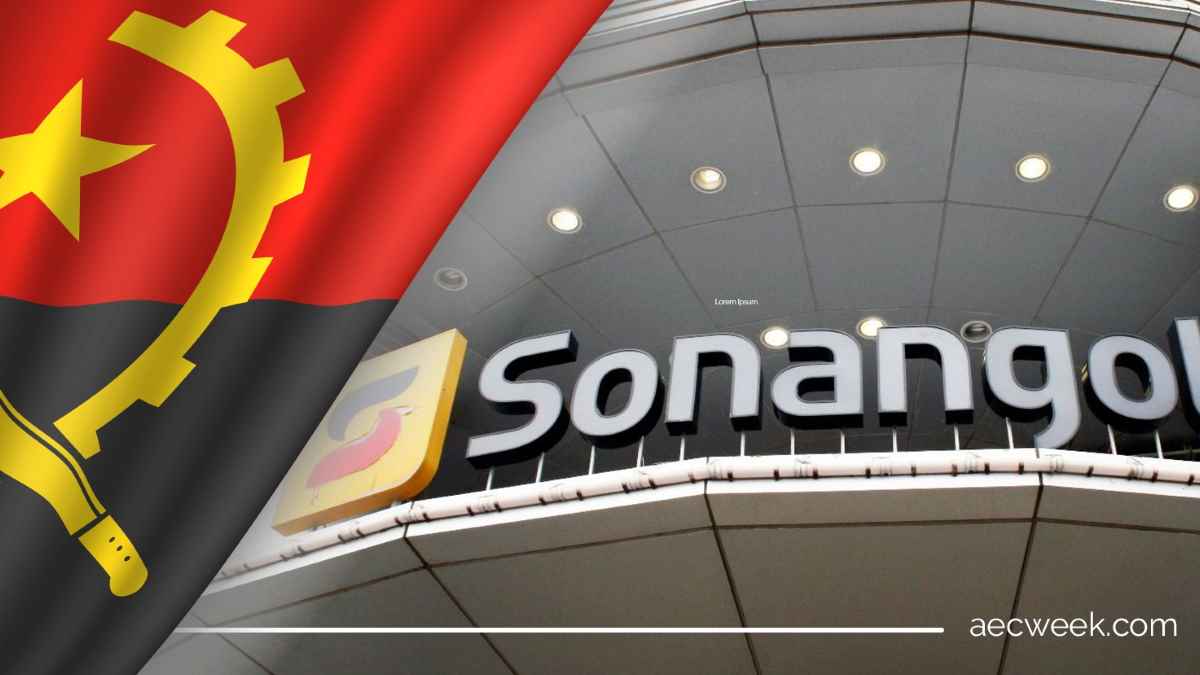
Angola’s Sonangol’s Journey Towards Partial Privatization and Shifting Mission (By NJ Ayuk)

Published

on

Angola

The company had previously served as a national concessionaire while also acting as a partner or shareholder in oil and gas development projects

JOHANNESBURG, South Africa, July 4, 2023/APO Group/ — 

By NJ Ayuk, Executive Chairman, African Energy Chamber (http://www.EnergyChamber.org)

The petroleum industry is one of the mainstays of Angola’s economy, accounting for more than a third of the country’s GDP and more than 90% of its exports. It also generates about 70% of the government’s total budget revenues and is the biggest source of foreign direct investment (FDI).

Moreover, its importance is not likely to diminish any time soon. Angolan crude oil production levels have been trending downward for some time due to the maturation of existing fields, but the country was still extracting more than 1.1 million barrels per day (bpd) as of May 2023, and it is encouraging foreign investors to search for new reserves in the untapped sections of its offshore zone. Additionally, Angola has been paying closer attention to its natural and associated gas resources and is working to increase production in a bid to take advantage of rising demand, especially in Europe.

These are the kind of circumstances that make resource nationalism — a policy approach under which governments, acting in the name of their constituents, assert and retain control over natural resources rather than allowing private-sector entities to become full stakeholders — attractive. But Angola has not succumbed to this temptation. Instead, its government, under the direction of President João Lourenço, is pursuing a remarkable reform program designed to allow Sonangol, the national oil company (NOC), to represent local interests while also working cooperatively with outside investors.

First Step: Shifting Sonangol’s Mission

The government began laying a foundation for these reforms in 2019, during Lourenço’s first term as president. In February of that year, the president signed a decree establishing the National Agency for Oil, Gas, and Biofuels (ANPG). The decree stated that ANPG would act as the country’s concessionaire for oil and gas projects, thereby making the new agency solely responsible for regulating, supervising, and monitoring activities related to oil and gas exploration and production.

In so doing, it stripped Sonangol of this function. The company had previously served as a national concessionaire while also acting as a partner or shareholder in oil and gas development projects. Once ANPG took over the role of concessionaire, though, it was no longer responsible for regulatory tasks and could focus on operational matters.

It is true that the NOC was already taking steps in this direction anyway. It had been working since mid-2017 to divest non-core units — that is, subsidiaries focusing on other types of economic activity, such as finance, real estate, travel, and food services. But it was the creation of the new agency that truly set the stage for Sonangol to function more like an oil company and less like a government bureaucracy.

Next Step: Partial Privatization

IPO will only move ahead once Sonangol meets a number of key milestones

It’s no wonder, then, that the Lourenço administration took things further. In September 2021, Diamantino Azevedo, Angola’s Minister of Mineral Resources, Petroleum, and Gas, announced that Sonangol was preparing for an initial public offering (IPO), an event that would allow outside investors to become shareholders in the company.

That announcement was not immediately followed by a stock exchange listing. Instead, the NOC worked to formulate a concrete plan for partial privatization, and in September 2022, shortly after Lourenço’s election to a second term as president, the government began unveiling its new roadmap.

Initially, that roadmap was incomplete. It provided for the sale of up to 30% of Sonangol’s stock but did not specify exactly how that process would unfold. That is, it did not say when or on what terms the shares might be offered to potential buyers.

Since last September, though, Angola’s government has clarified its intentions. It has stated that the IPO will only move ahead once Sonangol meets a number of key milestones. In November 2022, Sebastião Gaspar Martins, the company’s chairman and CEO, listed the following requirements:

  • Bringing the share of total oil and gas output coming from fields operated by Sonangol up to 10%
  • Increasing domestic refining capacity to reduce the country’s dependence on imported fuels
  • Developing and constructing at least one petrochemical plant
  • Expanding and monetizing fuel distribution and marketing networks, as well as logistics networks
  • Increasing domestic storage capacity for petroleum products
  • Reducing carbon dioxide emissions by at least 20% in exploration, production, and refining operations
  • Launching renewable energy projects and increasing carbon capture

Martins explained that Sonangol would have to meet all of these targets in order to proceed with the IPO, as they had been formulated to make the company stronger and more self-sustaining. He said the government had not set a firm deadline for the launch of the stock issue and added that he expected the company to work toward these aims through 2027.

End Goal: A National Oil Company Focused on Core Activities

Then, in January 2023, Martins indicated that Angolan authorities had finalized the IPO roadmap. He stated that the government was planning to sell up to 30% of the NOC’s stock and noted that shares would be listed in two venues — first on the Angola Debt and Stock Exchange (BODIVA) and then on an international exchange. He reiterated that Sonangol would have to meet certain criteria prior to the listing and said he expected the company to hit its targets by 2027.

Additionally, he noted that the NOC was working to assess its projected future valuation in comparison to its current declared share capital of USD12 billion. The process will help the company assess its own value accurately in light of the changes that will be made in 2023-2027 and optimize the results of the IPO, he said.

All of these planned changes are designed to further the process of transforming Sonangol from an instrument of the state, an entity with regulatory as well as operational functions, into a corporate-style organization focused on operational matters and not bogged down by peripheral concerns. This transformation, in turn, should allow Sonangol to work more smoothly together, not just with foreign partners such as Chevron (U.S.), Shell (UK), and Azule Energy — the joint venture formed last year by BP (UK) and Eni (Italy) — but eventually with the outside investors that will gain stakes in the company via the IPO.

At the same time, though, Sonangol will continue to serve Angola’s own interests. The company will continue to be majority government-owned, and it will work to expand local capacity with respect to upstream, midstream, and downstream projects. Moreover, it will represent the country in projects involving foreign investment — as it has been doing, but more competently and efficiently, thanks to its divestment of regulatory functions and non-core assets.

The African Energy Chamber commends Angola’s government for following this course and expects Sonangol’s future achievements to serve as a testament to the foresight of the Lourenço administration.

Distributed by APO Group on behalf of African Energy Chamber.

Events

As global power structures shift, Invest Africa convenes The Africa Debate 2026 to redefine partnership in a changing world

Published

on

Debate

The Africa Debate 2026 will provide a platform for this essential, era-defining discussion, convening leaders to explore how Africa and its partners can build more balanced, resilient and sustainable models of cooperation

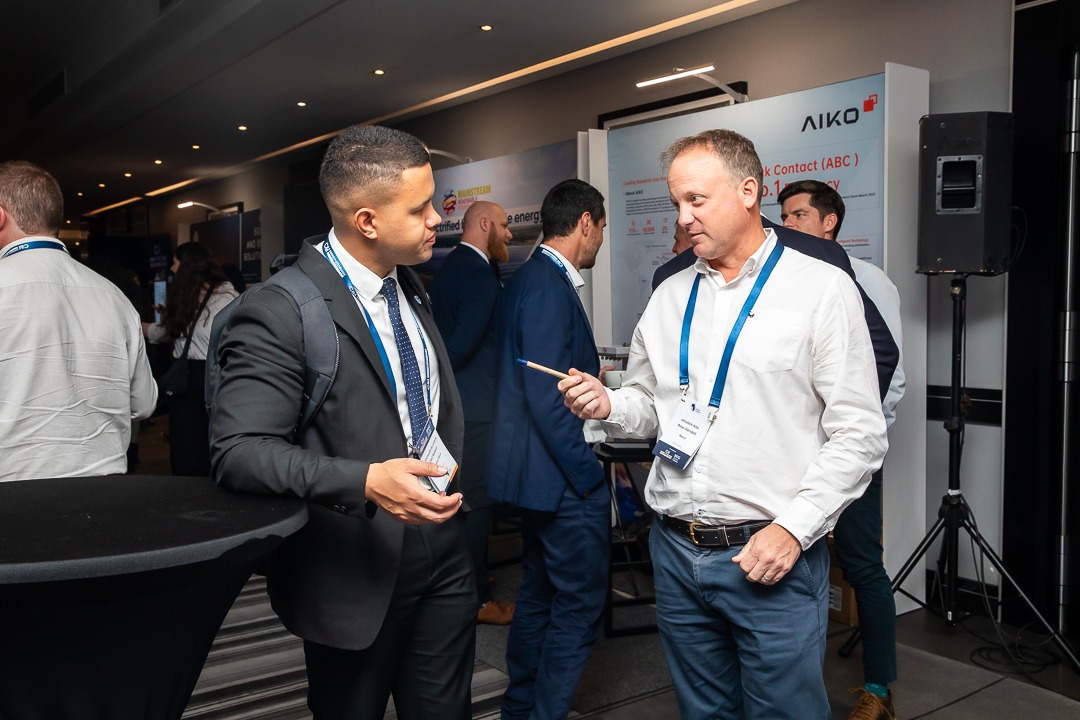
LONDON, United Kingdom, February 5, 2026/APO Group/ –As African economies assert greater agency in a rapidly evolving global order, Invest Africa (www.InvestAfrica.com) is delighted to announce The Africa Debate 2026, its flagship investment forum, taking place at the historic Guildhall in London on 3 June 2026.

Now in its 12th year, The Africa Debate has established itself as London’s premier platform for African investment dialogue since launching in 2014, convening over 800 global decision-makers annually to shape the future of trade, finance, investment, and development across the continent.

Under the theme “Redefining Partnership: Navigating a World in Transition”, this year’s forum will focus on Africa’s response to global economic realignment with greater agency, ambition and economic sovereignty.

The Africa Debate puts Africa’s priorities at the centre of the conversation, moving beyond traditional narratives to focus on ownership, resilience and long-term value creation.

“Volatility is not new to Africa. What is changing is the opportunity to respond with greater agency and ambition,” says Invest Africa CEO Chantelé Carrington.

“This year’s edition of The Africa Debate asks how we strengthen economic sovereignty — from access to capital and investment to financial and industrial policy — so African economies can take greater ownership of their growth. Success will be defined by how effectively we turn disruption into leverage and partnership into shared value.”

The Africa Debate 2026 will provide a platform for this essential, era-defining discussion, convening leaders to explore how Africa and its partners can build more balanced, resilient and sustainable models of cooperation.

Key challenges driving the debate

Core focus areas for this year’s edition of The Africa Debate include:

This year’s edition of The Africa Debate asks how we strengthen economic sovereignty — from access to capital and investment to financial and industrial policy

Global Realignment & New Partnerships

How shifting geopolitical and economic power structures are reshaping Africa’s global partnerships, trade dynamics and investment landscape.

Financing Africa’s Future

The growing need to reform the global financial architecture, new approaches to development finance, as well as the strengthening of market access and financial resilience of African economies in a changing global system.

Strategic Value Chains

Moving beyond primary exports to build local value chains in critical minerals for the green economy. Also addressing Africa’s energy access gap and mobilising investment in renewable and transitional energy systems.

Digital Transformation & Technology

Unlocking growth in fintech, AI and digital infrastructure to drive productivity, inclusion, and the next phase of Africa’s economic transformation.

The Africa Debate 2026 offers a unique platform for high-level dialogue, deal-making, and strategic engagement. Attendees will gain actionable insights from leading policymakers, investors and business leaders shaping Africa’s economic future, while building strategic partnerships that define the continent’s next growth phase.

Registration is now open (http://apo-opa.co/46b19gj).

Distributed by APO Group on behalf of Invest Africa.

Continue Reading

Business

Zion Adeoye terminated as Chief Executive Officer (CEO) of CLG due to serious personal and professional conduct violations

Published

on

CLG

After a thorough internal and external investigation, along with a disciplinary hearing chaired by Sbongiseni Dube, CLG (https://CLGglobal.com) has made the decision to terminate Zion Adeoye due to serious personal and professional conduct violations. This process adhered to the Code of Good Practice of the Labour Relations Act, ensuring fairness, transparency, and compliance with South African law.

Mr. Adeoye has been held accountable for several serious offenses, including:

  • Making malicious and defamatory statements against colleagues
  • Extortion
  • Intimidation
  • Fraud
  • Misuse of company funds
  • Theft and misappropriation of funds
  • Breach of fiduciary duty
  • Mismanagement

His actions are in direct contradiction to our firm’s core values. We do not approve of attorneys spending time in a Gentleman’s Club. CLG deeply regrets the impact this situation has had on our colleagues and continues to provide full support to those affected.

We want to express our gratitude to those who spoke up and to reassure everyone at the firm of our unwavering commitment to maintaining a respectful workplace. Misconduct of any kind is unacceptable and will be addressed decisively.

We recognize the seriousness of this matter and have referred it to the appropriate law enforcement, regulatory, and legal authorities in Nigeria, Mauritius, and South Africa. We kindly ask that the privacy of the third party involved be respected.

Distributed by APO Group on behalf of CLG.


Continue Reading

Business

The International Islamic Trade Finance Corporation (ITFC) Strengthens Partnership with the Republic of Djibouti through US$35 Million Financing Facility

Published

on

ITFC

This facility forms part of the US$600 million, three-year Framework Agreement signed in May 2023 between ITFC and the Republic of Djibouti, reflecting the strong and growing partnership between both parties

JEDDAH, Saudi Arabia, February 5, 2026/APO Group/ –The International Islamic Trade Finance Corporation (ITFC) (https://www.ITFC-IDB.org), a member of the Islamic Development Bank (IsDB) Group, has signed a US$35 million sovereign financing facility with the Republic of Djibouti to support the development of the country’s bunkering services sector and strengthen its position as a strategic regional maritime and trade hub.

The facility was signed at the ITFC Headquarters in Jeddah by Eng. Adeeb Yousuf Al-Aama, Chief Executive Officer of ITFC, and H.E. Ilyas Moussa Dawaleh, Minister of Economy and Finance in charge of Industry of the Republic of Djibouti.

The financing facility is expected to contribute to Djibouti’s economic growth and revenue diversification by reinforcing the competitiveness and attractiveness of the Djibouti Port as a “one-stop port” offering comprehensive vessel-related services. With Red Sea Bunkering (RSB) as the Executing Agency, the facility will support the procurement of refined petroleum products, thus boosting RSB’s bunkering operations, enhancing revenue diversification, and consolidating Djibouti’s role as a key logistics and trading hub in the Horn of Africa and the wider region.

We look forward to deepening this partnership, creating new opportunities, and leveraging collaborative programs to advance key sectors and drive sustainable economic growth

Commenting on the signing, Eng. Adeeb Yousuf Al-Aama, CEO of ITFC, stated:

“This financing reflects ITFC’s continued commitment to supporting Djibouti’s strategic development priorities, particularly in strengthening energy security, port competitiveness, and trade facilitation. We are proud to deepen our partnership with the Republic of Djibouti and contribute to sustainable economic growth and regional integration.”

H.E. Ilyas Moussa Dawaleh, Minister of Economy and Finance in charge of Industry of the Republic of Djibouti, commented: “Today’s signing marks an important milestone in the development of Djibouti’s bunkering services and reflects our strong and valued partnership with ITFC, particularly in the oil and gas sector. This collaboration supports our ambition to position Djibouti as a regional hub for integrated maritime and logistics services. We look forward to deepening this partnership, creating new opportunities, and leveraging collaborative programs to advance key sectors and drive sustainable economic growth.”

This facility forms part of the US$600 million, three-year Framework Agreement signed in May 2023 between ITFC and the Republic of Djibouti, reflecting the strong and growing partnership between both parties.

Since its inception in 2008, ITFC and the Republic of Djibouti have maintained a strong partnership, with a total of US$1.8 billion approved primarily supporting the country’s energy sector and trade development objectives.

Distributed by APO Group on behalf of International Islamic Trade Finance Corporation (ITFC).

Continue Reading

Trending