

Business
Tribute Portfolio Marks Its Debut in Tanzania’s Northern Safari Circuit with the Opening of Turaco Ngorongoro Valley, a Tribute Portfolio Hotel
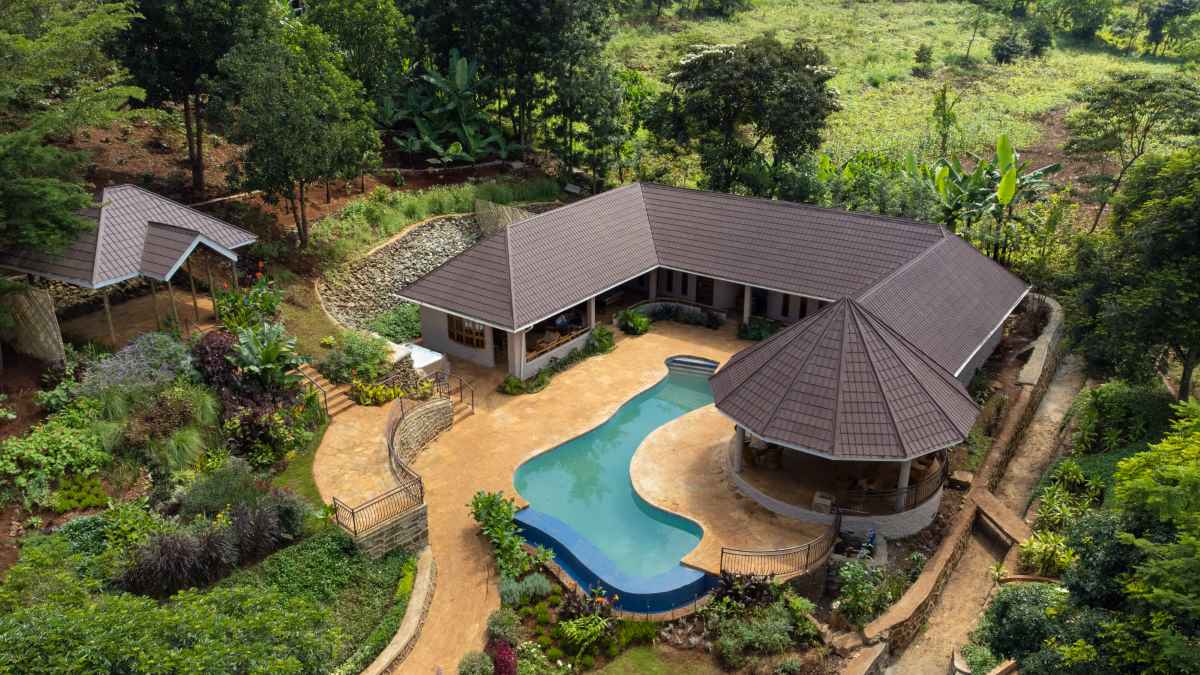
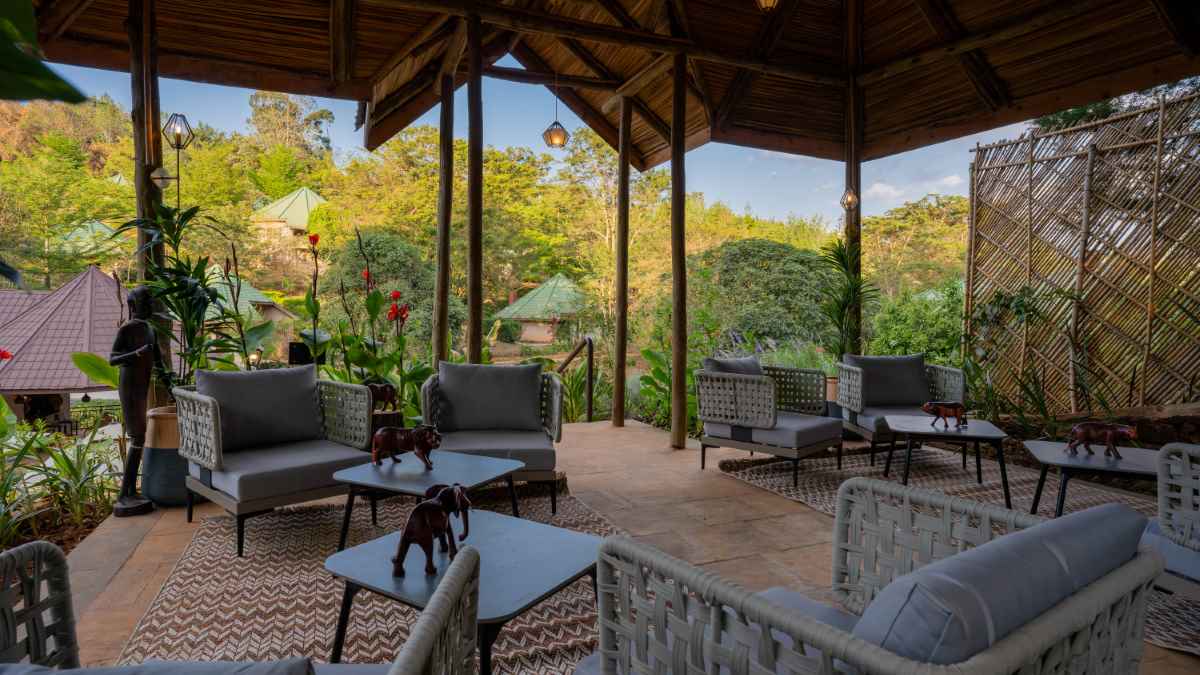
The communal spirit of the Maasai is reflected in the hotel’s design, with shared spaces like outdoor dining areas and a central bonfire encouraging interaction and connection
With easy access to some of Tanzania’s most iconic wildlife destinations, including the Ngorongoro Crater, Lake Manyara, Tarangire and Serengeti National Parks the property offers a sanctuary for travellers seeking an immersive and unforgettable safari experience.
“Turaco Ngorongoro Valley marks an exciting milestone as the first Tribute Portfolio property in Tanzania’s Northern Safari Circuit,” said Sandra Schulze-Potgieter, Vice President, Premium, Select & Midscale Brands, Europe, Middle East, and Africa, Marriott International. “This opening brings to life the brand’s passion for exceptional design and heartfelt service, offering a unique stay that reflects the untamed spirit of its destination. We’re thrilled to introduce this exceptional lodge to travellers seeking connection, culture, and adventure.”
Drawing inspiration from the traditional Maasai boma, the hotel’s architecture reflects the circular structures and pitched roofs that define the region’s heritage. The property features 37 suites, including 34 executive suites and three presidential suites, blending natural materials like wood and stone with vibrant Maasai-inspired accents. Elements such as wood-burning fireplaces and intricate detailing create a warm and inviting atmosphere, immersing guests in the local culture. The communal spirit of the Maasai is reflected in the hotel’s design, with shared spaces like outdoor dining areas and a central bonfire encouraging interaction and connection.
Guests can savour farm-to-table dining at Caldera Restaurant, which celebrates the region’s rich flavours with ingredients sourced from the on-site farm. N Bar offers craft cocktails, including the signature Tanzanian Dawa, in a stylish yet cosy setting with a piano and billiards table, while the poolside Maji Maji Bar provides light bites and refreshments among serene surroundings.
Turaco Ngorongoro Valley marks an exciting milestone as the first Tribute Portfolio property in Tanzania’s Northern Safari Circuit
Guests can immerse themselves in Tanzania’s natural beauty and cultural heritage through a variety of unique experiences. The Ngorongoro Crater Safari offers guests the opportunity to see an abundance of wildlife including the Big Five – elephants, buffaloes, rhinos, lions, and leopards – amidst breathtaking scenery. Guests can reconnect with nature as they explore lush greenery and diverse ecosystems during expertly guided forest walks. Alternately, they can explore the Endoro Trail, which leads to the fascinating Elephant Caves, showcasing ancient rock formations shaped over millennia. Maasai cultural activities, such as storytelling sessions, traditional dances, and village visits, offer guests a window into ancient traditions and a deeper understanding of the local community’s way of life.
Wellness and leisure are integral to the experience, with amenities that include a pool that mimics the natural shape of a watering hole; a jacuzzi, fitness centre, and a spa, where locally inspired therapies help restore balance and rejuvenation. A recreation area with a classic snooker table offers moments of relaxed enjoyment, while The Point, the lodge’s panoramic viewing deck, allows guests to soak in the incredible landscapes.
Ali Jivraj, Co-Founder of Turaco Collection, says: “Our goal is to create a space where guests can truly unwind, reconnect with nature, and immerse themselves in the local culture. From the vibrant design inspired by Maasai traditions to the curated experiences that celebrate the beauty of Tanzania, every detail has been crafted to ensure a memorable and meaningful stay.”
Sustainability lies at the heart of Turaco Ngorongoro Valley, a Tribute Portfolio Hotel. Solar energy and efficient waste management reduce the environmental footprint, while farm-to-table dining highlights the freshness of locally grown produce. Guests can join the lodge’s “Make the Green Choice” initiative, conserving energy, and water by opting out of daily linen changes.
The property supports various community initiatives, including the Kilimani Pre and Primary School, where it funds new classrooms, a kitchen, and staff facilities, while offering guests the opportunity to donate books and supplies. Guests can also purchase an additional bag of firewood for $20, with all proceeds going to local women to support their livelihoods.
Turaco Ngorongoro Valley, a Tribute Portfolio Hotel offers airport shuttles to and from Arusha Airport (140km away), and Kilimanjaro International Airport (204km away).
For more information or to book your stay, visit www.Marriott.com.
Distributed by APO Group on behalf of Marriott International, Inc..













Business
Enlit Africa seeks contributions that move the conversation from strategy to execution: ensuring a Future Fit Africa

Business
CEM Africa Awards 2026 set to recognise Africa’s leading Customer Experience (CX) talent and innovation

The 2025 awards attracted more than 80 entries and 31 finalists, culminating in eight award winners
The calibre of organisations and individuals recognised through the CEM Africa Awards demonstrates just how much extraordinary CX work is being done across the continent
JOHANNESBURG, South Africa, September 25, 2026/APO Group/ –Customer experience professionals, teams and organisations across Africa have just days remaining to enter the 2026 CEM Africa Awards, with free applications closing on 30 September 2026.
Taking place on 10 November 2026 at the NH Hotel in Sandton, Johannesburg, the Customer Experience Africa Awards form part of the CEM Africa platform and recognise the individuals, teams, technologies and initiatives raising the standard of customer experience across the continent.
For organisations considering whether to enter, the company they could be keeping provides a compelling indication of the calibre of the awards.
A growing roll call of African CX leaders
The 2025 awards attracted more than 80 entries and 31 finalists, culminating in eight award winners. Finalists represented organisations spanning financial services, technology, telecommunications, retail, insurance, public services and social impact.
Among them were Absa, Capitec Bank, Santam, Telesure Investment Holdings, Equity Bank, Takealot.com, NTT DATA, Frogfoot, Telviva, Harambee Youth Employment Accelerator, the University of Pretoria and South Africa’s Department of Social Development.
The 2025 winners included Serisha Iyer of Absa Corporate and Investment Banking, named Rising Star in CX; Alma Angela Olela of Jubilee Health Insurance, named CX Leader of the Year; and Franco Cotumaccio of Shadow Global, winner of Breaking Barriers in CX.
Corporate winners included Telesure Investment Holdings for Best Overall CX Solution, Krisp for Best Use of AI, Telviva for Best Enterprise Contact Centre Platform, Harambee Youth Employment Accelerator for Best Customer Experience Team of the Year and the University of Pretoria for Best Citizen Experience Initiative.
That follows a 2024 edition in which winners included NCBA Bank, MultiChoice, Digital Solutions Group, Absa Bank and Telviva, alongside individual CX leaders from across the continent.
More than a trophy
For entrants, recognition through the CEM Africa Awards puts their work in front of a wider African CX community and an independent judging panel drawn from across the industry.
The 2026 judging panel includes global CX specialist Ian Golding; Andrew (Dré) Enebeli, Head of CX & Engagement at Access Bank; Dr Oliver Museka, President and Founder of IRDM College Eswatini; Jonathan Daniels, Managing Director of CX Centric; Joven Pillay, Partner and Head of Customer Consulting at KPMG; and Qaalfa Dibeehi, Managing Partner at Human2Outcome.
This year’s awards recognise excellence across four broad pillars – People, Innovation, Transformation and Government – covering categories including CX Leader of the Year, Rising Star in CX, Breaking Barriers in CX, Best Overall CX Solution, Best Use of AI, Best Enterprise Contact Centre Platform, Best Customer Experience Team of the Year, Best Digital Transformation in Public Services and Best Citizen Experience Initiative.
“The calibre of organisations and individuals recognised through the CEM Africa Awards demonstrates just how much extraordinary CX work is being done across the continent. These awards give that work a platform. Whether it is a major transformation programme, an innovative use of technology or an individual changing how their organisation thinks about the customer, we want to make sure Africa’s best work is being seen and recognised.”
- Briteny Price, Event Manager and CEM Africa Awards Director
Final opportunity to enter
Applications for the 2026 CEM Africa Awards are free and remain open until 30 September 2026. Finalists will be announced in October, ahead of the awards ceremony on 10 November at the NH Hotel, Sandton.
Organisations, teams and individuals working to improve customer and citizen experience across Africa are encouraged to submit their entries before the deadline.
Apply for the CEM Africa Awards 2026 by 30 September 2026
Submit your application (https://apo-opa.co/4hdcimx)
Explore the CEM Africa Awards
Visit the CEM Africa Awards website (https://apo-opa.co/4iNXzzM)
Distributed by APO Group on behalf of VUKA Group.
Business
Emirates to bring the A350 to Nairobi, introducing next-generation cabin experiences

-

 Business4 days ago
Frasers Hospitality unveils Fraser Suites Reserve, a new luxury serviced living brand
-

 Energy5 days ago
Building a Knowledge Hub for China-ASEAN Energy Cooperation
-

 Business4 days ago
African Energy Week (AEW) 2026 Technical Sessions Put Technology Behind Africa’s Next Energy Projects in Focus
-

 Business5 days ago
RS South Africa Supports Next-Generation Edge Artificial Intelligence (AI) With NVIDIA Jetson Orin Nano 2
-
Energy3 days ago
Democratic Republic of the Congo (DRC) Brings Oil Development Push to African Energy Week (AEW) 2026 as Hydrocarbons Minister Leads Sector Agenda
-
 Business3 days ago
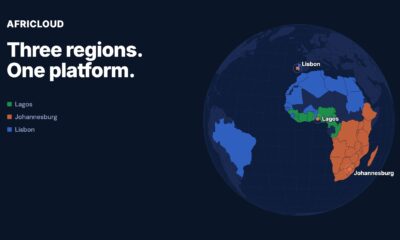
AFRICLOUD Opens Lagos Region and Local-Currency Payments in African Markets
-

 Business4 days ago
Rising power costs put energy strategy at the centre of industrial competitiveness
-

 Business3 days ago
Africa Finance Corporation (AFC) Supports Successful Close of ₦729 Billion Series 2 Bonds to Advance Nigeria’s Power Sector Reforms