Connect with us
Anglostratits

Business

Macro & ESG Trends RE-Setting the Property Agenda – Africa Property Investment Summit (API)
Published

on

APISummit

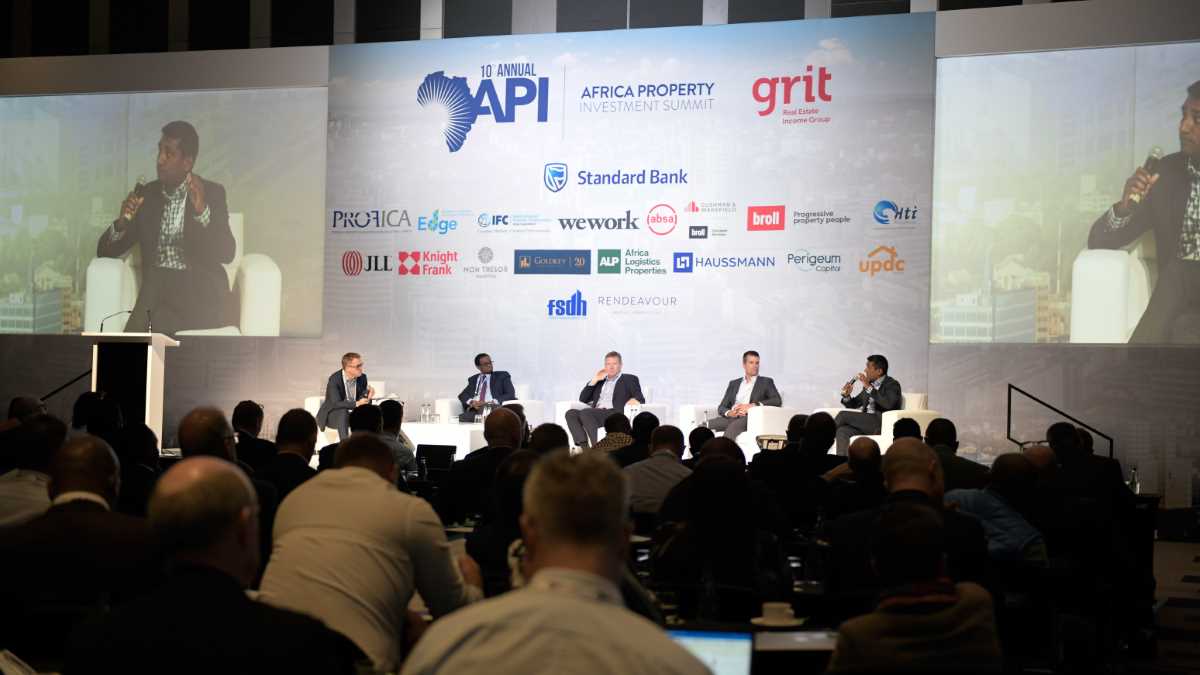
Speaking ahead of the API Summit, Standard Bank’s head of real estate finance Africa regions, Niyi Adeleye, argues that key micro and macro trends and liquidity are having an effect on the broader investment case and how investors are choosing to allocate capital into the future

JOHANNESBURG, South Africa, August 25, 2022/APO Group/ — 

The way in which we live, work and play has been fundamentally re-set, comments, Kfir Rusin, the host of Africa’s leading property investor and developer gathering, the API Summit (www.APISummit) (Johannesburg, 21 & 22 September). This has transformed how occupiers utilize space; how we do business and how real estate investors are allocating capital. As we build back stronger, stakeholders across the real estate value chain have to deliver on a new set of principles driven by real returns, sustainability, resilience and affordability.

Speaking ahead of the API Summit, Standard Bank’s head of real estate finance Africa regions, Niyi Adeleye, argues that key micro and macro trends, most notably improving infrastructure supply; ESG; pending IMF deals, currency instability, and liquidity are having an effect on the broader investment case and how investors are choosing to allocate capital into the future.

“Property owners need to remain mindful of the impact of the micro and macro environment on the demand patterns of their assets. The pragmatic response is typically a conservative use of debt within a project’s capital structure to manage income volatility, should it occur. Similarly, project sponsors should pursue portfolio strategies that balances their sector exposures to manage the impact of micro and macro factors on specific assets, countries (that may be more vulnerable) and real estate sub-segments. Nevertheless, as a result of the rebasing of rents in some sectors pre-pandemic, the observation is that key sectors and a number of assets had found rental equilibrium and the observation was a trading ramp-up across a number of stabilizing assets across markets.”

Moving from funding allocation to a sector performance perspective, Adeleye highlights that in Africa (ex-RSA) broadly the most resilient and best performing has been the industrial segment followed by A-grade commercial offices spaces and a pleasing rebound by the hospitality sector.

This year’s event features a standalone Africa Hospitality Forum, the Africa Proptech Forum Event, an Awards Dinner and Cocktail function for over 400 attendees from 30 countries
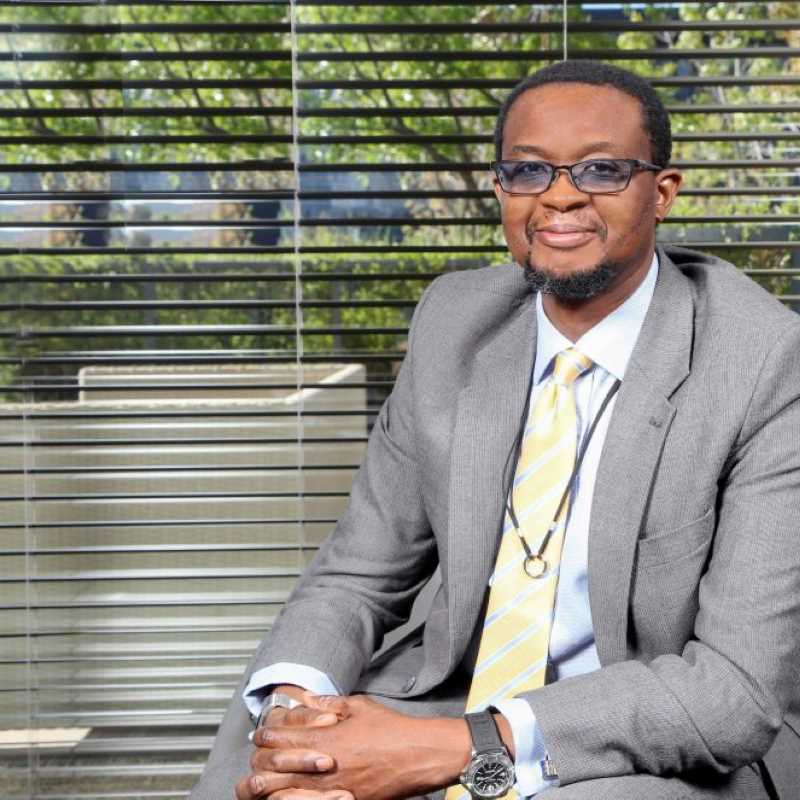
Niyi Adeleye

Conversely, for him retail developments remains a concern across the continent as the sector continues to fall foul of the prevailing global macroeconomic environment.  As, Adeleye says “retail is likely to feel the brunt of the current macro pressures and inflationary trends as currency volatilities continue to erode purchasing power whilst also increasing cost of imports given the relative strength of the dollar.”

And if the traditional real estate sector has provided mixed results, Adeleye shares the optimism on the growing value and importance placed on industrial, residential, life sciences and data centres segments, but cautions market players to fully understand demand in each segment and jurisdiction. 

“The demand patterns, the types of user base and the mission critical nature of the required spaces to the demand profile these real estate segments suggest that the sectors will show more steady performance in the medium term. Thus, the probability of out performance is likely, however, appropriate consideration is also necessary to ensure that the demand-supply dynamics of these segments are carefully monitored to ensure that massive supply overhangs are avoided.”

It is this correct balancing and mitigation of risk associated with real estate investment and development in Africa that ESG is coming to the fore and increasingly critical to correct decision making and retaining value in assets and portfolios, says Adeleye. 

“ESG considerations have become a critical component of risk assessment as the absence of these features either at an asset or portfolio levels erodes confidence around future proofing of asset demand given the importance of the theme. Similarly adapting to evolving market dynamics and urbanization trends is a reality that market participants have to continuously consider to remain relevant to their markets and demand patterns.”

In conclusion, Rusin ends that this this year’s API Summit’s diversity of speakers, companies and countries represented is evident of an African real estate sector that is moving fast and ramping up.

“The API Summit continues to attract pan African and international leaders actively pursuing deals across the continent. This year’s event also features a standalone Africa Hospitality Forum, the Africa Proptech Forum Event, an Awards Dinner and Cocktail function for over 400 attendees from 30 countries. That we are able to continue to expand and grow the event in 2022 after the Covid-19 Pandemic is testament to the value we bring to our investor community and the support of our lead sponsor Standard Bank and many others.” 

Distributed by APO Group on behalf of API Summit.

Business

Aurionpro expands its multi-country transaction banking engagement with Diamond Trust Bank (DTB)

Published

on

Aurionpro

Aurionpro’s upgraded iCashpro platform for DTB delivers a unified digital experience across payments, trade, virtual accounts, and real-time reporting, enhancing straight-through processing, visibility, and control for both the bank and its corporate customers

MUMBAI, India, April 30, 2026/APO Group/ –Aurionpro Solutions Limited (www.AurionPro.com) (BSE: 532668 | NSE: AURIONPRO)a global leader in banking technology, announced the expansion and upgrade of its transaction banking engagement with Diamond Trust Bank (DTB), to modernize and enhance the bank’s corporate transaction banking capabilities across multiple countries.

Download Document: https://apo-opa.co/4edHUaC

This multi-country transaction banking upgrade covering Kenya, Uganda, and Tanzania aligns with DTB’s intent to enhance customer experience, streamline operations, and support growing transaction volumes as it expands its regional corporate banking footprint. DTB continues to focus on building a more agile, ‘digital-first’ banking experience, particularly around payments for its corporate customers across Africa, and is now well positioned to scale these capabilities. As part of its broader transformation agenda, the bank has been steadily investing in platforms that enhance scale, reliability, and service consistency across markets.

Through this partnership, we are proud to lead the next era of transformation in transaction banking, helping DTB enhance operational agility

Aurionpro’s upgraded iCashpro platform for DTB delivers a unified digital experience across payments, trade, virtual accounts, and real-time reporting, enhancing straight-through processing, visibility, and control for both the bank and its corporate customers. By enabling DTB to standardize and scale its transaction banking operations across countries, the platform ensures consistent service levels, stronger control, and improved efficiency. It also supports enhanced user experience, advanced security, and the flexibility to introduce new features as DTB expands its regional transaction banking footprint.

Murali Natarajan (https://apo-opa.co/48trPdk), Managing Director & CEO, DTB Kenya   commented: “We are delighted to strengthen and broaden our partnership with Aurionpro Solutions as part of DTB’s ongoing digital transformation journey across multiple markets. Our focus on innovation, operational excellence, and customer-centricity continues to guide our technology investments. This upgrade strengthens our transaction banking capabilities, enabling us to deliver greater value to our customers through robust digital channels and seamlessly integrated experiences.”

Ashish Rai, Group CEO, Aurionpro Solutions, commented: “We are pleased to deepen our multi-country engagement with Diamond Trust Bank and support the next phase of its transaction banking modernization. As DTB continues to scale across markets, platform resilience and consistency become paramount. Through this partnership, we are proud to lead the next era of transformation in transaction banking, helping DTB enhance operational agility, deliver superior experiences to corporate customers, and create long-term value across geographies.”

He added, “Aurionpro’s iCashpro lays a strong digital foundation for transaction & wholesale banks across the globe to grow their corporate and SME client portfolio today, while creating a clear roadmap for next- generation capabilities in AI-driven insights, advanced automation and API-led connectivity for businesses in Kenya and across Africa.”

Distributed by APO Group on behalf of Aurionpro Solutions Ltd.


Continue Reading

Business

Minerals Council Chief Executive Officer (CEO) Joins African Mining Week (AMW) as South Africa Improves Sectorial Investment Climate

Published

on

Energy Capital

Minerals Council CEO to share insights on policy, infrastructure and investment trends shaping South Africa’s mining industry

CAPE TOWN, South Africa, April 30, 2026/APO Group/ –The upcoming African Mining Week (AMW) conference will feature Mzila Mthenjane, CEO of the Minerals Council of South Africa, as a speaker. Scheduled for October 14 – 16, 2026 in Cape Town, the event will bring together global investors, policymakers and industry leaders, with Mthenjane’s participation highlighting the council’s commitment to engaging international stakeholders and promoting investment across South Africa’s mining sector.

His participation comes at a critical moment as the Minerals Council works closely with government on finalizing the Mineral Resources Development Bill 2025, a policy framework aimed at strengthening the country’s mining investment climate and the sector’s contribution to GDP. According to the council, the revised legislation will support new investment across the value chain as South Africa seeks to mobilize R2 trillion over the next five years to unlock its critical minerals potential.

The policy reforms come amid shifting production trends in the sector. In 2025, South Africa recorded declines in gold and platinum group metals output of 1.9% and 4.1%, respectively. The new regulatory framework is expected to strengthen public-private partnerships and stimulate investment, enabling South Africa to increase production and capitalize on strong global commodity prices. Increased private sector investments is crucial with South Africa seeking targeting to unlock an estimated R40 trillion in untapped iron ore potential as well as maintain its position as the world’s leading producer of chrome and manganese.

At AMW 2026, Mthenjane is expected to outline these trends, providing insights into how the council is contributing to addressing challenges disrupting the sector. Infrastructure and energy costs remain key concerns for industry players. To support the energy-intensive sector, South Africa approved a 35% reduction in electricity tariffs for major ferrochrome producers, helping stabilize an industry that has faced significant cost pressures after electricity prices surged by roughly 900% since 2008.

Logistics constraints are also a priority area for reform. South Africa’s economy is losing an estimated R1 billion per day due to inefficiencies across rail and port infrastructure. As a result, the government is considering measures supported by the Minerals Council to increase private sector participation in logistics. Planned reforms include rail modernization initiatives targeting 250 million tons of freight capacity by 2029, alongside port upgrades and private operator participation aimed at strengthening mineral exports and improving supply chain efficiency.

Beyond infrastructure and policy reforms, the Minerals Council is advocating for stronger exploration investment to support long-term industry growth.

At AMW, Mthenjane is expected to highlight these developments and outline the steps required to reinforce South Africa’s position in the global minerals supply chain. His insights will offer investors and stakeholders a timely perspective on opportunities within the country’s mining sector.

Distributed by APO Group on behalf of Energy Capital & Power.

Continue Reading

Energy

Seychelles Targets Energy Investment Push as Minister Jérémie Joins African Energy Week (AEW) 2026 as a Speaker

Published

on

African Energy Chamber

Seychelles energy minister will speak at AEW 2026, positioning her to highlight reforms, renewable projects and investment opportunities as the island nation advances its transition toward a diversified energy system

CAPE TOWN, South Africa, April 29, 2026/APO Group/ –Marie-May Jérémie, Minister of Environment, Climate, Energy and Natural Resources for Seychelles will participate as a speaker at this year’s African Energy Week (AEW) 2026, taking place from October 12–16 in Cape Town. Her participation underscores the country’s growing role in shaping Africa’s small-island energy transition agenda.

Minister Jérémie’s presence at AEW 2026 comes at a critical time as Seychelles accelerates efforts to reduce its heavy reliance on imported fossil fuels. The event provides a platform to attract investment, strengthen policy alignment and showcase bankable projects, positioning the country as a viable destination for private-sector participation in island energy systems.

Seychelles is demonstrating how policy reform and innovation can unlock investment in constrained environments

In May last year, international finance institution the World Bank approved the Renewable Energy Acceleration Program, a seven-year initiative aimed at modernizing the grid and increasing renewable energy penetration to 15% by 2030. The program focuses on unlocking private capital while strengthening transmission infrastructure to accommodate variable renewable energy sources.

Project development is gaining traction in the country, particularly in innovative technologies suited to Seychelles’ land constraints. The 5.8 MW Seysun Lagoon floating solar PV project, developed by independent renewable power producer Qair, is under construction and expected online in 2026.

Alongside renewables, Seychelles continues to pursue upstream opportunities to diversify its economy. The government approved new exploration entrants in 2025 and extended exiting petroleum agreements, while securing an infrastructure partnership with China. Multilateral estimates suggest over $800 million in investment will be required over the next 25 years.

Regulatory reform is central to this transition, with Seychelles introducing an independent power producer framework to open the market to private developers. Standardized power purchase agreements, grid access reforms and strengthened public-private partnership structures are being implemented to improve transparency, reduce risk and accelerate project bankability across solar, storage and emerging wind opportunities.

“Minister Jérémie’s participation highlights the strategic importance of island nations in Africa’s broader energy transition,” says NJ Ayuk, Executive Chairman, African Energy Chamber. “Seychelles is demonstrating how policy reform and innovation can unlock investment in constrained environments. Her insights will be critical to advancing dialogue on resilient, low-carbon energy systems across the continent.”

Distributed by APO Group on behalf of African Energy Chamber.

Continue Reading

Trending