Connect with us
Anglostratits

Business

Locally Produced Sustainable Aviation Fuel will Boost Emission Reductions and Fuel Security in Africa (By Omar Ali Adib)

Published

on

Aviation Fuel

There are opportunities for Africa in the global transition to cleaner, sustainable aviation fuel (SAF), which will need to be indigenously produced to be truly sustainable

NAIROBI, Kenya, June 11, 2024/APO Group/ — 

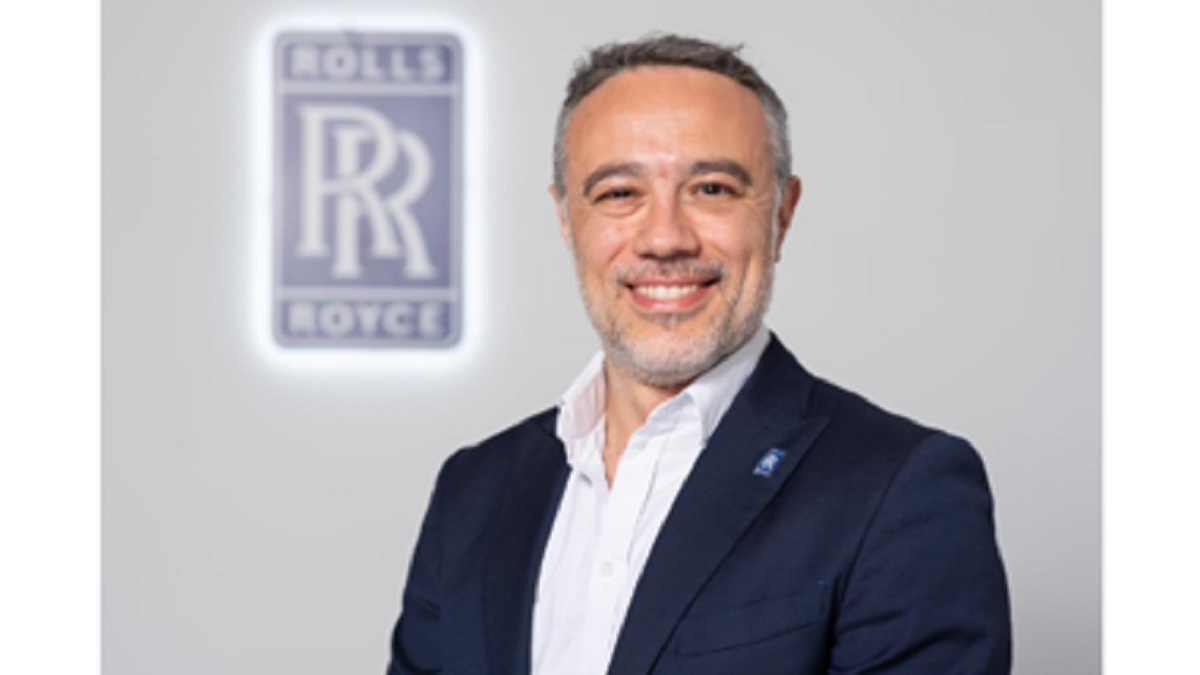
By Omar Ali Adib, Rolls-Royce Senior Vice President, Africa.

African airlines play a vital role in unlocking trade, providing employment, increasing GDP, and demonstrating national and continental pride. However, they face formidable challenges, foremost among them being the cost of aircraft fuel, which exceeds global averages by up to 30%, which can be attributed to the lack of local refining capability, unique market dynamics, taxation and duties, and foreign exchange challenges from weakening local currencies.

In the wake of the COVID-19 pandemic, Africa’s aviation sector has displayed remarkable resilience by returning to pre-pandemic levels. However, if African airlines are to continue to sustain their growth and competitiveness on the global stage, then they will need to fulfil some strategic objectives.

The industry needs the best technologies to maximize operational efficiencies, defend and innovate fuel security, and develop our human resources.

In terms of operational efficiency, Rolls-Royce has a role to play in supporting African airlines.

Our engines power half of the world’s wide-body (twin-aisled) aircraft, connecting passengers, transporting food and goods, and delivering healthcare and humanitarian aid. The most technologically advanced members of the Rolls-Royce engine family are the Trent 7000, which powers the Airbus A330neo, the Trent XWB, which serves the Airbus A350, and, of course, the Trent 1000, which was designed for Boeing’s 787.  

This engine family has continually evolved over the last 30 years. Since the first Trent engine took flight, Rolls-Royce has focused on improving engine performance and reliability, introducing advanced new manufacturing methods, materials, aerodynamics and digital technologies. Just recently, Rolls-Royce committed £1bn to a program that will enhance and advance not only new engines entering the market but also engines already in service. With this new billion-pound investment in new technologies, our existing customers will benefit from improved availability, reliability and fuel efficiency. 

Rolls-Royce has actively supported work to support 100% SAF adoption and our role has been to prove there are no technology impediments to its use at engine level

Today, a Rolls-Royce Trent XWB aero engine consumes 15% less fuel than the first generation of Trent engines, contributing to savings of about $6.4 million per aircraft per year.

These savings can be even greater in Africa due to the higher cost of jet fuel.

Turning to fuel innovation and security, there are opportunities for Africa in the global transition to cleaner, sustainable aviation fuel (SAF), which will need to be indigenously produced to be truly sustainable. This alternative African fuel would bring immediate benefits to emissions and longer-term fuel security. But the challenge is to produce SAF at scale.

In addition to the well-documented benefits of SAF as a key enabler to reduce aviation carbon emissions by up to 80%.

The subject of SAF will become increasingly important as, from 2025, all airlines flying into the European Union must use a 2% blend of SAF, which will gradually increase to 6% in 2030, 20% by 2035, 34% by 2040, and 70% by 2050. This move has prompted the recently established EU Global Gateway African Euro320bn Investment Package, half of which will be directed towards developing Africa’s SAF capabilities.

Rolls-Royce has actively supported work to support 100% SAF adoption and our role has been to prove there are no technology impediments to its use at engine level. That is why we have recently completed our commitment to ensure all of our in-production civil aero engines are compatible with 100% SAF – a commitment underpinned by a series of tests on the ground and in the air. We were also pleased to support Virgin Atlantic, which operated the first-ever 100% SAF flight across the Atlantic from London to New York late last year, powered by Trent 1000 engines

SAF can be made from waste cooking oils and biofuels produced from agricultural waste or the growing of feedstock plants on marginal lands unsuitable for food crops—a whole new sector of agriculture. The benefits of a regional SAF supply chain include increased energy security, reduced volatility of jet fuel supply and pricing, less forex exposure and economic development opportunities through local investments and job creation.

Choosing the right aerospace technology that continues to advance and evolve while in service simultaneously reduces operating costs, bolsters our growing economy and strengthens our transition to indigenous and better-performing fuel.

Africa has over 24% of the world’s agricultural land and 60% of the world’s uncultivated arable land. Thanks to partnerships forged between the government and private sector in East Africa, we are delighted to see the seeds are already being sown to develop a world-leading biofuel sector.

Distributed by APO Group on behalf of LCH Consultancy & Associates.

Business

Sierra Leone Deepens Upstream Ambitions with Shell Reconnaissance Deal

Published

on

Sierra Leone

The agreement reflects growing investor confidence in Sierra Leone’s offshore potential and highlights a data-led strategy to de-risk frontier exploration acreage

PARIS, France, April 23, 2026/APO Group/ –Sierra Leone has strengthened its upstream petroleum ambitions with the signing of a Reconnaissance Permit Agreement with Shell Exploration Company B.V., marking a significant step in its efforts to attract investment and advance offshore basin evaluation.

The agreement was signed through the Petroleum Directorate of Sierra Leone (PDSL) at the Invest in African Energy 2026 Forum in Paris on Wednesday.

Under the terms of the agreement, Shell is granted rights to undertake advanced geological and geophysical studies across offshore G-Blocks 91, 92, 93, 110, 111, 112, 114, 115, 116, 117, 133, 134, 135, 148, 149, 150, 162, 163 and 164, covering approximately 20,594 square-kilometers.

Signing this agreement… underscores Sierra Leone’s growing visibility on the global energy stage

The reconnaissance program will include seismic data quality control and interpretation, integration of well data, detailed petrophysical analysis, basin modelling, petroleum systems evaluation, identification of structural traps and reservoir fairways, and play-based exploration and prospectivity mapping.

“This agreement with Shell marks a defining moment in Sierra Leone’s journey to responsibly unlock the value of our natural resources. It sends a strong and credible signal to the global investment community… that Sierra Leone is open for business, underpinned by transparency, stability and strong governance,” said President Julius Maada Bio in a statement released by PDSL.

PDSL Director General Foday Mansaray also highlighted the strategic importance of the agreement, stating: “Signing this agreement… underscores Sierra Leone’s growing visibility on the global energy stage. Securing Shell as a partner is a strong validation of the work we have undertaken to strengthen our geoscience database and regulatory framework.”

He noted that Sierra Leone’s upstream strategy is centered on de-risking frontier acreage through high-quality seismic data, advanced subsurface imaging and transparent engagement with global operators.

Shell’s involvement brings significant weight to Sierra Leone’s upstream ambitions. With operations in more than 70 countries and extensive deepwater exploration expertise, the company is expected to play a key role in assessing basin potential ahead of future licensing rounds.

As African frontier basins continue to attract renewed interest from global energy companies, Sierra Leone’s latest agreement signals both ambition and positioning – placing data, transparency and credible partnerships at the center of its upstream growth strategy.

Distributed by APO Group on behalf of Energy Capital & Power.

Continue Reading

Energy

Zambia Energy Minister to Showcase Integrated Power and Fuel Investment Agenda at African Energy Week (AEW) 2026

Published

on

African Energy Chamber

Makozo Chikote joins African Energy Week’s growing ministerial lineup as Zambia fast-tracks energy reforms across power, renewables, and oil

CAPE TOWN, South Africa, April 22, 2026/APO Group/ –Zambia’s Energy Minister, Makozo Chikote, will take a prominent role at African Energy Week (AEW) 2026 in Cape Town from 12–16 October, where he is expected to outline the country’s integrated energy strategy to investors, policymakers and development partners.


His participation comes at a time when Zambia is accelerating reforms across the entire energy value chain – from electricity generation and renewable deployment to fuel supply security and downstream oil infrastructure – positioning the country as both a regional power hub and an emerging player in refined fuel distribution.


A key pillar of the government’s agenda is the Carbon Feed-in Premium (CFIP) program, launched earlier this month and designed to unlock up to 300 MW of private renewable energy investment. The initiative aims to diversify Zambia’s generation mix, reduce emissions and strengthen grid stability. It also includes a Mitigation Outcome Purchase Agreement with Norway under the CFIP framework, expected to help mobilize international climate-linked financing and support decarbonization of the power sector ahead of 2027.


Alongside the renewable push, Zambia is also advancing its hydrocarbons and fuel security agenda. The government has begun construction of a 60,000 barrels-per-day crude oil refinery in Ndola, a landmark downstream project aimed at reducing dependence on imported refined fuels and strengthening domestic supply security. The refinery is expected to support industrial demand, particularly from mining and transport sectors, while easing pressure on foreign exchange reserves over the long term. At AEW 2026, Minister Chikote is expected to position this dual-track strategy as central to Zambia’s long-term energy security and industrial growth agenda.


Zambia has already committed to adding more than 2,610 MW of new electricity generation capacity by the end of 2026. The expansion program is designed to address chronic power shortages, reduce load shedding and support industrial expansion. It prioritizes a diversified mix of solar, wind and hybrid projects to improve system resilience, particularly as climate variability continues to affect hydropower output.

Zambia is taking a smart, integrated approach to energy – balancing power, renewables, and oil and fuel security


Investor sentiment has also been supported by recent regulatory momentum. In March 2026, the Energy Regulation Board approved 24 licenses, seven construction permits and amendments to existing projects, representing a combined investment commitment of ZMW 1.1 billion across power generation, renewables and downstream petroleum infrastructure. The approvals reflect both growing private sector appetite and a more streamlined regulatory environment for energy project development.


Beyond generation and fuel infrastructure, Zambia is also strengthening energy efficiency and system resilience. Through a partnership with the European Union, the Ministry of Energy has launched the Zambia Energy Efficiency and Sustainable Transformation program, introducing LED retrofits and infrastructure upgrades in schools and hospitals in the Eastern Province to reduce consumption and improve reliability.


Regionally, Zambia is deepening cooperation with Tanzania in oil and gas development, with both governments exploring joint exploration opportunities, cross-border energy trade and shared infrastructure. The discussions reflect a broader regional push to strengthen energy security and improve integration across East and Southern Africa.


“Zambia is taking a smart, integrated approach to energy – balancing power, renewables, and oil and fuel security. This is exactly the kind of practical, investment-ready strategy Africa needs. Minister Chikote is showing how policy can unlock capital and deliver real projects across the entire energy value chain,” said NJ Ayuk, Executive Chairman of the African Energy Chamber.

Distributed by APO Group on behalf of African Energy Chamber.

Continue Reading

Business

Afreximbank announces third African Continental Free Trade Area (AfCFTA) training programme as it seeks to empower African businesses

Published

on

Afreximbank

The programme is designed to equip participants with the skills, knowledge, and practical expertise required to navigate and succeed within Africa’s evolving intra-African trade landscape

CAIRO, Egypt, April 22, 2026/APO Group/ –African Corporates will have a unique opportunity to learn how to fully maximize the benefits of the African Continental Free Trade Area (AfCFTA) when the third edition of the AfCFTA Training Programme holds in Cairo, Egypt from 16th June to 18th June, 2026.

Developed and led by African Export-Import Bank (Afreximbank), in collaboration with the American University in Cairo (AUC) and the AfCFTA Secretariat, the programme is designed to equip participants with the skills, knowledge, and practical expertise required to navigate and succeed within Africa’s evolving intra-African trade landscape.

While the AfCFTA has significant potential to drive economic development across Africa, limited understanding of its technical provisions and practical applications continues to hinder the full realization of its benefits. The programme is designed to equip businesses with practical, actionable insights on identifying and capitalising on trade opportunities, managing export and import operations, and navigating trade finance, supply chains, and the broader international trade environment. It will also provide a clear understanding of how the AfCFTA framework addresses capacity constraints and expands market access for producers of goods and services across the continent.

By translating the AfCFTA’s legal and treaty provisions into business-ready strategies, the programme offers clarity on the regulatory, operational, and market requirements necessary for companies to fully leverage opportunities within the rapidly expanding AfCFTA market.

We are empowering businesses across Global Africa to scale, innovate, and play a leading role in the continent’s economic transformation

As the African Union’s key strategic partner in implementing the AfCFTA, Afreximbank has spearheaded multiple initiatives to advance both intra and extra-African trade and investment, with trainings playing a key role in capacity building.

Commenting on the programme, Dr. Yemi Kale, Group Chief Economist & Managing Director of Research at Afreximbank, described it as “a strategic platform for advancing the adoption and deepening the understanding of the AfCFTA among key stakeholders, particularly corporates within the broader private sector ecosystem.” He added that the initiative “reinforces the Bank’s commitment to equipping businesses with the insights and capabilities required to effectively leverage opportunities under the Agreement.”

Dr. Kale said: “I have full confidence that participants in this training will leave with a holistic understanding of the AfCFTA, its genesis and dimensions, enabling them to assess the outcomes of the ongoing negotiations, and to examine the challenges and opportunities that underlie the negotiations and the agreement at large. They will also be able to explore the prospects of the AfCFTA and to capitalize on the agreement while supporting its objectives to the benefit their corporations and the continent.”

Mohamed Ali, Director of Trade in Goods and Competition at the AfCFTA Secretariat, said: “This programme represents a critical step towards unlocking the full potential of intra-African trade through targeted capacity building and strategic partnerships. Our collaboration with Afreximbank reinforces a shared commitment to equip African businesses with the practical knowledge, tools, and institutional support required to effectively utilize the Agreement.”

Commenting on the programme, Mr. Stephen Tio Kauma, Managing Director, Human Resources at Afreximbank, stated: Delivered through the Afreximbank Academy (AFRACAD), this programme reflects our commitment to equipping African businesses with the practical skills needed to fully leverage the opportunities under the AfCFTA. AFRACAD continues to serve as a leading trade knowledge hub, empowering participants to compete and thrive in Africa’s single market. Through our strong partnerships and innovative learning approach, we are empowering businesses across Global Africa to scale, innovate, and play a leading role in the continent’s economic transformation”.

For registration and further information, please visit: https://apo-opa.co/41O3CdY

Distributed by APO Group on behalf of Afreximbank.

Continue Reading

Trending