Connect with us
Anglostratits

Business

How Africa can turn energy investment into lasting economic value (By Grant Villet)

Published

on

Mozambique and Namibia show what is possible when major oil and gas developments are viewed not simply as energy projects, but as platforms for infrastructure, skills, local business growth and regional economic integration

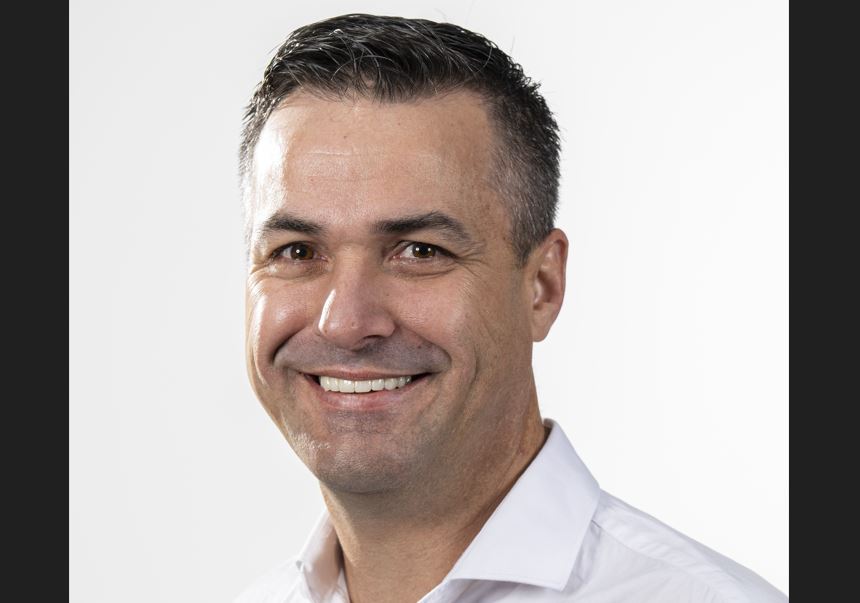
JOHANNESBURG, South Africa, October 22, 2026/APO Group/ —By Grant Villet, Business Development and Integration Executive, Aurex Constructors (www.Aurex.com).

Africa’s energy story is often around gas discoveries and investment potential. However, the real opportunity extends far beyond the resource itself. Mozambique and Namibia are emerging as important players in Africa’s oil and gas landscape, and what makes these markets particularly exciting is not simply the scale of their energy resources.


It is the potential for major energy developments to become platforms for broader economic transformation. The question we should be asking is not only how we develop these resources, but what we build around them and what remains when the project itself is complete.

The opportunity extends far beyond the oil and gas facility

In Mozambique, the scale of gas discoveries has already attracted global investment and created momentum for infrastructure development. Namibia is generating similar interest through its offshore discoveries.

These developments create demand for far more than the facilities required to produce or handle gas. They require ports, roads, logistics networks, power infrastructure, telecommunications and accommodation facilities. They also require a skilled workforce comprising artisans, supervisors, engineers and project managers, supported by the technical and operational expertise needed to deliver large-scale projects.

Local suppliers capable of meeting international standards for safety, quality and delivery are equally important. This supporting ecosystem is critical because it is where much of the broader economic opportunity lies.

If the ecosystem develops alongside the project, local businesses can participate meaningfully and the benefits can extend throughout the economy. Energy investment can then build demand and capability across multiple sectors rather than remaining concentrated within the project itself.

For Southern Africa, this creates an even greater opportunity. Developments in Mozambique and Namibia could strengthen regional supply chains and create opportunities through improved energy security for businesses across multiple countries. The real value lies in recognising these projects as platforms for broader economic growth rather than simply as energy-producing assets.

A successful project leaves a legacy

For me, success in a major infrastructure project cannot be measured only by whether a facility is completed on time and on budget. Those things are obviously important, but they are only part of the story. The projects that leave the biggest impact are those that develop people and strengthen local businesses creating lasting economic benefits long after construction has finished. That requires something that is sometimes harder to quantify, namely trust.

Major energy developments bring together governments, international operators, contractors, local suppliers and communities. These relationships can become complicated, particularly in complex operating environments, but our experience has shown that projects perform better when relationships are built on transparency and shared goals.

Problems are solved faster. Decisions can be made more effectively. Stakeholders remain focused on the bigger picture rather than becoming trapped in competing interests. Ultimately, the most successful projects create enduring economic and social value alongside the infrastructure they deliver.

Local capability cannot be an afterthought

There is often significant attention on the investment and jobs generated by major energy projects. Those benefits matter, but they should be viewed as part of a much longer-term process. If local participation and skills development are treated as box-ticking exercises, the benefits will inevitably be limited.

For local economic participation to become transformational, it must be intentional. Governments, operators and contractors need to genuinely invest in building sustainable local capacity. That means creating opportunities for local companies to grow, investing in training programmes and providing pathways for people to develop technical expertise that remains with them long after a project has been completed.

The measure of success should extend well beyond the construction phase. Five or ten years down the line, are local businesses stronger? Are local professionals more experienced? Has technical expertise been developed that can be applied to future projects? Is the economy better positioned to take advantage of the next opportunity? If the answer to those questions is yes, then real value has been created.

I believe Africa has a unique opportunity to use its natural resources as a foundation for industrialisation, job creation and the development of globally competitive industries

Lessons from complex operating environments

Our experience in Mozambique and Namibia has reinforced another important lesson in that technical capability alone does not guarantee success. Every major project has its own challenges, whether they are logistical, regulatory or operational.

Understanding the local environment, building strong relationships and remaining adaptable are therefore essential. We have also seen the value of engaging local businesses early and investing in local partnerships. Early investment in local partnerships and skills development generally delivers stronger long-term outcomes.

This is particularly important when projects are being delivered in remote or developing regions, where resilient supply chains require careful planning and strong collaboration between stakeholders. These lessons extend well beyond Mozambique and Namibia. They are relevant to energy and infrastructure projects across the continent.

Collaboration works best when it starts early

The complexity of major energy developments means that no single organisation can deliver their full potential in isolation. Governments, international companies, engineering and construction firms, African contractors and local suppliers all have roles to play. Collaboration succeeds when there is early engagement, clear communication and mutual respect between stakeholders.

Where challenges tend to arise is when stakeholders operate in silos or when local companies are brought into the conversation too late. Misaligned expectations can quickly create friction and undermine the potential of the wider project. The most successful projects recognise the complementary strengths that different participants bring.

International companies can contribute technology, experience and investment. Local businesses bring valuable market knowledge, established relationships and an understanding of local operating conditions. When those strengths are combined effectively, everyone benefits.

This is why local participation should be regarded as a strategic advantage rather than a compliance requirement. It should be understood as a source of capability, and knowledge  that can make the project itself stronger.

Oil and gas and the wider question of energy security

As industrial and economic demand grows, oil and gas also has an important role to play in Southern Africa’s energy future. Countries need reliable energy sources to support economic growth and industrial development and address energy security challenges while supporting sectors such as manufacturing, mining and heavy industry.

Importantly, oil and gas does not have to be viewed in opposition to renewable energy. It can form part of a balanced energy mix as countries develop the reliable energy systems required to support growing economies. There is also a broader regional opportunity.

Major energy developments can help connect infrastructure, supply chains and markets across national borders. In doing so, they can create stronger economic linkages and support greater regional integration. The opportunity extends beyond energy production to building more connected economies, stronger supply chains and greater regional growth.

Africa’s biggest opportunity and risk

Looking beyond individual oil and gas developments, I believe Africa has a unique opportunity to use its natural resources as a foundation for industrialisation, job creation and the development of globally competitive industries. However, that opportunity comes with a significant risk.

We could focus too heavily on extracting resources without building the skills, infrastructure and industries needed to maximise their long-term value. Natural resources alone do not create prosperity. What matters is how effectively those resources are translated into economic development and sustainable business growth.

That requires a different way of thinking about major energy projects. The oil and gas facility is not the end point. It is one component of a much larger economic system. Ports, roads, logistics, telecommunications, power infrastructure, accommodation, skills, local suppliers and resilient supply chains all form part of the picture. So do the relationships between governments, international companies, contractors, communities and local businesses.

If these elements are developed deliberately and in parallel, the impact of an energy project can extend far beyond the project itself. Mozambique and Namibia demonstrate the scale of the opportunity. Their energy developments have the potential to strengthen regional supply chains, improve energy security, support industrial development and create opportunities that extend across borders. The challenge and the opportunity is to ensure that Africa captures that wider value.

If we can balance resource development and capability development, support international investment while strengthening local participation, and connect individual projects to broader regional growth, energy investment can become much more than an export opportunity. It can become a foundation for lasting economic transformation. And that is when Africa’s natural resources can truly become an engine for the continent’s future.

Distributed by APO Group on behalf of Aurex Constructors.


Energy

Triple A Services & Petroleum Ltd Chief Executive Officer (CEO) Dr. Atong Amos Agook to Champion Women-Led Energy Businesses at South Sudan Oil & Power (SSOP) 2026

Published

on

Etu Energias

Triple A Services & Petroleum Ltd ‘s CEO, Dr. Atong Amos Agook, is expected to champion indigenous participation, upstream oilfield logistics and women-led energy enterprises at South Sudan Oil & Power 2026

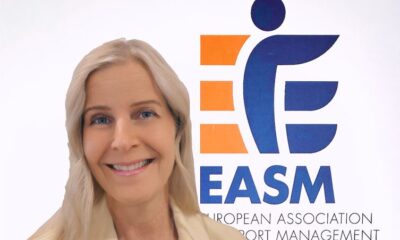
JUBA, South Sudan, November 12, 2026/APO Group/ –Dr. Atong, Founder and CEO of Triple A Services & Petroleum Ltd, has been confirmed as a speaker at South Sudan Oil & Power (SSOP) 2026, bringing her experience in fuel distribution, oilfield logistics and downstream services to discussions on expanding opportunities for women-led energy businesses.


As part of the programme, she will participate in the panel Women in Energy: Scaling Women-Led Enterprises in Downstream & Services, which will examine how access to finance, procurement contracts and commercial partnerships can support the growth of women-owned companies across South Sudan’s energy. The discussion will also explore opportunities for indigenous service providers to participate in the country’s expanding petroleum industry.

Dr. Atong has grown Triple A Services & Petroleum Ltd into a provider of petroleum products, logistics and technical services. The company operates across fuel distribution, bulk haulage, equipment supply and oilfield support, serving customers across South Sudan’s petroleum sector.

Triple A Services & Petroleum Ltd supplies fuel and logistics services to operators across the country’s producing oilfields. Its activities highlight the role of indigenous contractors in supporting petroleum operations while creating opportunities for local employment, skills development and supplier participation.

The company is in the last stage of also expanding its downstream portfolio, supplying petroleum products to include diesel, petrol, kerosene, aviation fuel and lubricants. These activities support domestic fuel distribution and regional supply chains as South Sudan seeks to strengthen its downstream infrastructure and reduce supply constraints.

Beyond conventional fuel distribution, Triple A Services & Petroleum Ltd is pursuing opportunities in LPG storage, cylinder bottling and retail distribution, supporting wider access to cleaner household cooking fuels. Expanding LPG infrastructure presents opportunities for investment in storage facilities, distribution networks and equipment supply, while supporting efforts to reduce reliance on wood fuel and charcoal.

As South Sudan advances investment in petroleum storage, fuel distribution and supporting infrastructure, indigenous companies have an opportunity to expand their role in project delivery and service provision. Improving access to working capital, trade finance and procurement contracts will be important to enabling local businesses, particularly women-led enterprises, to compete for larger commercial opportunities.

Returning for its seventh edition as South Sudan’s official energy investment platform, SSOP 2026 will provide an opportunity for Dr. Atong to engage government representatives, financiers, oil and gas operators and service providers on strengthening local content participation and developing partnerships across the downstream sector.

Held under the theme Resource Renaissance – Energy-Fueled Growth for a New Generation, the conference will convene industry leaders and investors to advance commercial opportunities across South Sudan’s energy value chain.

To register for South Sudan Oil & Power 2026 in Juba on November 24–25, visit: https://SouthSudanOilPower.com/

Distributed by APO Group on behalf of Energy Capital & Power.


Continue Reading

Business

New six-country study finds strong demand for African stories, but distribution gaps continue to limit audience reach and revenue

Published

on

African

Drawing on data and analysis spanning 2020–2026, the study identifies opportunities to strengthen film distribution and audience reach across six African markets, where combined pay TV and streaming revenues are projected to reach USD 5.2 billion by 2030

Africa’s paid television and online streaming market is projected to grow to USD 5.2 billion by 2030. But market growth alone will not guarantee that African films reach audiences or generate sustainable returns for filmmakers. New audience research across six African markets – Egypt, Kenya, Nigeria, Rwanda, Senegal and South Africa – points to the importance of both compelling storytelling and production quality: in Rwanda, 56% of respondents cited a lack of interest in stories or themes as a barrier to watching local or African films, while in South Africa, 98% rated acting quality as important when choosing films, and 96% said the same of plot and technical quality.


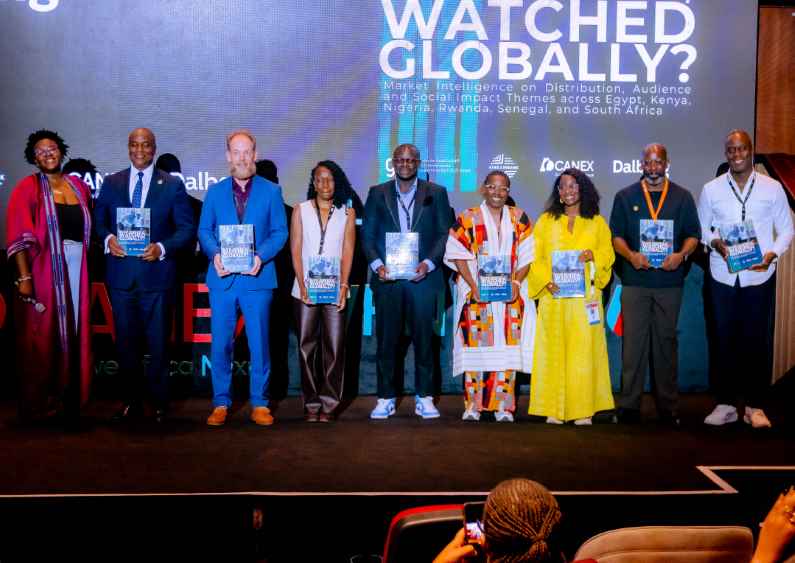
These findings are presented in Made in Africa, Watched Globally?, a new study commissioned by Deutsche Gesellschaft für Internationale Zusammenarbeit (GIZ) GmbH and the African Export-Import Bank (Afreximbank), through its Creative Africa Nexus (CANEX) programme, and produced by Dalberg. Covering Egypt, Kenya, Nigeria, Rwanda, Senegal and South Africa, the study examines film distribution, audience development, financing and social impact. It draws on 91 stakeholder interviews, a survey of 1,630 viewers across the six countries and five in-depth case studies.

The study explores how African films can better reach audiences and generate revenue, and how stories can shape public attitudes and encourage action on social issues including youth opportunity and aspiration, gender equality, governance and cultural identity. While film production is growing, distribution and monetisation have not kept pace with the expansion of the wider market.

Understanding what audiences want

The research also sheds light on what audiences want from African films – and what makes them choose one film over another. The findings point to a dual challenge for filmmakers: telling stories that resonate with audiences while delivering the quality viewers expect. Preferences also vary within markets, reinforcing the need for more granular audience data to help the industry understand what different groups watch, where they discover films and what they are willing to pay for.

Finding and accessing films remains another challenge. In Kenya, 52% of respondents said local and African films were difficult to find on mainstream platforms. The study recommends better audience-data systems that track viewing preferences, spending and performance across distribution channels. This would help producers, distributors and platforms make more informed decisions about what to commission, how to position films and how to reach different audiences.

YouTube has become an important route to audiences: 87% of Kenyan respondents and 98% of Senegalese respondents who stream films reported using the platform. Yet reach does not necessarily translate into sustainable revenue for producers, as advertising earnings can be low and monetisation opportunities vary.

From 1 February 2027, YouTube will raise the eligibility thresholds for new channels seeking advertising and YouTube Premium revenue sharing through its YouTube Partner Program. New applicants will need 1,000 subscribers and either 8,000 qualified watch hours in the previous 365 days or 20 million qualified Shorts views in the previous 90 days. These changes do not affect channels already in the programme, although separate thresholds apply to revenue sharing from Shorts. For emerging African film producers seeking to build audiences on the platform, the changes underline the importance of developing viable revenue models beyond advertising alone.

Reaching audiences requires investment beyond production

The study highlights how limited distribution infrastructure and affordability constraints can prevent films from reaching their potential audiences. Africa has approximately one cinema screen per 787,000 people, compared with one per 8,700 in the United States. Screens are also concentrated in major cities: around 90% of Egypt’s cinema screens are in Cairo and Alexandria, while more than 75% of Kenya’s fewer than 50 screens are in Nairobi.

Africa’s film industry has demonstrated its ability to produce compelling stories that resonate with audiences around the world

Watching on a phone can provide an alternative, but data costs remain a barrier. The study estimates that 1GB of mobile data costs the equivalent of 3.1% of monthly income across many African markets, above the global affordability benchmark of 2%. In a 2026 audience survey by South Africa’s National Film and Video Foundation, 31% of respondents described data for watching videos as expensive.

The report identifies opportunities to make film access more affordable and convenient, including advertising-funded services, offline downloads, video packages bundled with lower-cost data, and payment options integrated with mobile-money and telecommunications systems. It also recommends using audience insights to test pricing, payment and viewing packages that reflect different audiences’ needs and spending power.

Examples from the region demonstrate the potential of accessible distribution models. In Senegal, Marodi TV has built an audience of 8.67 million YouTube subscribers and generated 4.6 billion views through a free, advertising-supported model. In Kenya, platforms such as Viusasa have offered 24-hour subscriptions for as little as KES 10–20, allowing audiences to pay in small increments rather than commit to monthly subscriptions.

However, access alone is not enough. The study also identifies a weakened ‘missing middle’ in film financing: platforms and aggregators able to pay licensing fees and commission mid-budget local productions for domestic and regional audiences. The closure of Showmax in April 2026 and changes in commissioning by major international streaming services, including Amazon Prime Video, have further reduced some established routes to financing and distribution for African productions.

To address these gaps, the study recommends strengthening African-owned platforms and aggregators with established audiences, including through investment from public funders and development finance institutions. Dedicated national and regional distribution funds could help cover marketing, subtitling, dubbing and coordinated release campaigns. Grants and loans on preferential terms could also support African-owned distribution companies to acquire and release more films, rather than concentrating support on individual productions. Regional licensing arrangements and closer alignment under the African Continental Free Trade Area (AfCFTA) could make it easier to release films across borders.

Speaking on the role of financing in strengthening Africa’s film industry and unlocking commercial opportunities across borders, Mr Osahon Akpata, CEO of CANEX Creations Incorporated, said: “Africa’s film industry has demonstrated its ability to produce compelling stories that resonate with audiences around the world. The next priority is to ensure that this growing demand translates into sustainable businesses and greater economic returns for African creatives. This requires investment across the entire film value chain, alongside stronger African-owned enterprises capable of bringing local productions to regional and international markets. Through our Creative Africa Nexus (CANEX) programme, Afreximbank is working to bridge financing gaps, strengthen the commercial foundations of Africa’s creative industries and create opportunities for African businesses to participate more competitively in global markets. Our ambition is to build an industry where African creativity drives enterprise growth, generates employment and contributes meaningfully to intra-African trade.”

The experience of the Kenyan documentary, ‘Searching for Amani’, illustrates the challenge. The film premiered at the Tribeca Festival in 2024 and was selected for approximately 100 festivals worldwide, including the Raindance Film Festival. Despite this international visibility, the filmmakers struggled to finance community screenings in Kenya, limiting opportunities to bring the film directly to local audiences. The experience highlights the importance of investing not only in making films but also in ensuring they reach the people they were made for.

Stories can also support public dialogue and action

Beyond their commercial potential, films can contribute to public dialogue and action on social issues. The study identifies youth opportunity and aspiration, gender equality, governance and cultural identity among the themes that resonated with surveyed viewers

In Senegal, L’utilité et l’attachement, a documentary about unpaid compensation owed to communities displaced by a rail project, prompted presidential instructions to address their claims following a screening. The documentary premiered in 2025 at the Visions du Réel documentary film festival in Nyon, Switzerland and illustrates how films can create opportunities to bring public concerns to decision-makers.

The study recommends that funders and development partners invest in local screenings and discussions, alongside approaches to track changes in attitudes, behaviour or public decisions. It also emphasises the importance of preserving filmmakers’ control over their stories, noting that editorial influence from funders – or the perception of it – can limit commercial sales and wider audience reach.

Victor Chudal-Linden, Project Manager at GIZ, emphasised the importance of evidence in deciding which films to commission, how to reach audiences and where policy support is needed: “Good decisions start with a clear picture – and a clear picture emerges from many data points. The value of this evidence lies in how industry players, policymakers and partners use it together to understand audiences, address distribution gaps and help African stories reach more people. Together, we screen brighter”.

Film industry leaders, investors, telecommunications and payment providers, and policymakers joined GIZ, Afreximbank and Dalberg at the official unveiling of the study at CANEX WKND 2026 in Lagos, Nigeria. The discussion explored opportunities for collaboration around the study’s findings and recommendations, including distribution, access to finance and industry data.

Distributed by APO Group on behalf of Afreximbank.


Continue Reading

Energy

NOCs and IOCs Redefine Upstream Partnership Terms Ahead Paris Energy Event

Published

on

Participation stakes and work commitments have become the central points of negotiation between African state oil companies and their international partners

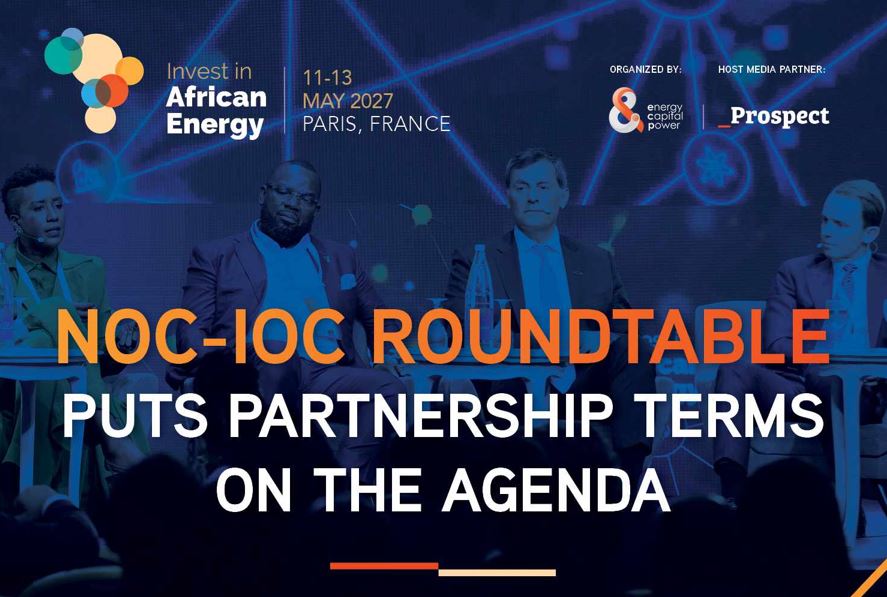
PARIS, France, November 11, 2026/APO Group/ –The Invest in African Energy (IAE) 2027 Forum will host an NOC-IOC Roundtable on May 11 in Paris, convening African national oil companies and international oil companies to discuss the commercial terms behind upstream partnerships. Most major African upstream developments are structured as joint ventures or production sharing agreements between the two groups, making the relationship a defining factor in how projects advance to development.


The roundtable comes as African NOCs take on larger roles as investors and operators. In Nigeria, Shell completed the approximately $2.4 billion sale of its onshore subsidiary to Renaissance, a consortium of African energy companies, in March 2025. Shell has since concentrated its Nigerian investment on deepwater and integrated gas, while state-owned NNPC retained its 55% stake in the onshore joint venture now operated by Renaissance.

Fiscal and contract terms between these two kinds of players are also being revisited. Libya’s National Oil Corporation awarded five blocks to companies including Chevron, Eni, QatarEnergy and Repsol in February 2026 in its first licensing round since 2007, signing production sharing agreements with several of the awardees in June. The corporation has said outcomes on drilling commitments and participation stakes will be used to improve terms for future rounds.

On the IAE agenda, the roundtable follows the Transaction Suite, in which African ministries, regulators and NOCs will present acquisition and farm-in opportunities, and precedes an Investor Circle on structuring bankable capex pipelines with sovereign energy masterplans and private capital. Related discussions continue on May 12 and 13 in main-forum sessions on domestic champions in onshore assets and on licensing rounds and frontier acreage.

The placement reflects how closely partnership terms are tied to project finance. Lenders and development finance institutions assess state carry arrangements and cost recovery provisions when evaluating project cash flows and repayment capacity, and alignment between NOCs and their international partners on these points supports a project’s case for financing. The Day 0 roundtable gives both groups a forum to address them ahead of the deal-making sessions over the remaining two days of IAE 2027.

IAE 2027 takes place May 11-13 in Paris. Organized by Energy Capital & Power (ECP), the forum brings together governments, national oil companies, operators and institutional capital to originate, structure and finance energy projects across Africa. Register at www.Invest-Africa-Energy.com.

Distributed by APO Group on behalf of Energy Capital & Power.


Continue Reading

Trending