Connect with us
Anglostratits

Business

From Mine Shafts to Classrooms: How a Cobalt Mining Town is Reclaiming Childhood and Rebuilding Hope

Published

on

mines

8,200 young people formerly working in the mines are being supported to integrate into school, vocational training, or income-generating activities

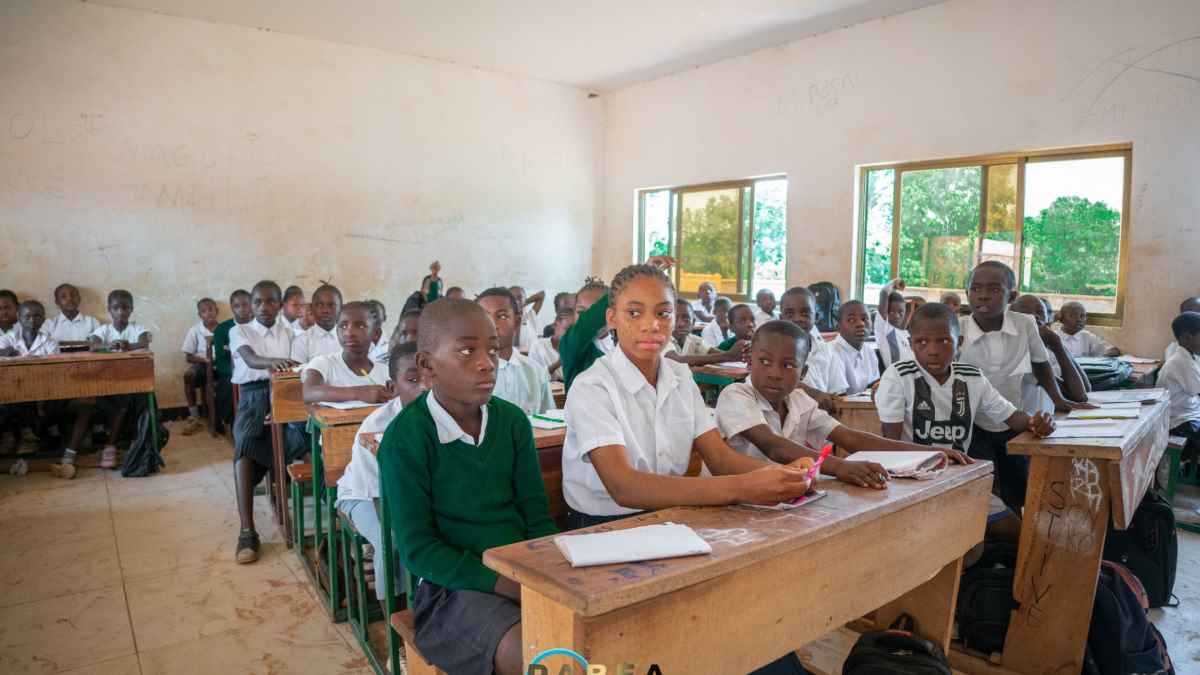
Thirteen-year-old Beni Cial Yumba Musoya used to spend her days scavenging for cobalt under the scorching sun in the artisanal mines of Kolwezi. Today, she dreams of donning a white coat and saving lives. “I want to be a doctor,” she says, smiling shyly from her wooden desk at Kasanda Primary School in Kasulo, a neighbourhood nestled in Congo’s mining heartland of south-eastern Democratic Republic of Congo. “I will build schools and health centres to help people, just as I was helped before,” she continues.

Beni is one of thousands of Congolese children whose lives have been transformed by the Support Project for Alternative Welfare of Children and Young People Involved in the Cobalt Supply Chain (PABEA-COBALT) (https://apo-opa.co/4l0Hwfv), a bold $82 million initiative funded by the African Development Bank.

The project aims to eliminate child labour in the cobalt sector – an industry vital to the global tech economy, yet plagued by poverty, informally and exploitation.

The atmosphere here has changed dramatically. Just a few years ago, the soundscape of Kasulo was dominated by the roar of rudimentary mining machinery and the shuffle of children burdened by sacks of ore. Today, those echoes have been replaced by the buzz of classrooms, the chatter of pupils at recess, and the laughter of children rediscovering play and learning.

In early 2022, PABEA-COBALT identified more than 16,800 Congolese children working in artisanal cobalt mines in the provinces of Haut-Katanga and Lualaba. Since then, 13,587 of them – including Beni – have been enrolled in schools. Many attend newly constructed or rehabilitated facilities like Kasanda Primary School, where education, healthcare, psychological support and civil registry services are provided at no cost.

“Before, I used to collect minerals in artisanal mines. That was all I knew,” recalls Beni, her expression briefly clouded by painful memories.

This model proves that by focusing on education and local entrepreneurship, we can break the cycle of child labour in the mines for good

A few steps away, Marie Samba tends to her hens and quails, her hand dusted with feed rather than cobalt residue. A former mine worker, Marie once spent her days sorting and washing cobalt to survive. Today, she’s a trained poultry farmer. “I used to collect and wash minerals to sell them,” she sighs.

Marie is one of over 10,500 parents and guardians supported by the project – well above the initial target of 6,250. They have received training in agriculture and livestock farming, as well as materials to start-up kits to launch small businesses. Additionally, 8,200 young people formerly working in the mines are being supported to integrate into school, vocational training, or income-generating activities.

“We have been educated and trained in livestock farming and agriculture. We have also been given supplies to start our activities. I didn’t think I could change my life like this,” says Marie Samba, who is delighted with the excellent results she is achieving with her poultry farm

PABEA-COBALT has also helped establish two entrepreneurship centres in Haut-Katanga and Lualaba, equipped with modern equipment for agriculture, livestock farming and food processing. These centres serve as anchors for change, empowering young people and parents to build livelihoods away from the mines.

“One of the project’s greatest successes is that it has anchored change from within the communities,” says project coordinator Alice Mirimo Kabetsi. “Solutions don’t just come from outside: they are now driven by parents, teachers and young people themselves. This model proves that by focusing on education and local entrepreneurship, we can break the cycle of child labour in the mines for good,” she said.

Across the region, this shift is tangible. Nearly 1,000 agricultural cooperatives have been reorganized, strengthening local agricultural and livestock value chains and offering new economic opportunities. The transformation has drawn international attention. A recent report from the DRC’s National Human Rights Commission titled Child labour in artisanal cobalt mining sites (https://apo-opa.co/4lU5lGn), produced in collaboration with the UN Human Rights Council, commended the project’s “tangible results” and urged replication in other mining-affected region across the Great Lakes.

Back in Kasulo, children like Beni are rediscovering their childhood dreams and the power of innocence. Mothers like Marie are holding their heads high, proud to be building a future free from the cobalt mines.

For partners such as the African Development Bank, this project has not only changed lives. It has paved the way for a whole generation growing up far from the mines and building, day after day, a stronger, fairer and resolutely forward-looking society.

Distributed by APO Group on behalf of African Development Bank Group (AfDB).

Home  Facebook

Business

Cassava Technologies and Mauritius Telecom sign Memorandum of Understanding (MoU) on Artificial Intelligence (AI) services and education in Africa

Published

on

Africa

The partnership combines this computing scale, Cassava’s AI platforms and regional reach with MT’s own AI products, local language capabilities and operating experience

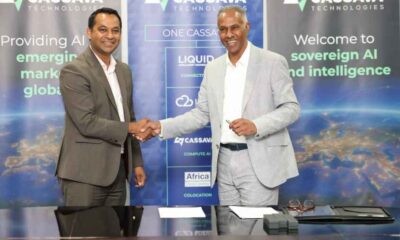
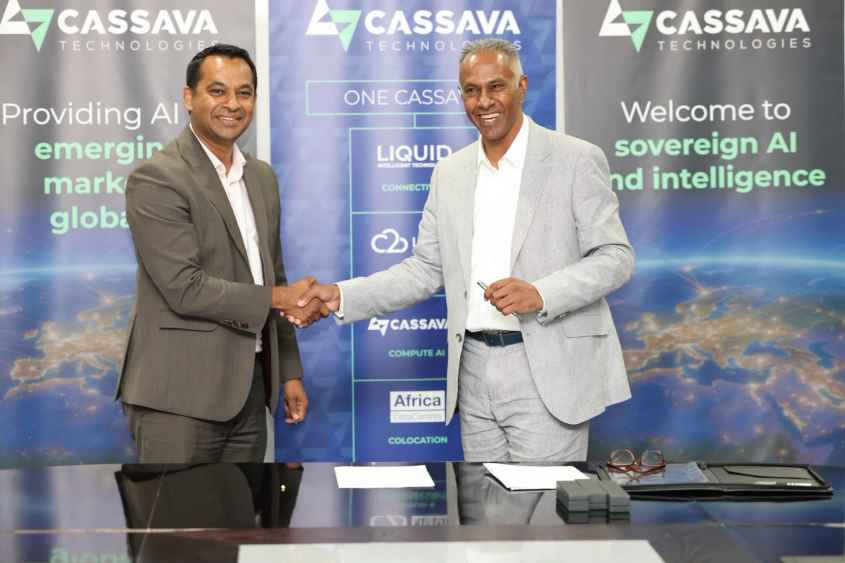
CAPE TOWN, South Africa, November 18, 2026/APO Group/ –Cassava Technologies (https://www.CassavaTechnologies.com/), a global technology company of African heritage, and Mauritius Telecom (MT) have signed a memorandum of understanding (MoU) at Africa Tech Festival to develop a strategic partnership focused on strengthening compute and model access for MT’s AI services and exploring opportunities for myt Learn, MT’s AI-powered education platform, in South Africa and other African markets.


Cassava’s NVIDIA-powered AI Factory in Cape Town is Africa’s most powerful supercomputer. The partnership combines this computing scale, Cassava’s AI platforms and regional reach with MT’s own AI products, local language capabilities and operating experience.

This partnership brings together products we have developed and Cassava’s infrastructure and reach to take that work further

“Realising AI’s promise in Africa requires more than potential; it takes infrastructure, technology, and proven expertise. By pairing Mauritius Telecom’s AI products and operating experience with Cassava’s AI infrastructure and reach, we aim to bring locally relevant AI services and education solutions to more African markets,” said Ziaad Suleman, SVP Cassava Technologies for South Africa and Botswana.

“We are building AI capability in Mauritius that can also serve other African markets. With myt Learn, we are already putting that capability to work in our schools, supporting both students and teachers. This partnership brings together products we have developed and Cassava’s infrastructure and reach to take that work further. Our ambition is to make trusted AI useful and accessible, while ensuring that those responsible for its use retain meaningful control,” said Veemal Gungadin, CEO of Mauritius Telecom.

The companies will explore access to Cassava’s AI Factory as an additional source of on-demand computing capacity for MT’s AI offerings, alongside access to AI models through CAIMEx, Cassava’s AI platform. Cassava capacity and model access would be used only for workloads where customers permit it. These options would complement MT’s existing myt AI Cloud platform and infrastructure in Mauritius, and could support its expansion into other African markets.

In education, the partners will jointly assess opportunities for myt Learn, starting with South Africa’s public and private education sectors, with potential expansion into other Cassava markets. Created by MT and rolling out in Mauritian schools for selected grades, myt Learn provides curriculum-aligned guided lessons, a multilingual AI tutor and personalised revision. Teachers have access to performance insights and AI tools for marking, test creation and lesson preparation. The platform can be adapted to local curricula and teaching needs.

Together, the companies aim to show how telecommunications operators can bring locally relevant AI services to customers and take African-developed products into new markets.

Distributed by APO Group on behalf of Cassava Technologies.


Continue Reading

Business

Afreximbank puts trade finance and compliance at the heart of Africa’s industrial transformation

Published

on

afreximbank

The forums will also explore how digitalisation, artificial intelligence and innovative financial instruments can improve trade efficiency, reduce costs and strengthen risk management

GABORONE, Botswana, November 17, 2026/APO Group/ –Afreximbank (www.Afreximbank.com) has called for increased financing of intra-African trade, stronger regulatory compliance frameworks and greater investment in value-added production to accelerate the continent’s economic integration and industrial transformation.


Speaking at the opening ceremony of the inaugural jointly held Afreximbank Trade Finance Seminar and Compliance Forum in Gaborone, Mr Lesego Moseki, Governor of the Bank of Botswana, emphasised that compliance should be recognised as a strategic asset that strengthens resilience, builds trust and enhances competitiveness. He called for greater collaboration among regulators, financial institutions and development finance institutions to foster a more harmonised and efficient trading environment across Africa.

In his opening remarks at the 2026 Afreximbank Trade Finance Seminar (ATFS) and Afreximbank Compliance Forum (ACF), Mr Haytham El Maayergi, Executive Vice President, Global Trade Bank, Afreximbank, highlighted the need for trade finance and compliance frameworks to work hand in hand to unlock the full potential of the African Continental Free Trade Area (AfCFTA) and accelerate intra-African trade.

“To build an integrated African market we to finace  connects us, and we cannot expand that trade sustainably without the trust, transparency and compliance systems that underpin it.”

El Maayergi said the changing global landscape made this imperative even more urgent, with geopolitical tensions and disrupted supply chains exposing the risks of overreliance on distant markets.

“As global markets look to diversify production beyond China, Africa must position itself as a natural partner of choice. The continent has the resources, vast land and, most importantly, its people. By 2050, one in four people globally will be African. Whether this demographic advantage becomes an asset or a liability will depend on the decisions we make today.

“To seize this opportunity, Africa must trade more with itself, and that trade must be adequately financed and underpinned by trust.”

He noted that although intra-African trade grew by 5.5 per cent in 2025, it still represents only around 14 per cent of Africa’s total trade. With 50 countries having ratified the AfCFTA but only 12 actively trading under its framework, he stressed that the priority must now be translating the agreement into tangible economic opportunities.

“We have opened the market. Our task now is to make that market work.

“It is about moving from exporting raw materials to processing, manufacturing, and creating greater value here in Africa. In other words, how can we get African resources to feed African industries and African businesses to serve African markets, while creating jobs for our people and retaining value that will support the growth and prosperity of African economies?”

As global markets look to diversify production beyond China, Africa must position itself as a natural partner of choice

Botswana’s industrial transformation presents opportunities for African trade

Highlighting Botswana’s role in advancing continental integration, Mr El Maayergi cited the country’s success in developing greater domestic participation in the diamond value chain, including the relocation of De Beers Group’s global rough-diamond sales activities from London to Gaborone.

He also highlighted the Botswana Stock Exchange’s collaboration with the Nigerian Exchange Group and other African exchanges to broaden cross-border investor access to the Dangote Petroleum Refinery IPO share offer.

Acting CEO of the Botswana Investment and Trade Centre (BITC), Mr Anthony Sefako, said Botswana’s economic transformation agenda presents significant opportunities for trade finance, investment and regional value-chain development.

“Botswana is currently pursuing a bold productive transformation, shifting from reliance on diamond mining towards a digitally enabled, export-led and diversified high-income economy.

“Botswana is targeting an increase in manufacturing exports to reach 23 per cent by 2036. From battery metal refining, pharmaceutical biomanufacturing and industrial steel to renewable energy hubs and agricultural value chains.

“The country is actively commercialising bankable industrial projects that require the very trade finance and supply chain liquidity tools being discussed during this gathering.”

Financing, innovation and compliance to unlock Africa’s potential

El Maayergi outlined four priorities to advance Africa’s trade and industrialisation agenda: integration, value creation, conviction in African enterprise, and trust.

He further highlighted Afreximbank’s role for regional integration through the Pan-African Payment and Settlement System (PAPSS), which enables cross-border payments in local currencies across more than 30 African countries. He also pointed to the Bank’s financing for mineral processing, its Strategic Minerals Development Programme and support for major African enterprises, including the Dangote Group.

He also mentioned XTRA, Afreximbank’s trading platform for African trade confirmations, which has facilitated more than US$1.5 billion in transactions and help develop a more liquid market for African risk.

On compliance, he emphasised the importance of effective regulatory and due diligence frameworks that facilitate rather than constrain trade. Such frameworks are essential to enabling African banks to maintain correspondent banking relationships, attract capital and participate confidently in global financial markets.

The forums will also explore how digitalisation, artificial intelligence and innovative financial instruments can improve trade efficiency, reduce costs and strengthen risk management. Afreximbank’s Africa Trade Gateway, which brings together TRADAR for trade information, MANSA for due diligence and verification, ATEX for market access and PAPSS for payments, was highlighted as an important part of this effort.

Distributed by APO Group on behalf of Afreximbank.


Continue Reading

Business

Tüyap highlights Middle East and North Africa (MENA) sourcing opportunities at the carpet expo in Istanbul

Published

on

Tüyap

Organised by Tüyap in Istanbul, ICFE 2027 expects more than 500 exhibitors and 35,000 industry professionals, offering Middle East and North Africa buyers opportunities to meet international carpet and flooring suppliers

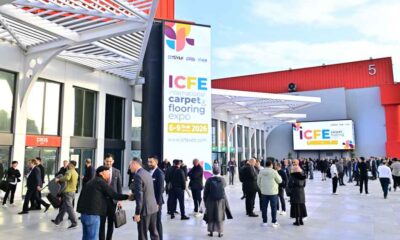
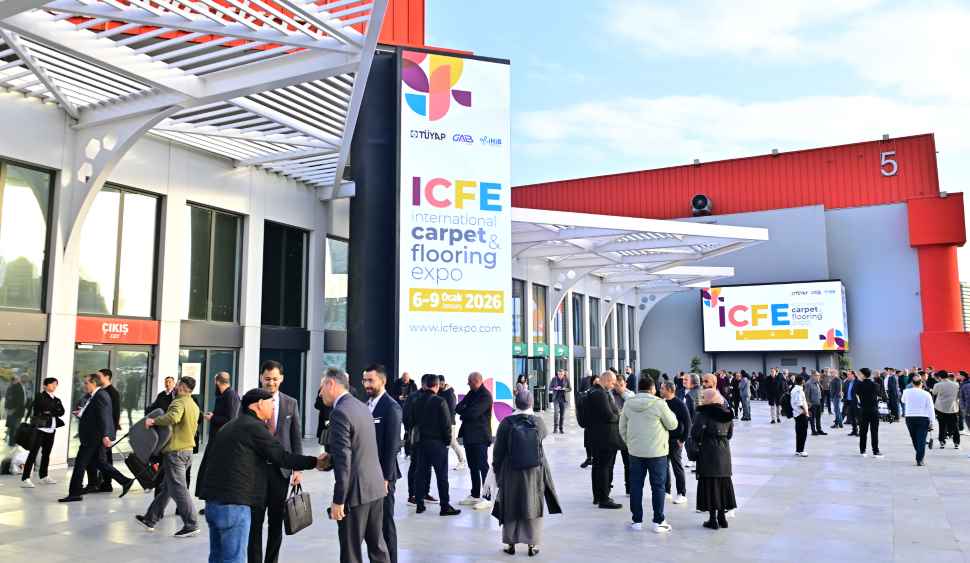
ISTANBUL, Türkiye, November 17, 2026/APO Group/ –Türkiye, a major global carpet manufacturing and exporting centre, will host the fourth International Carpet and Flooring Expo (ICFE 2027) (https://www.ICFExpo.com/en) in Istanbul from 6 to 9 January 2027. Organised by Tüyap (www.Tuyap.com.tr) Fairs and Exhibitions Organization Inc. in cooperation with the Southeastern Anatolia Carpet Exporters’ Association (GAHİB) and the Istanbul Carpet Exporters’ Association (İHİB), the event will bring international manufacturers and buyers together at the Istanbul Expo Center. Organisers expect more than 500 exhibitors and approximately 35,000 industry professionals from over 150 countries, including professional buyers from the Middle East and North Africa.


“Businesses across the Middle East and North Africa are looking for opportunities to compare products, meet manufacturers and develop supplier relationships across international markets,” said İlhan Ersözlü, General Manager at Tüyap Fairs Production Inc. “Bringing these connections together in Istanbul gives buyers and exhibitors a practical setting to explore new partnerships and understand where future trade opportunities may emerge.”

International participation expected to expand in 2027

ICFE enters its fourth edition following an event that attracted 445 exhibitors and 31,410 visitors from 127 countries in 2026. The 2027 targets point to a wider international gathering.

Manufacturers and exporters will showcase products to importers, distributors, wholesalers, retailers, architects and interior designers. The exhibition will cover handmade and machine-made carpets, rugs, textile materials, laminate and wood flooring, artificial grass and other floor coverings.

For international buyers, the event provides an opportunity to examine products from different suppliers, compare manufacturing capabilities and discuss potential commercial relationships in person.

Buyers from MENA among target markets

Professional buyers from the United Arab Emirates, Saudi Arabia and Morocco are among the international audiences expected at ICFE 2027, alongside visitors from Europe, Asia and the Americas.

For carpet and flooring businesses operating in these markets, the exhibition offers access to manufacturers and suppliers across multiple product categories. Importers and distributors can explore potential sourcing arrangements, while retailers, architects and interior designers can assess new collections, materials and design developments.

Businesses across the Middle East and North Africa are looking for opportunities to compare products

Istanbul’s location between Europe and Asia also supports the exhibition’s international business focus. Its extensive direct flight connections provide access for professionals travelling from the Gulf, North Africa and other major trading regions.

Organisers are conducting promotional activities in more than 80 countries across 6 continents. Targeted international campaigns, digital marketing and B2B matchmaking initiatives are intended to attract professional buyers and facilitate meetings with exhibitors.

Exhibition-specific customs arrangement aims to support foreign exhibitors

An exhibition-specific customs measure is also expected to support international participation at ICFE 2027.

Türkiye’s Ministry of Trade, Directorate General of Customs, has reduced the rate applied to the FOB (Free on Board) value of products brought to the exhibition by foreign exhibitors from 100% to 10% under the relevant temporary customs arrangement.

The measure applies specifically to ICFE 2027 and is intended to reduce the financial burden associated with bringing exhibition products into Türkiye.

For overseas exhibitors considering the event, the arrangement represents an additional factor in assessing the costs of participation and presenting products to potential international buyers.

Design and Industry Events Complementing Business Meetings

Alongside its commercial programme, ICFE 2027 will host industry discussions and design-focused activities.

Carpet Talks will bring industry professionals together to discuss developments in design, production, branding and the evolving carpet industry. Carpet Workshop will bring designers from different countries together to collaborate on creative projects.

These activities will complement the exhibition’s business meetings, providing manufacturers, designers and buyers with an opportunity to explore emerging approaches to carpet production and product development.

The four-day exhibition will take place at the Istanbul Expo Center in Yeşilköy from 6 to 9 January 2027. Further information is available at https://www.ICFExpo.com/en.

Distributed by APO Group on behalf of TÜYAP.


Continue Reading

Trending