

Business
FVC to Showcase Latest Technology Offerings at GITEX Africa 2023

FVC being a transformation through technology expert, will highlight its latest technology solutions and services portfolio for businesses
MARRAKESH, Morocco, May 29, 2023/APO Group/ —
FVC has announced its participation in GITEX AFRICA 2023 (www.GITEXAfrica.com), the continent’s largest and most inclusive tech and start-up inaugural event set to take place from 31st May till 2nd June 2023 in Marrakech, Morocco.
Taking place for the first time in the African region, the event is set to welcome 500 exhibitors and 400 start-ups from 95 countries, with regional and international companies excited about the potential of the world’s rising tech continent, and the opportunities amplified by Africa’s ongoing Digital Transformation Strategy.
The event aims to showcase the potential of Africa’s rapidly expanding digital economy and promote relationships and collaborations among various global tech pioneers and innovators, governments, startups, investors, and innovation hubs. This also opens a giant forum for all to explore new ventures in the world’s next biggest digital economy.
FVC is a value added distributor (VAD) providing tangible solutions across vital areas of enterprise computing – unified communications (UCC), Audio-Visuals (AV), Infrastructure and information security (Cybersecurity) and AI. With more than a decade of cross-domain expertise, they draw their strength from world-class channel partners across 50 countries. They are passionate about creating value in all that they deliver and empower their partners, vendors and clients with the next generation of technology that delivers results for them today.
We are confident that we will be able to build a solid pipeline of business opportunities through our vast portfolio of technological affiliations during the event

FVC being a transformation through technology expert, will highlight its latest technology solutions and services portfolio for businesses across the range of sectors including government agriculture, oil & gas, mining, technology, banking & finance, healthcare, telecommunications and education.
The key vendors participating along with FVC in the Cyber Security & AI vertical includes Invicti, Cyble, Malwarebytes, C-Zentrix and IBM.
FVC’s participation in GITEX AFRICA 2023 testifies companies’ objective and commitment to support and contribute in the development of the region’s digital economy by accelerating the digital transformation.
Feeling thrilled about their participation, K Parag, Managing Director of FVC commented, “FVC is excited to be part of GITEX AFRICA 2023 which is one of the largest all-inclusive tech event. Gitex Africa will amplify the continents digital aspirations and achievements. It is great to know that countries like Nigeria, Ethiopia, Rwanda, Cameroon, Benin, Togo etc are showing great interest in participating in the show”.
Prakash Krishnamurthy, Chief Sales Officer at FVC, says “It is a pleasure and a great opportunity to be part of GITEX Africa. This will give us a clear platform to build our strong UCC, AV, Cybersecurity and AI & Cloud base in the African market. We are confident that we will be able to build a solid pipeline of business opportunities through our vast portfolio of technological affiliations during the event. Our best wishes to GITEX Africa for a smooth and successful event”.
Please visit FVC at Stand No.: 7D-20, Hall: 7.
We look forward to meeting you at GITEX, Africa!
Distributed by APO Group on behalf of GITEX Africa.












Business
Enlit Africa seeks contributions that move the conversation from strategy to execution: ensuring a Future Fit Africa
Business
CEM Africa Awards 2026 set to recognise Africa’s leading Customer Experience (CX) talent and innovation
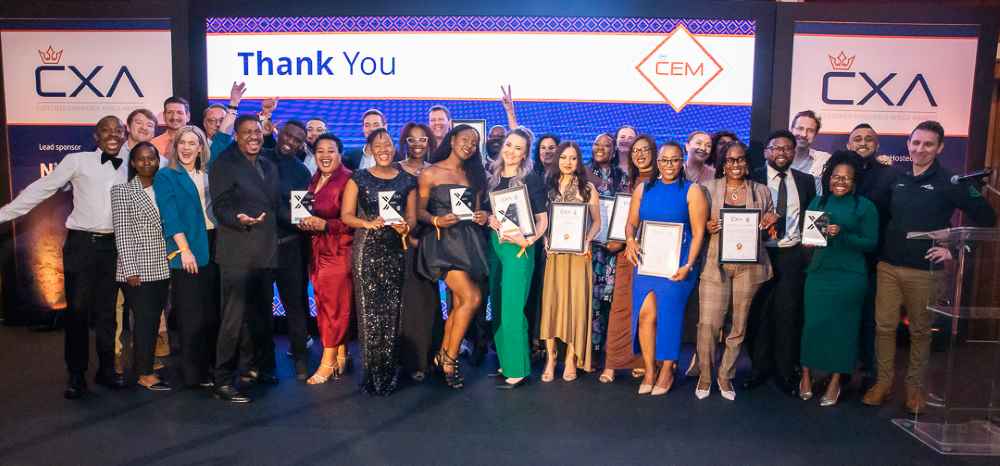
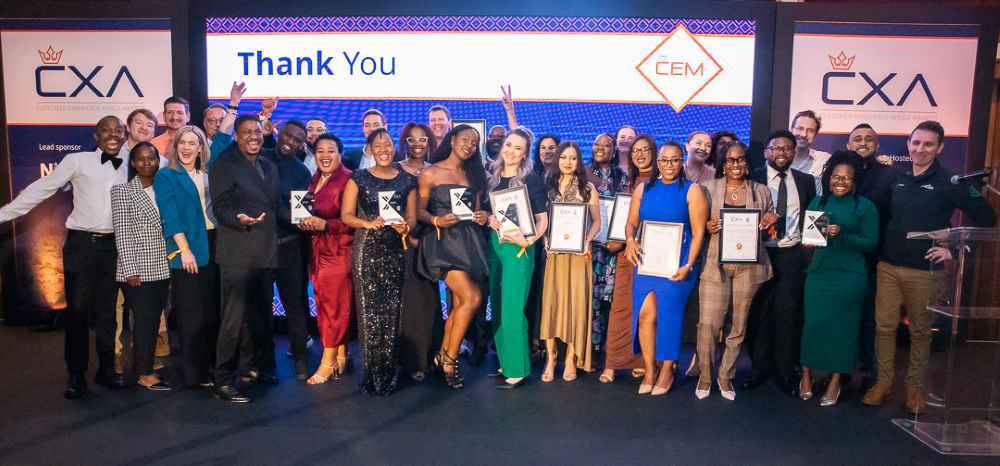
The 2025 awards attracted more than 80 entries and 31 finalists, culminating in eight award winners
The calibre of organisations and individuals recognised through the CEM Africa Awards demonstrates just how much extraordinary CX work is being done across the continent
JOHANNESBURG, South Africa, September 25, 2026/APO Group/ –Customer experience professionals, teams and organisations across Africa have just days remaining to enter the 2026 CEM Africa Awards, with free applications closing on 30 September 2026.
Taking place on 10 November 2026 at the NH Hotel in Sandton, Johannesburg, the Customer Experience Africa Awards form part of the CEM Africa platform and recognise the individuals, teams, technologies and initiatives raising the standard of customer experience across the continent.
For organisations considering whether to enter, the company they could be keeping provides a compelling indication of the calibre of the awards.
A growing roll call of African CX leaders
The 2025 awards attracted more than 80 entries and 31 finalists, culminating in eight award winners. Finalists represented organisations spanning financial services, technology, telecommunications, retail, insurance, public services and social impact.
Among them were Absa, Capitec Bank, Santam, Telesure Investment Holdings, Equity Bank, Takealot.com, NTT DATA, Frogfoot, Telviva, Harambee Youth Employment Accelerator, the University of Pretoria and South Africa’s Department of Social Development.
The 2025 winners included Serisha Iyer of Absa Corporate and Investment Banking, named Rising Star in CX; Alma Angela Olela of Jubilee Health Insurance, named CX Leader of the Year; and Franco Cotumaccio of Shadow Global, winner of Breaking Barriers in CX.
Corporate winners included Telesure Investment Holdings for Best Overall CX Solution, Krisp for Best Use of AI, Telviva for Best Enterprise Contact Centre Platform, Harambee Youth Employment Accelerator for Best Customer Experience Team of the Year and the University of Pretoria for Best Citizen Experience Initiative.
That follows a 2024 edition in which winners included NCBA Bank, MultiChoice, Digital Solutions Group, Absa Bank and Telviva, alongside individual CX leaders from across the continent.
More than a trophy
For entrants, recognition through the CEM Africa Awards puts their work in front of a wider African CX community and an independent judging panel drawn from across the industry.
The 2026 judging panel includes global CX specialist Ian Golding; Andrew (Dré) Enebeli, Head of CX & Engagement at Access Bank; Dr Oliver Museka, President and Founder of IRDM College Eswatini; Jonathan Daniels, Managing Director of CX Centric; Joven Pillay, Partner and Head of Customer Consulting at KPMG; and Qaalfa Dibeehi, Managing Partner at Human2Outcome.
This year’s awards recognise excellence across four broad pillars – People, Innovation, Transformation and Government – covering categories including CX Leader of the Year, Rising Star in CX, Breaking Barriers in CX, Best Overall CX Solution, Best Use of AI, Best Enterprise Contact Centre Platform, Best Customer Experience Team of the Year, Best Digital Transformation in Public Services and Best Citizen Experience Initiative.
“The calibre of organisations and individuals recognised through the CEM Africa Awards demonstrates just how much extraordinary CX work is being done across the continent. These awards give that work a platform. Whether it is a major transformation programme, an innovative use of technology or an individual changing how their organisation thinks about the customer, we want to make sure Africa’s best work is being seen and recognised.”
- Briteny Price, Event Manager and CEM Africa Awards Director
Final opportunity to enter
Applications for the 2026 CEM Africa Awards are free and remain open until 30 September 2026. Finalists will be announced in October, ahead of the awards ceremony on 10 November at the NH Hotel, Sandton.
Organisations, teams and individuals working to improve customer and citizen experience across Africa are encouraged to submit their entries before the deadline.
Apply for the CEM Africa Awards 2026 by 30 September 2026
Submit your application (https://apo-opa.co/4hdcimx)
Explore the CEM Africa Awards
Visit the CEM Africa Awards website (https://apo-opa.co/4iNXzzM)
Distributed by APO Group on behalf of VUKA Group.
Business
Emirates to bring the A350 to Nairobi, introducing next-generation cabin experiences

-

 Business4 days ago
Frasers Hospitality unveils Fraser Suites Reserve, a new luxury serviced living brand
-

 Energy5 days ago
Building a Knowledge Hub for China-ASEAN Energy Cooperation
-

 Business4 days ago
African Energy Week (AEW) 2026 Technical Sessions Put Technology Behind Africa’s Next Energy Projects in Focus
-

 Business5 days ago
RS South Africa Supports Next-Generation Edge Artificial Intelligence (AI) With NVIDIA Jetson Orin Nano 2
-
Energy3 days ago
Democratic Republic of the Congo (DRC) Brings Oil Development Push to African Energy Week (AEW) 2026 as Hydrocarbons Minister Leads Sector Agenda
-

 Business4 days ago
Rising power costs put energy strategy at the centre of industrial competitiveness
-
 Business3 days ago
AFRICLOUD Opens Lagos Region and Local-Currency Payments in African Markets
-

 Business3 days ago
Hong Kong outlines strategies for deepening development of the Guangdong-Hong Kong-Macao Greater Bay Area and enhancing green transformation