Connect with us
Anglostratits

Business

Regionalized Vaccine Manufacturing Collaborative (RVMC) Launches Five-Year Strategy to Optimise Regionalised Vaccine Manufacturing Ecosystems

Published

on

RVMC

Ahead of the 2028–2032 implementation period, RVMC will continue to deliver on its current strategy while working with regional partners to plan implementation, including setting shared priorities and measures of success for the next phase

ADDIS ABABA, Ethiopia, November 24, 2026/APO Group/ —

  • With a $35 million budget over five years, the strategy provides an operational framework to optimise the regionalised manufacturing ecosystem as production capacity and capability expand.
  • The strategy advances vaccine equity, regional health security, and sovereignty by anchoring production in routine immunisation, keeping facilities commercially viable and ready to meet needs during outbreaks.
  • RVMC provides independent implementation support to help regional partners strengthen manufacturing ecosystems and sustain production over the long term.


Today at the 5th International Conference on Public Health in Africa (CPHIA 2026), the Regionalized Vaccine Manufacturing Collaborative (RVMC) (www.RVMC.net) launched its 2028–2032 Strategy: Optimising Regionalised Vaccine Manufacturing. The five-year roadmap outlines four strategic initiatives designed to ensure that regionalised manufacturing is supported by the political commitment, market structures, regulatory frameworks, and financing conditions required for long-term sustainability. The strategy also marks a shift in RVMC’s role: from building the evidence and consensus for regionalised manufacturing to working alongside governments, regional bodies, and manufacturers on the decisions and actions that make it viable.

While capital and production capacity have expanded significantly, findings from RVMC’s ecosystem status report, Towards Regionalised Vaccine Manufacturing, showed that as of 2023, regional manufacturers were supplying just 1% of vaccine demand in Africa, 25% in Latin America and the Caribbean, and 29% in Southeast Asia. Only three regional manufacturers were producing five or more vaccines at scale, with none located in Africa. The report underscores that regional health resilience depends on enabling policies, streamlined regulatory approaches, and predictable demand to meet everyday healthcare needs, while maintaining the operational capacity to surge during crises.

Progress is real, but uneven, and factories alone cannot deliver health security

“Latin America and Southeast Asia have built strong foundations, and Africa has created ambitious plans and frameworks. Progress is real, but uneven, and factories alone cannot deliver health security,” said Dr Frederik Kristensen, Managing Director of RVMC. “Our focus must now shift from simply building more plants to optimising the broader regionalised vaccine manufacturing (RVM) system. To us, optimisation means governments, regulators, industry, and investors working together so that RVM is financially sustainable, locally driven, regionally coordinated, and globally connected. When regional facilities are equipped to reliably protect their own populations every day, and better placed to respond to outbreaks, global health security is truly enhanced.”

To translate this vision into action, the 2028–2032 Strategy provides an operational framework, backed by a $35 million budget, focused on four integrated initiatives:

  • Insights Initiative: Strengthens the evidence base, bringing the most comprehensive data together in one place and putting targeted analysis in the hands of decision-makers.
  • Regional Pathways Initiative: Supports regions in developing investable pathways for RVM that enable partners to align with regional priorities.
  • Collaborative Support Initiative: Delivers targeted advisory support to countries, manufacturers and funders, to de-risk projects.
  • Inter-regional Cooperation Initiative: Provides a platform for tackling shared challenges, speaking with a collective voice in global discussions, and advancing market opportunities across Africa, Latin America and the Caribbean, and Southeast Asia.

The full strategy document, Optimising Regionalised Vaccine Manufacturing 2028–2032, and the baseline RVM ecosystem status report, Towards Regionalised Vaccine Manufacturing, are available at www.RVMC.net.

Speaking at CPHIA, Dr Jean Kaseya, Director-General of Africa CDC and RVMC Executive Committee member, emphasised that continental self-reliance requires a healthy manufacturing ecosystem: “Africa has committed to producing 60% of the vaccines it needs by 2040. We know what it will take to get there. We need stronger manufacturing capacity, reliable markets, access to technology and the right financing. Through PHAHM, we are working with our Member States and partners to put these conditions in place. We also have much to learn from the experience of Latin America and Southeast Asia, and much to share. The RVMC Strategy provides an opportunity to work together on the challenges we face and ensure that regional vaccine manufacturing is sustainable. Ultimately, our goal is for Africa to be able to produce the vaccines its people need, both in normal times and during health emergencies.”

Underscoring the link between regionalised manufacturing and rapid response, Dr Richard Hatchett, CEO of CEPI, which hosts the RVMC Secretariat, and RVMC Executive Committee member, said: “RVMC has built critical momentum—establishing the evidence, setting a shared vision, and bringing partners together around a common agenda. Real pandemic preparedness depends on the trust and operational experience built through routine manufacturing. Developing vaccines at speed only results in global health security if all regions have the capacity to manufacture and deliver them; by grounding operations in routine production and credible market intelligence through the Insights Initiative, the 2028–2032 Strategy provides the foundation needed to vaccinate equitably when an outbreak strikes.”

Ahead of the 2028–2032 implementation period, RVMC will continue to deliver on its current strategy while working with regional partners to plan implementation, including setting shared priorities and measures of success for the next phase. This work will build the operational foundation and partner alignment required to begin the optimisation work in 2028—moving the global community closer to a world where life-saving vaccines are reliably produced and equitably delivered everywhere.

Distributed by APO Group on behalf of Regionalized Vaccine Manufacturing Collaborative (RVMC).


Business

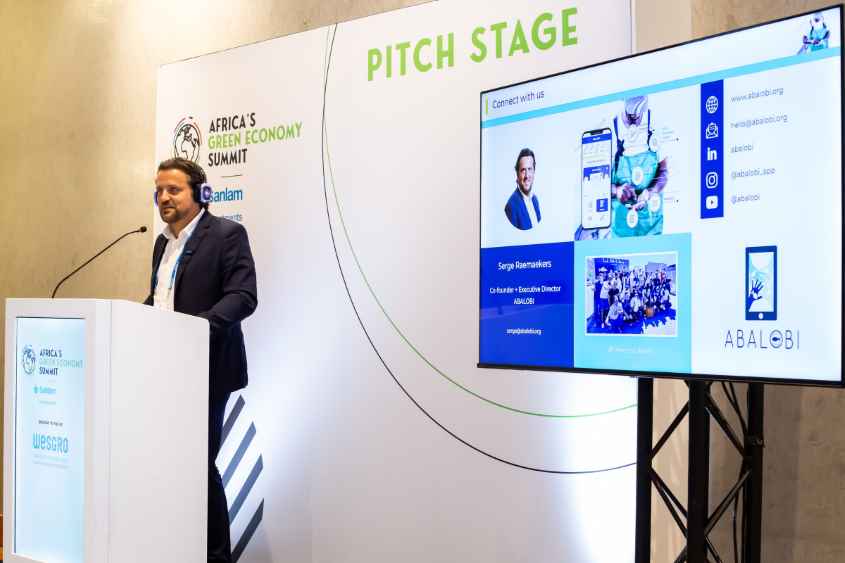
From solar power to sustainable farming: Africa’s Green Economy Summit unveils over US$500 million in investment opportunities

Published

on

solar

New Infrastructure and SMME Deal Books spotlight 20 projects across 13 African countries ahead of the February 2027 summit in Cape Town

CAPE TOWN, South Africa, November 25, 2026/APO Group/ –Solar developments in Zimbabwe, battery reuse in Kenya and clean technology manufacturing in Nigeria are among the projects featured in the newly released Investment Deal Books from Africa’s Green Economy Summit (https://apo-opa.co/48YuThr) (AGES). Together, the two publications introduce the first 20 confirmed projects across 13 African countries, collectively seeking more than US$500 million in investment.


From Zimbabwe and South Africa to Kenya, Nigeria and Egypt, Africa’s Green Economy Summit will bring together investors, policymakers and project developers, connecting expertise, capital and enterprise from across the continent.

The Infrastructure Deal Book and SMME Deal Book provide investors, financiers and development partners with information on project maturity, capital sought and commercial models. Their publication precedes the summit’s fifth edition, taking place from 23 to 26 February 2027 at the Century City Conference Centre (https://CCConferenceCentre.co.za) in Cape Town.

The release comes amid record renewable energy expansion worldwide. According to the International Renewable Energy Agency’s Renewable Capacity Statistics 2026 (https://apo-opa.co/4A5nad0), global renewable power capacity increased by 692 GW in 2025, with Africa recording its largest annual addition of 11.3 GW. The Deal Books feature proposed renewable energy developments alongside businesses addressing agricultural productivity, resource efficiency and climate resilience.

Infrastructure projects span energy and agriculture

The Infrastructure Deal Book profiles larger developments at different stages of preparation, outlining their financing structures, milestones and routes to implementation.

Featured projects include MamboAnesu Energy, a phased solar project in Zimbabwe with a planned total capacity of 200 MW, and Eden Menia Egypt Farm, which integrates modern irrigation, renewable energy and digital farm management in Egypt.

In Kenya, Spiro ESS aims to repurpose electric motorcycle batteries into stationary energy storage systems. The proposed programme connects electric mobility with energy storage, extending battery lifecycles and supporting more reliable electricity supply.

The powerful conversations, insights, projects, investment landscape, and networks were both magical and fierce, reflecting a continent moving from ambition to implementation

Growing businesses bringing African solutions to market

The SMME Deal Book features enterprises across clean energy, manufacturing, sustainable agriculture and climate technology.

Among them are Powerbox Energy Systems in Nigeria, which manufactures modular solar and battery systems locally, and Adsorb Technologies in South Africa, which converts agricultural and forestry residues into activated carbon for industrial applications.

Their profiles outline plans to expand production, establish commercial partnerships and reach wider markets.

Turning project visibility into investor engagement

The Deal Books allow investors to review projects against their investment mandates before meeting developers. Curated matchmaking and pitch sessions provide a setting for more detailed financing discussions.

Reflecting on her participation at the previous summit, Gertrude Ogojiaku, CEO of Asoba, said:

“AGES was an awesome event. The powerful conversations, insights, projects, investment landscape, and networks were both magical and fierce, reflecting a continent moving from ambition to implementation.”

“Driving e-mobility and the energy transition requires a collaborative ecosystem of partners. For Spiro, connecting with asset financiers, banks, infrastructure investors and solar and energy-storage providers is essential to scaling our operations across Africa. Platforms like AGES create opportunities to bring these stakeholders together and build the partnerships needed to accelerate growth.”

– Kaushik Burman, CEO, Spiro Mobility

Both Deal Books are now available to download, with further details on the featured businesses, infrastructure proposals and financing plans.

Distributed by APO Group on behalf of VUKA Group.


Continue Reading

Business

Afreximbank extends €30-million line of credit to dfcu Bank, Uganda

Published

on

Afreximbank

Under the terms of the agreement, dfcu Bank will utilise the funding to support lending to eligible sub-borrowers operating across Uganda’s export value chain

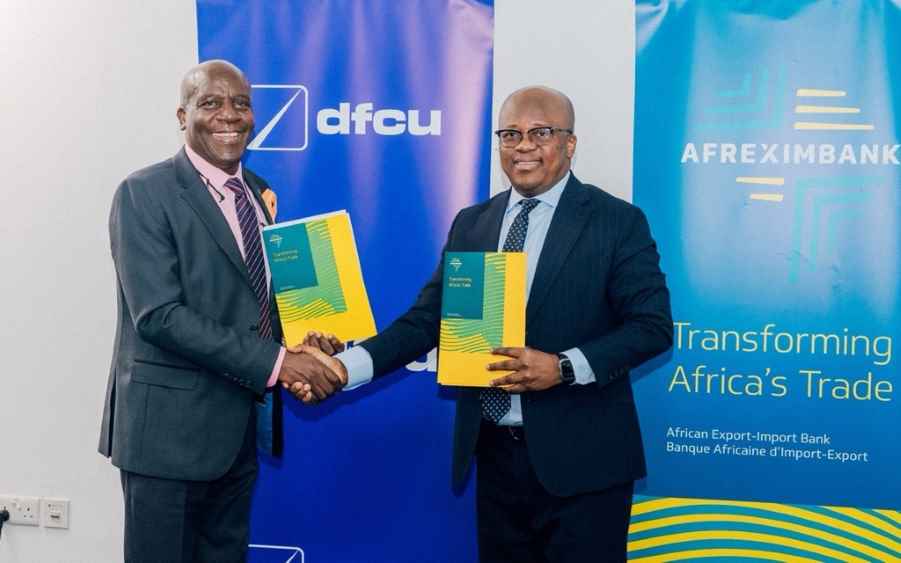
KAMPALA, Uganda, November 24, 2026/APO Group/ –In a move aimed at strengthening its support for the Ugandan economy, African Export-Import Bank (Afreximbank) (www.Afreximbank.com) has extended a €30-million revolving short-term line of credit facility to dfcu Bank. This marks Afreximbank’s first-ever extension of such a facility to a Ugandan bank.


At a signing ceremony held on 24 November 2026 at Afreximbank’s Regional Headquarters in Kampala, Uganda, Mr Humphrey Nwugo, Afreximbank’s Regional Director for Eastern Africa, and Mr Charles Mudiwa, Chief Executive Officer of dfcu Bank, signed the financing agreement.

Under the terms of the agreement, dfcu Bank will utilise the funding to support lending to eligible sub-borrowers operating across Uganda’s export value chain. These include businesses in agribusiness, manufacturing, trade and business, infrastructure and energy, financial services, hospitality and logistics, among others, requiring financing for working capital and capital expenditure.

At dfcu, we believe that access to capital is a catalyst for transformation

The facility is also expected to provide the much-needed offshore funding, necessary to meet the significant funding requirements key to unlocking the tenfold growth of the Ugandan economy.

Highlighting the significance of the transaction, Mr Humphrey Nwugo, Afreximbank’s Regional Director for Eastern Africa, said:

“This facility has the potential to contribute significantly to improving access to trade finance, trade-related financing and project financing in Uganda, particularly for eligible exports, value-added exports and transactions in the agribusiness, manufacturing, trade, infrastructure and energy, financial services, hospitality and logistics sectors. It also supports the implementation of Afreximbank’s mandate to promote the export of value-added commodities and manufactured products from its member states. Furthermore, it is consistent with Afreximbank’s strategy of financing exports that increase the foreign exchange-earning capacity of our member countries and enhance their productivity.”

Emphasising the importance of the transaction, Mr Charles Mudiwa, CEO of dfcu Bank, said:

“At dfcu, we believe that access to capital is a catalyst for transformation. This €30-million facility from Afreximbank enhances our capacity to finance businesses that are expanding Uganda’s productive economy, strengthening export value chains and creating sustainable growth opportunities. Beyond funding, this partnership demonstrates a shared commitment to unlocking Africa’s trade potential and empowering enterprises to compete more effectively in regional and international markets. Together, we are enabling businesses to scale, create jobs and contribute meaningfully to Uganda’s economic prosperity.”

Distributed by APO Group on behalf of Afreximbank.


Continue Reading

Business

Visa strengthens its commitment to Cameroon with the opening of a representative office in Douala

Published

on

Visa

This local presence will enable Visa to deepen its engagement and collaboration with clients, partners, and public and private stakeholders, supporting efforts to advance an increasingly inclusive, innovative, and secure digital payments ecosystem in Cameroon

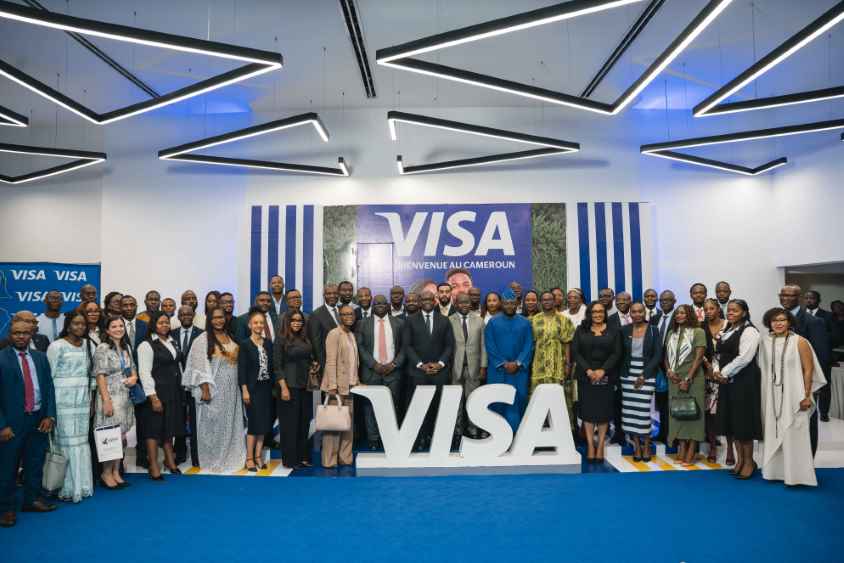
DOUALA, Cameroon, November 24, 2026/APO Group/ –Visa (www.Visa.com) (NYSE: V), a world leader in digital payments, announced the opening of its representative office in Douala during the official launch event for Visa in Cameroon.


Held on 23 November, the event brought together representatives of the Government, regulatory authorities, leaders of financial institutions, fintechs, and key stakeholders from the payments and digital finance ecosystem.

Located in Douala, the representative office will enable Visa to engage more closely with its clients and partners, deepen its understanding of market needs, and facilitate access to Visa’s global expertise and capabilities in support of local priorities.

A local presence supporting Cameroon’s digital ambitions

Visa has worked alongside Cameroon’s payments ecosystem for several years, collaborating with stakeholders across the market to support broader access to secure, convenient, and innovative digital payments.

The opening of our representative office reflects our commitment to strengthening our local presence alongside our partners in Cameroon

The opening of the representative office further strengthens this commitment. Working with public and private stakeholders, Visa aims to support Cameroon’s digital transformation ambitions and the priorities set out in the National Development Strategy 2020–2030 (NDS30).

This local presence will facilitate stakeholder engagement, knowledge sharing and collaboration in areas including digital payment acceptance, e-commerce, financial inclusion, the modernization of financial institutions’ payment capabilities, fintech-driven innovation, and payment security.

“The opening of our representative office reflects our commitment to strengthening our local presence alongside our partners in Cameroon. By bringing Visa’s global expertise and insights closer to market needs, we aim to support innovation and contribute to the development of a digital economy that is accessible to as many people as possible,” said Ismahill DIABY, Vice President and General Manager for Francophone and Lusophone West and Central Africa.

Strengthening partnerships closer to the market

Asaph Tchounga will lead Visa’s representative office in Cameroon as Country Manager. With sixteen years of experience in payments and financial services, he joined Visa in 2021. His responsibilities will include strengthening relationships with local partners and supporting Visa’s engagement with the market.

“Our representative office in Douala will allow us to engage even more closely with our clients and partners, deepen our understanding of the Cameroon market, and support collaboration around local priorities. Our ambition is to work closely with the entire ecosystem, contribute meaningfully to the evolution of the local payment landscape, and support broader access to financial services,” said Asaph Tchounga, Country Manager for Visa in Cameroon.

The Cameroon office is one of Visa’s five representative offices, alongside Abidjan, Lagos, Accra, and Kinshasa, serving the 23 countries of the West and Central Africa region.

Distributed by APO Group on behalf of Visa Inc..


Continue Reading

Trending